Define Wiper Component Quality Through Specific Checks
Published by QINAI (瑞安市汽耐雨刷制造有限公司).
A quality requirement becomes usable when it identifies a feature, an acceptance basis and a way to check it. Appearance, dimensions, material evidence and assembly performance answer different questions and should have separate records.
What needs to be defined before inspection?
Agree the product identity and the requirements relevant to the order. A catalogue image can locate a feature, while a dimensioned drawing or approved sample can provide the corresponding comparison basis.
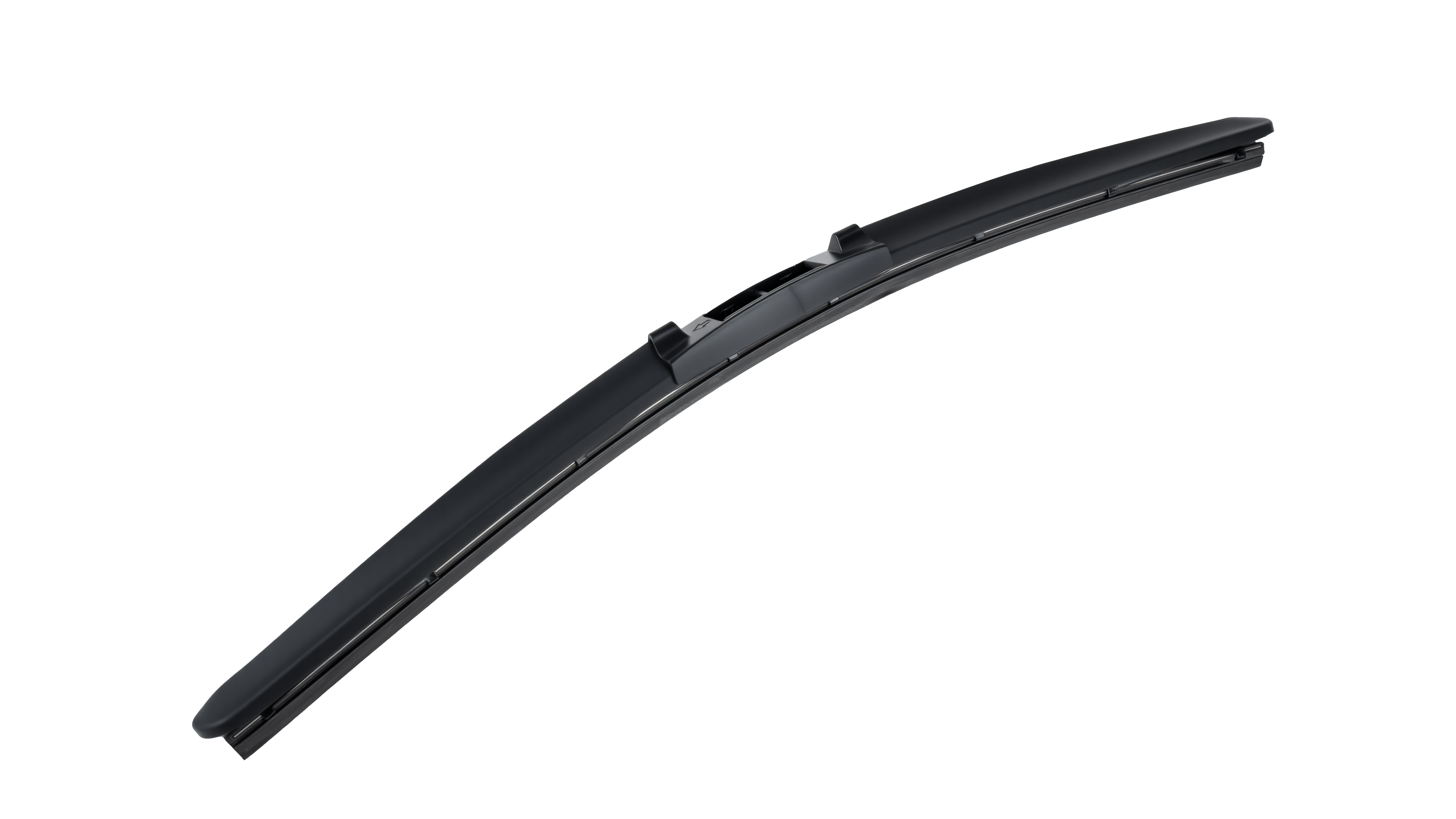
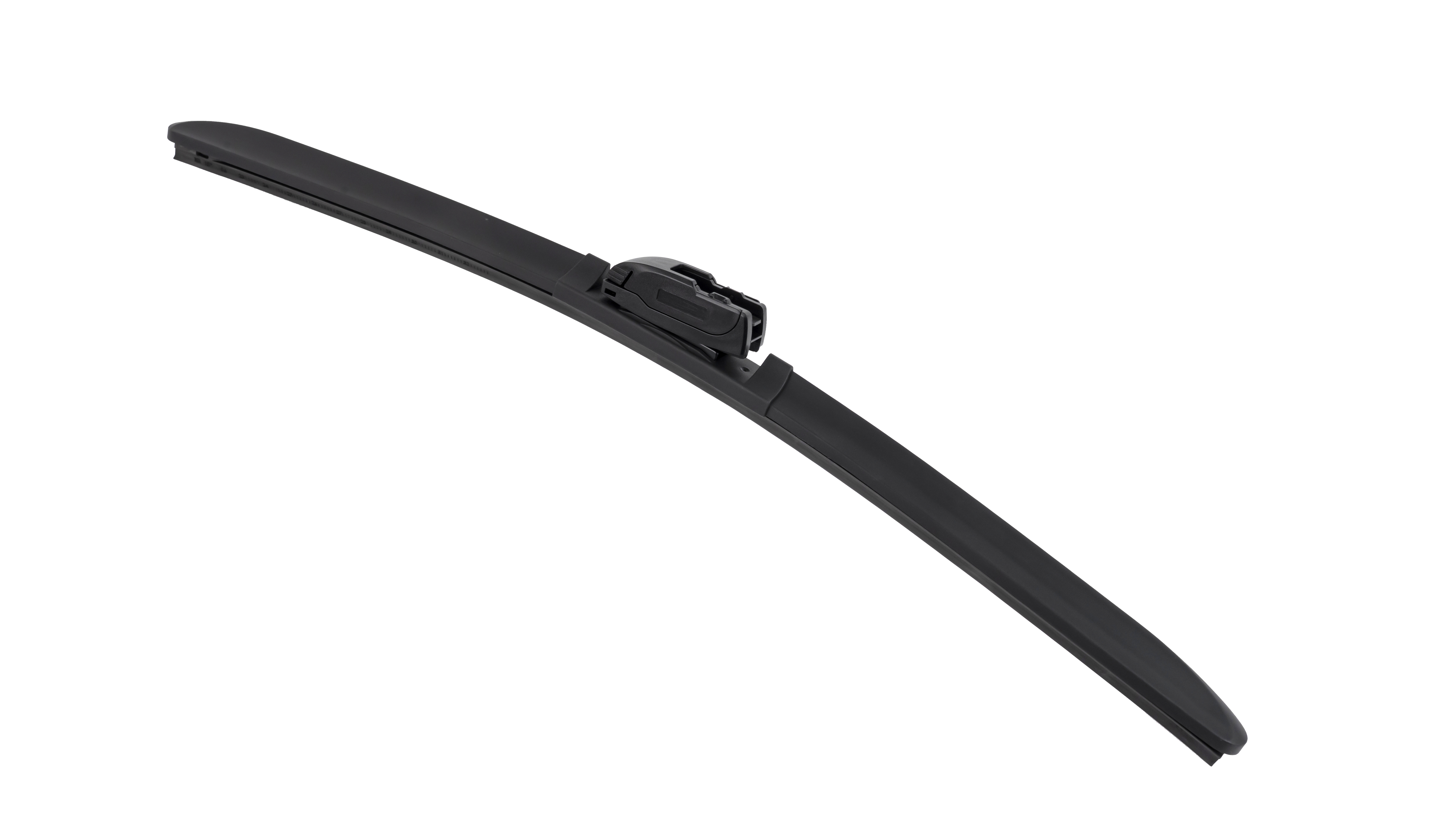
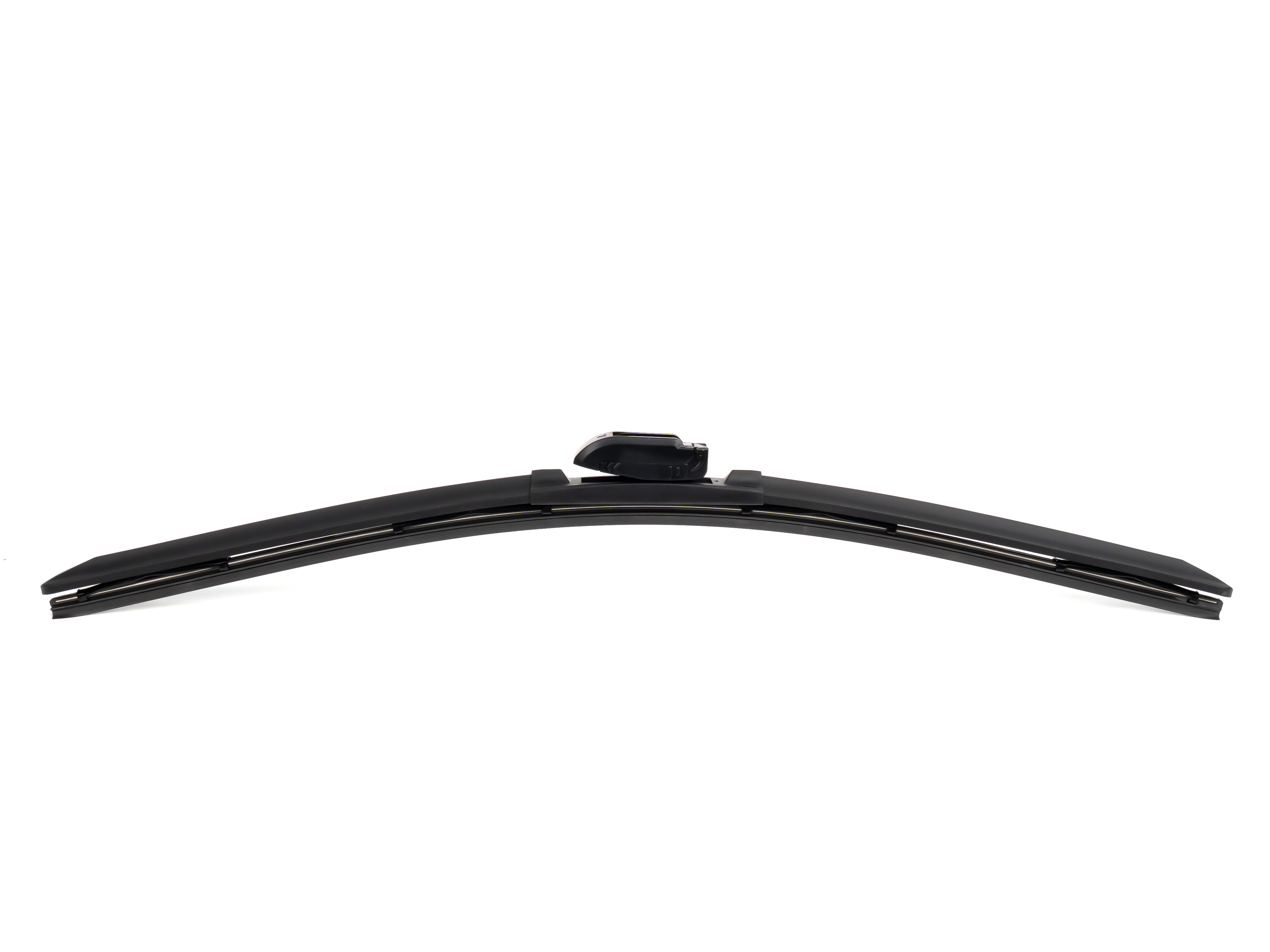
These existing model photographs are visual references, not inspection results.
| Requirement | Define before checking |
|---|---|
| Appearance | Area, viewing conditions and agreed examples |
| Dimensions | Datum, feature, unit and applicable tolerance |
| Assembly | Mating parts, instructions and observed condition |
| Material | Specified grade or requirement and its evidence |
Make a requirement observable
Words such as smooth, strong or precise express an intention but do not identify how a particular item will be assessed. Translate the relevant requirement into a feature, a comparison basis and a method. An appearance question may need agreed reference examples; a dimension needs defined surfaces and units; an assembly question needs the intended mating parts and instructions.
The detail should fit the decision. A photograph can locate a rough edge, while a measurement record can describe a particular width. Neither automatically establishes material grade or durability. Use the kind of evidence that addresses the claim rather than collecting unrelated documents around a general quality label.
Define the measurement before reading the result
A body’s maximum outside width and the width between internal guide surfaces are different dimensions, even if both are casually called “width.” Mark the location and direction. For a flexible feature, also state whether the part is free or constrained in an assembly. Measurement contact itself can influence a thin or elastic feature, so the method needs to suit the geometry.
A value without this context is difficult to compare with a drawing or another sample. A measured value is also not an acceptance limit; the limit must come from the applicable requirement.
Retain the scope of a sample observation
If a review covers visible condition and one assembly sequence, record those results without extending them to every performance question or future batch. Where a finding concerns several samples, retain the quantity examined and the occurrence observed. This makes the report useful for deciding what to investigate next without inventing a statistical conclusion from an undefined sample group.
How should an unexpected result be reported?
Identify the sample, location, method and observation. Attach an image or measurement where it helps locate the issue. Keep a possible cause separate from the recorded result; “rough edge at the marked corner” is more actionable than an unexplained “poor quality” label.
What does a completed check establish?
It establishes the recorded result for the stated item and method. One dimensional check does not establish lifetime, every vehicle application or all future batches. Use the sample-review record to retain the scope and the pre-order checklist to resolve remaining requirements.