Confirm Wiper Component Packaging Alongside the Product
Published by QINAI (瑞安市汽耐雨刷制造有限公司).
Packaging should make the ordered components identifiable, countable and protected for the intended handling process. Define the contents of each pack and the relationship between inner labels, carton labels and the packing list before dispatch arrangements are agreed.
Which packaging decisions belong in an order?
Start with the shape and supply composition. A connector, a body and a multi-part set can require different separation and identification even when they share a carton.
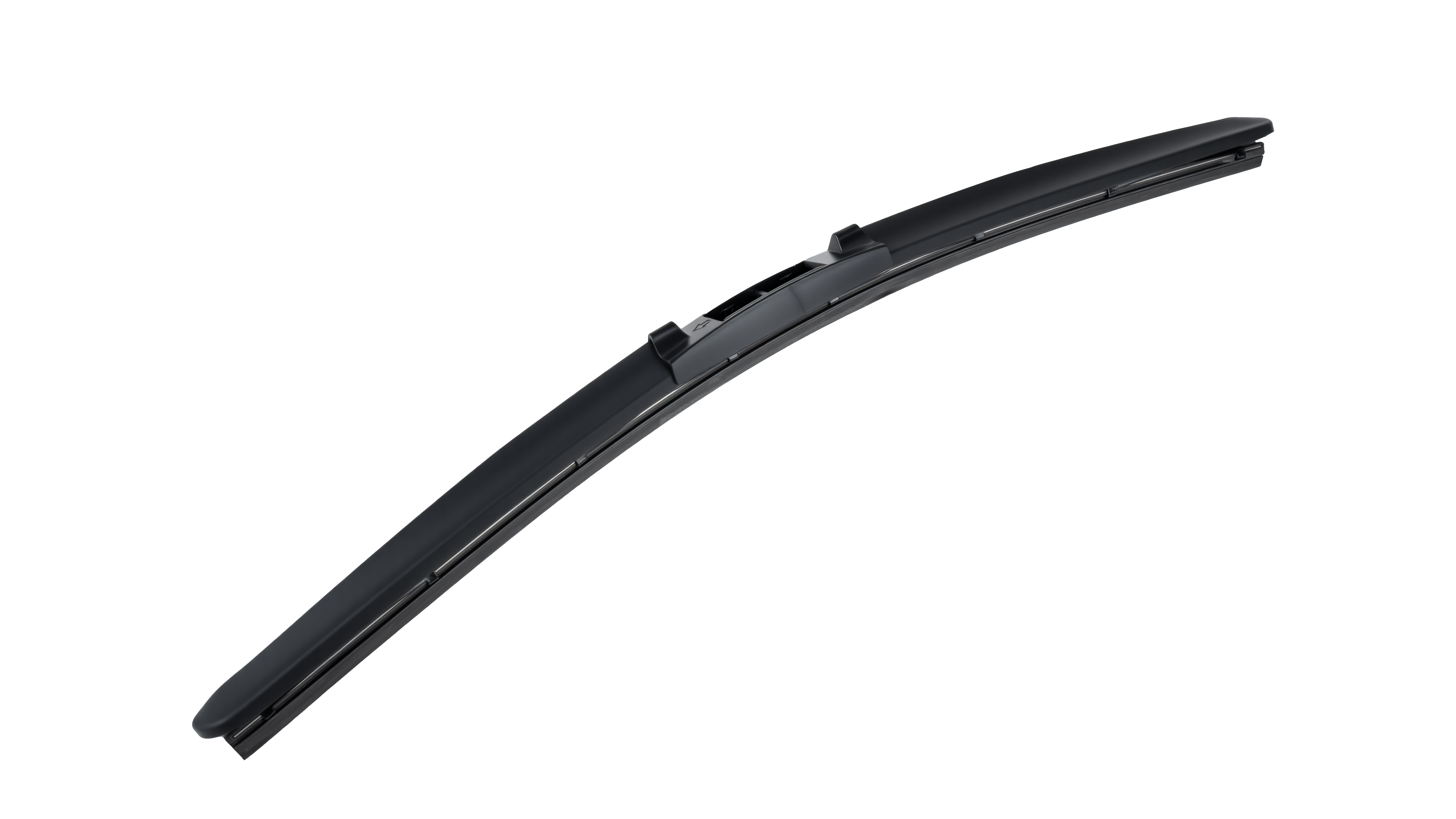
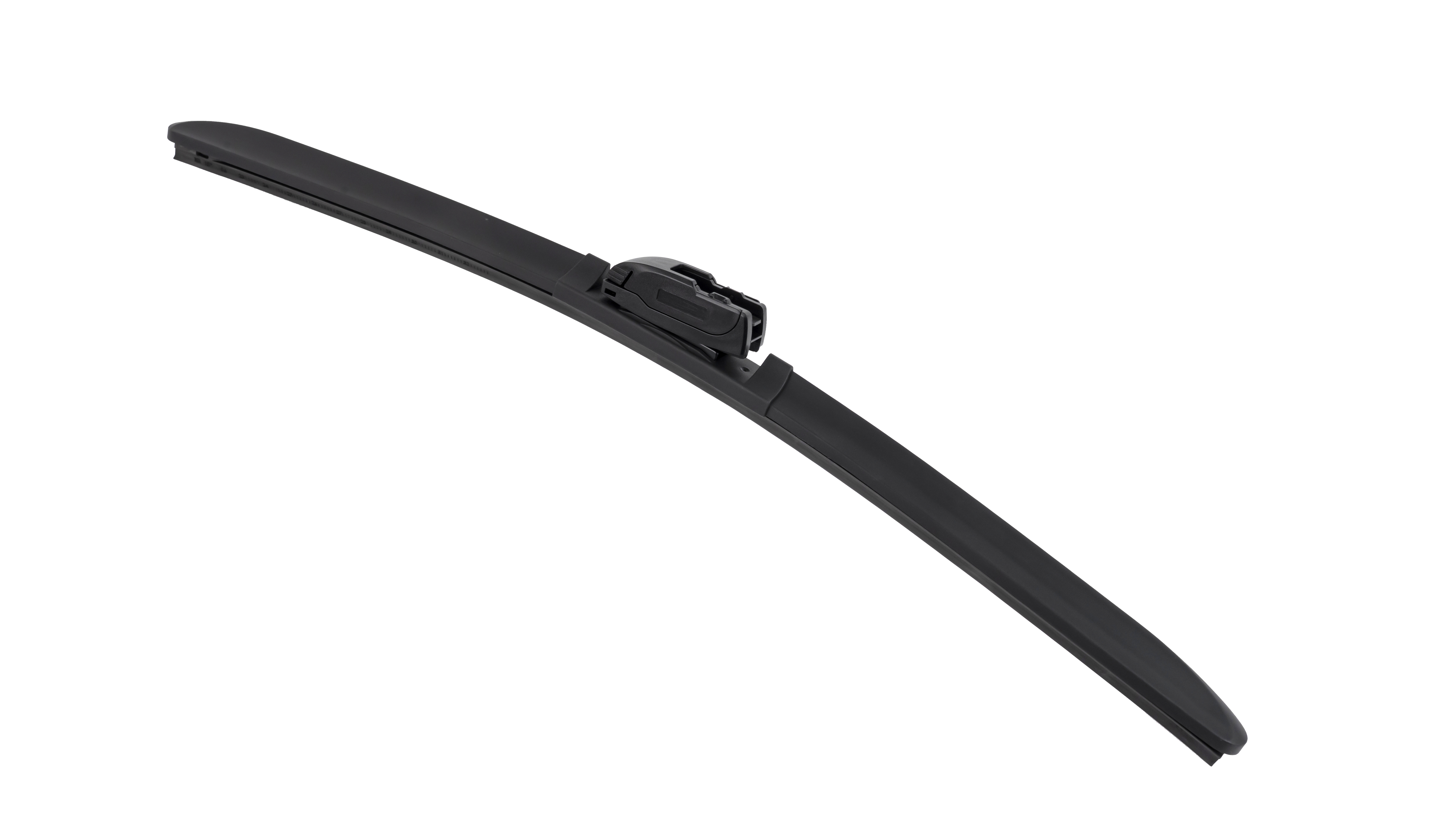
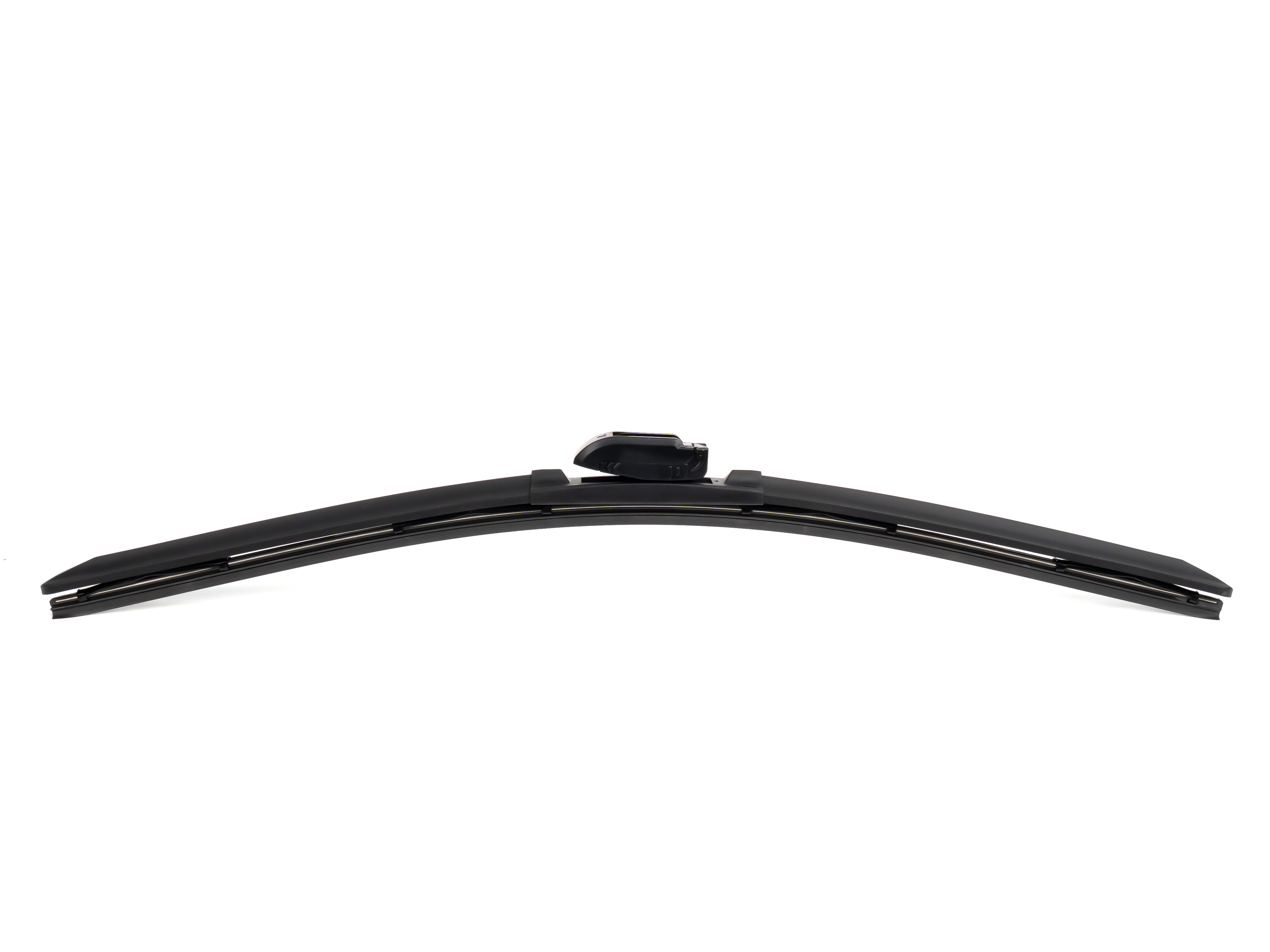
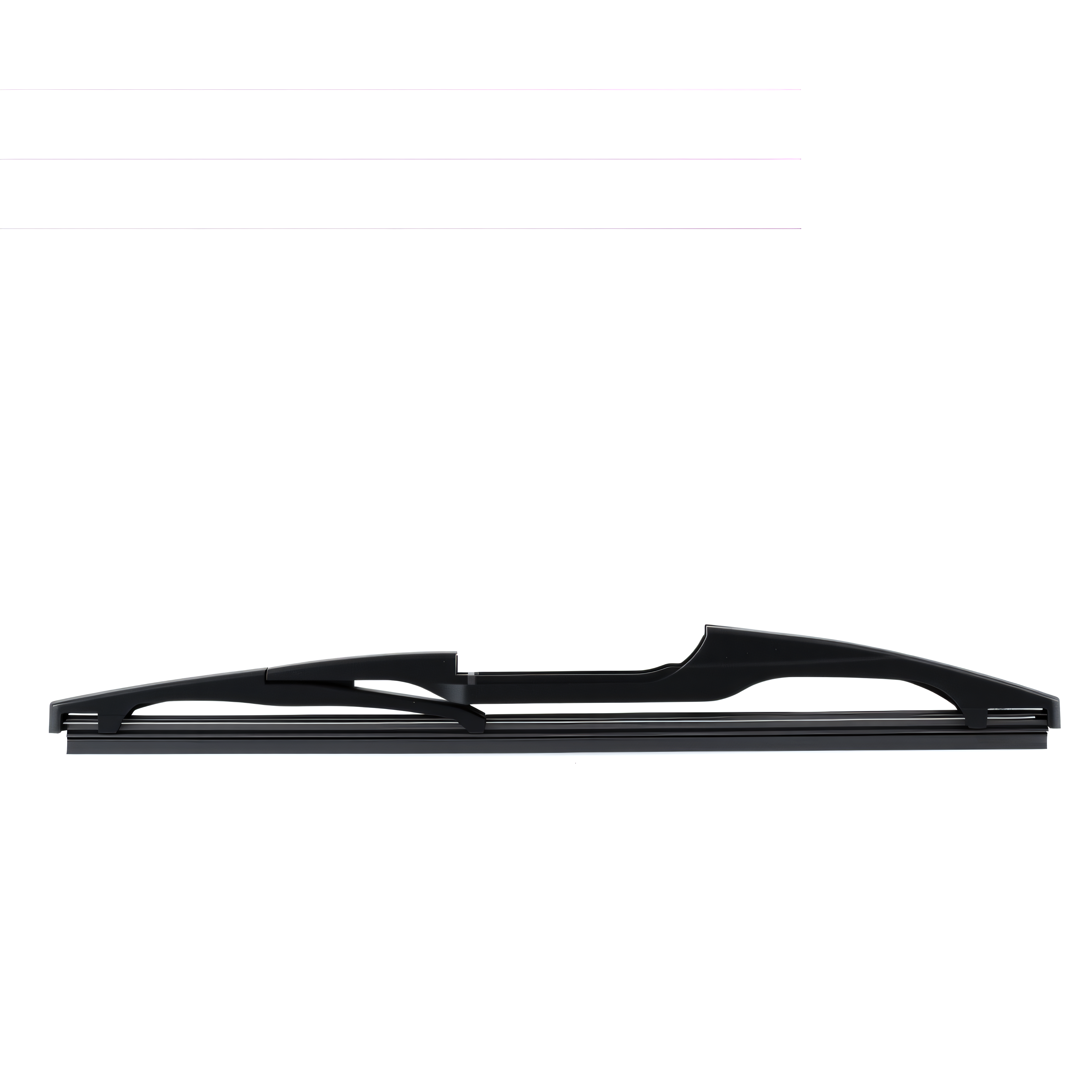
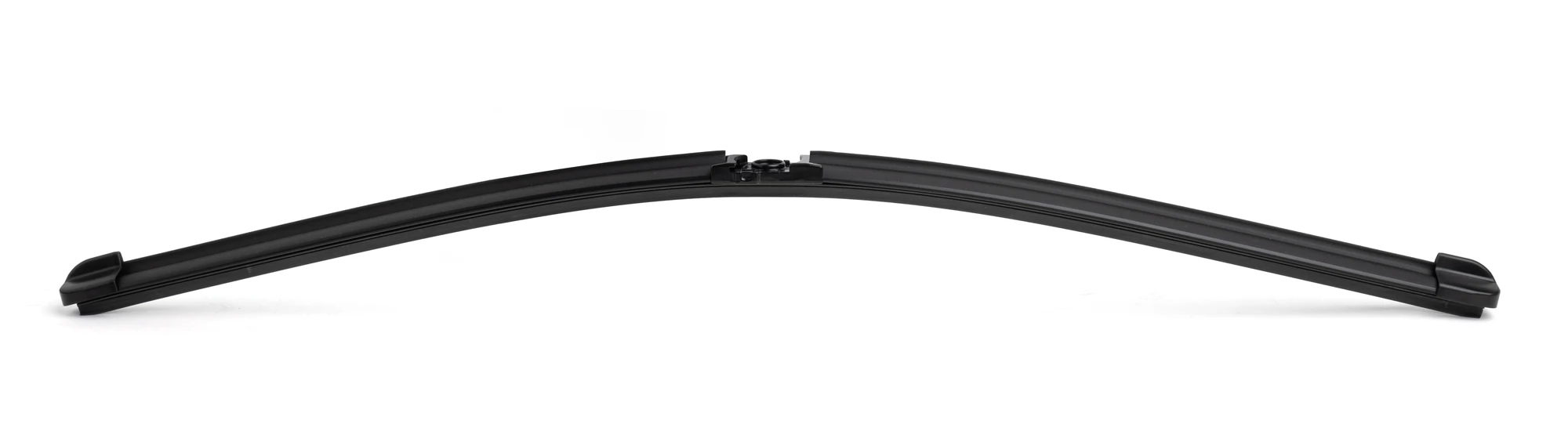
These catalogue component photographs identify product forms; they do not document an approved packaging configuration.
| Packaging point | Record explicitly |
|---|---|
| Counting unit | What one piece, set or pack contains |
| Model separation | How similar items remain distinguishable |
| Protection | Which edges, latches or projections need support |
| Labels | Model, quantity, unit and agreed reference fields |
| Reconciliation | How inner-pack totals match each carton |
How should a packing proposal be checked?
Review a representative packed arrangement against the agreed handling and transport needs. Check that parts can be removed and identified without losing their relationship to the item list. A packing photograph can show arrangement; it does not by itself prove transport performance.
Design the count from piece to carton
Start with the smallest ordered item. If a set contains a body and an adapter, define both and their quantities. Then state how many sets belong in a pack and how many packs belong in a carton. This makes the outer total traceable to the actual components.
For an illustrative arrangement of ten sets per pack and five packs per carton, one carton contains 50 defined sets. The calculation is straightforward, but it remains valid only if the set contents and pack counts are the agreed ones. A label saying “50 pieces” would describe a different unit and needs clarification.
Match the arrangement to how the customer takes parts out
A customer assembling one model repeatedly may prefer clearly separated same-model packs. A customer building complete sets may need the body and corresponding small parts to remain associated. These are different handling tasks, even when the overall shipment quantity is identical.
Protection also depends on the actual shape. Support should account for a long body, projecting connection features and loose small parts without concentrating load on unsuitable edges. A thicker material or larger carton is not automatically a better arrangement.
Evaluate a change as a complete packing proposal
Changing material, pack density or separation can affect protection, identification and unpacking. Compare proposals with the same product version and relevant handling conditions so the result can be interpreted. If several conditions change together, describe the outcome as a comparison of complete proposals rather than attributing it only to one material.
The resulting record should identify the proposed arrangement and remaining questions. It should not turn a photograph of intact packaging into a claim of validated transport performance.
What should receiving staff verify?
Compare carton count and labels with the packing list, then the actual contents and visible condition. Record discrepancies against the affected carton and item reference. Use the multi-model order guide to organize mixed requirements and contact QINAI with the proposed pack contents.