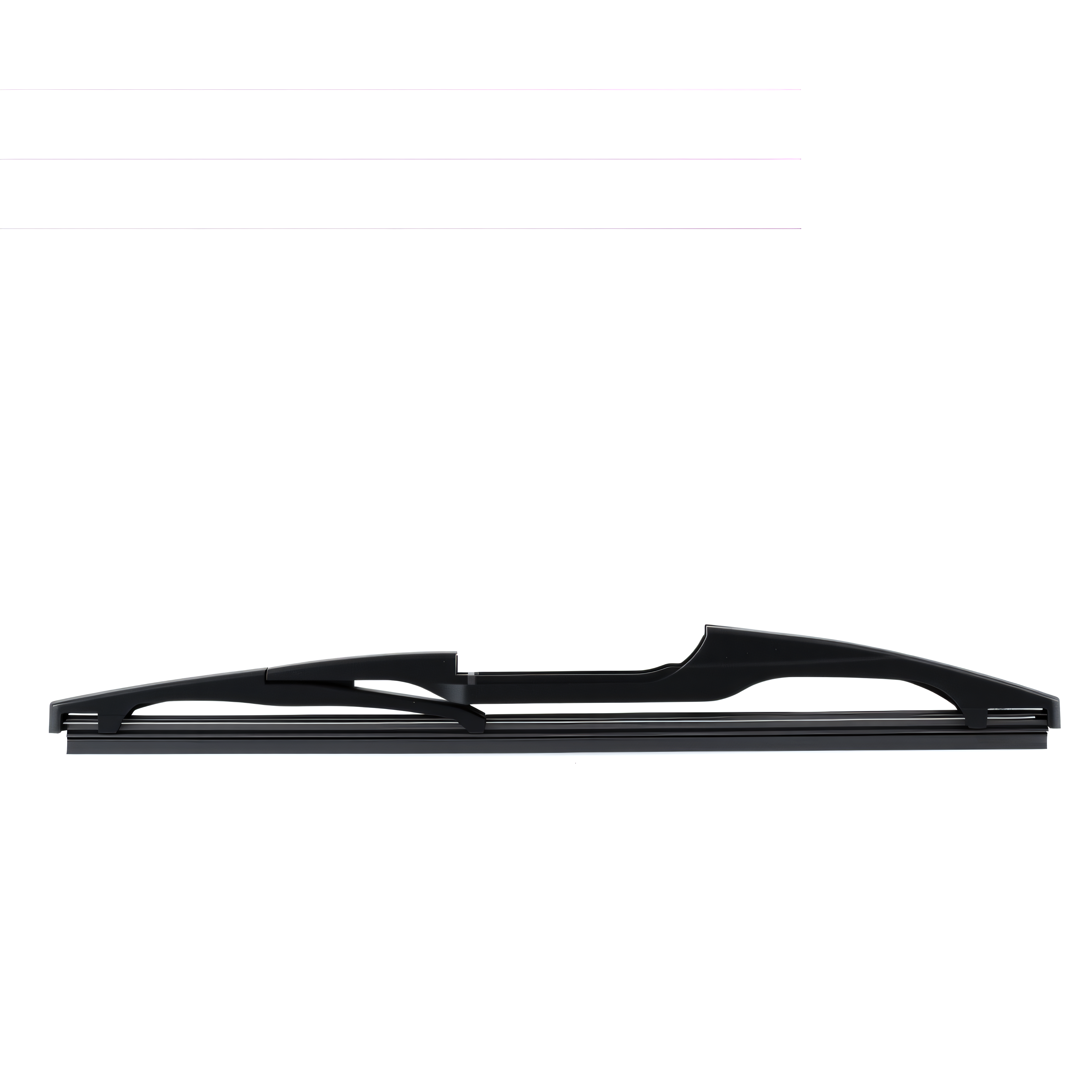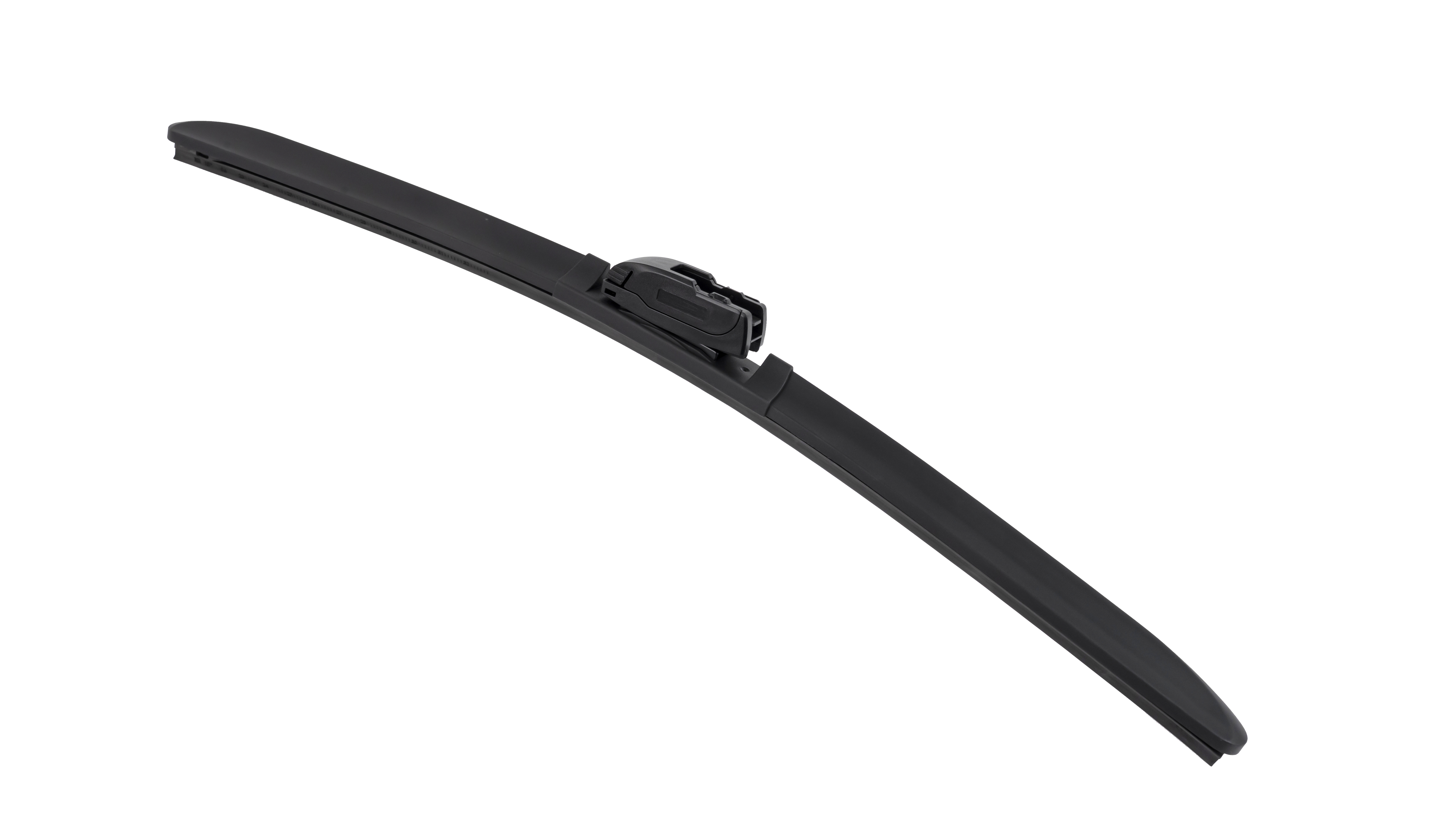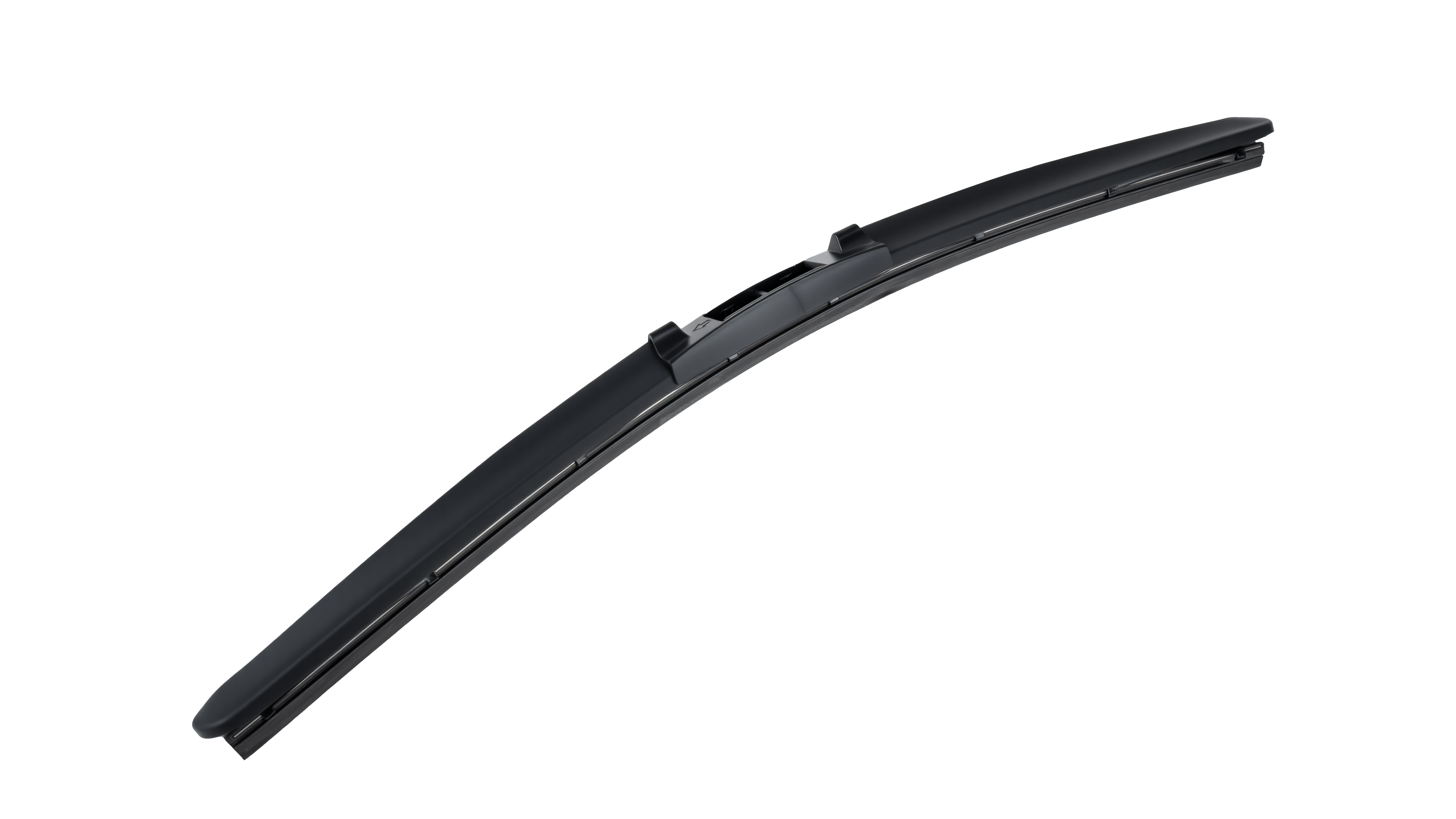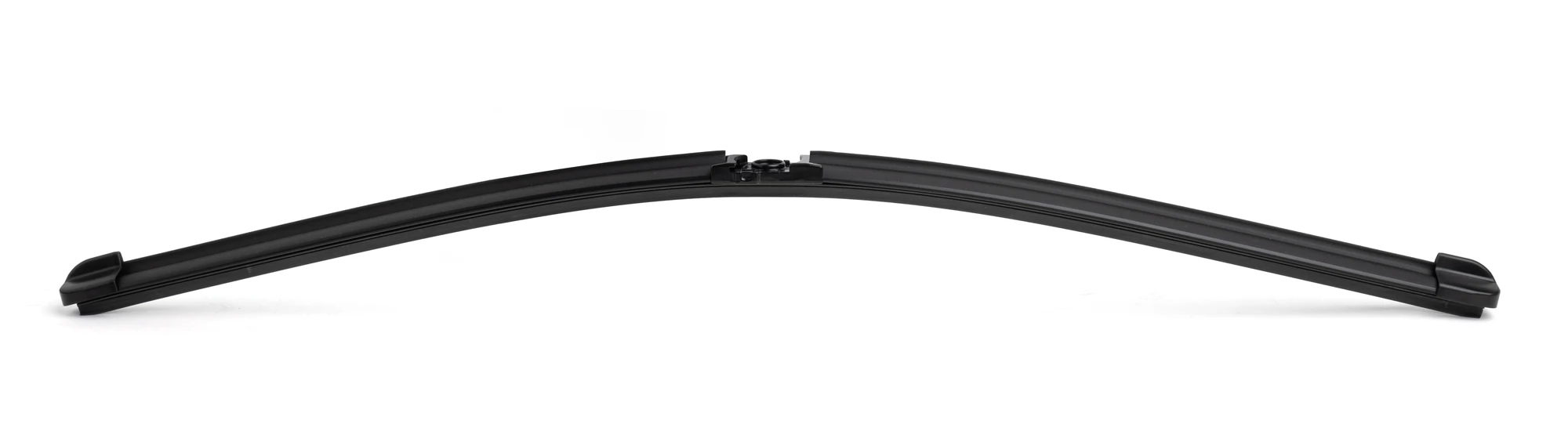
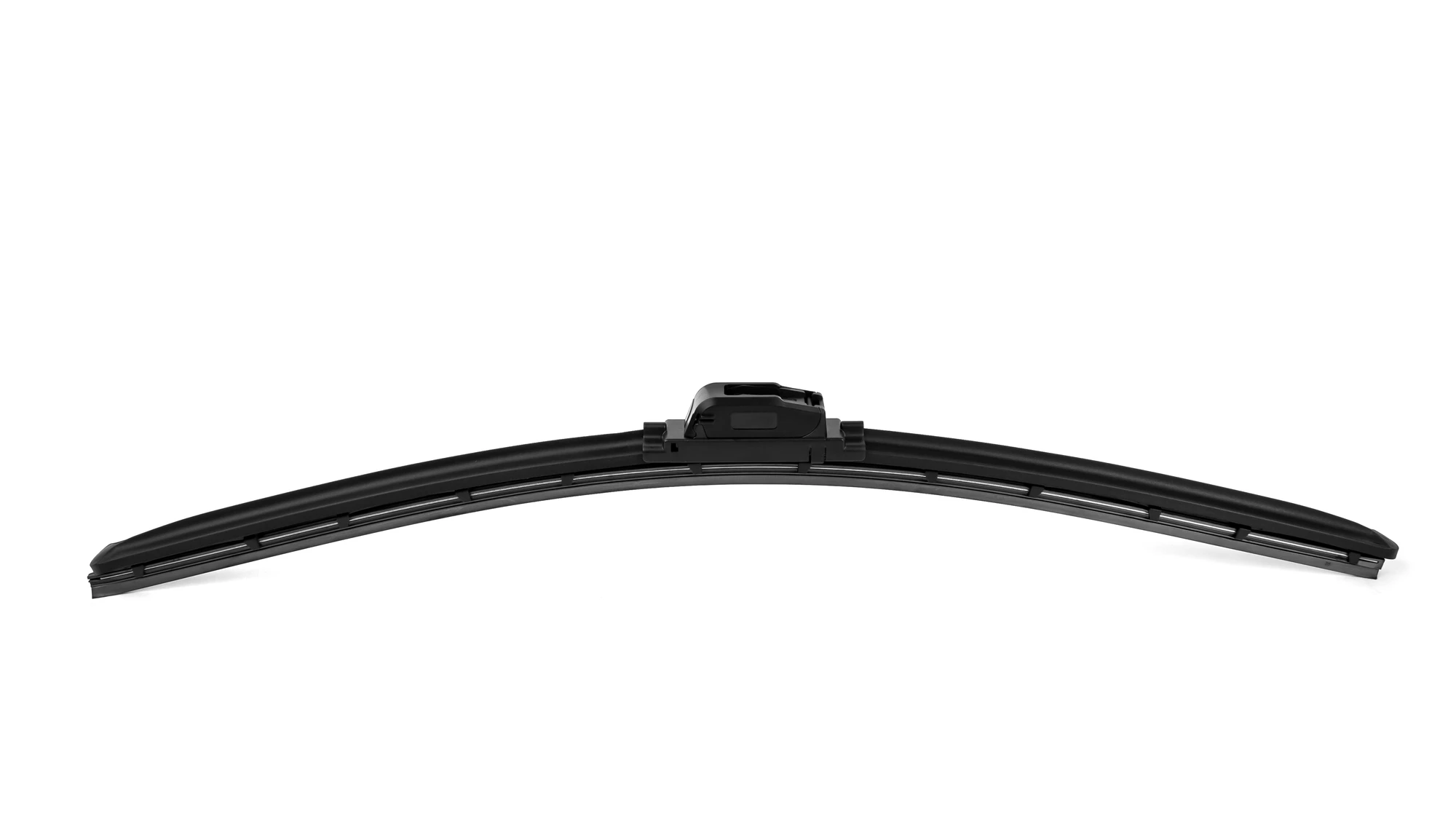
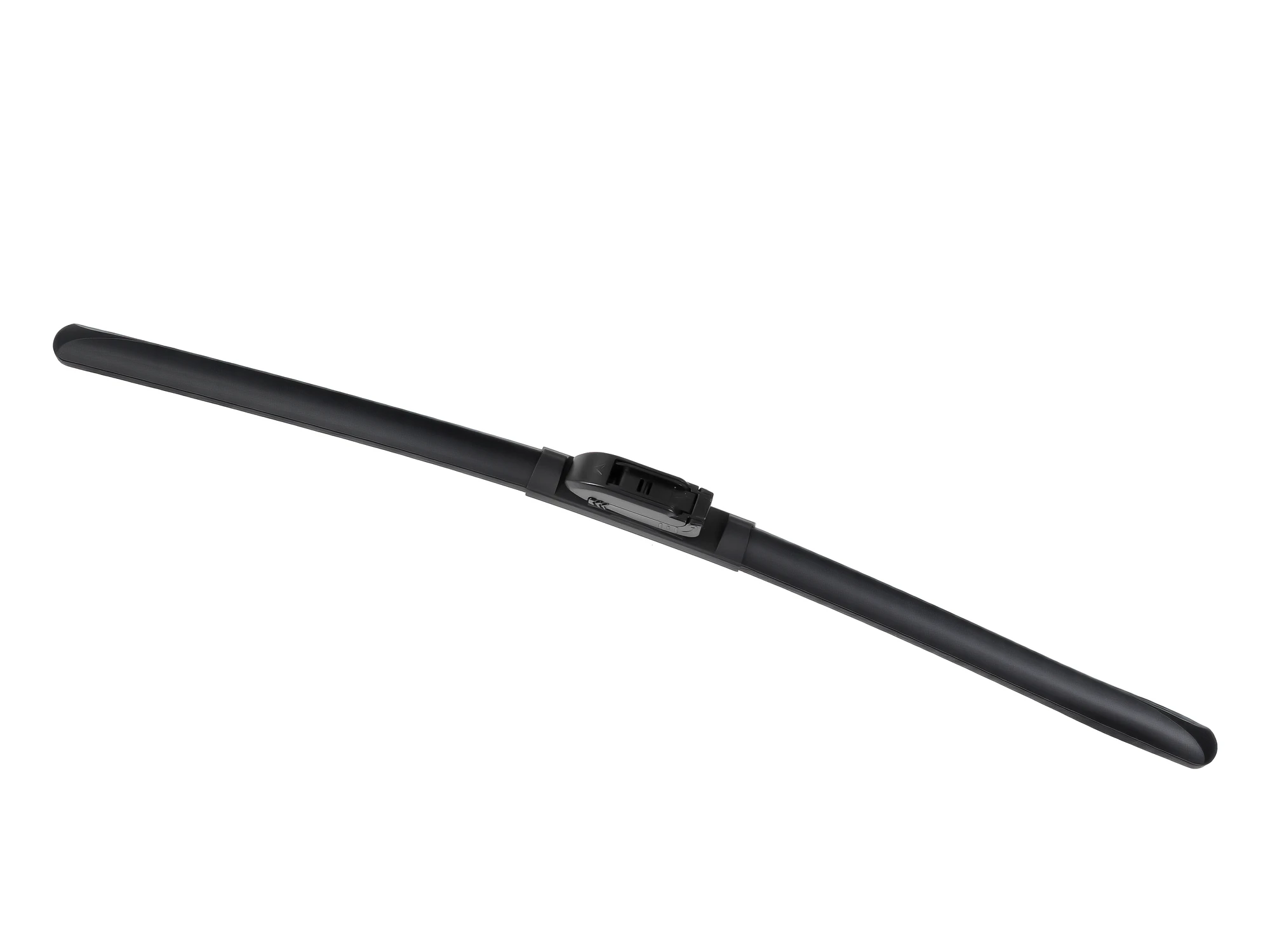
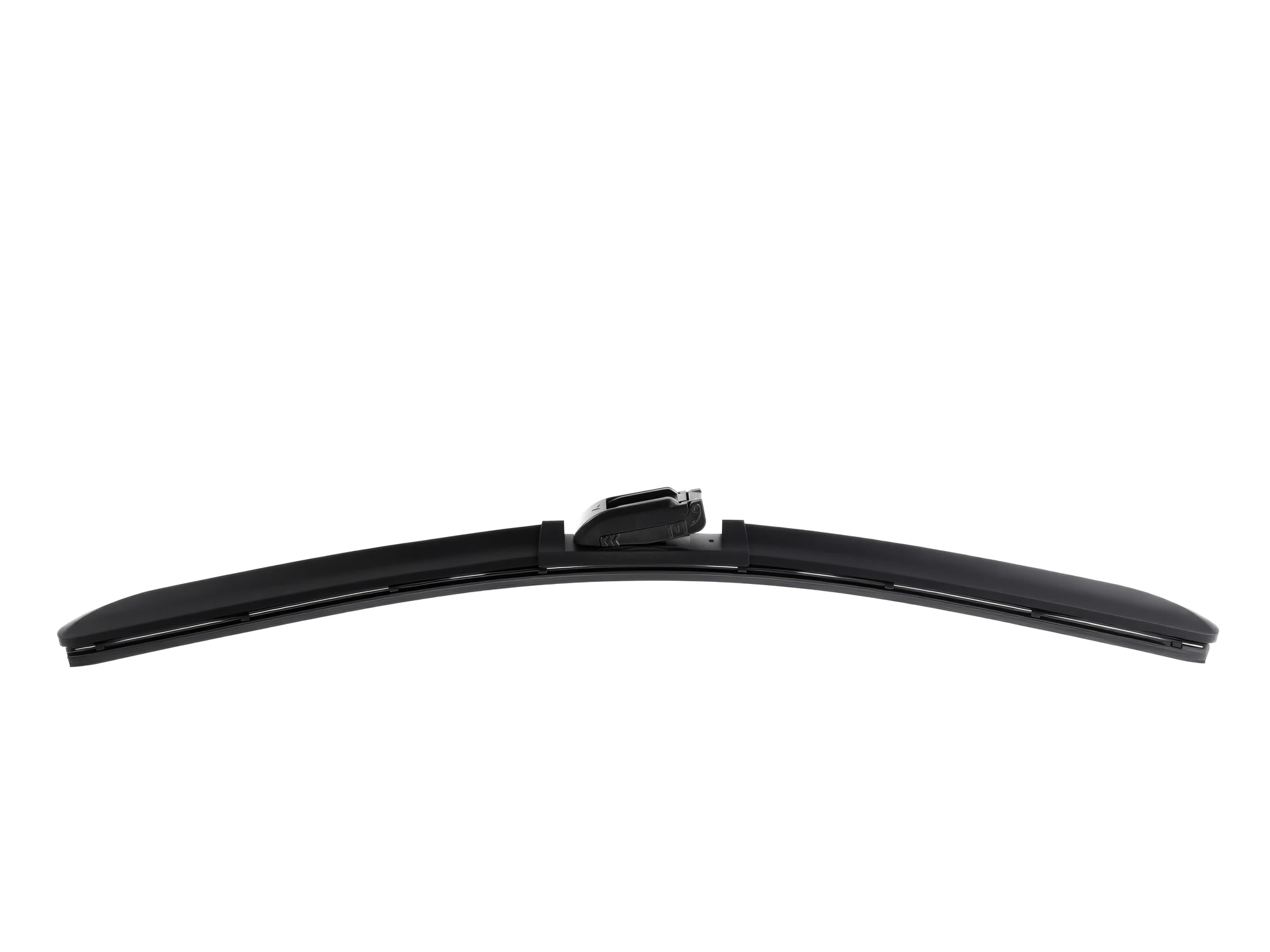
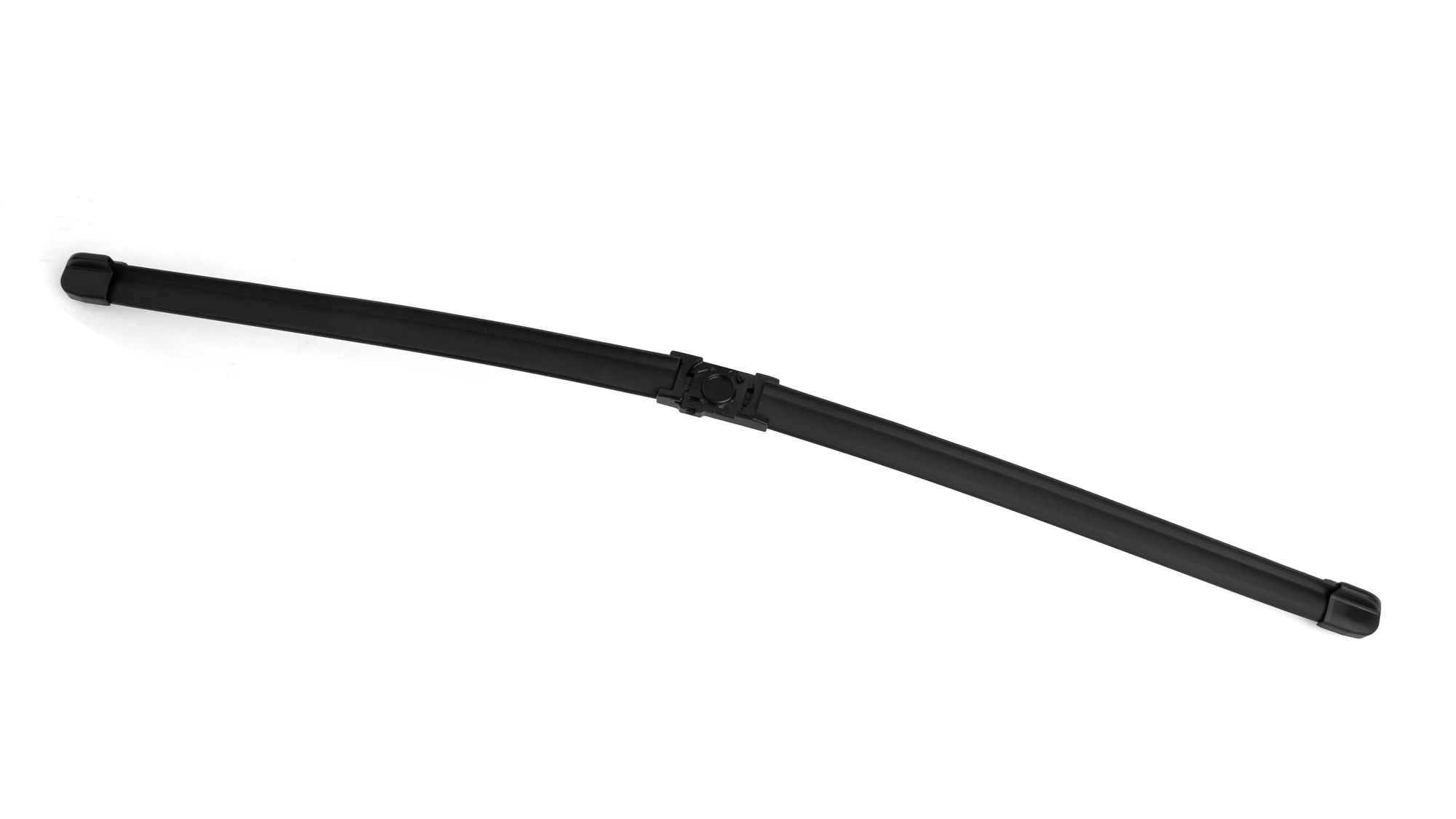
Record the connector clearly
Use a consistent orientation for front, rear and side photographs. Add close views of slots, openings and contact areas.

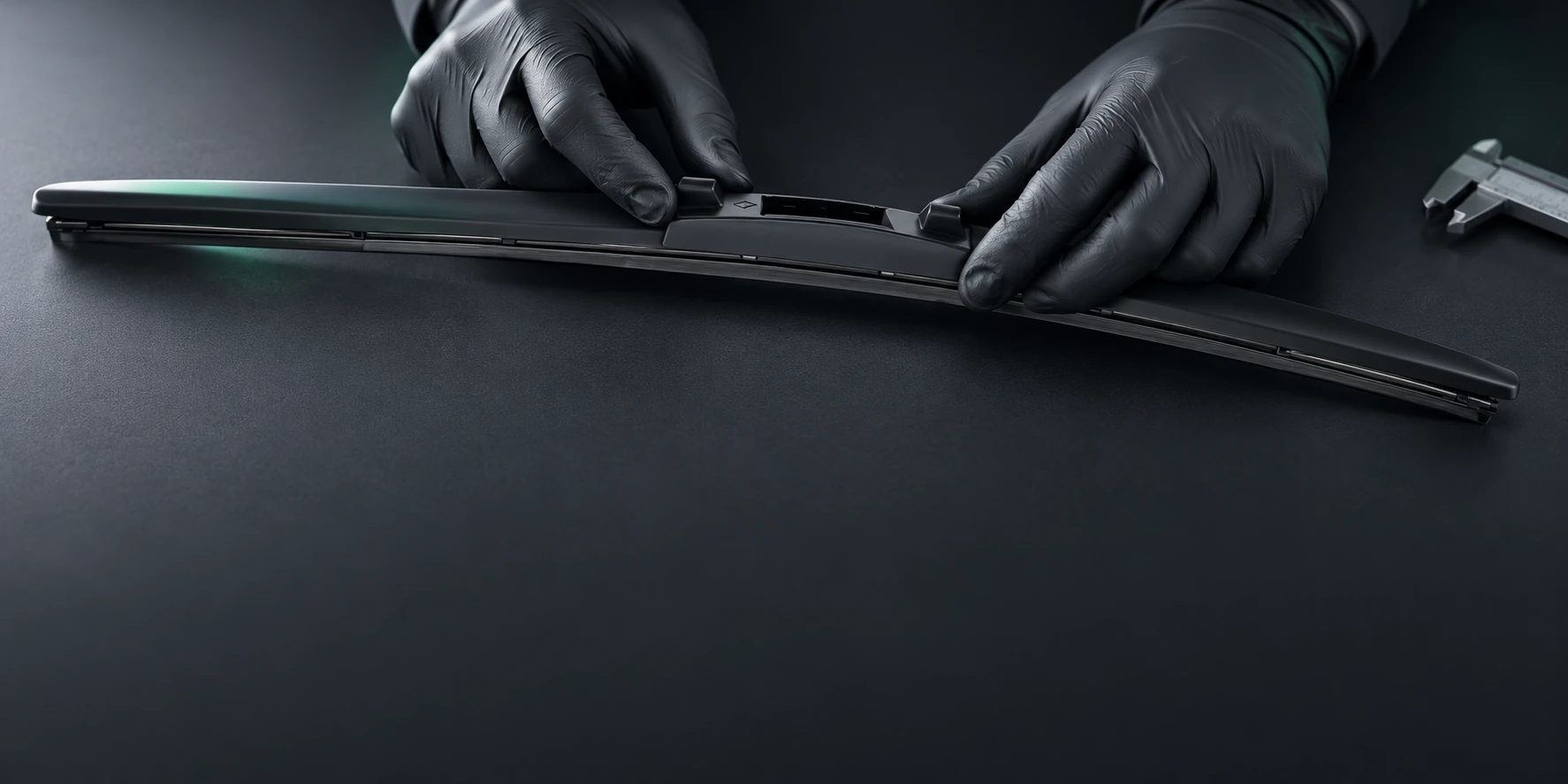
Connection and retention areas are important reference points when selecting wiper components. This group covers existing XZ, ZY and B models, focusing on connectors, clips and supports to help buyers prepare useful assembly information.
| Product scope | Existing catalogue models | Selection inputs | Photos and reference model |
|---|---|---|---|
| Connection needs | Review with mating part | Dimensions | Drawings or samples |
| Sample records | Identify approved revision | Purchasing list | Itemize model quantities |
| Packaging | Discuss specific needs | Delivery | Mutually confirmed order |
Include the body, connector and mating part in the review. For similar-looking components, identify the contact points and differences needed for a meaningful selection discussion.
Use a consistent orientation for front, rear and side photographs. Add close views of slots, openings and contact areas.
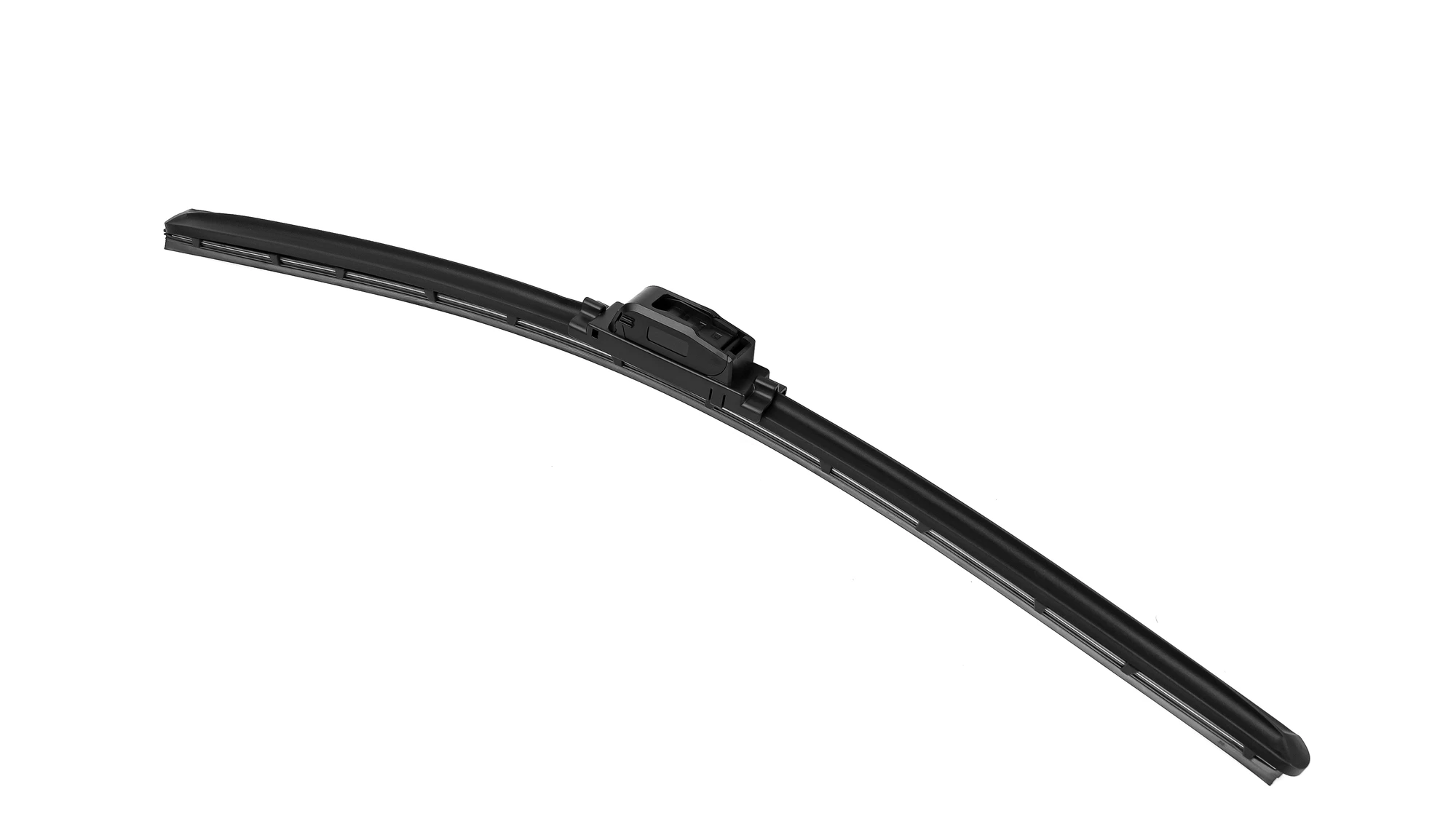
Record the retention feature in its natural state and assembly position. Review it with the mating component or an agreed sample rather than promising fit from one photograph.
A close-up can reveal detail but may omit its position on the body. Add an overall view and the mating component information before concluding that the connection matches.
Mark its position and show its natural state. If the enquiry concerns an assembled connection, also provide the mating part or a sample so the required relationship can be reviewed.
Label them as reference measurements and show the measurement points and units. Confirm the final requirement through an agreed drawing or sample before treating the values as an order specification.
No. Check the complete connector and body, not just one feature. Use the exact reference model and review any differences with photographs, dimensions or a sample.
Wiper components can look similar from a distance while differing at the connector or retaining features. A useful selection discussion identifies those areas before moving to a quotation.
Avoid treating a catalogue photograph as a dimensional drawing. When dimensions matter, mark the measurement points and link them to a model or sample reference.
Use this list to organize photographs and questions:
| Area | What to record | Review method |
|---|---|---|
| Overall body | Profile and orientation | Full product photograph |
| Connector opening | Shape and position | Front and rear views |
| Retention feature | Natural and assembled state | Close photograph or sample |
| Mating surface | Contact position | Review with mating part |
| Supporting area | Visible support shape | Side-view comparison |
| Reference identity | Model and sample number | Link to approval record |
These are observation points, not claims about the material, dimensions or performance of a particular model. Use the agreed drawing or sample to define the actual requirement.
A connector is reviewed in relation to another component. Describe what it should connect to and provide an overall assembly view when possible.
If only a loose part is available, identify the missing assembly information explicitly in the enquiry so the next review step can be planned.
Use consistent orientation, adequate lighting and unobstructed views. Include a close view of the area in question and a wider view showing its position on the body.
For XZ, ZY and B model enquiries, a clear sample reference helps connect these views to the intended item. Do not rename a model simply because another part looks similar.
Ask for another review when the available information does not answer the assembly question:
The aim is a clear shared reference: which component is being discussed, where it connects and which requirements the parties have agreed.