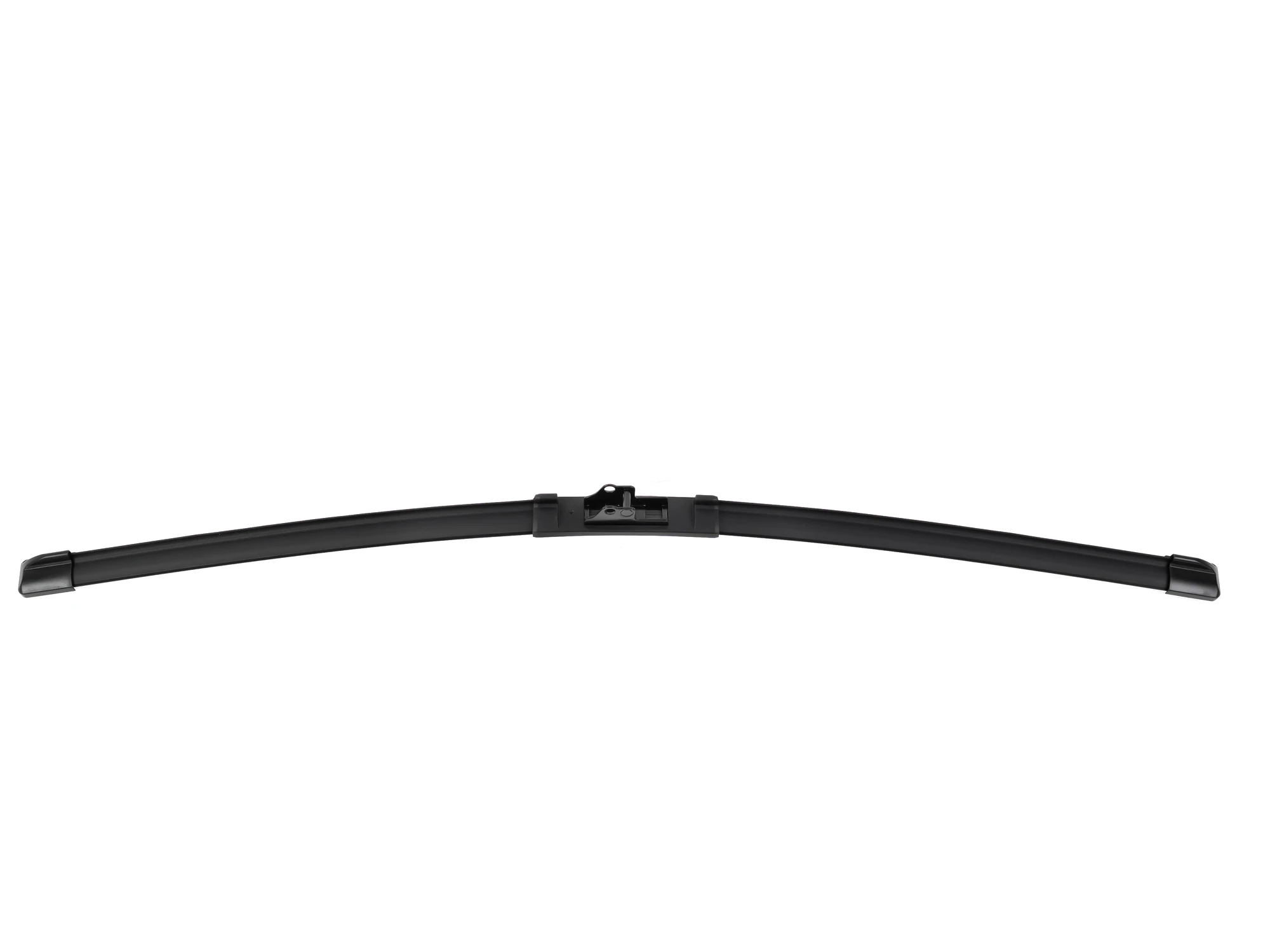
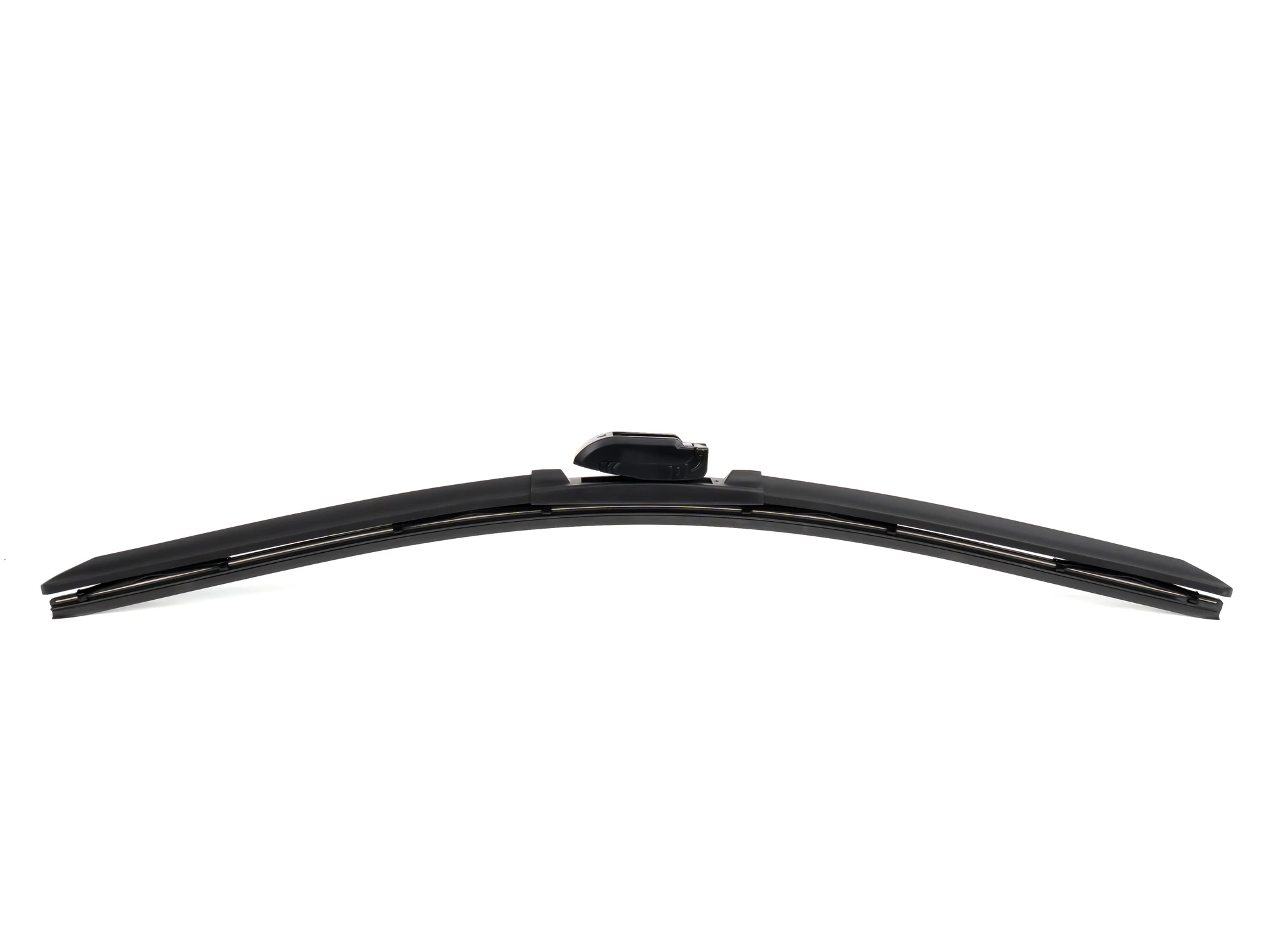
Agree the reference first
Begin with a clear model, drawing revision or sample reference. Record different requirements separately, even when they refer to the same model.

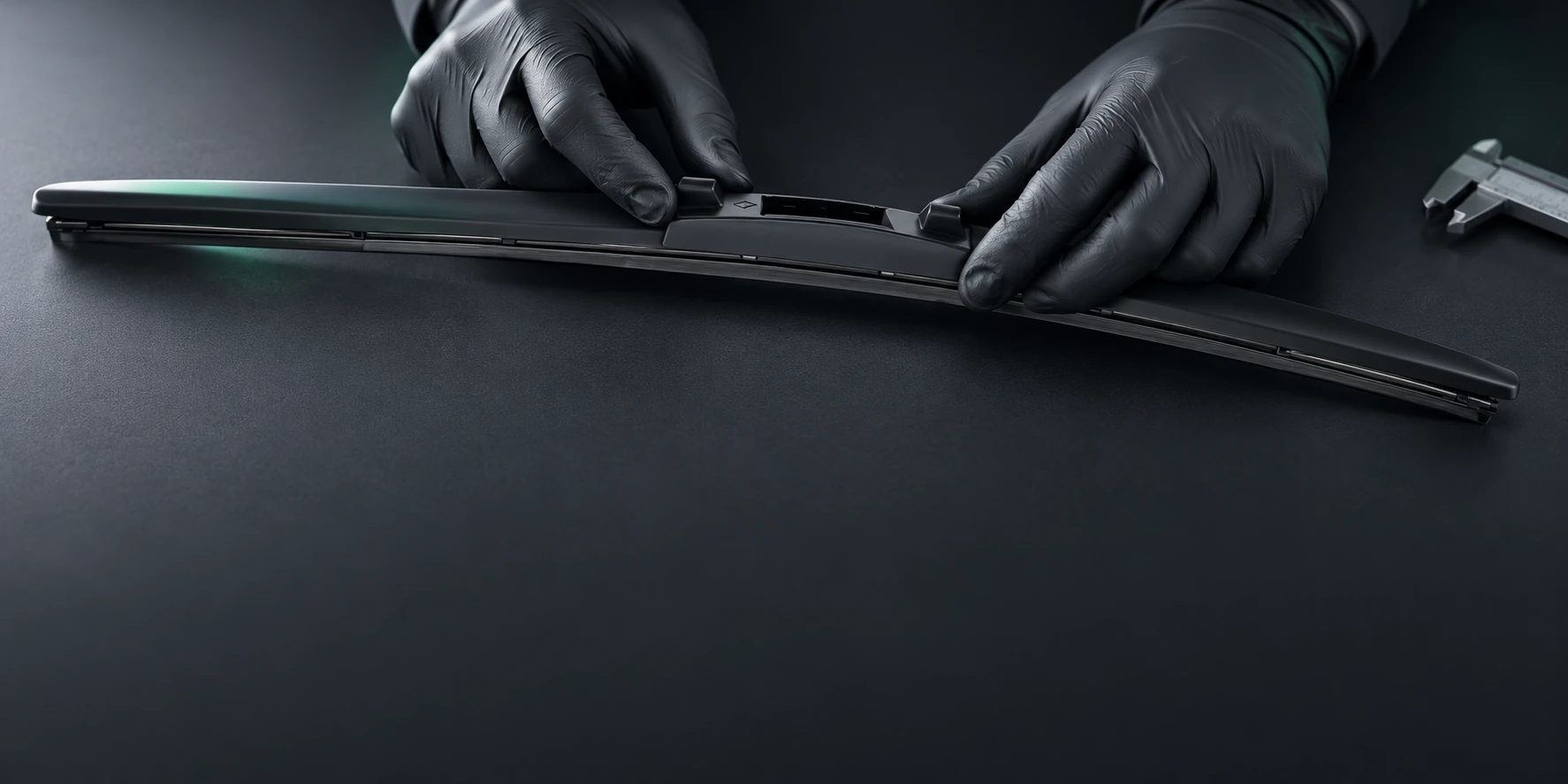
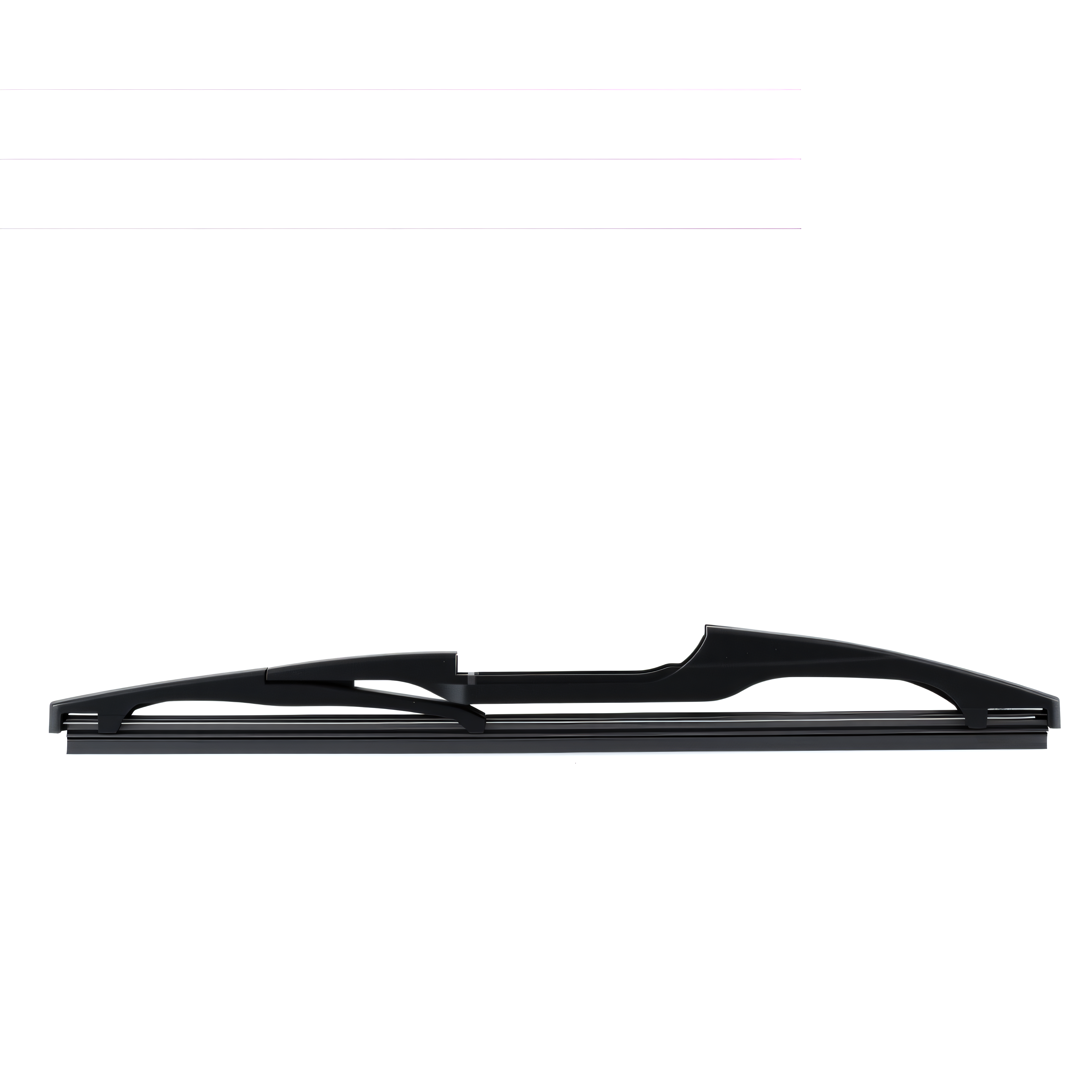
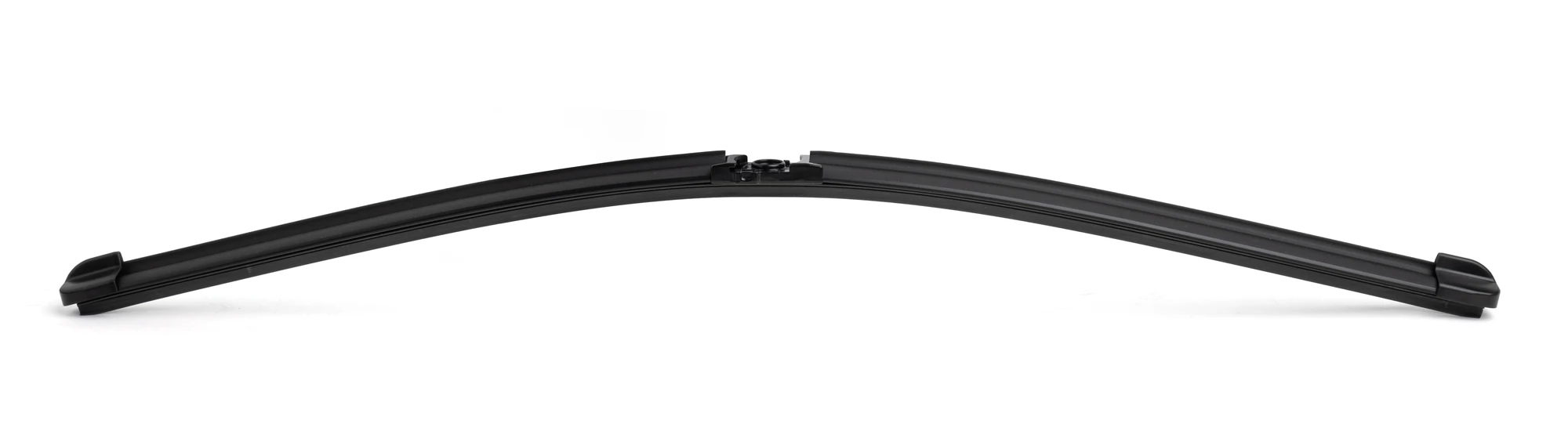
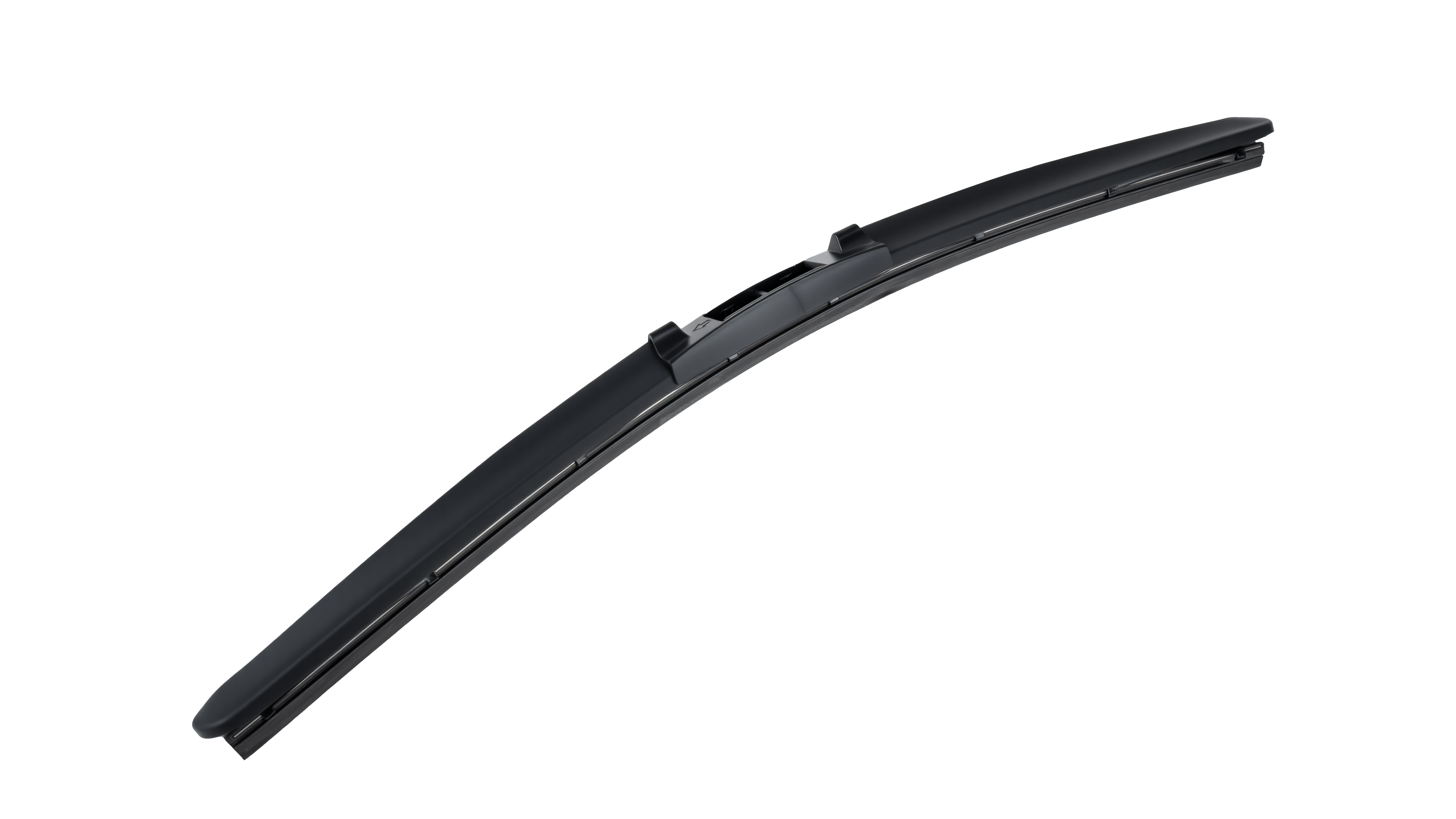
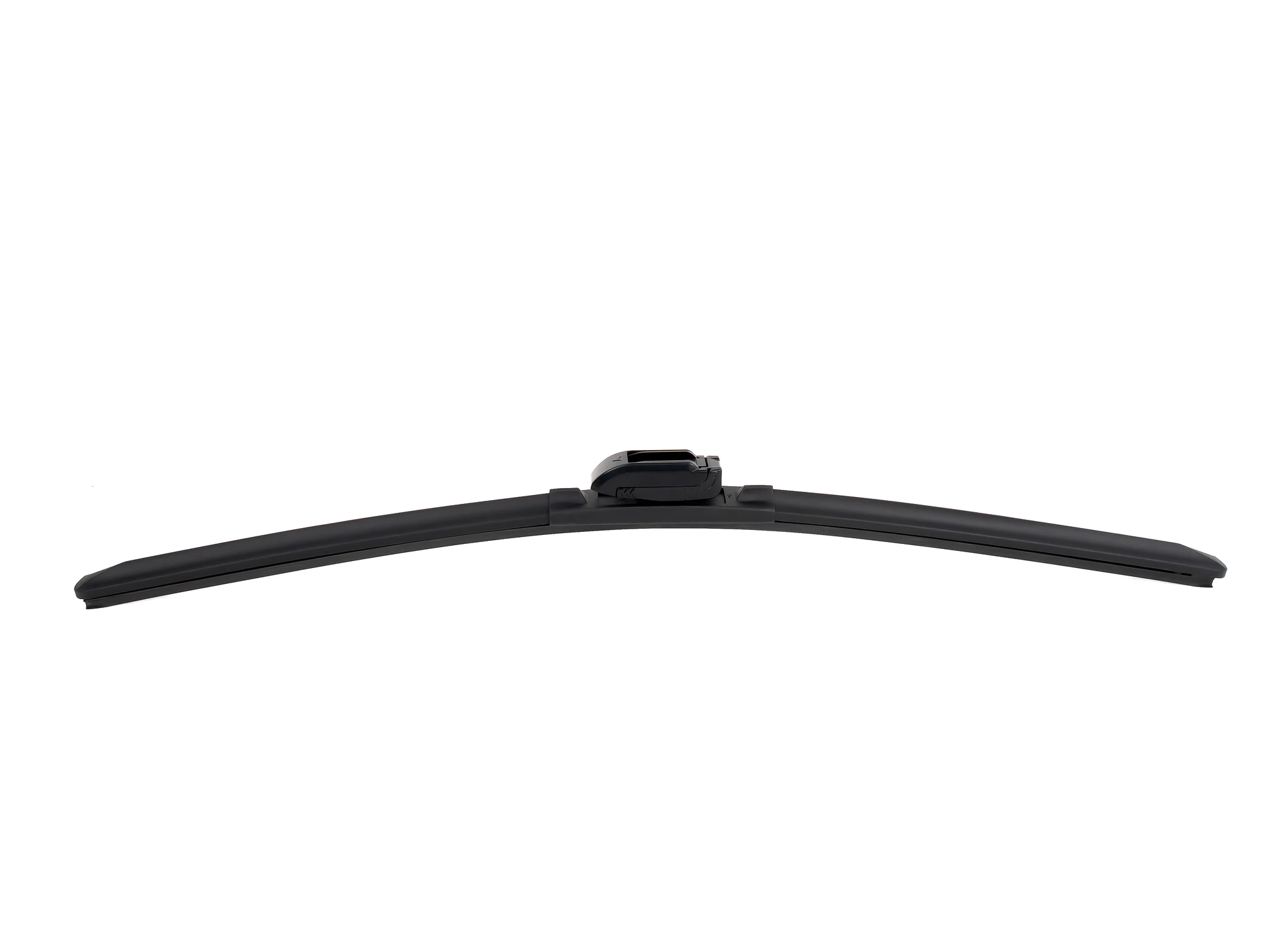
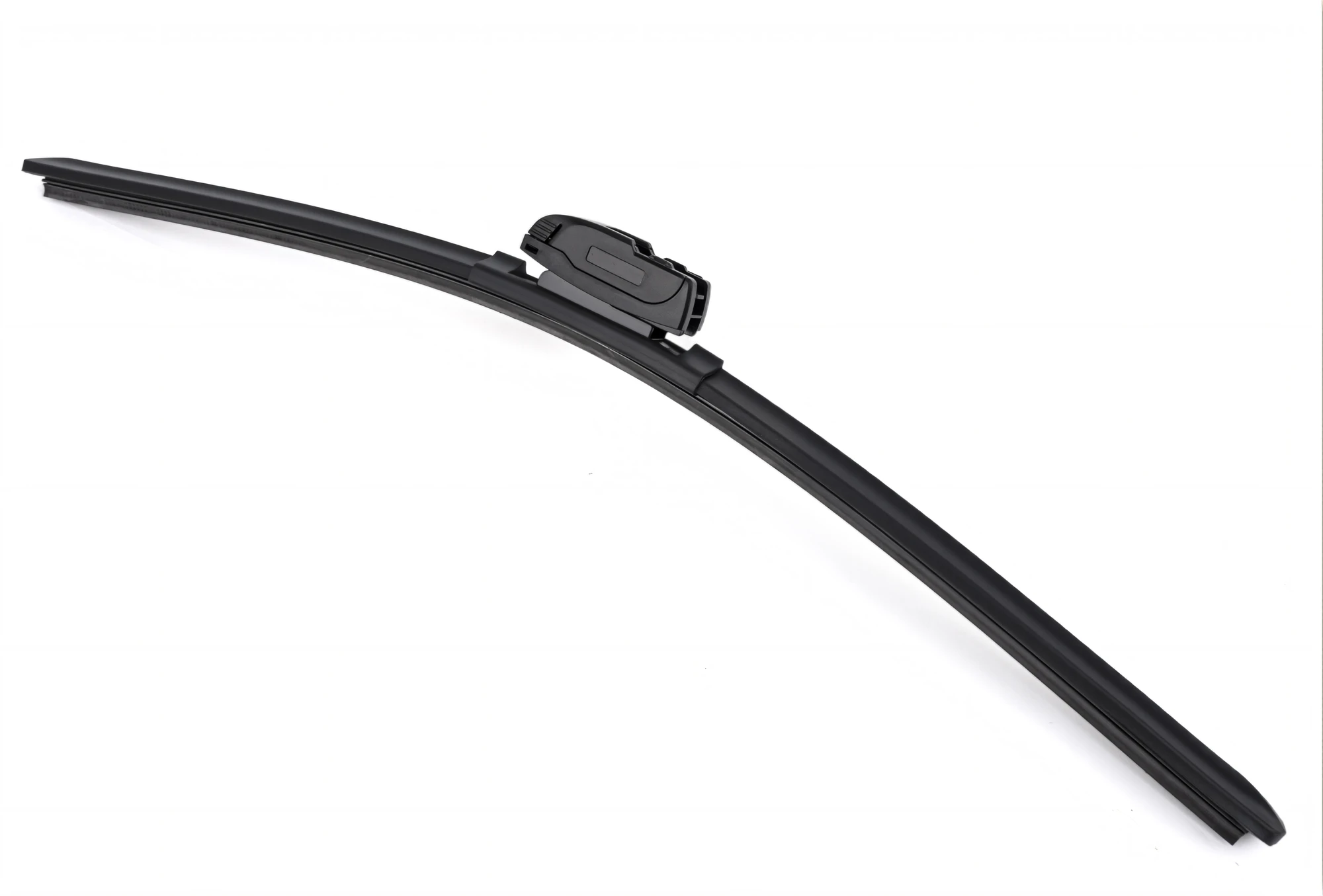
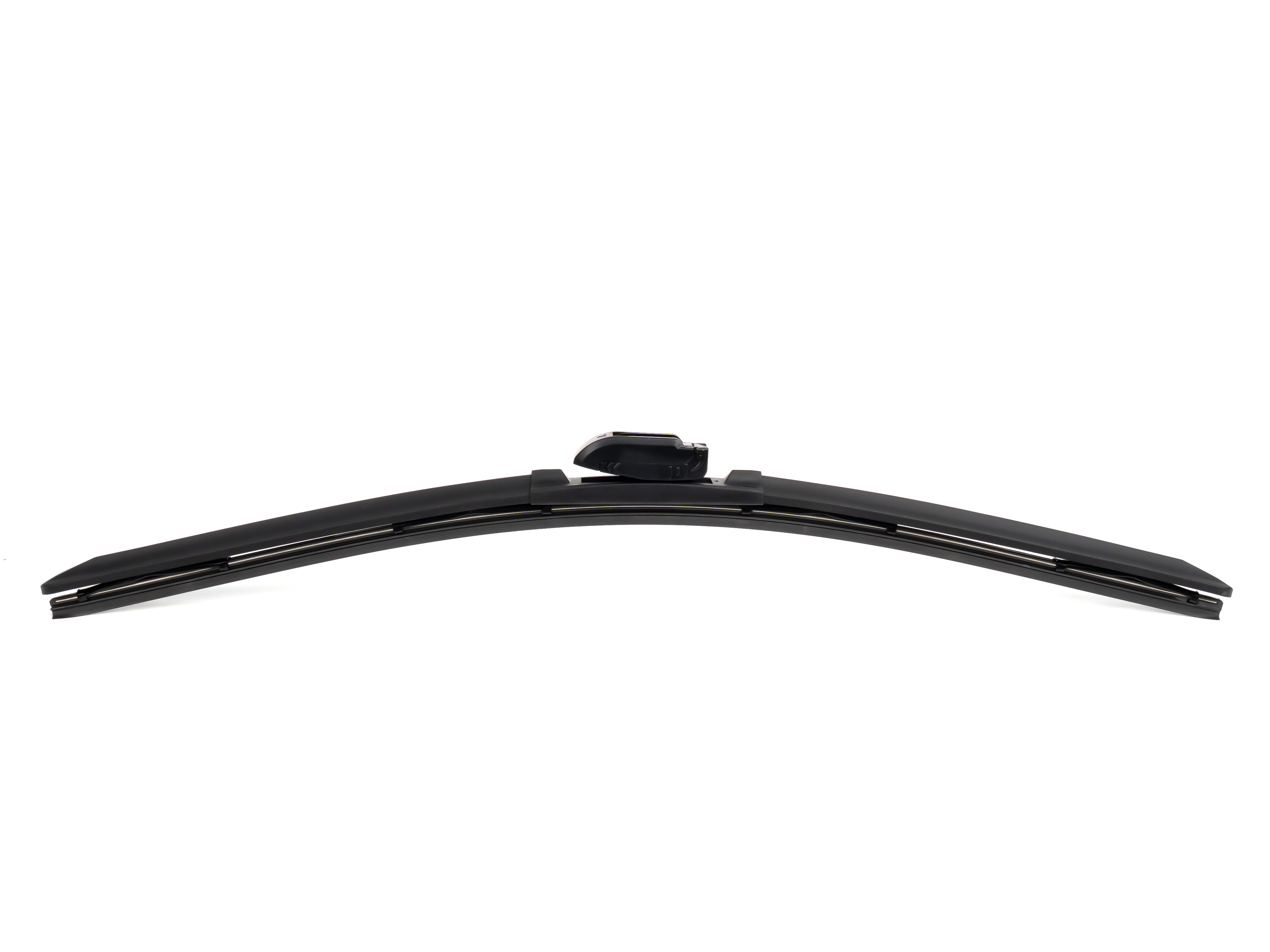
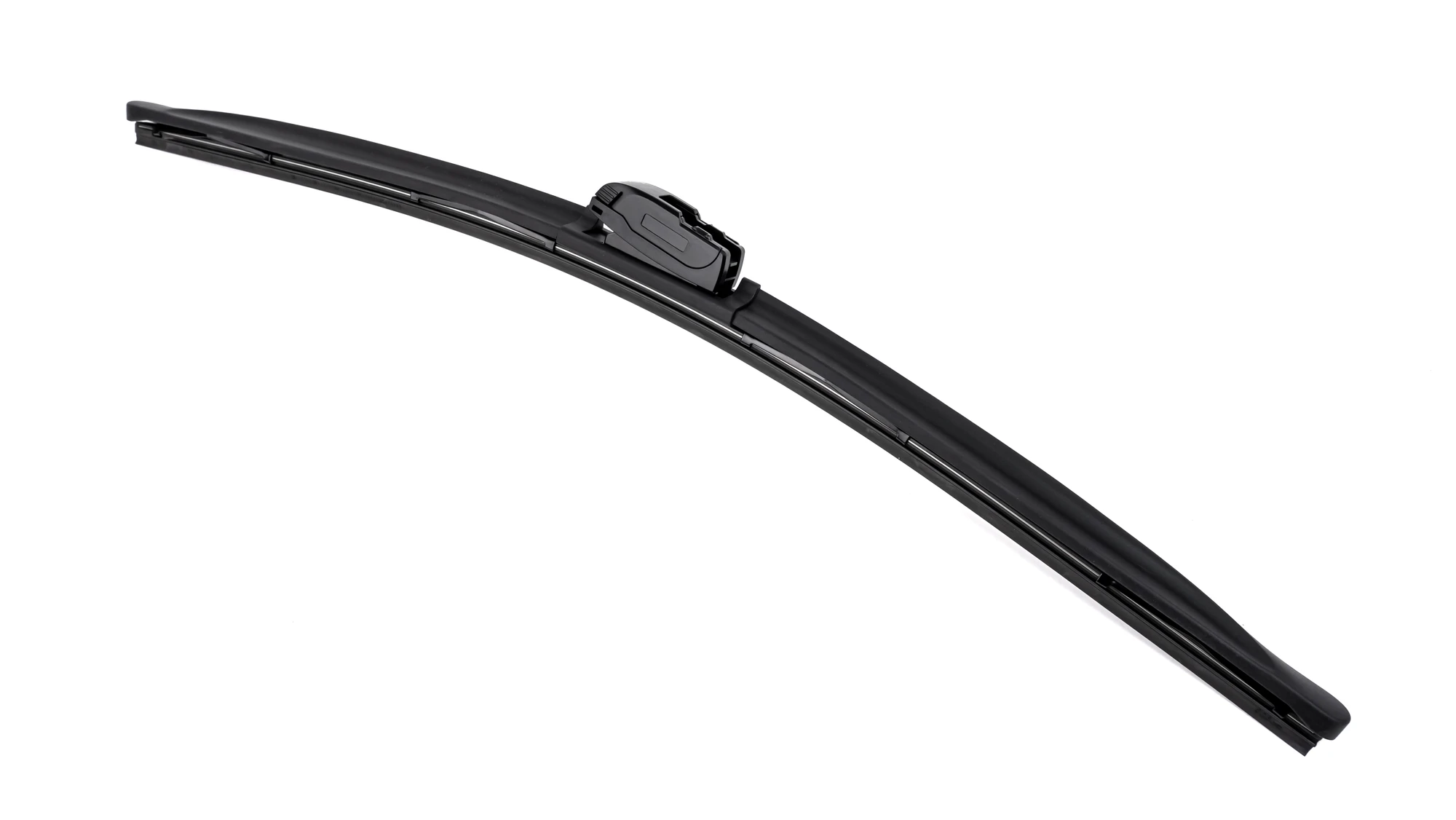
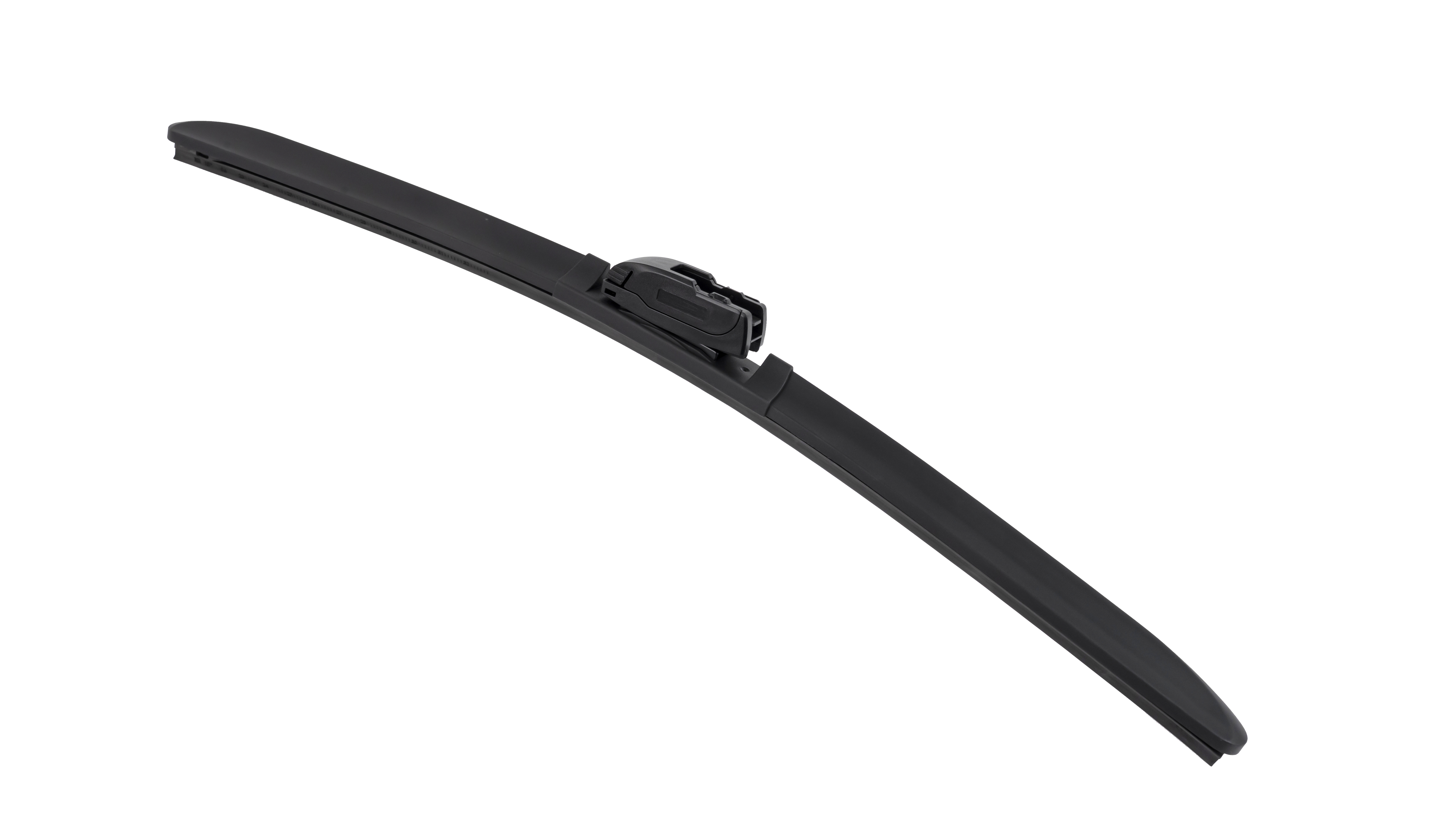
Assembly review combines appearance, connection details and purchasing scope. These topics use real B and Q models to cover side-view identification, interface comparison, specifications and selection records.
| Product scope | Existing catalogue models | Selection inputs | Photos and reference model |
|---|---|---|---|
| Connection needs | Review with mating part | Dimensions | Drawings or samples |
| Sample records | Identify approved revision | Purchasing list | Itemize model quantities |
| Packaging | Discuss specific needs | Delivery | Mutually confirmed order |
Models, photographs, dimensions and order descriptions should refer to the same requirement. If changes follow sample approval, review the affected assembly and packaging items before reusing earlier records.
Begin with a clear model, drawing revision or sample reference. Record different requirements separately, even when they refer to the same model.
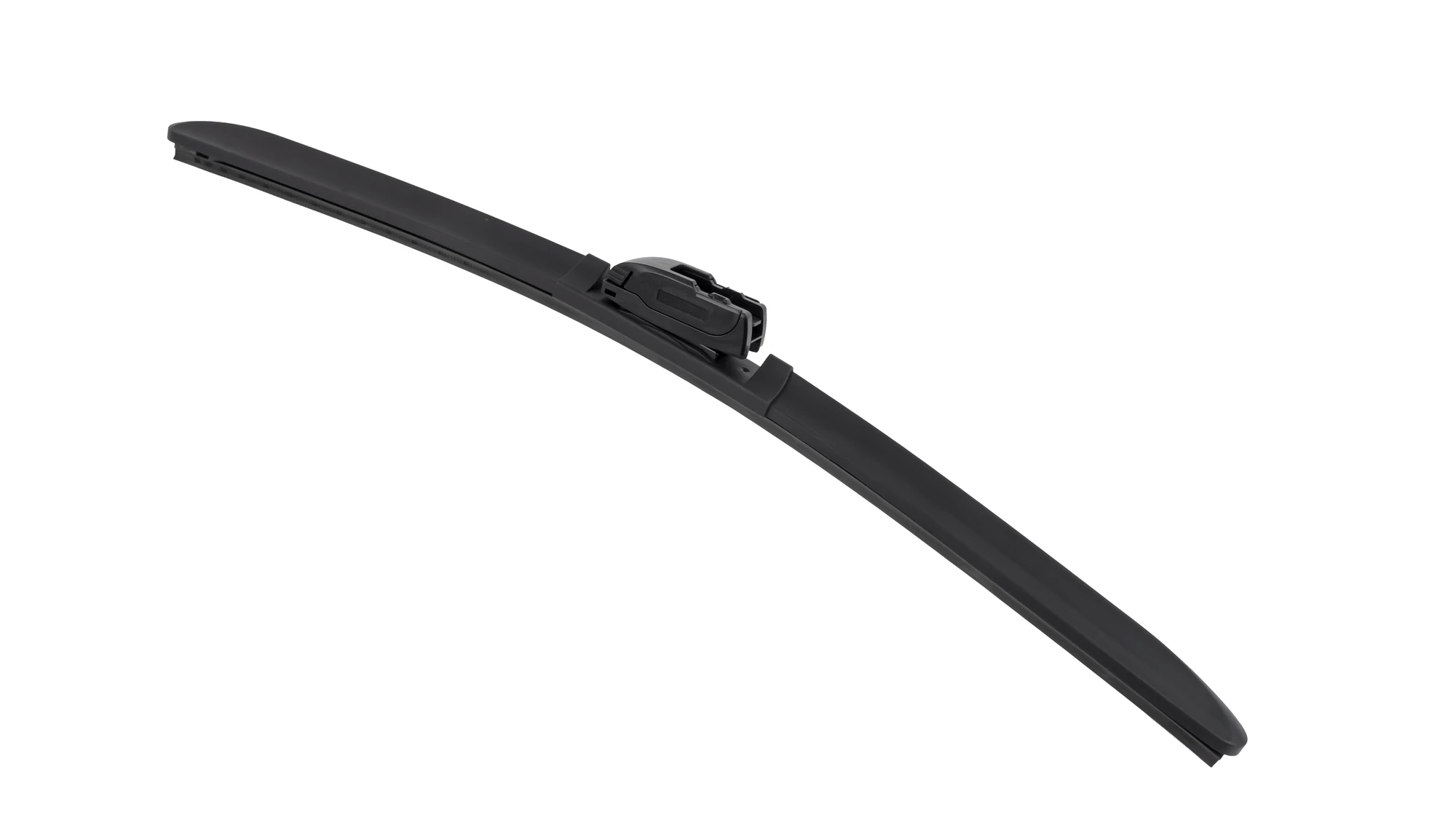
List the body, connectors and other required parts, distinguishing single components from sets. Confirm packaging and labels alongside the item list.
Use one line per model and separate its photographs, dimensions, quantity and questions. This prevents a sample approval or packaging instruction for one item from being applied to another.
When connection fit is relevant, describe the mating part and provide a view, drawing or sample. The loose wiper component alone may not show every requirement of the intended assembly.
Identify the product and sample revision, the mating part, the features reviewed and the agreed result. Record any points that require a further drawing, measurement or sample discussion.
List the changed requirements and review their effect on the product, included parts and packaging. Confirm an updated reference before using it for quotation or supply.
Refer to the approved model, sample or drawing revision and itemize quantities and units. Include agreed packaging and delivery requirements so the order reflects the same selection record.
Identification means deciding which catalogue item a photograph may represent. Approval means confirming that the specific product meets agreed requirements. These are related stages, but they are not interchangeable.
For B and Q model enquiries, keep the reference model visible throughout the discussion. Add connector details, dimensions or a sample when the intended assembly requires closer review.
The following comparison helps organize what is known at each stage without turning an initial visual match into an unsupported fitment claim.
| Review item | Initial identification | Before-order approval |
|---|---|---|
| Model | Suggested reference | Confirmed product reference |
| Photos | Overall appearance | Views linked to sample |
| Connector | Visible features | Agreed connection details |
| Dimensions | Available measurements | Confirmed points and units |
| Included parts | Requested scope | Agreed component list |
| Packaging | Buyer preference | Approved packaging scope |
| Record | Enquiry notes | Approved revision |
Neither stage replaces the other. A clear initial enquiry speeds the review, and a recorded approval makes the resulting order easier to describe and check.
Build the record around the information needed to distinguish the item and confirm the order scope.
Choose the next step according to the information already available:
| Starting point | Provide | Next review | Record |
|---|---|---|---|
| Known model | Model and required quantity | Connection and supply scope | Enquiry list |
| Photograph only | Overall and close views | Initial identification | Photo reference |
| Physical sample | Sample number and requirements | Assembly and appearance | Approval notes |
This is a communication workflow, not an automatic fitment test. The final product and assembly requirements still need to be agreed for the specific enquiry.
After sample review, refer to the approved model, drawing and packaging record in the quotation and order. Make changes visible rather than relying on memory or an old message.
For repeat orders, identify whether the request repeats the earlier requirements or introduces a different quantity, packaging arrangement or delivery date.