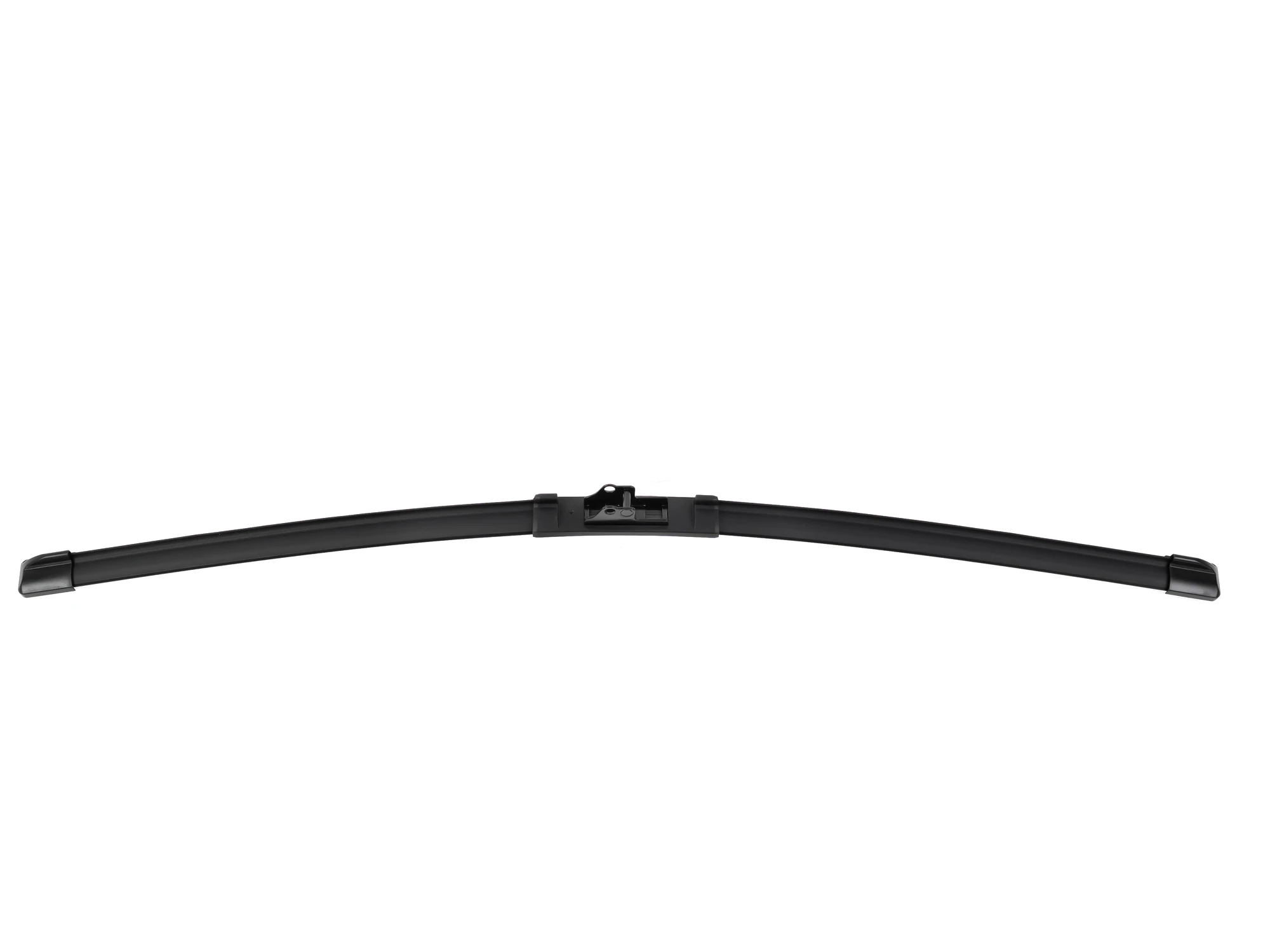
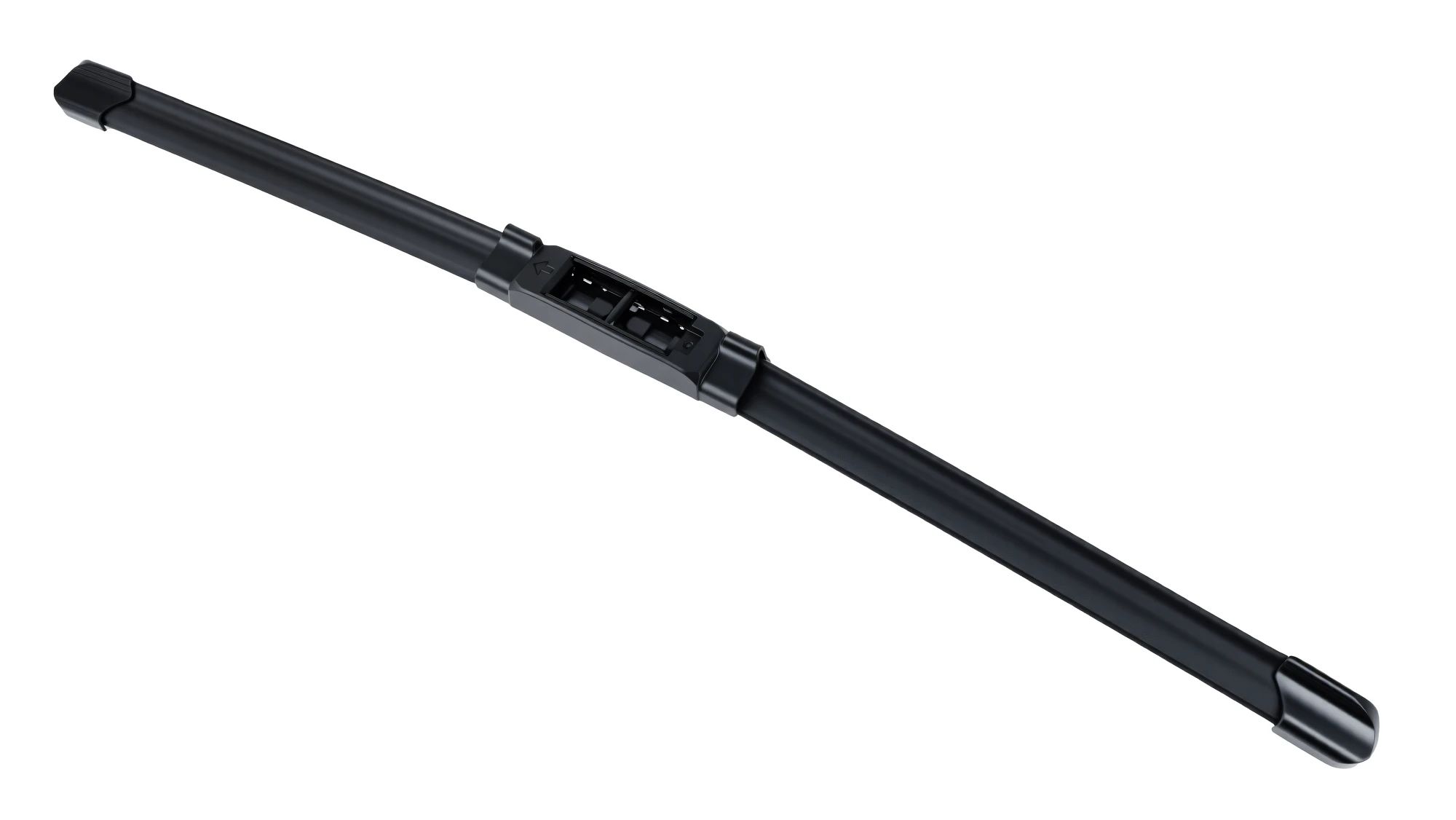
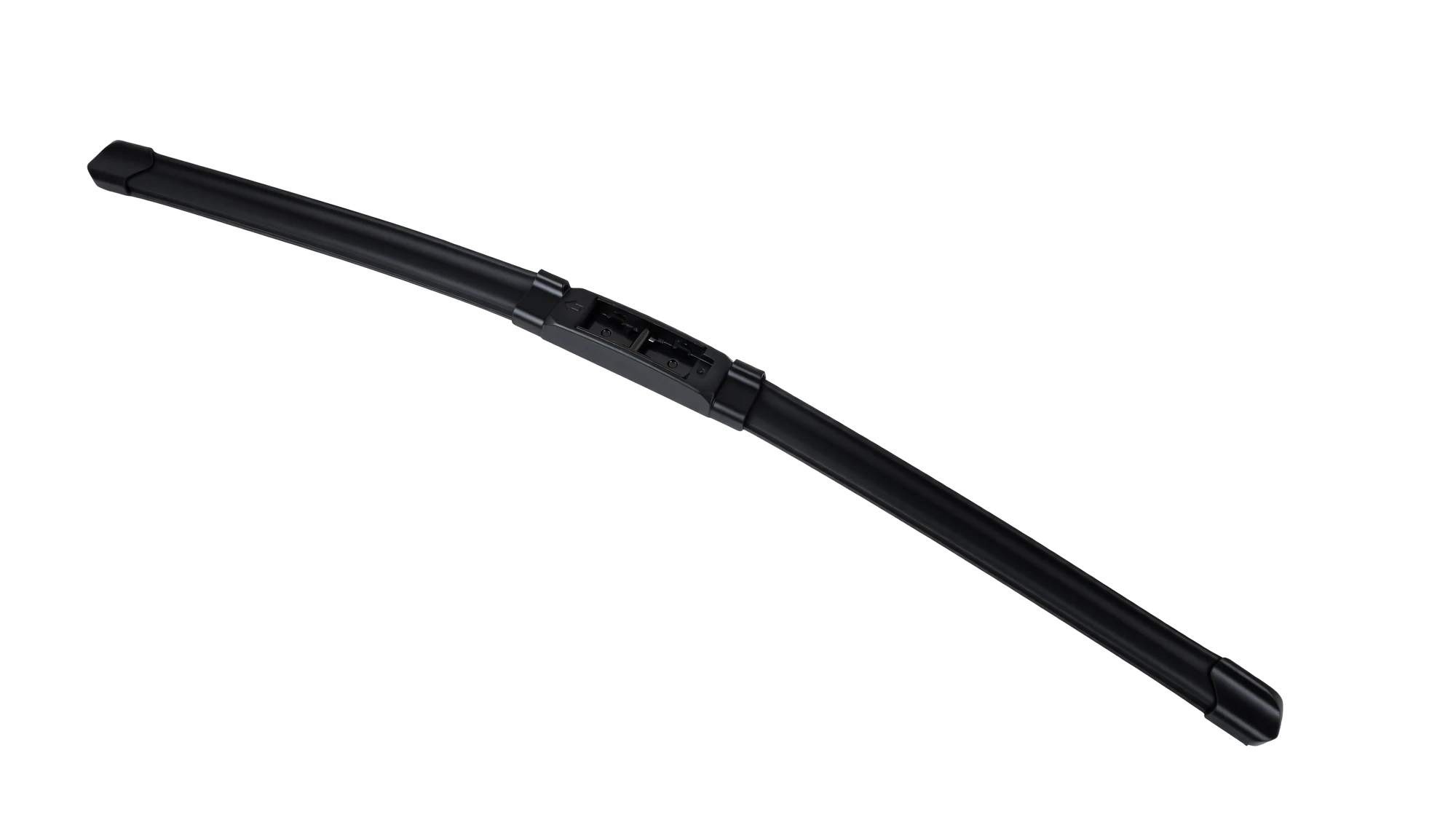
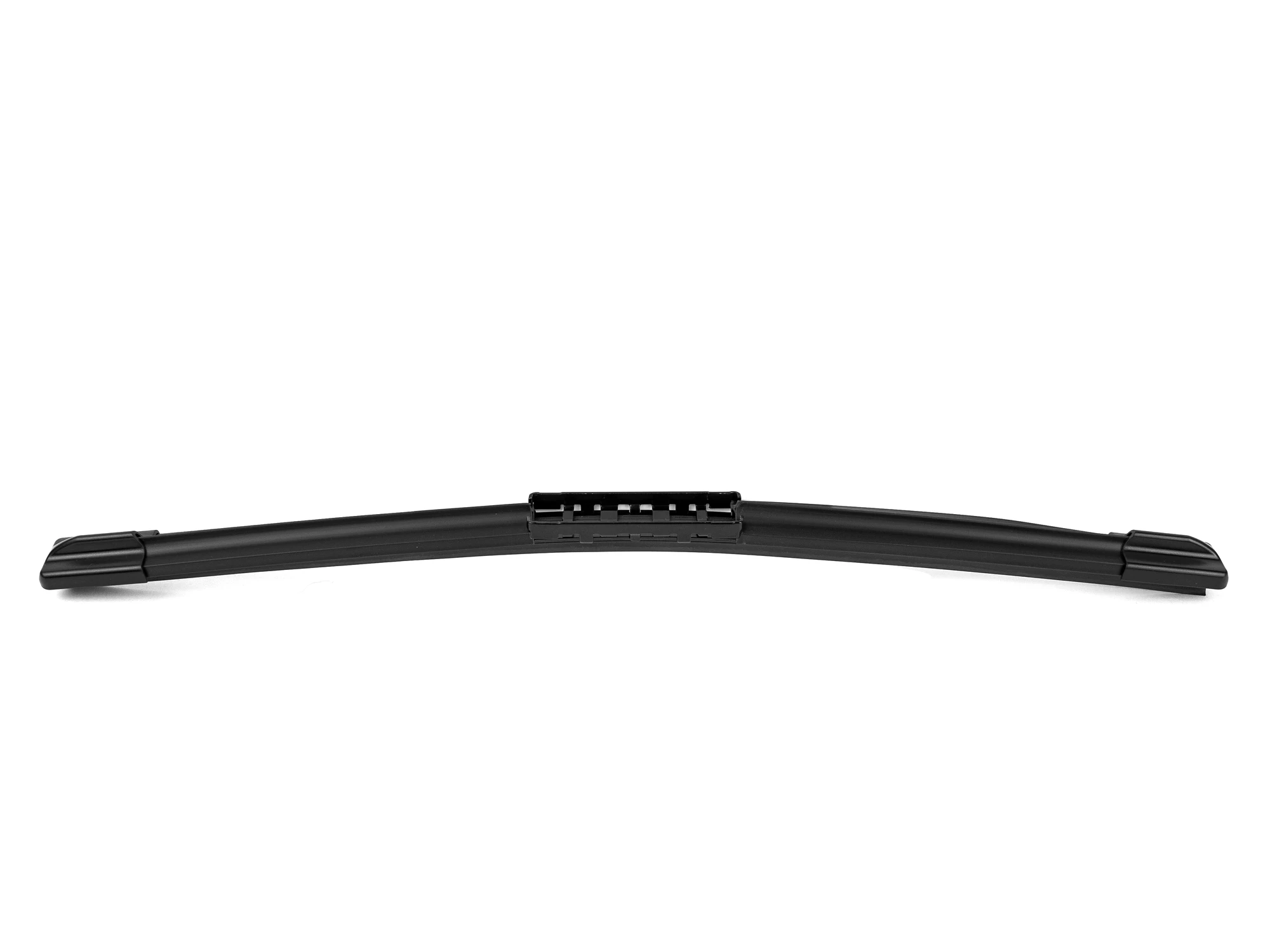
One reference through approval
Use one reference for each sample and its photographs. Record the model, source and review date, and keep different models separate.

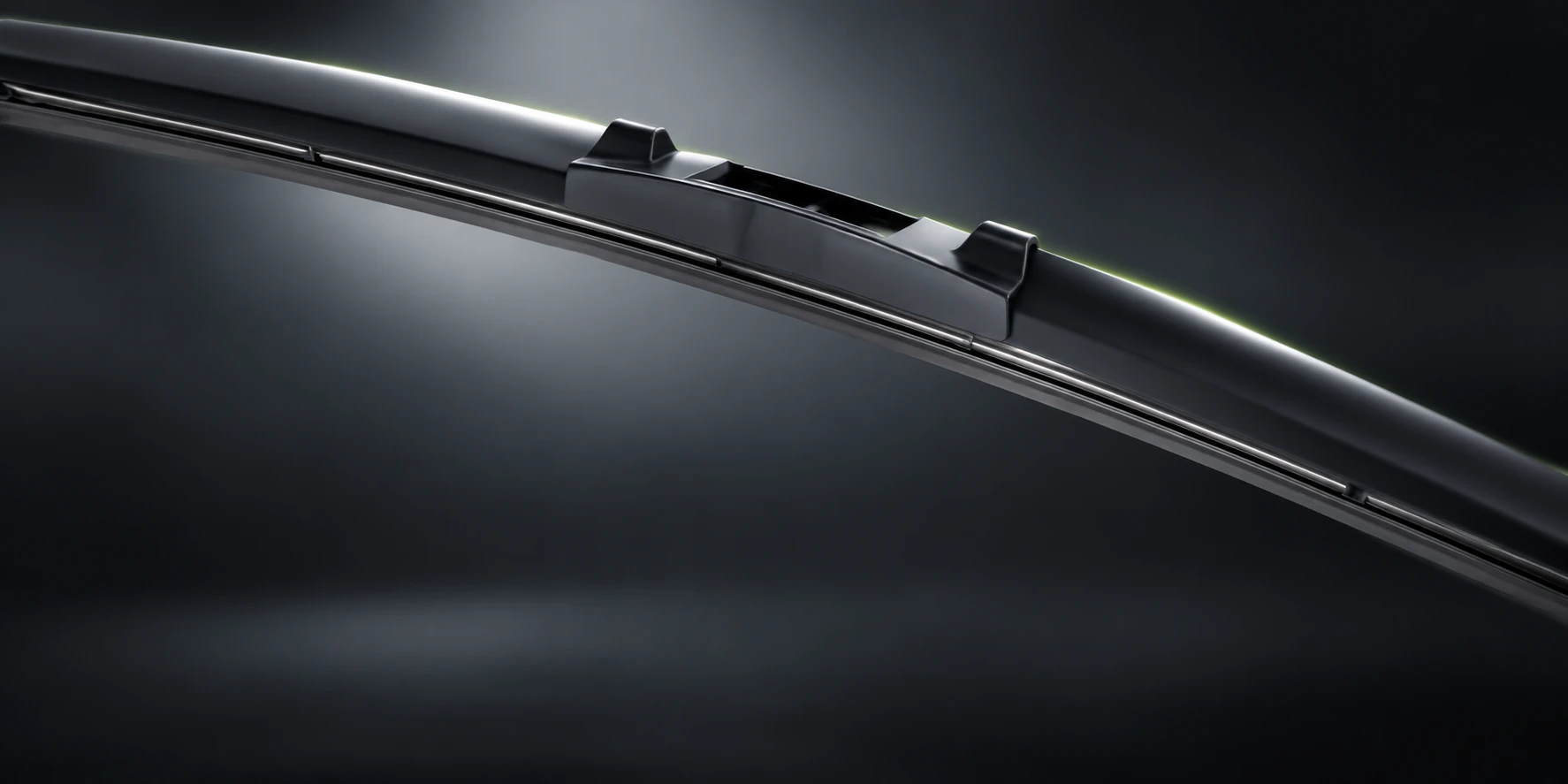
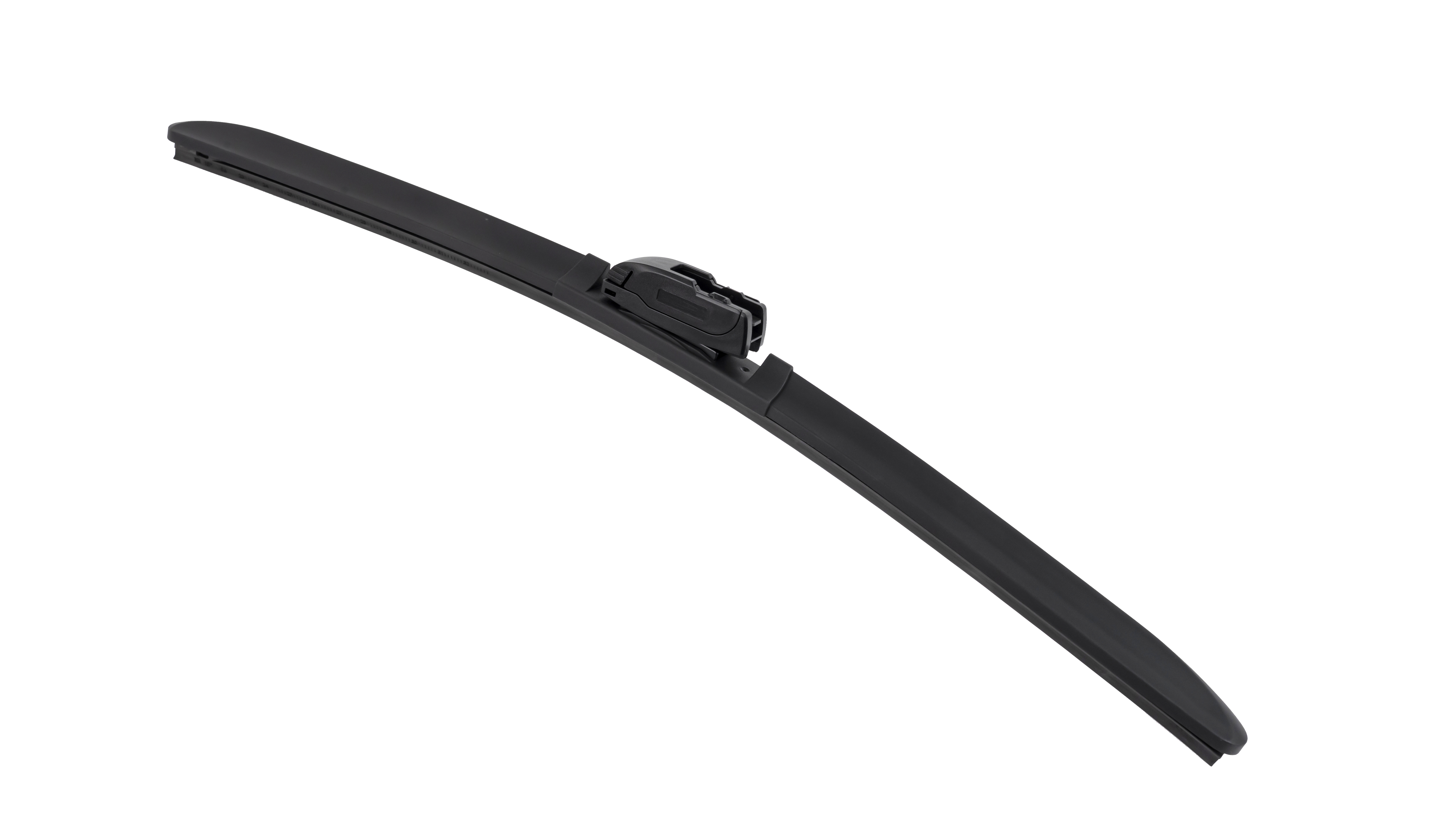
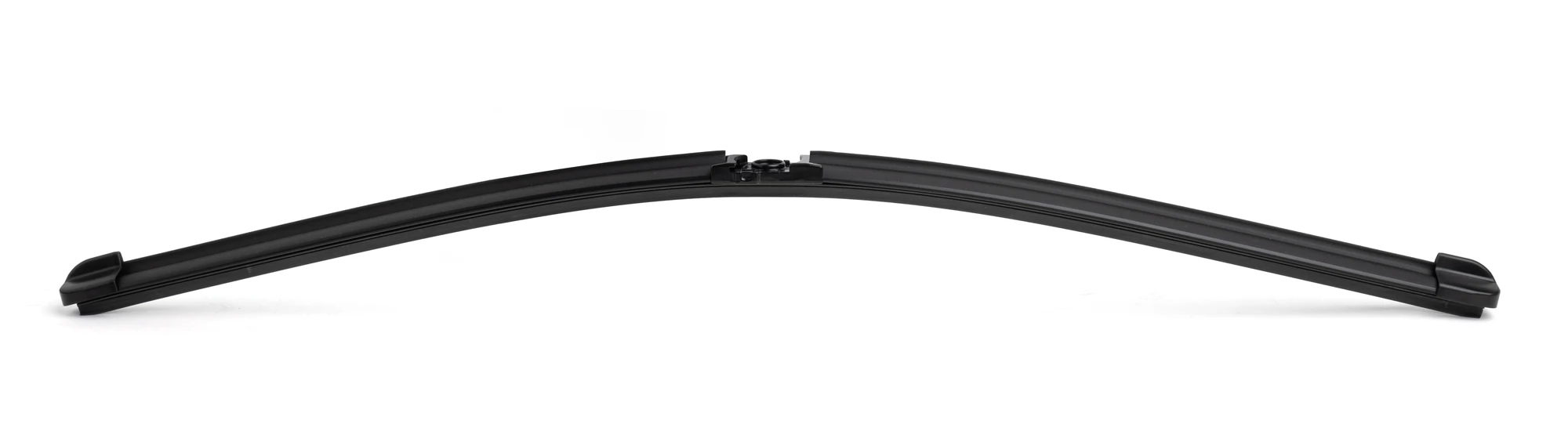
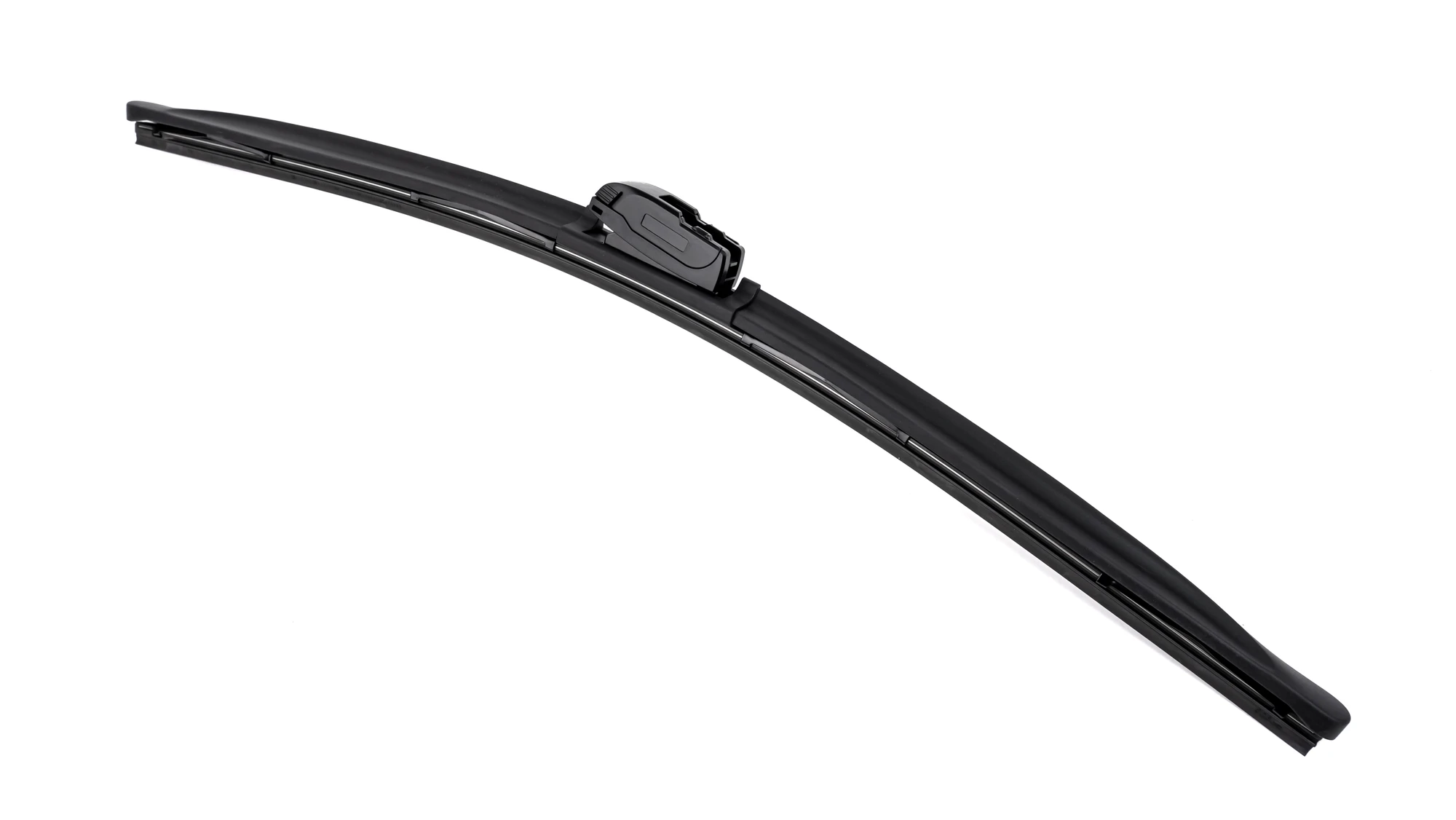
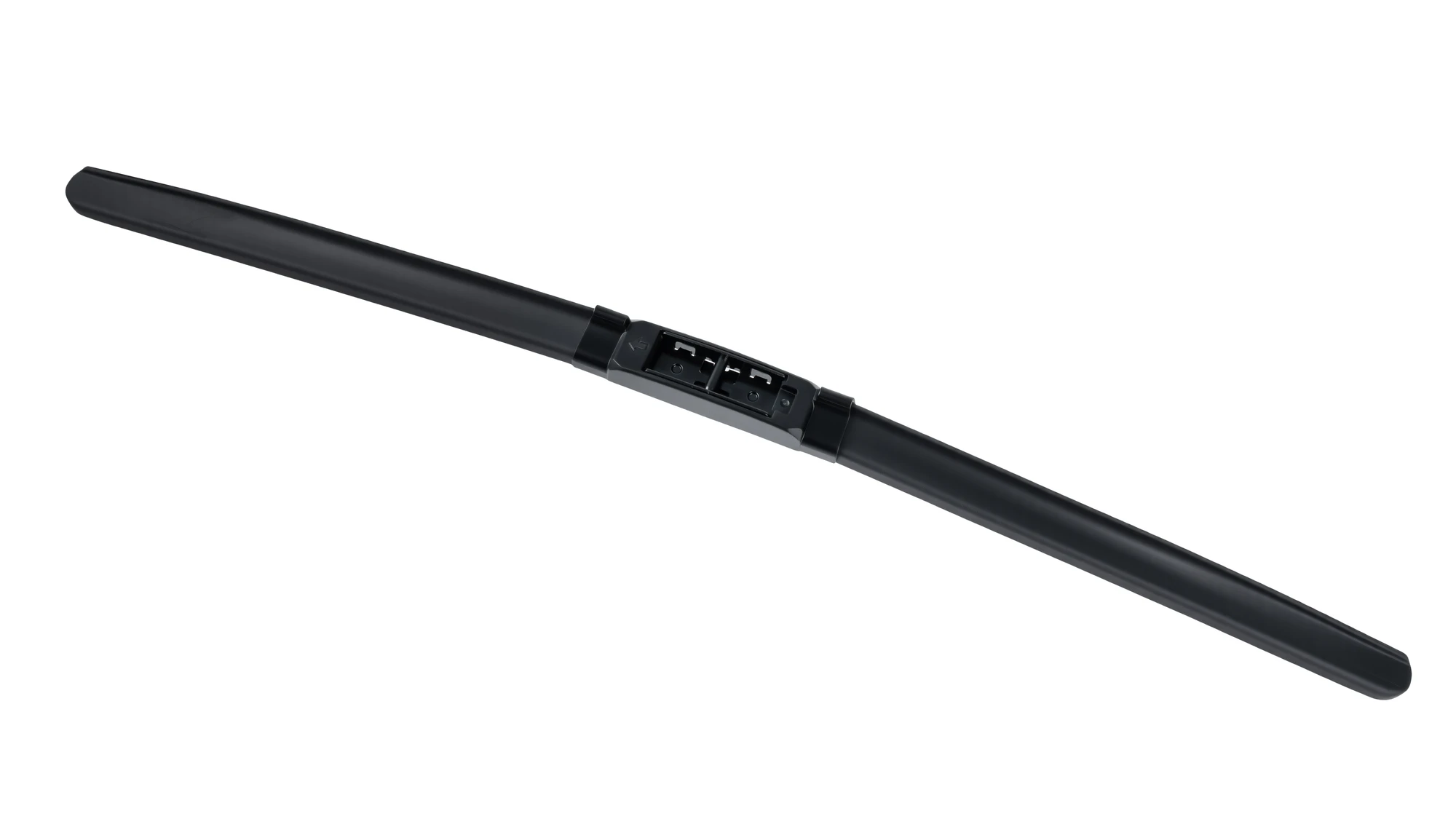
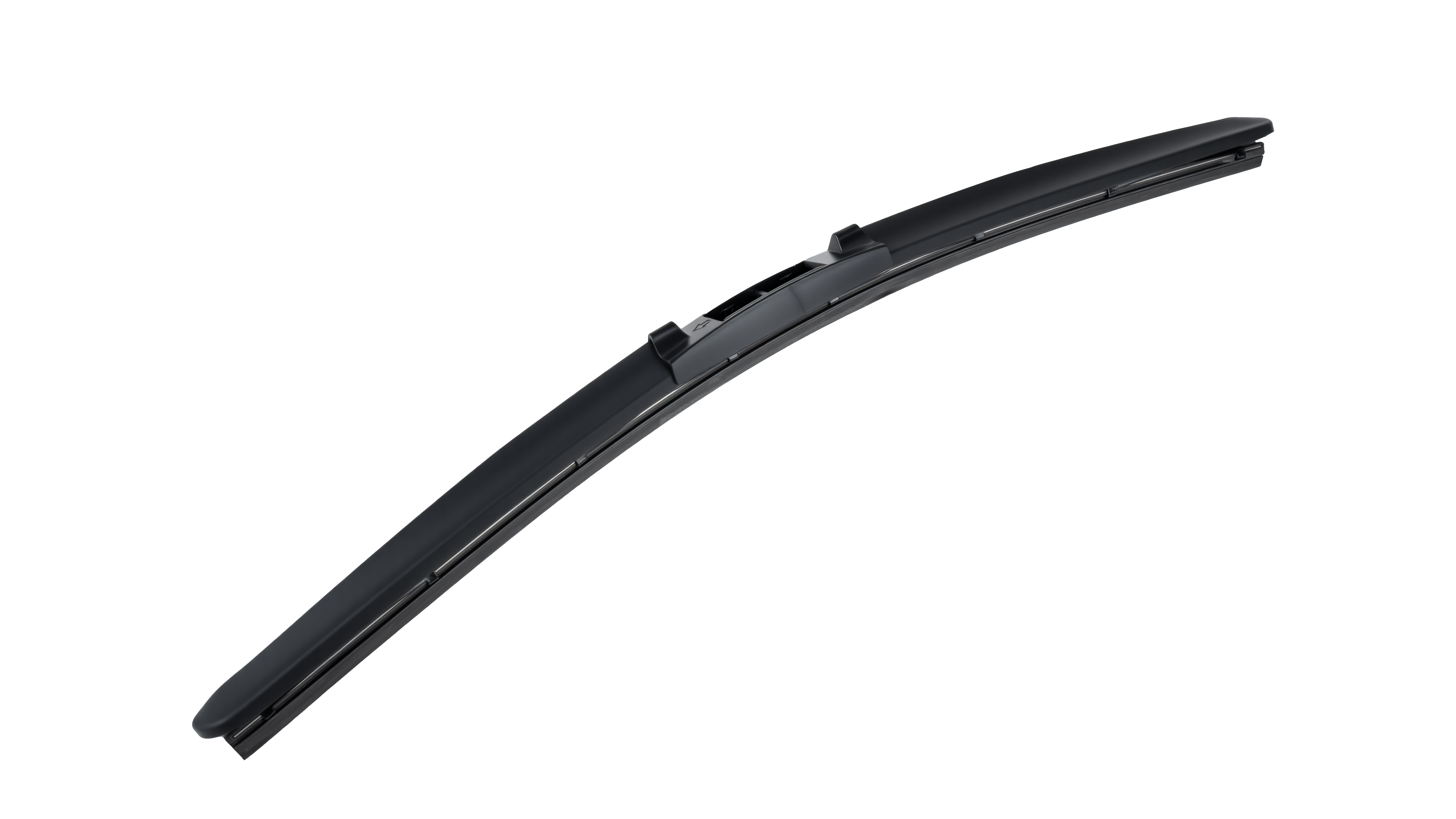
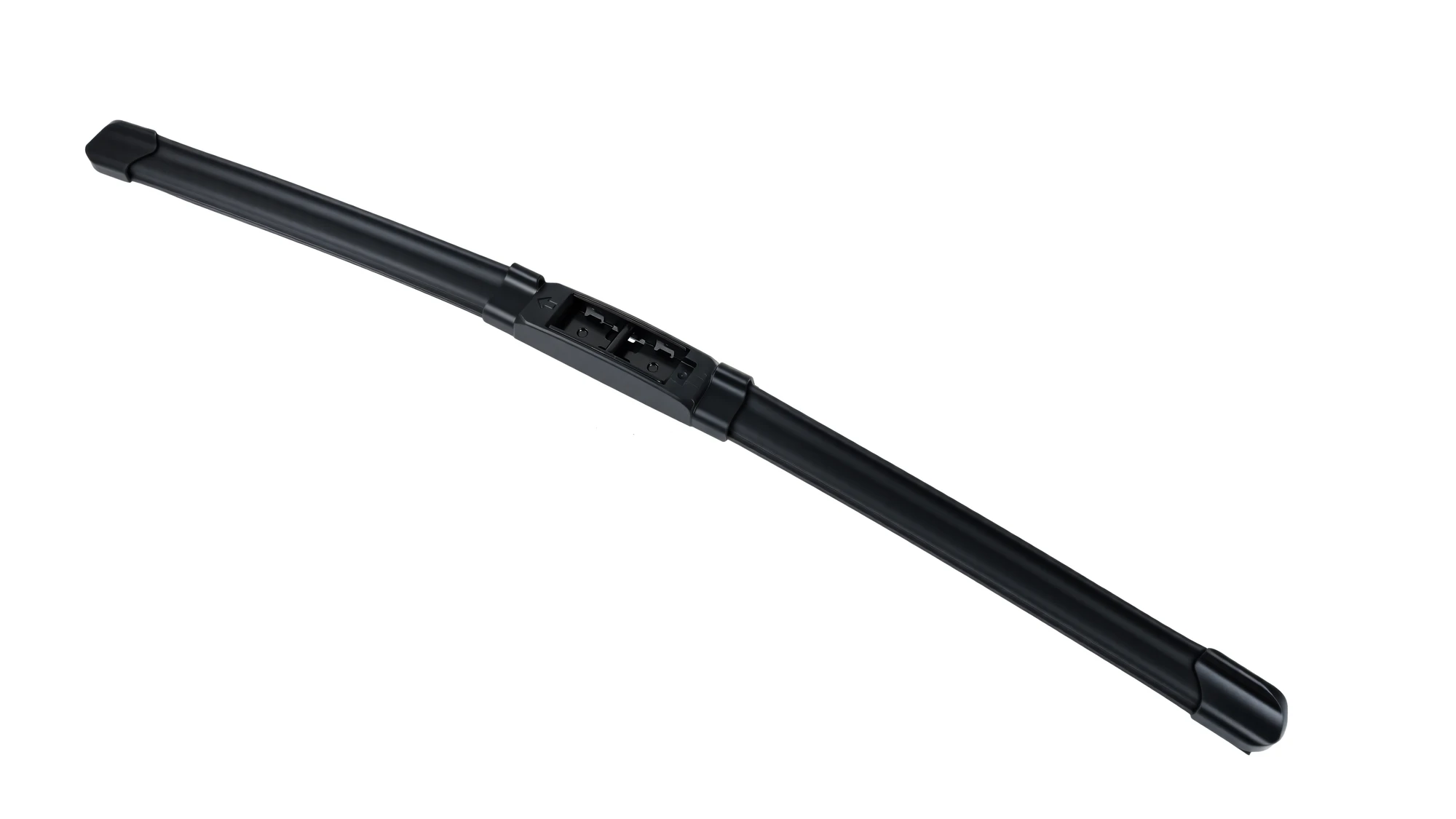
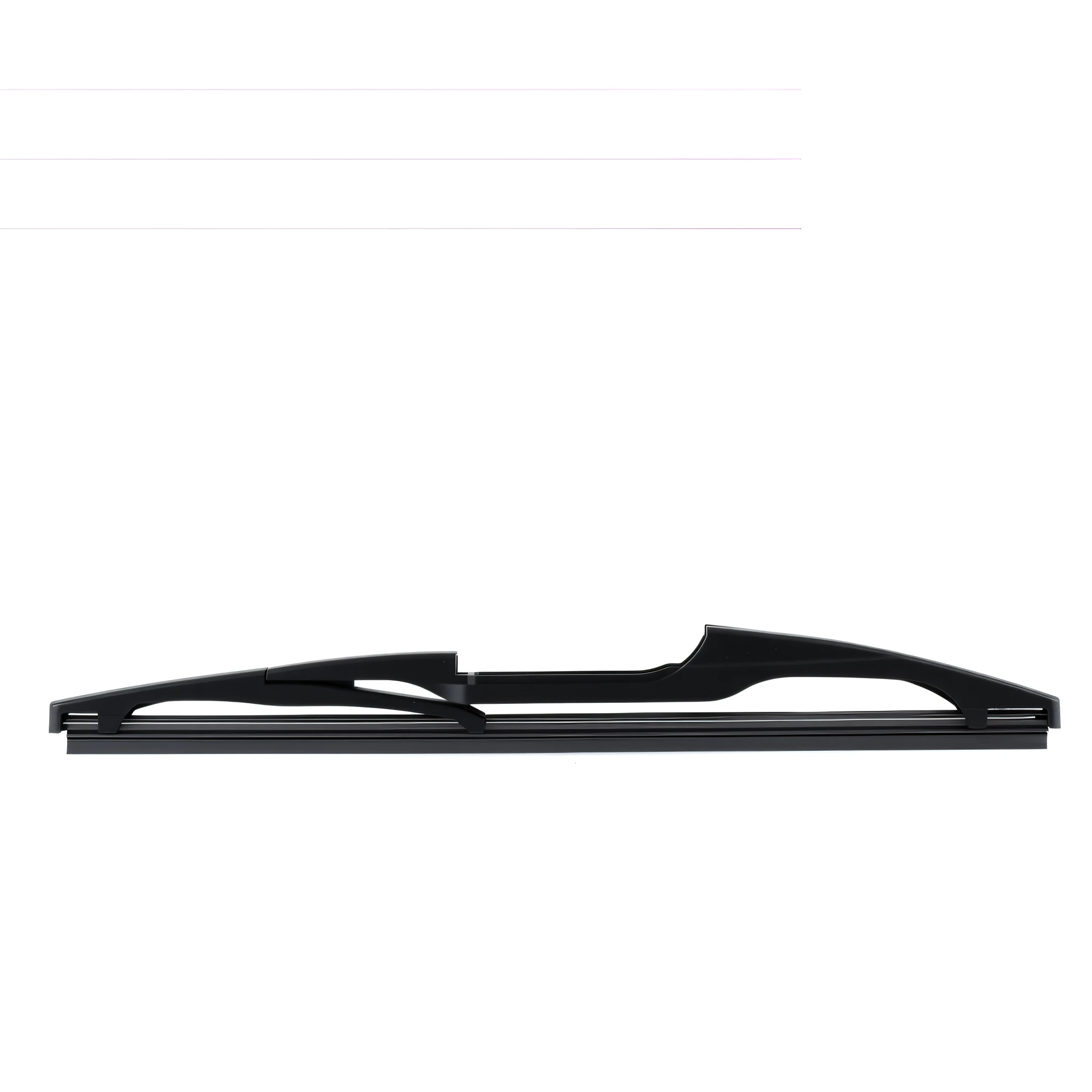
Front and rear wiper components may differ in structure and connection. This group brings together existing models and focused review topics, helping buyers move from series identification to photographs, dimensions and sample approval.
| Product scope | Existing catalogue models | Selection inputs | Photos and reference model |
|---|---|---|---|
| Connection needs | Review with mating part | Dimensions | Drawings or samples |
| Sample records | Identify approved revision | Purchasing list | Itemize model quantities |
| Packaging | Discuss specific needs | Delivery | Mutually confirmed order |
Link the sample, drawings and discussion record to an agreed product revision. Before volume purchasing, reconfirm the model, component scope and packaging requirements.
Use one reference for each sample and its photographs. Record the model, source and review date, and keep different models separate.
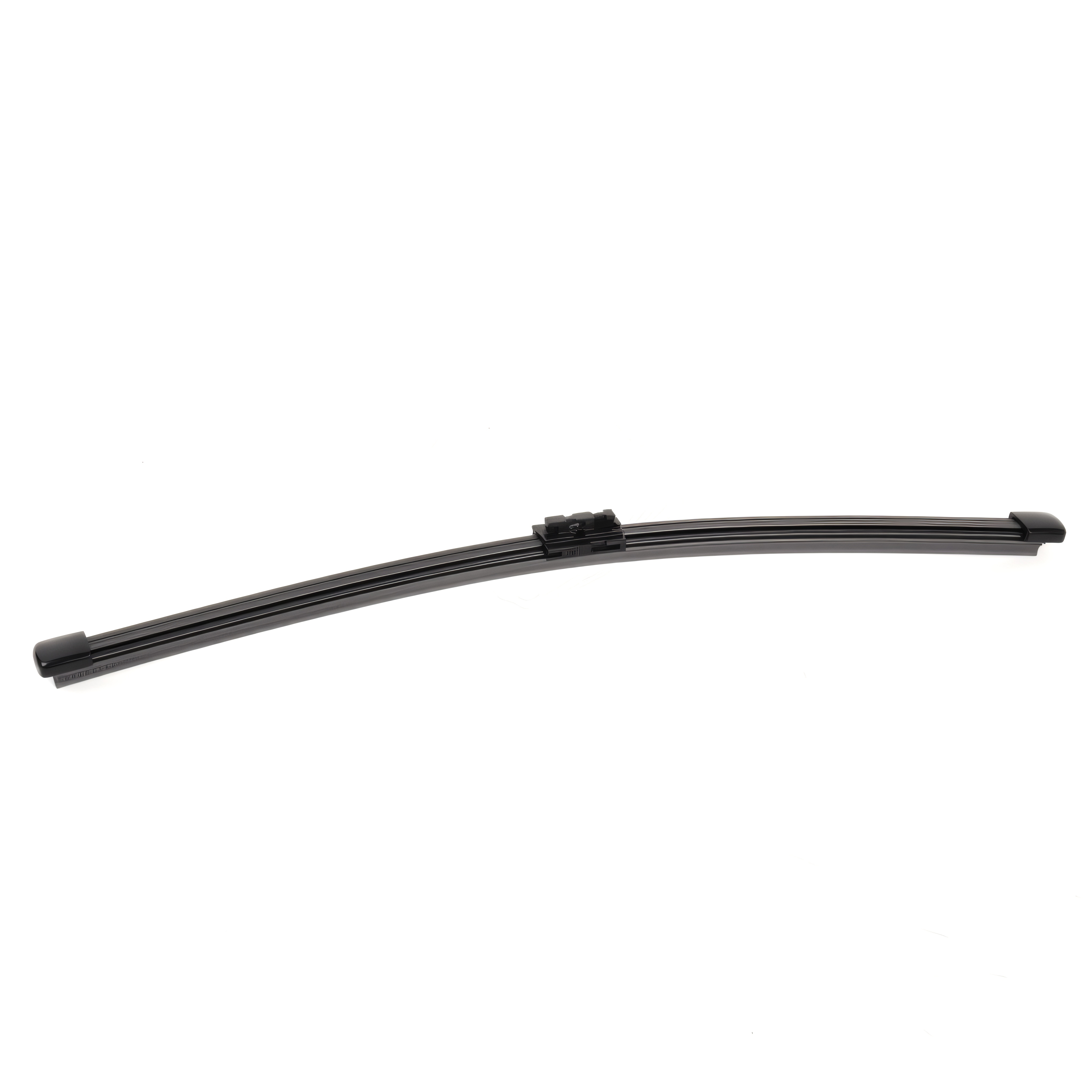
Mark differences between a sample and reference photographs, then state what should stay or change. A similar appearance alone does not establish compatibility.
Yes. Give the sample a reference number and describe the required product, quantity and intended assembly. Clear overall and connector photographs can help organize the first discussion.
A reference connects each view to the correct part. This is especially useful when several similar models are reviewed together or when an updated sample follows an earlier discussion.
Identify the difference with a marked photograph and explain which requirement matters. Do not assume that a visual variation is interchangeable; review the actual connection and agreed specification.
Only when packaging was included in the agreed review. Record the scope explicitly, including product identification, included parts and any required packaging or labels.
Give it a distinguishable reference or revision and list the changed requirements. Retain the earlier record so both parties can understand what has changed and which version is approved.
A catalogue series helps organize products, but the purchase concerns a particular part and assembly. Identify the front or rear position, the model reference and the mating component before comparing samples.
Use the information type that matches the question being asked:
| Reference | What it shows | Include | Limit | Best use |
|---|---|---|---|---|
| Photographs | Outline and visible features | Overall and connector views | No direct assembly check | Initial identification |
| Physical sample | Actual part and connection | Reference and review notes | Only the reviewed revision | Pre-order approval |
A clear photograph can reduce uncertainty about appearance, while a sample can support a specific assembly check. Neither should be detached from its model and revision record.
When two components look similar, compare the connection features and the required mating parts. Keep the observations objective and describe the area under review.
This makes it easier to discuss what was actually reviewed. If the requirement changes, issue an updated record instead of silently replacing an earlier photograph.
A useful sample file connects the component, its assembly and the purchasing requirement:
A sample approval is most useful when its scope is clear. Identify whether it covers the whole part, selected dimensions, appearance or packaging, and retain the approved version.
The common requirement is consistency between the part, its name and the approval record. QINAI enquiries can begin with an existing model, a drawing or a reference sample.