Work from an itemized list
List each model with its quantity, unit, packaging and requested delivery date. Update the same confirmed list when requirements change.

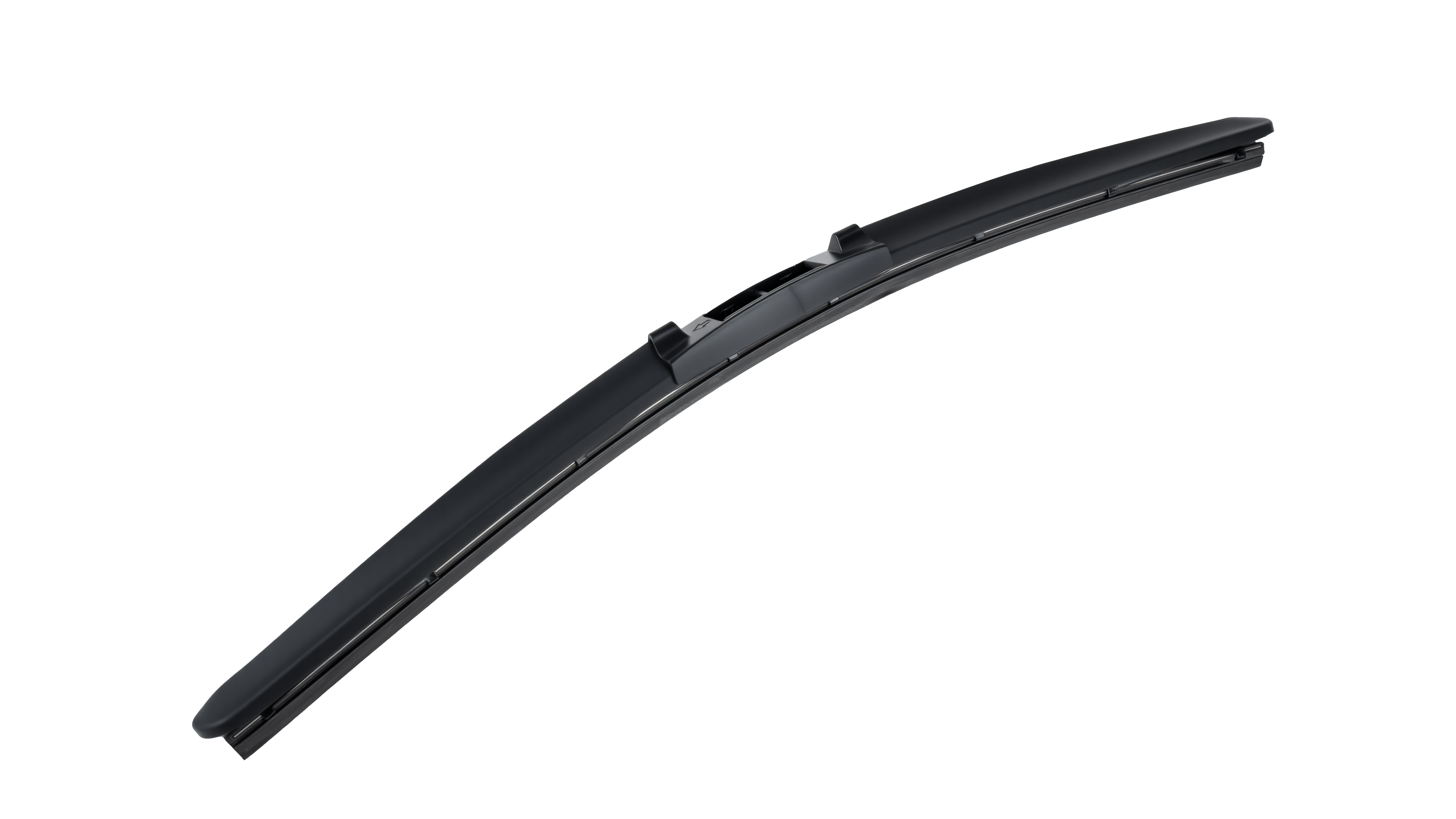
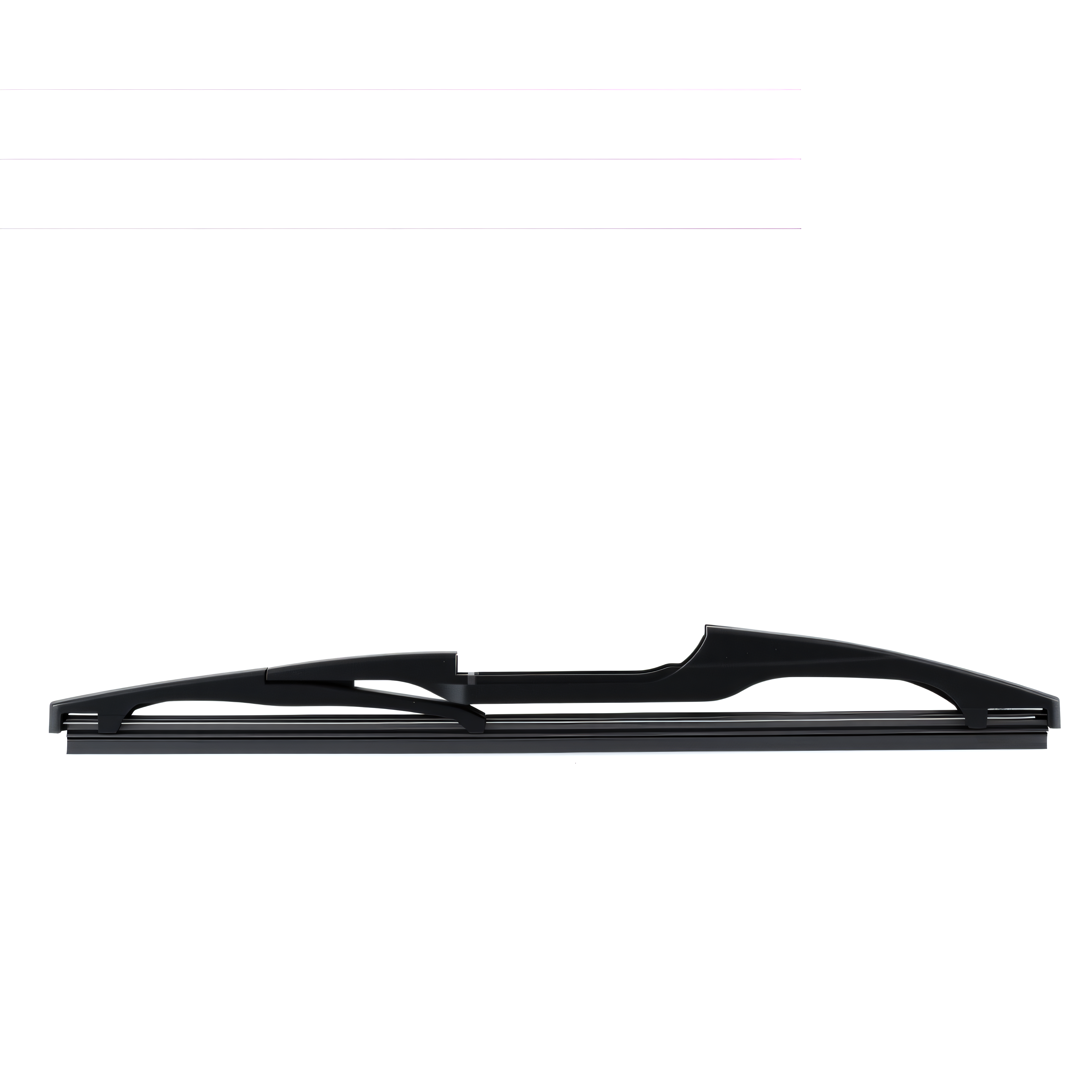
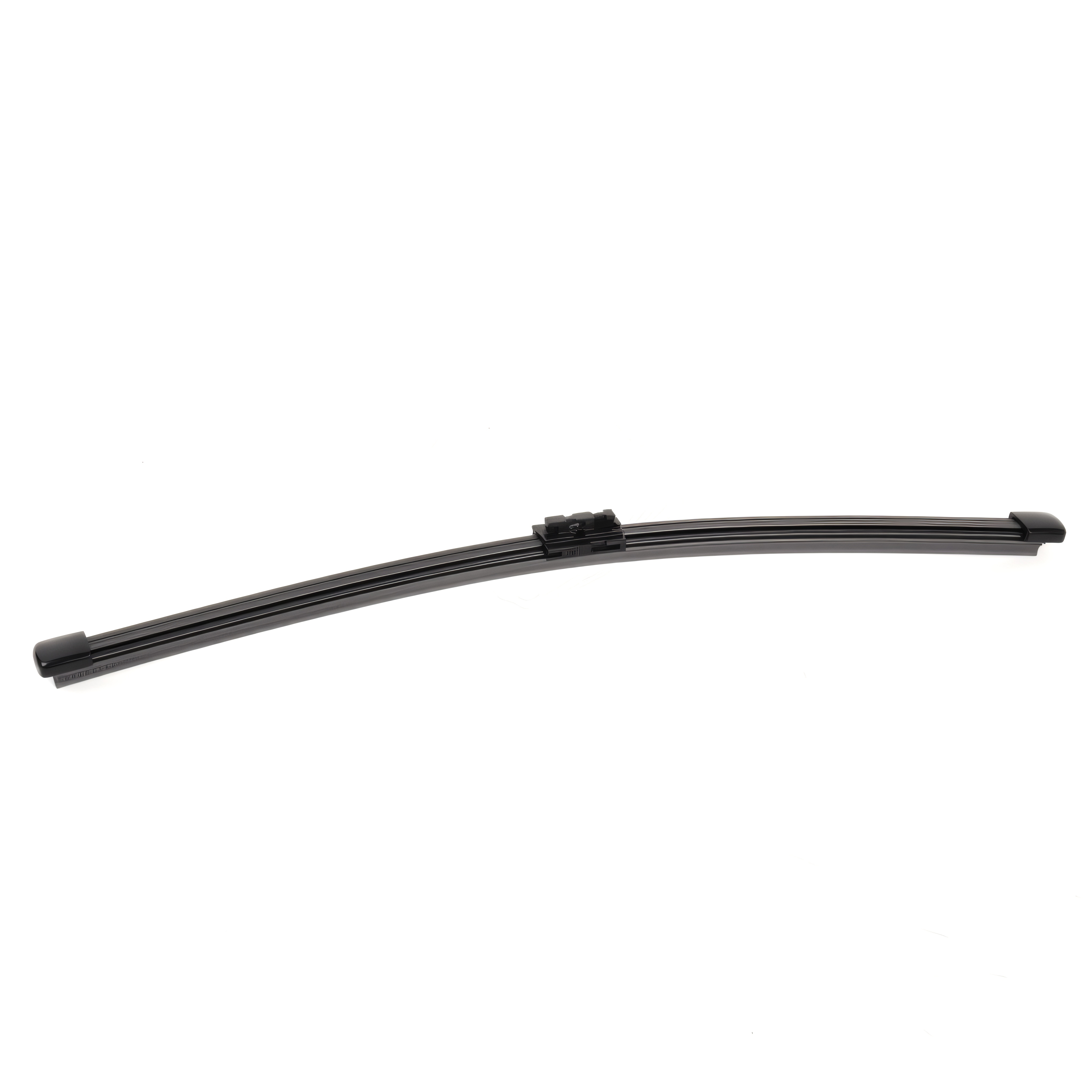
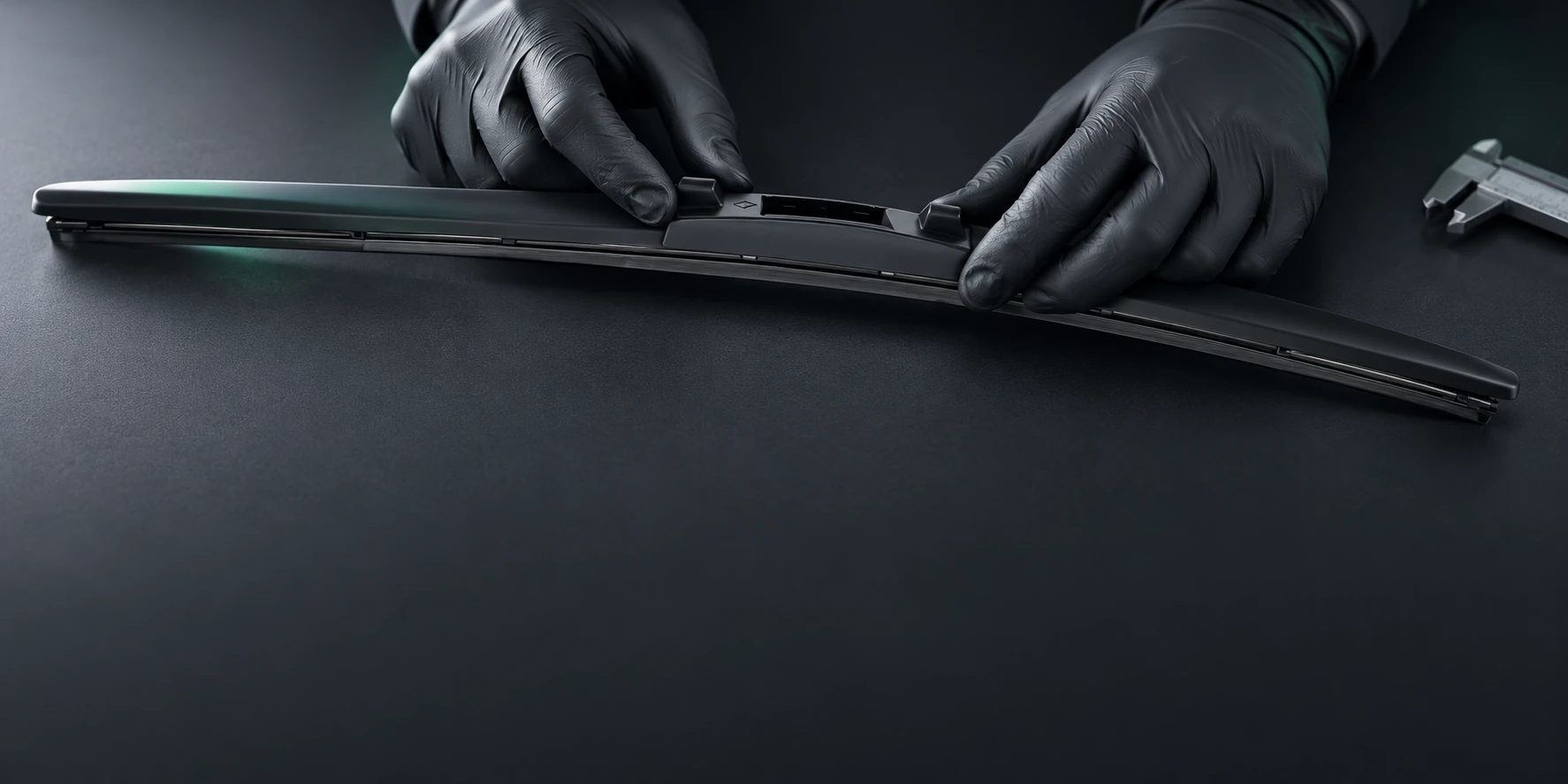
Explore the S frameless and RH framed rear-wiper series. Review overall and connector photographs, then confirm selection against the sample, drawing and requirements of the intended assembly.
| Product scope | Existing catalogue models | Selection inputs | Photos and reference model |
|---|---|---|---|
| Connection needs | Review with mating part | Dimensions | Drawings or samples |
| Sample records | Identify approved revision | Purchasing list | Itemize model quantities |
| Packaging | Discuss specific needs | Delivery | Mutually confirmed order |
Confirm each model against its installation position and connection requirements. Similar appearance or length does not establish interchangeability. Share mating-part information, connector photographs and quantities; confirm the supplied components through agreed samples or drawings.
List each model with its quantity, unit, packaging and requested delivery date. Update the same confirmed list when requirements change.
Explain whether items are packed individually or together, identify any model labels or artwork needs, and provide a reference where available. The final scope is confirmed for the specific order.
Minimum quantities are confirmed according to the model, requested volume and any packaging or development requirements. A catalogue listing alone does not establish a fixed minimum for every project.
Provide the requested date when enquiring. The schedule is reviewed against the actual models, quantities and project scope; sample or development stages may need their own agreed timing.
Use the earlier approved model, sample and packaging records as the starting point. State any changes in quantity, packaging or timing and obtain an updated order confirmation.
Check the delivered model, quantities, packaging and agreed identification against the order. Keep the relevant approval records available and describe any discrepancy with clear photographs and item references.
An itemized list gives each product a clear identity and keeps quantity, packaging and delivery requirements connected. It is useful for a single model as well as mixed-model replenishment.
| Information | Purpose | How to state it | Reference |
|---|---|---|---|
| Model | Identify the item | Use the full model name | Catalogue or sample |
| Category | Clarify the component | Front or rear requirement | Product record |
| Quantity | Define the requested volume | List each model separately | Enquiry line |
| Unit | Avoid counting ambiguity | Pieces, sets or cartons | Packing scope |
| Sample | Identify the approval basis | Use the sample number | Approval record |
| Drawing | Control the specification | Include the revision | Agreed document |
| Packaging | Define the presentation | Single or combined items | Packaging record |
| Labels | Identify artwork needs | Provide the requested text | Artwork version |
| Timing | Plan the discussion | State requested delivery | Order agreement |
The list does not set a minimum order or guarantee a delivery date. It provides the information needed to discuss those arrangements for the actual models and requirements.
A number without a unit can mean individual pieces, assembled sets or cartons. Clarify the relationship before requesting pricing.
When a quantity changes, update the enquiry list and note whether the packaging or delivery requirements have changed with it.
Product approval does not automatically define packaging. Record the packaging scope separately and link it to the same order.
A packaging reference can be a drawing, photograph or written specification. Its final scope should be agreed alongside the products and quantities.
Keep the communication organized through these steps:
The quotation needs to reflect the requested product and purchasing conditions. Identify differences that would affect the supplier’s review.
For repeat purchasing, retain the approved references and identify changes clearly. QINAI can review the enquiry against the actual model, quantity and project requirements.