Compare Front Wiper Components Using Their Connection Details
Published by QINAI (瑞安市汽耐雨刷制造有限公司).
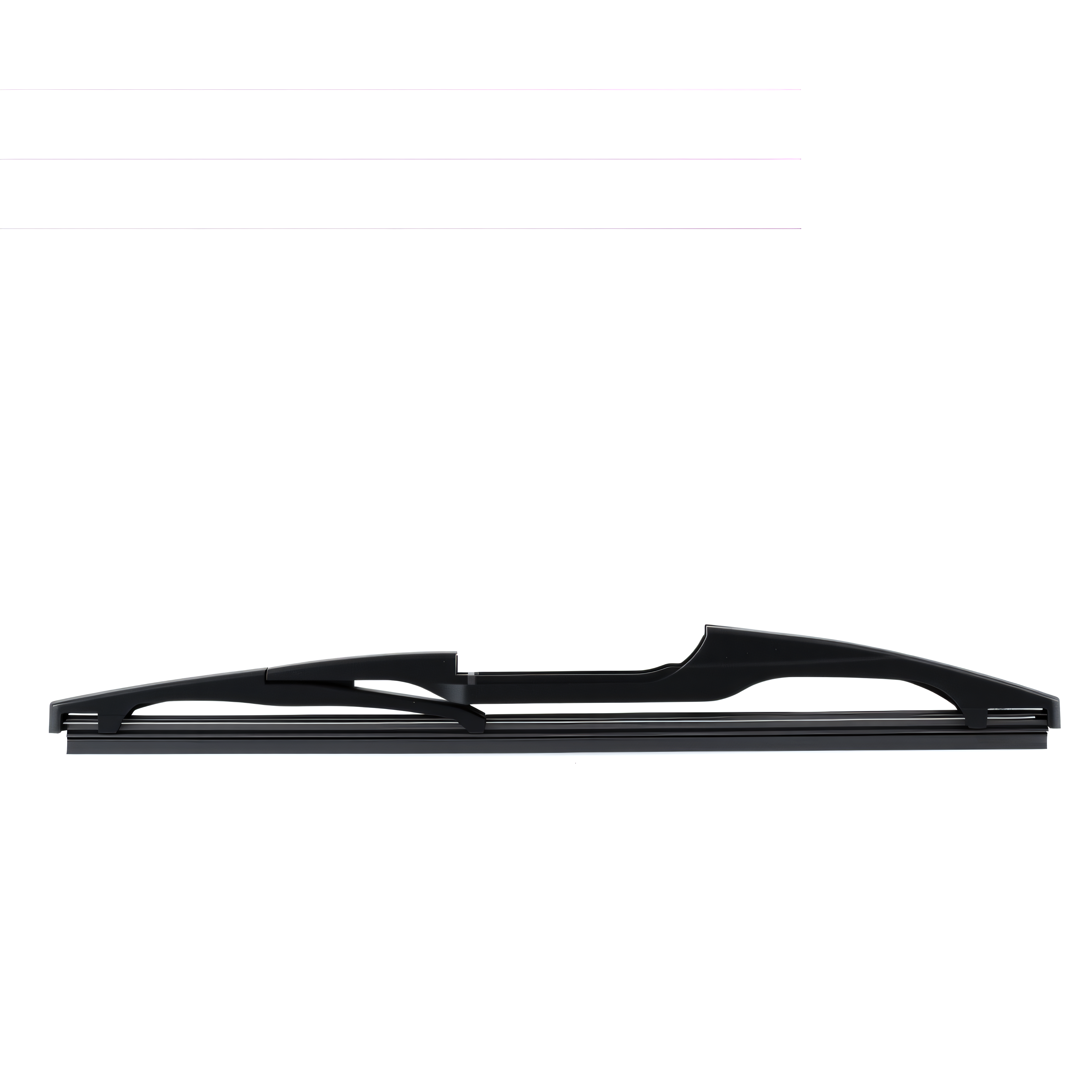
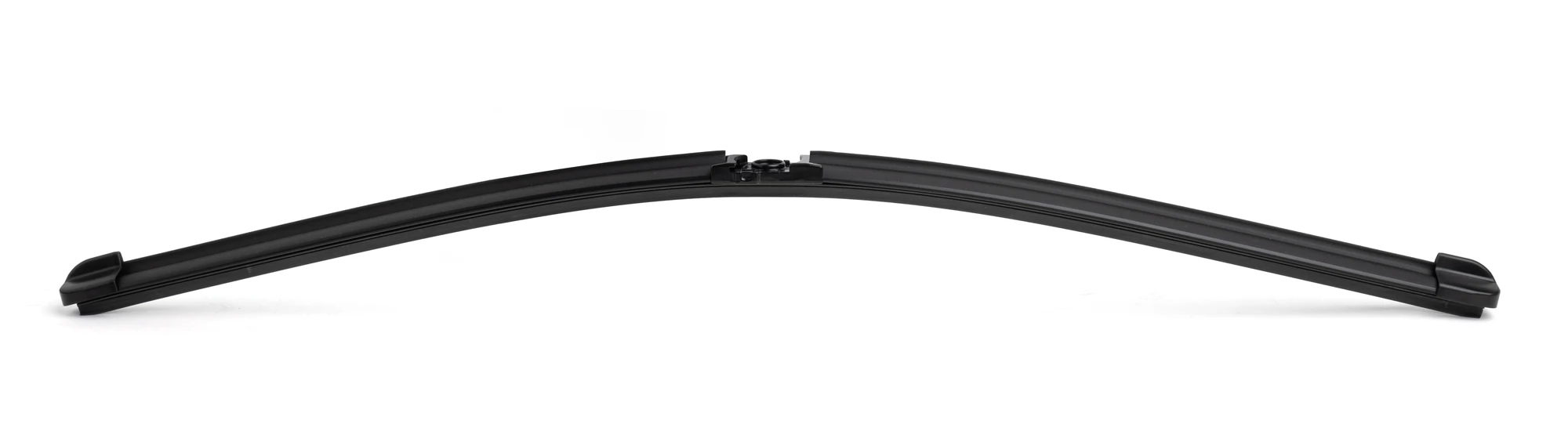
Front-component photographs are useful for narrowing a selection when the comparison follows the same features. Begin with the complete model and overall body, then examine the arm-side and blade-side connections separately.
What can an overall view tell a buyer?
An overall view helps locate the body, projecting features and connection area. Keep the model beside the photograph so a close-up cannot become detached from its source.
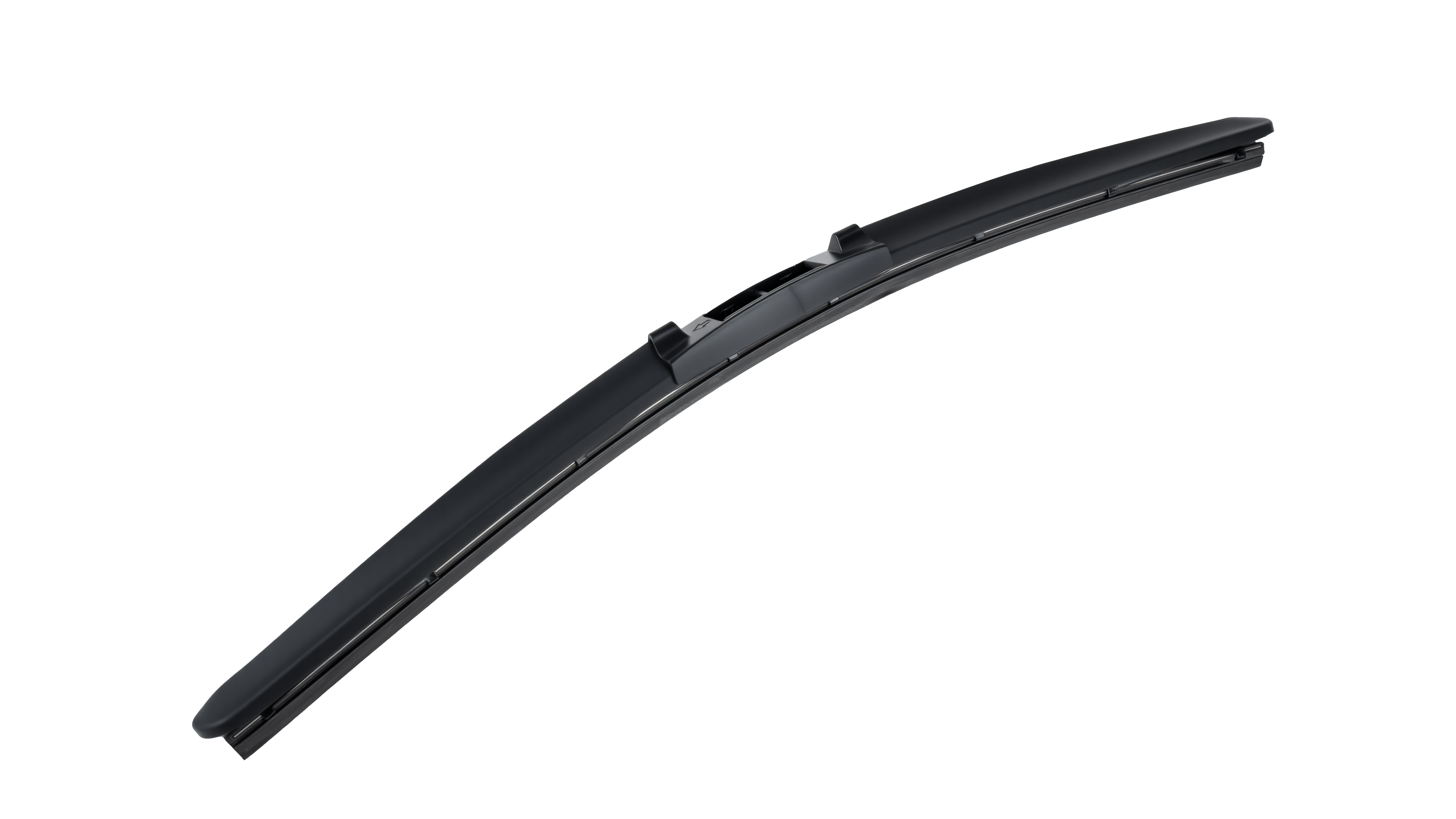
The H-S14A gallery provides further views of this catalogue item. Its photographs support identification; they do not show every possible arm combination.
Which details should be compared next?
Compare the opening direction, locating surfaces, latch position and surrounding space. Use the same viewing direction for each candidate, and mark the points that require dimensions rather than trying to measure perspective images.
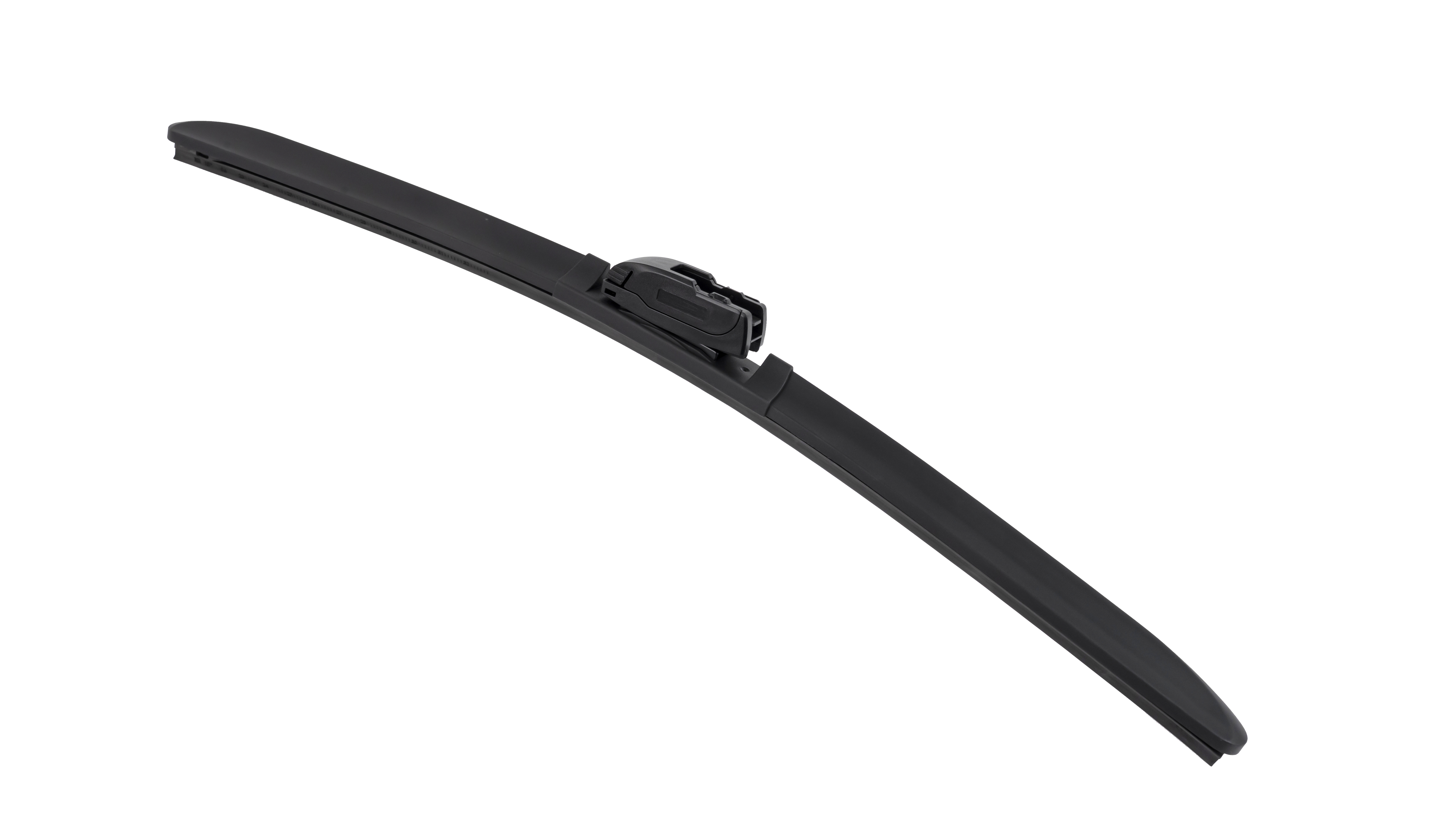
For Q-F15-2A, keep the complete reference when requesting further information. Similar colour or outline is not a reason to merge this model with another catalogue entry.
Match the viewing direction before interpreting a difference
A perspective photograph can change the apparent width, height and position of a feature. Start by locating the same reference points on both candidates, then compare equivalent views. If one underside is hidden, mark it as missing information rather than inferring its shape from the visible cover.
This is particularly useful for dark components, where a shadow can resemble an opening or hide an edge. Further lighting or another angle may resolve the visual question. A dimensional decision, however, still needs suitable measurement information rather than a more attractive photograph.
Use a visible feature to form the next question
A projecting edge might be an operating surface, a locating feature or simply part of the external outline. Its function should not be assigned from one view alone. Follow it into the available gallery views and compare it with the intended mating part. The useful result is a specific question, such as whether the edge remains accessible after installation.
An overall photograph and a detail photograph therefore work together. The first establishes location, while the second explains the feature. Keep both linked to the full model reference.
Avoid turning an image shortlist into a compatibility list
Suppose two catalogue items look close to the existing sample. Keep them as separate candidates and list the unresolved interfaces for each. One may later be excluded by a known difference; another may require a drawing or sample review.
The catalogue comparison has succeeded when it narrows the question and identifies the next evidence needed. It should not claim that photographs alone have established materials, tolerances or vehicle applications. Those require their own supporting records.
How should a comparison reach a decision?
Record each candidate as confirmed, unresolved or unsuitable for the stated requirement, with a reason and supporting reference. Keep arm-side suitability separate from blade-body suitability; both are needed for a complete combination. The front-connector selection guide provides a comparison table, and the sample route explains how to move beyond visual identification.