Select a Wiper Component: From Reference Image to Reviewed Sample
Published by QINAI (瑞安市汽耐雨刷制造有限公司).
An unidentified component can be reviewed in stages: establish its identity, compare the interfaces, check a complete combination and record the decision. Each stage should resolve a specific question before the item is treated as ready for ordering.
What should the initial image set show?
Include the complete part, top, side, underside and connection detail. Give the sample a temporary ID and state front or rear position. Show damage or missing pieces explicitly, because a broken feature can otherwise be mistaken for the intended design.
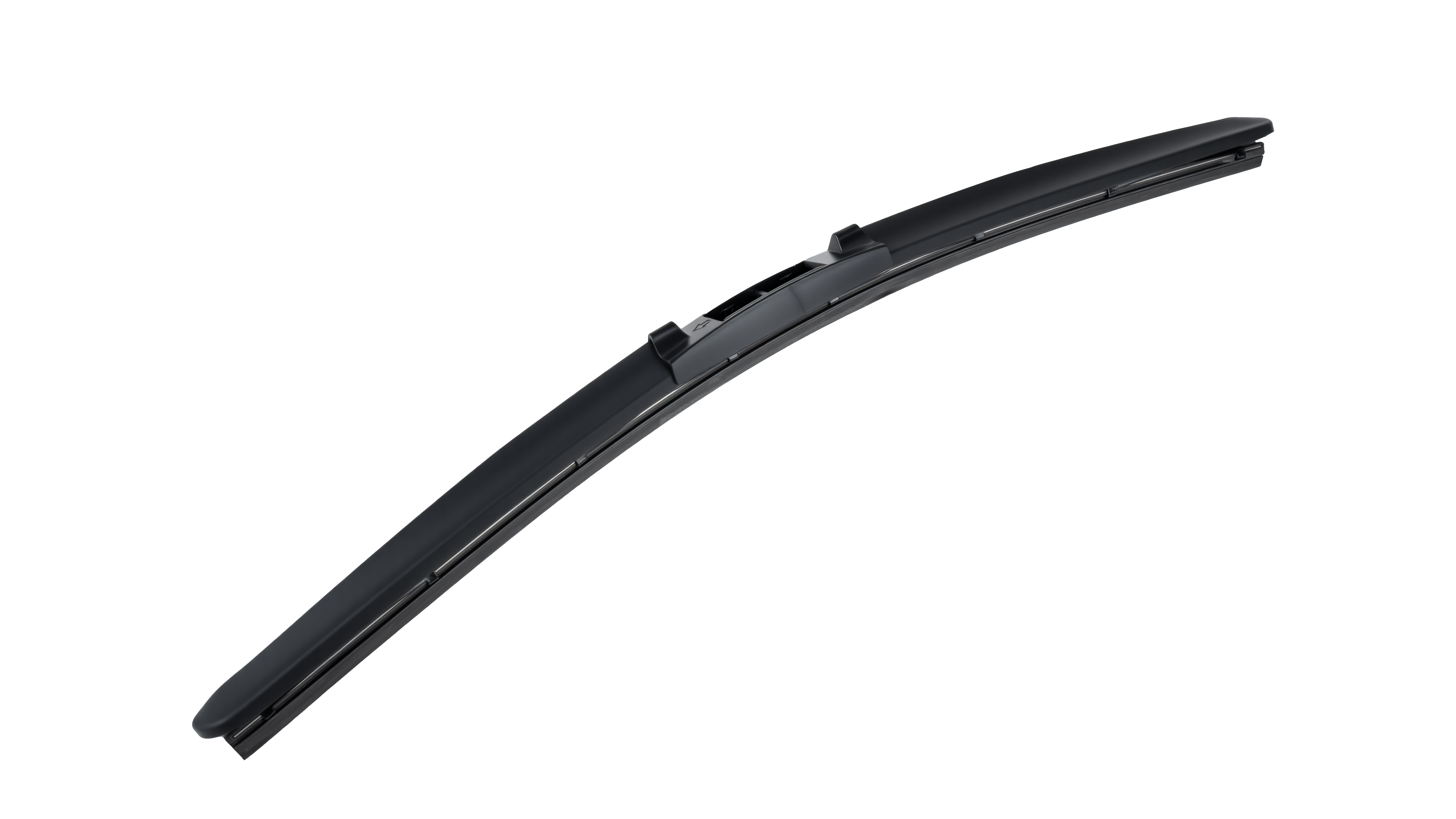
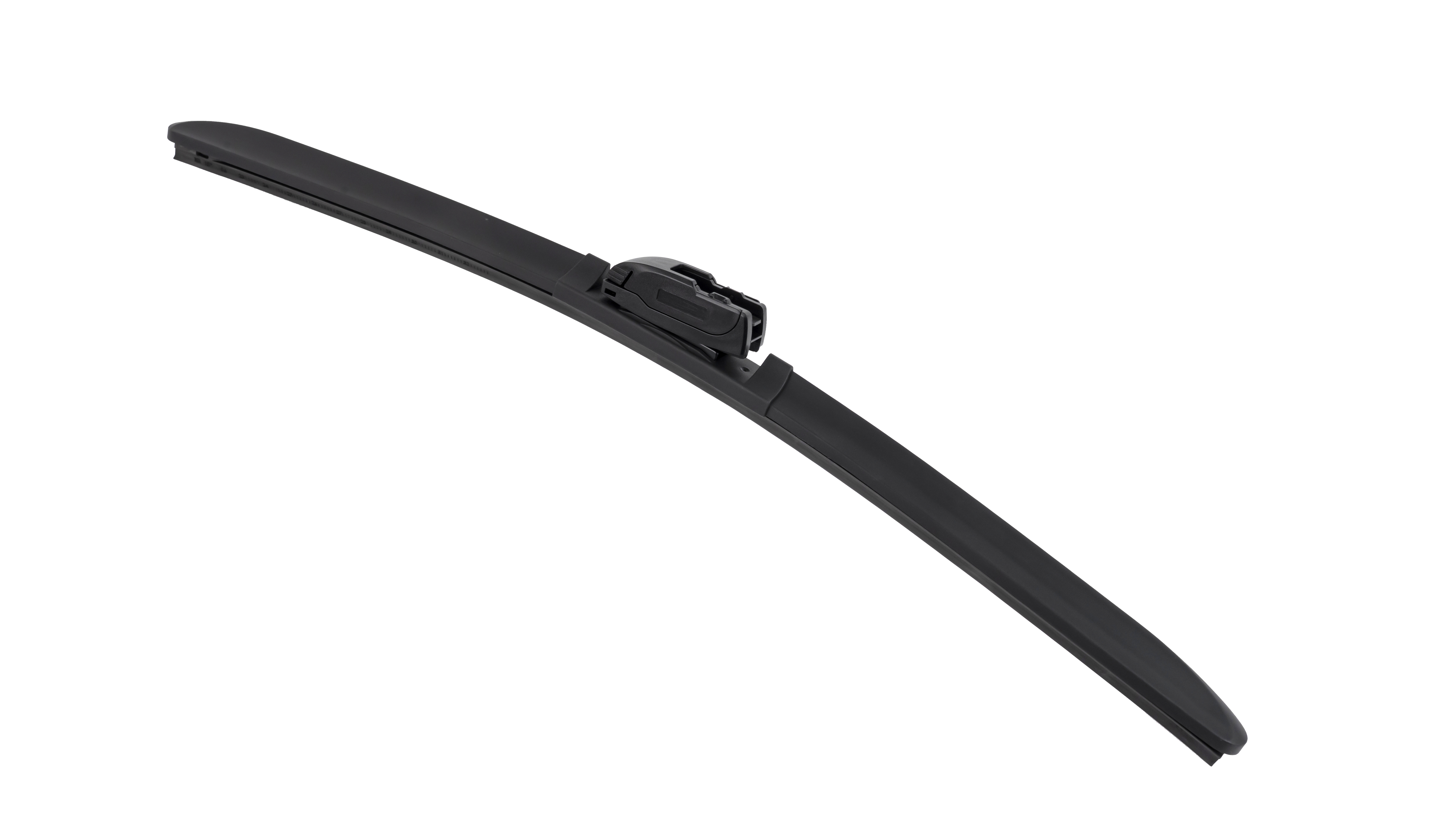
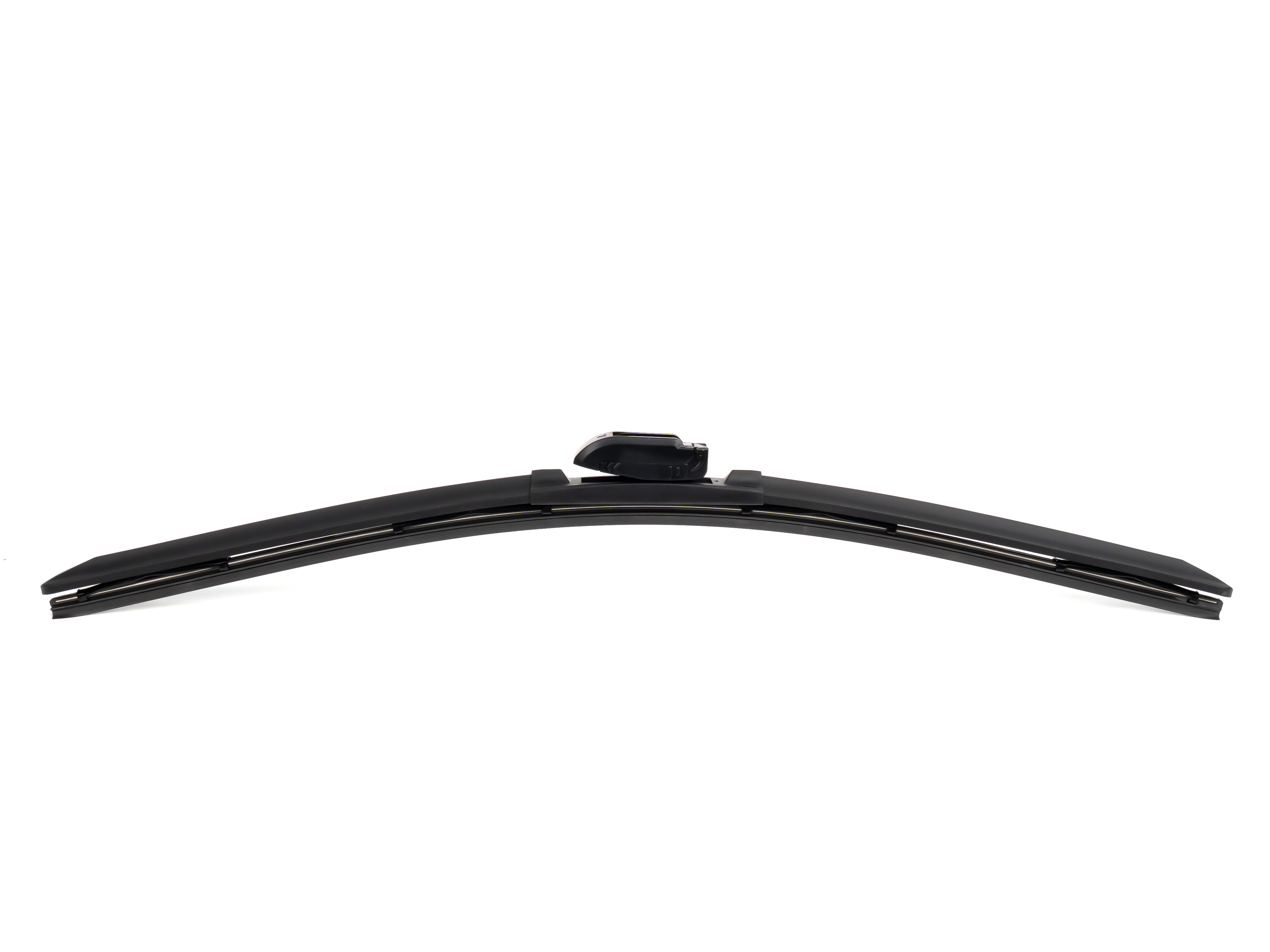
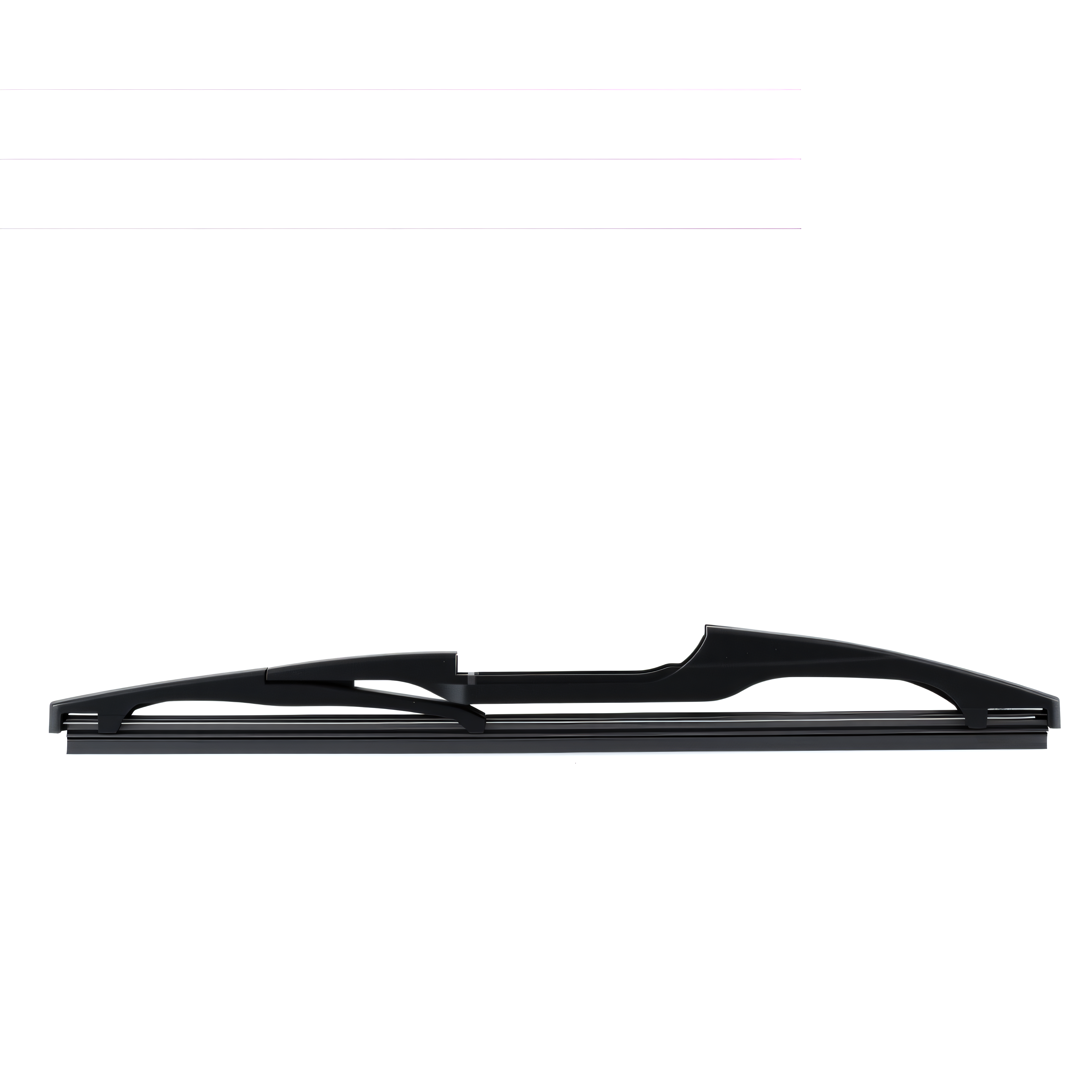
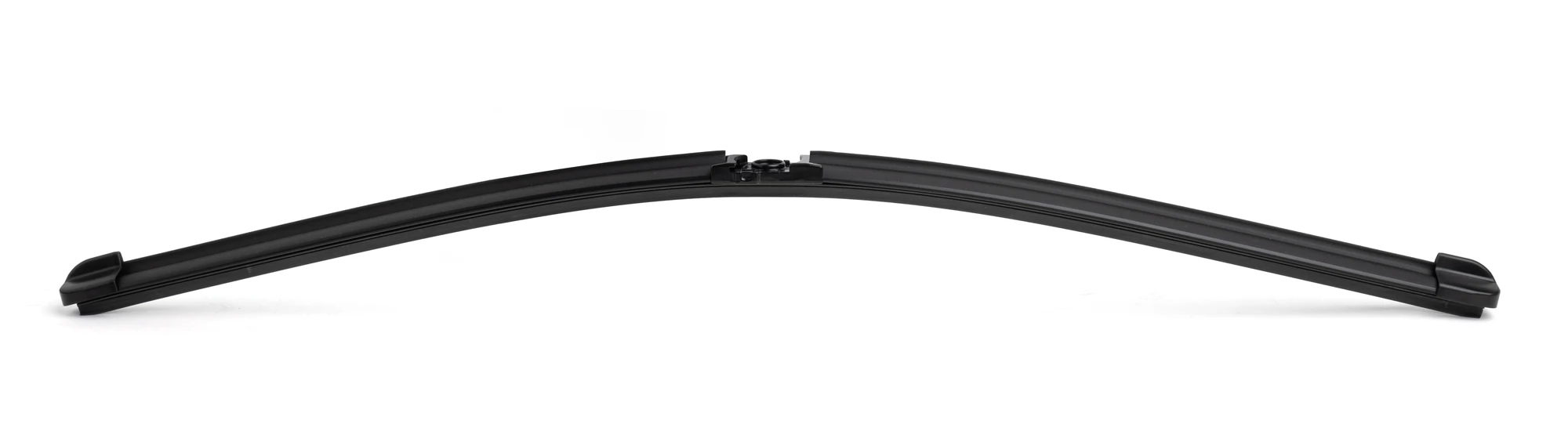
These existing catalogue photographs show separate component references. They are starting points for comparison, not evidence that the models interchange.
How should candidates be narrowed?
Compare the same features for every candidate and retain a reason for each decision. Start with the two mating interfaces, then the locating and locking features and available space. Use dimensions tied to clear datums where photographs leave a question open.
| Stage | Required output |
|---|---|
| Visual identification | Candidate model and unresolved features |
| Interface comparison | Mating-part references and relevant differences |
| Sample review | Conditions, observations and outstanding checks |
| Order preparation | Defined item, version, quantity unit and packing |
Give each candidate a reason to stay or leave
A shortlist should explain more than which photographs look similar. For each candidate, identify the relevant arm-side and body-side features, the difference observed and the evidence still needed. A clearly conflicting interface may remove a candidate from the current review, while an obscured feature may simply require another view. Those outcomes should not be described as the same kind of rejection.
Compare equivalent views. A side photograph can make one body appear lower than another shown at an angle, even when the available images do not support a dimensional conclusion. Use photographs for visible relationships and request appropriate measurement information where the decision depends on size.
Follow one hypothetical sample through the process
Start with an unidentified Sample A and an overall image. A catalogue candidate is found, but its underside is not visible in the initial enquiry. The next action is to clarify that interface, not to mark the candidate as a confirmed match. If the interfaces remain plausible, the relevant sample and mating parts can move into an assembly review.
The review may then establish some requirements while leaving others unresolved. For example, supply contents can be clear while a packaging proposal is still pending. Keep these statuses separate so useful progress is retained without turning a partial result into full order approval.
Match the next action to the remaining question
A missing photograph calls for better identification evidence. A dimensional question calls for defined measurement points. An installation question needs the correct combination and instructions. Requesting a generic “better sample” for all three situations leaves the supplier guessing which problem the next sample is meant to resolve.
When is a sample decision usable for purchasing?
It is usable when the record identifies the sample, checks performed and scope of the conclusion. A partial review can be recorded as partial; it should not silently become approval of dimensions, materials and every application. Use the sample-review record, then the volume-order checklist to identify what remains before ordering.
FAQ
When a relevant interface, dimension or assembly condition is still unresolved. Record the missing evidence rather than treating a resemblance as a confirmed match.
The completed work can inform further discussion, but unresolved requirements should remain explicit. A partial review should not be represented as approval of the entire supply specification.