How Wipers Clear the Glass: Parts, Fit and Practical Checks
Published by QINAI (瑞安市汽耐雨刷制造有限公司).
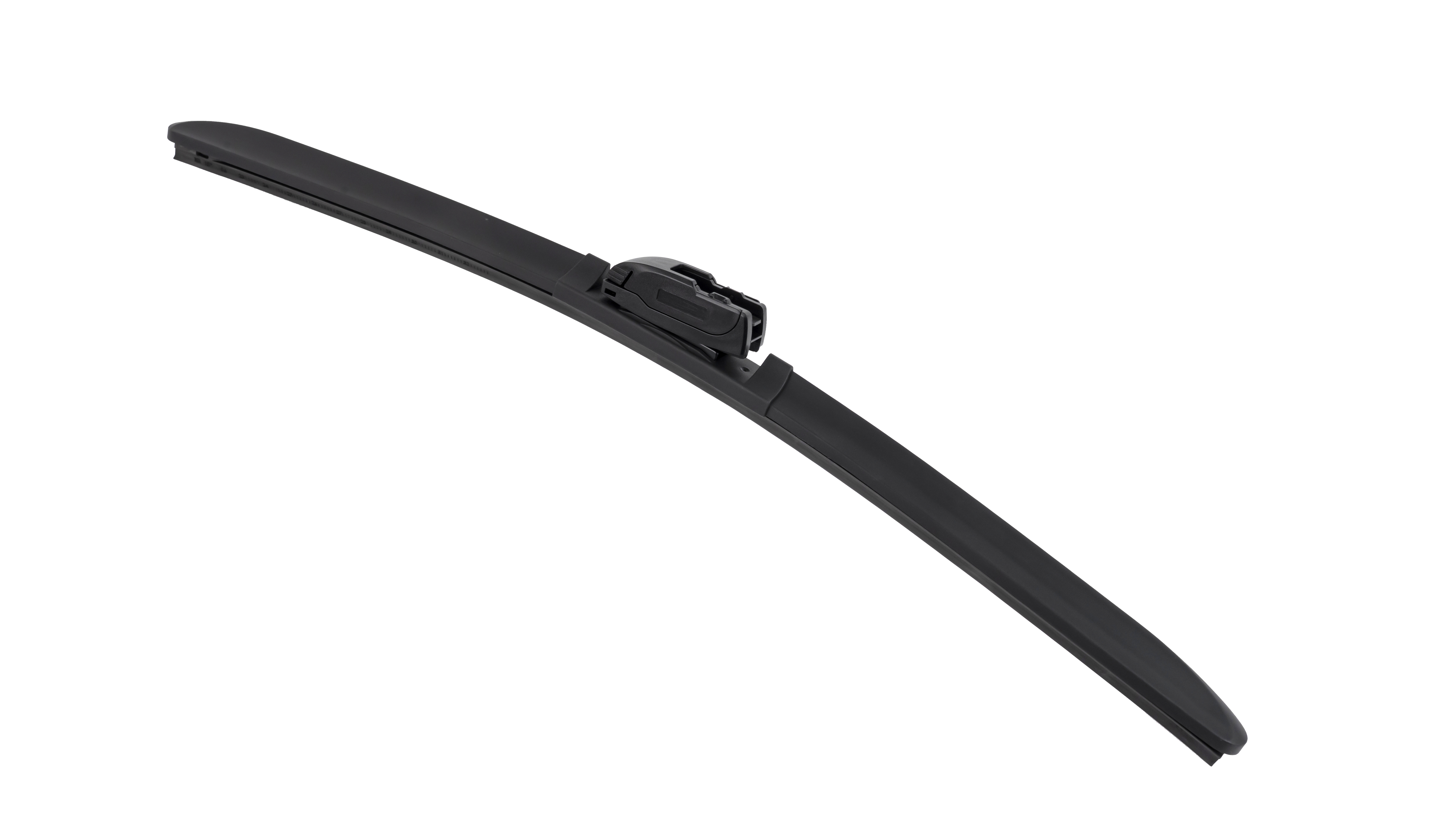
The vehicle arm moves a blade whose wiping element contacts the glass. The connection keeps the blade attached in its intended relationship, while the support structure and wiping element contribute to contact along the blade. A connector alone cannot establish the wiping result of the whole system.
Which relationships should be understood?
Separate the drive and arm, the connection, and the blade's support and wiping element when describing a requirement. QINAI's current catalogue concerns front and rear blade components and connection parts; a vehicle motor or linkage is a different item.
| Relationship | What to identify |
|---|---|
| Arm and connection | The actual mating interface and installed position |
| Connector and body | Locating, retention and movement features |
| Support and wiping element | The blade architecture and required supply item |
| Blade and glass | The installed condition and observed wiping pattern |
Why is correct connection only one part of the result?
A seated connector establishes a particular mechanical relationship. Glass condition, the wiping edge and the rest of the installed system still affect what is observed. Cleaning and rubber-condition checks are part of general troubleshooting; not every symptom is caused by the connector.
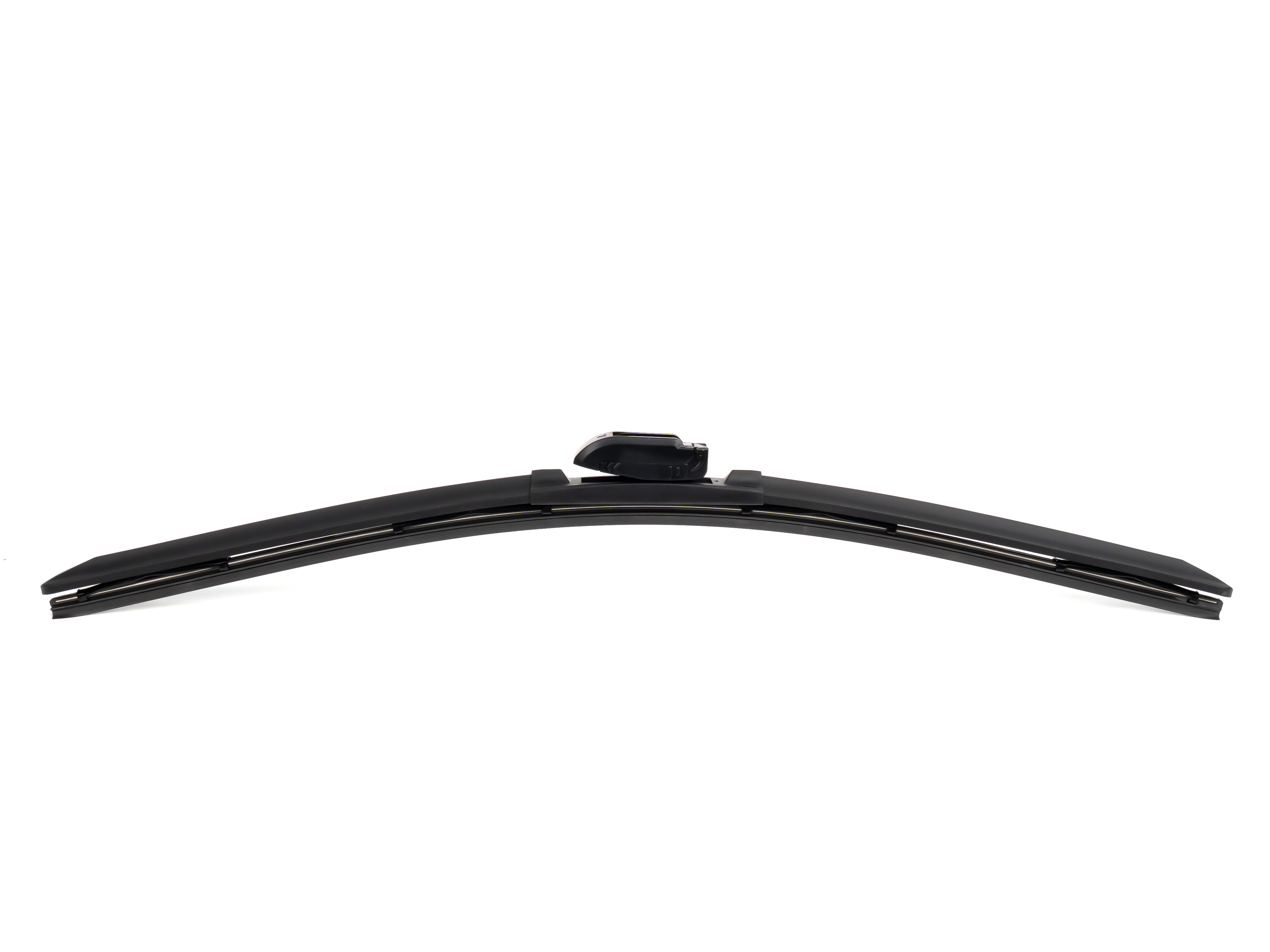
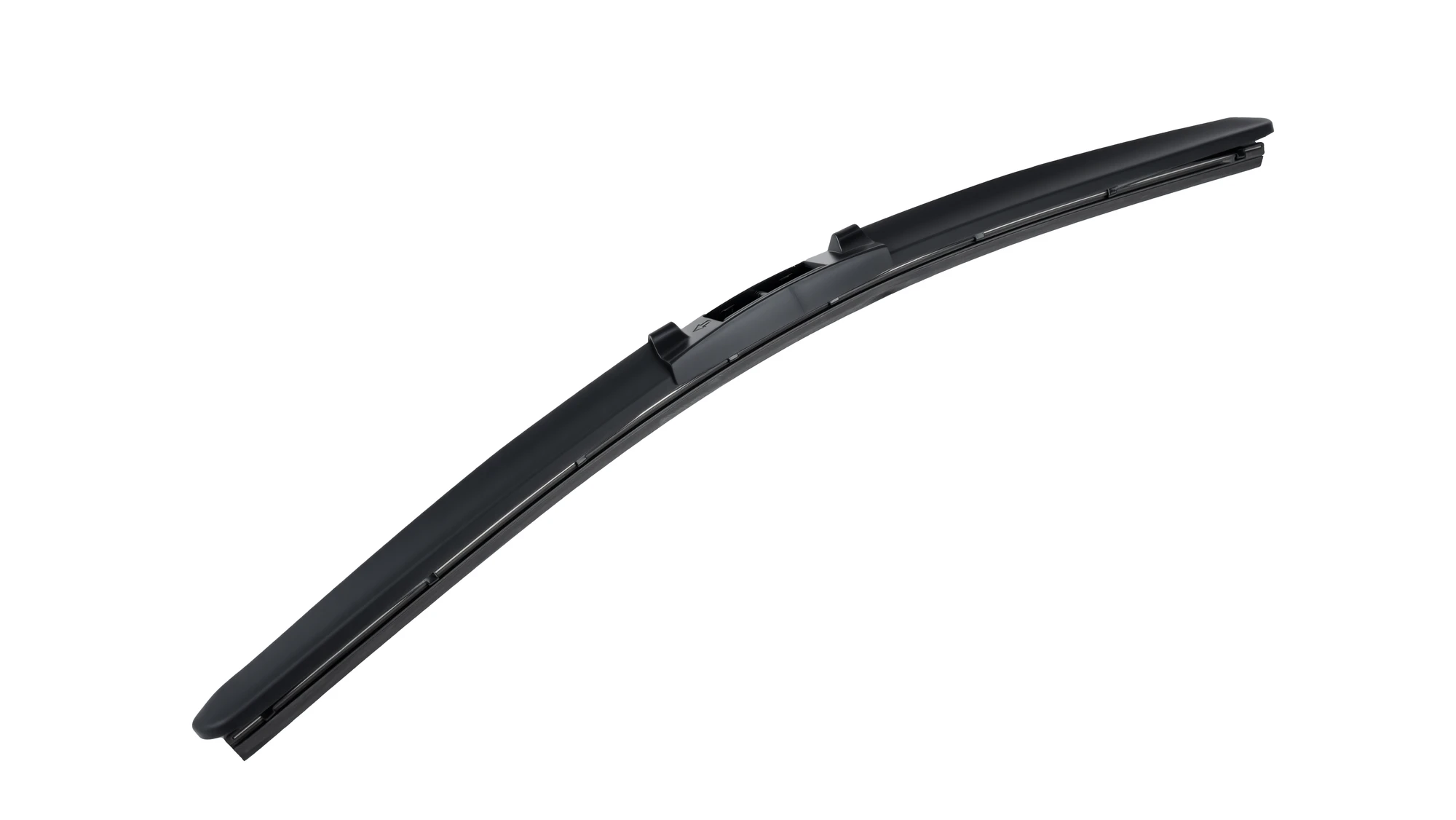
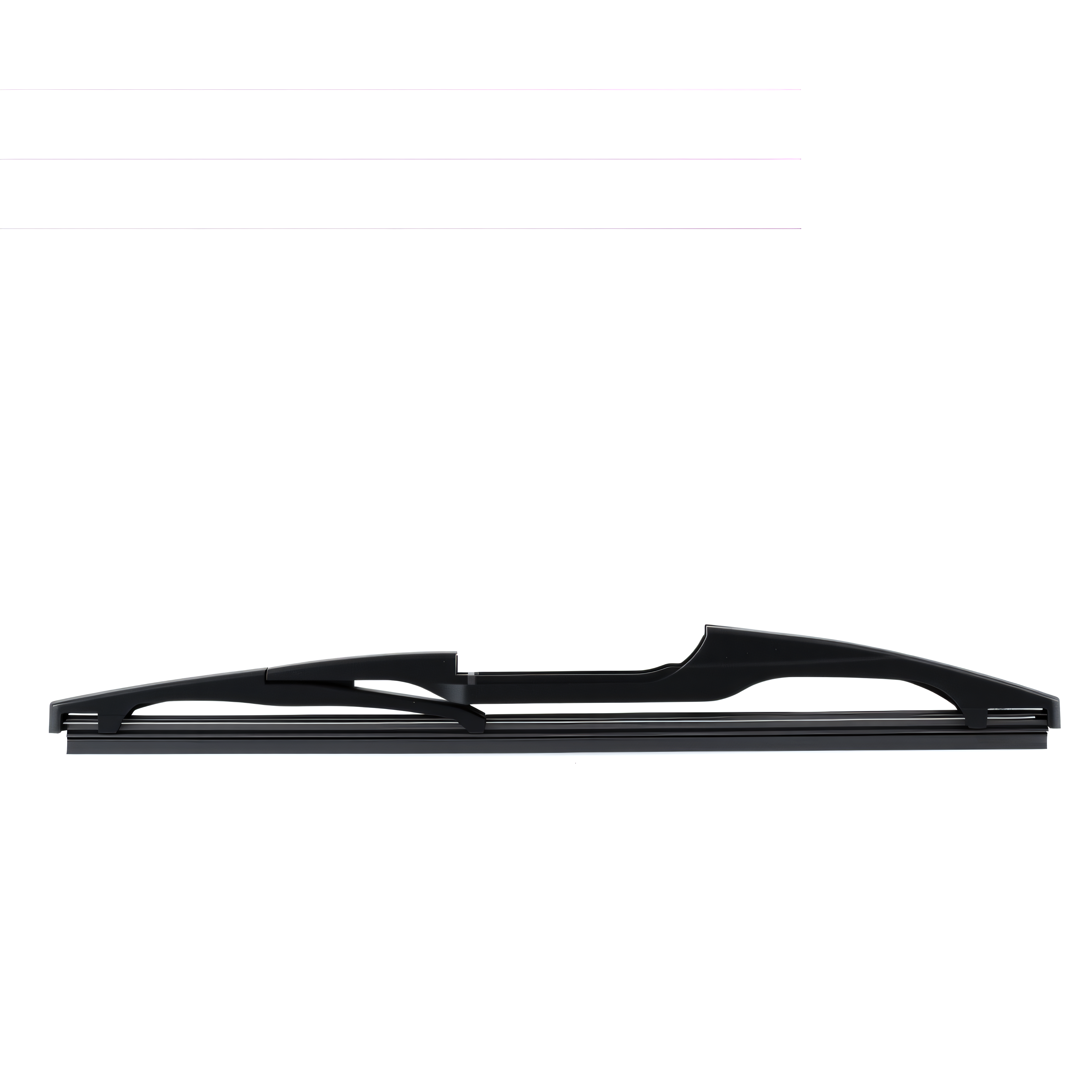
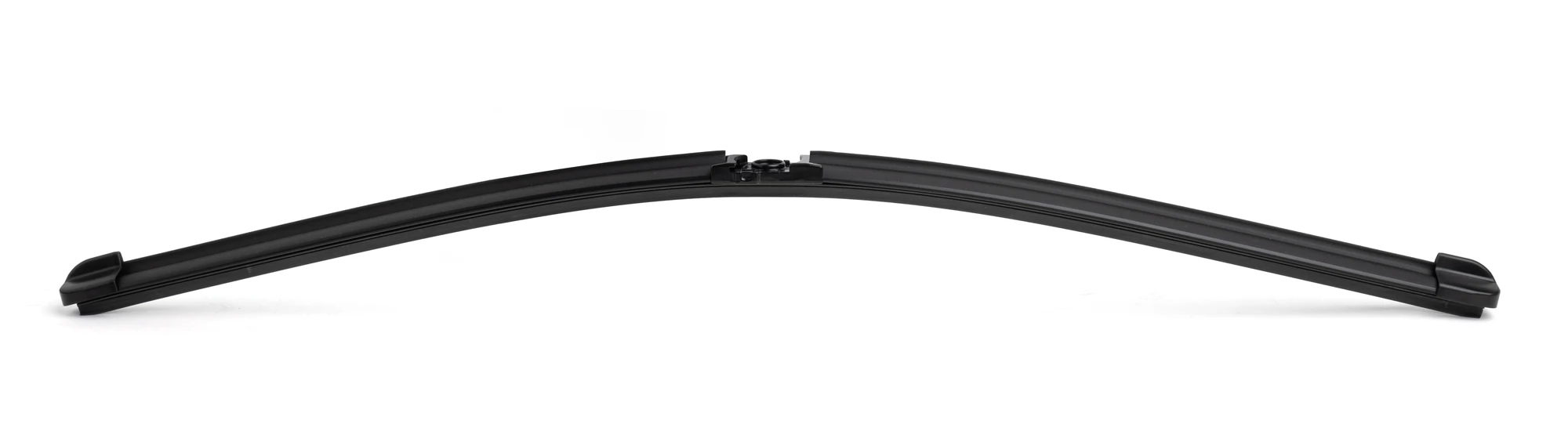
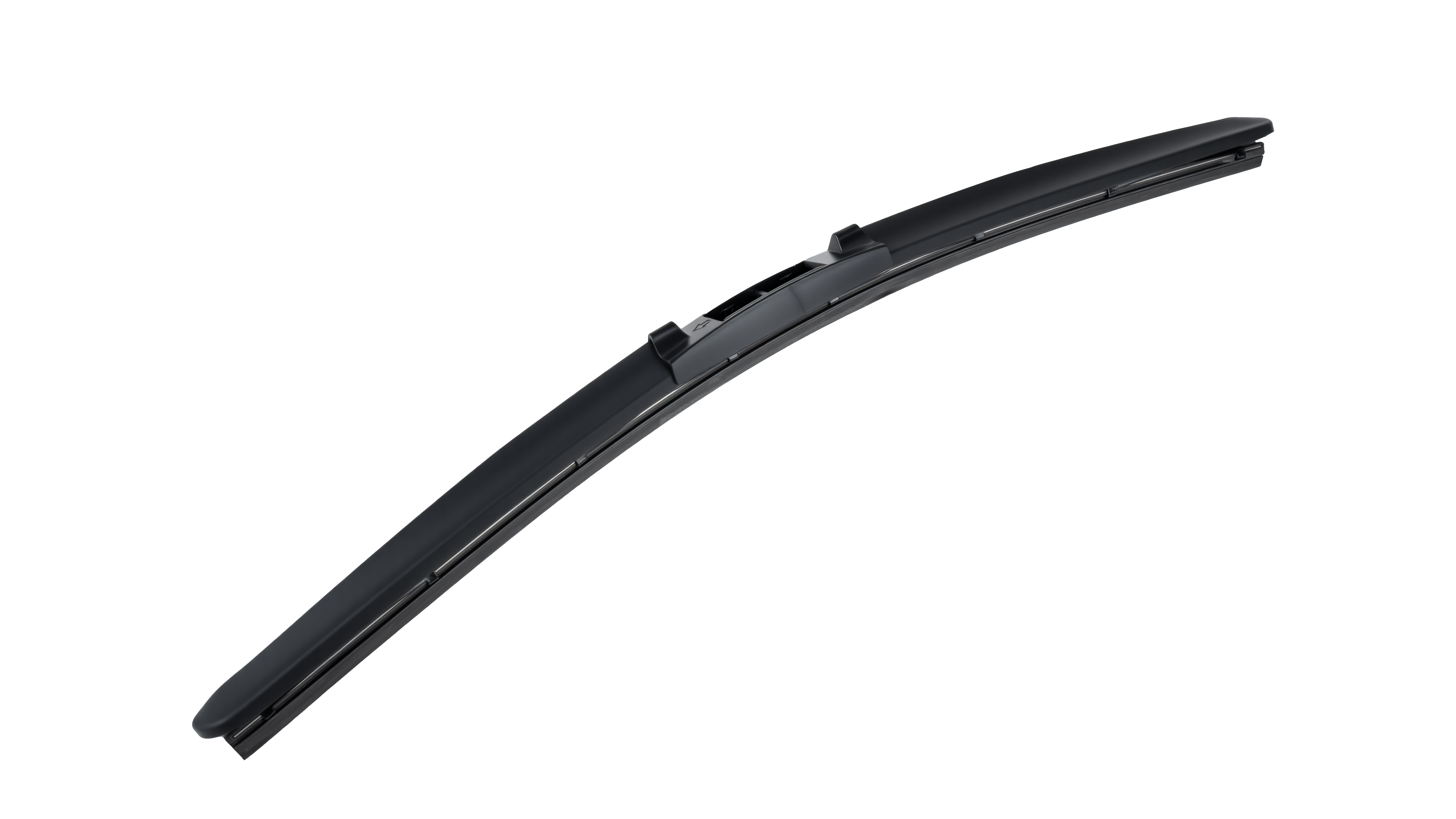
These catalogue component photographs are identification aids, not measurements of contact pressure or wiping performance.
Follow the action from the arm to the glass
The vehicle mechanism drives the arm through a sweep. The connection establishes the blade assembly's intended relationship with that arm. The support and wiping element then participate in the contact with the glass. This sequence explains why a connector is essential but cannot, by itself, describe the complete wiping result.
A review of a loose connector can address visible locating or retaining features. It cannot show the installed glass condition or every relationship along the blade. Keep the object of each observation clear when discussing component selection and system performance.
Understand why some movement can be necessary
A mechanical connection may constrain separation while allowing relative rotation required by its design. A general hinged joint provides a useful analogy: rotation around an axis and restraint against sliding off that axis are separate tasks. The actual wiper geometry determines which movement is intended.
Consequently, making every part immovable is not a universal improvement. At the same time, explaining all movement as normal could overlook loss of positioning or retention. Identify the moving parts, direction and applicable requirement before judging the condition.
Use the symptom to choose the review boundary
If the component stops during insertion, the immediate question concerns identity, orientation or the entry path. If a connection visibly disengages, the retaining relationship needs attention. If the connection appears installed but a wiping pattern remains, the observation concerns the complete system and may involve other conditions.
These distinctions prevent a supplier enquiry from assigning every complaint to the part being discussed. Describe the visible fact first, then connect it to the appropriate component or vehicle-system assessment. A useful report narrows the next question without inventing a diagnosis.
How should a problem be described?
State whether the issue occurs during assembly, at the connection during movement, or as a pattern on the glass. Record the model, mating parts and conditions before proposing a cause. Use connector locking checks for installation questions and the observation guide for wiping symptoms. Follow vehicle-specific instructions for maintenance and system diagnosis.
FAQ
No. The installed result also involves the support, wiping element, glass and vehicle-side conditions. A connector review addresses its particular mechanical relationships.
No. A design may require relative rotation while preventing separation. Identify the parts, direction and applicable requirements before deciding whether observed movement is intended.