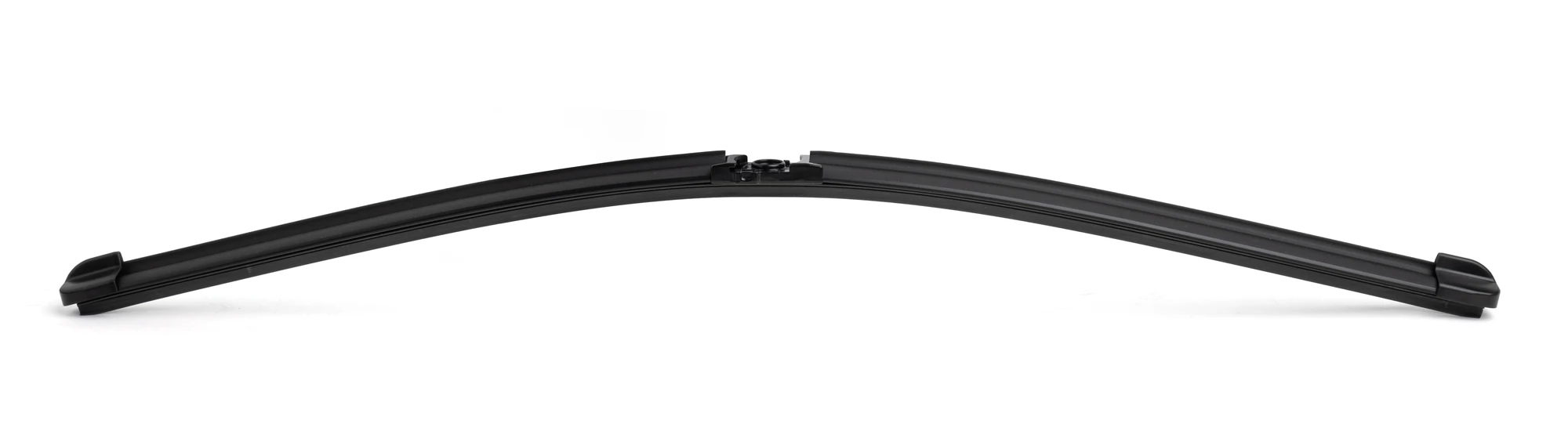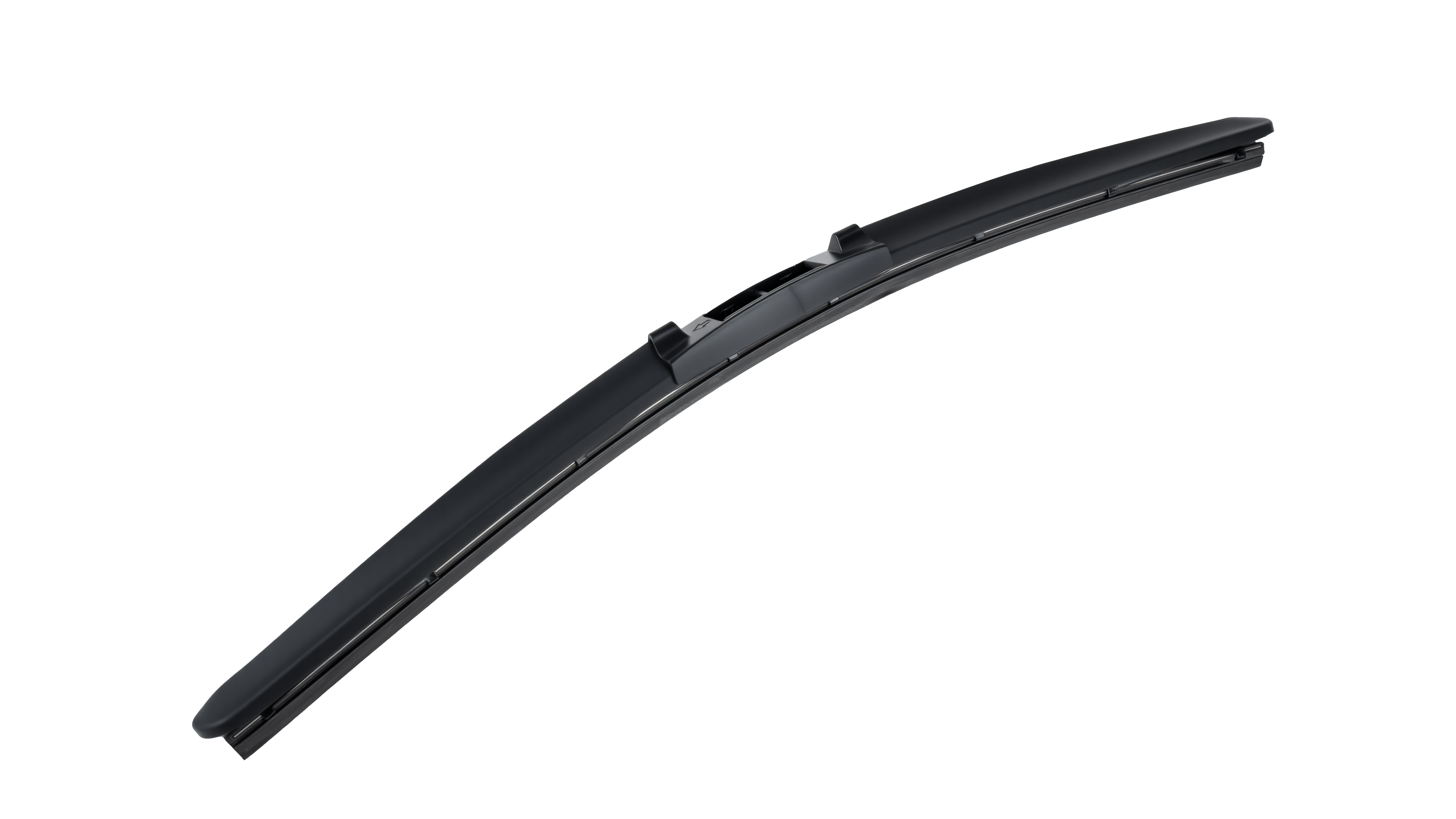
Wiper Connector Locking: Seating, Retention and Release
Published by QINAI (瑞安市汽耐雨刷制造有限公司).
Correct locking requires the intended parts to reach their specified installed relationship. A click, a closed cover or a firm insertion can provide feedback, but each must be interpreted against the actual design and installation instructions.
What is the difference between seating and retention?
Seating describes where mating parts are positioned. Retention describes how the connection resists unintended separation. A cover can appear closed before the underlying parts are correctly positioned, so inspect the relationship rather than judging a single external feature.
| Check | Observe | Record if unresolved |
|---|---|---|
| Orientation | Correct entry direction and matching parts | Which features conflict |
| Seating | Intended stop or locating relationship | Gap or obstruction location |
| Retention | Applicable locking check | Direction and extent of unexpected movement |
| Release | Specified release action and access | Step that cannot be completed |
Understand the stages behind the final appearance
In a general elastic-latch example, the mating part approaches the retaining feature, passes it while the flexible feature moves, and reaches the intended final position. A component can already be inside the outer housing before the retaining surfaces reach their final relationship. That is why partial insertion may look more complete than it actually is.
A sound can also originate from different actions. Closing a cover and passing a retaining feature are not necessarily the same event. Identify what moved and what position followed instead of using any click as a universal completion signal. The installation instructions for the actual design define the required sequence and check.
Separate insertion resistance from holding behavior
Resistance during insertion can come from intended contact and deflection, or from unwanted interference. A high insertion effort does not prove that the retaining surfaces have reached their intended position. Equally, a smooth insertion does not by itself establish that a connection will separate easily. Evaluate the completed state before discussing its retention behavior.
For comparison, keep the mating parts, direction and sample condition consistent. If one sample uses a worn counterpart and another uses a new one, the observed difference cannot automatically be assigned to the connector design.
Record the first obstruction
An entry obstruction, a mid-path stop and a failure to reach the final position direct attention to different areas. Capture the state before additional force deforms the parts. Include the corresponding separated interfaces where safe to do so. These observations help locate a review question; they do not replace the product's defined inspection procedure or justify improvised pulling tests.
How should a difficult connection be investigated?
Stop forcing the part and check identity, orientation, latch position and visible obstruction. Record the sample and mating-part references with a close-up of the affected position. Do not cut a retaining feature or substitute an adhesive repair for a functioning latch.
Does movement always mean the connector is loose?
No. Some movement may be intended by the connection design, while lift or separation elsewhere can indicate a different issue. Identify the movement direction and location before assessing it. No universal force or clearance value is specified here; use the requirements for the actual component. See the assembly anatomy for the relationship between parts and the sample review for recording the result.
FAQ
No. Insertion resistance and resistance to unintended separation concern different stages and contact conditions. First establish the correct installed position, then use the specified retention assessment.
Show the stage and first contact location before applying more force, together with the sample and mating-part identities. Entry interference and a stop near the final position are different review questions.