Four Wiper-Care Priorities: Clean, Inspect, Fit and Replace
Published by QINAI (瑞安市汽耐雨刷制造有限公司).
Routine wiper care involves cleaning the contact surfaces, inspecting condition, confirming installation and deciding when replacement or further assessment is needed. Use the vehicle handbook and the instructions for the installed blade for the actual maintenance procedure.
1. Clean before comparing wiping results
Follow the applicable cleaning instructions for the glass and wiping edge. Dirt can contribute to streaking and vibration, so a contaminated surface can confuse a before-and-after comparison.

2. Inspect the condition you can observe
Look for visible damage, a separated or damaged wiping edge and an abnormal connection. Record the affected part and location. A photograph can document the condition, while the reason for the damage may still require investigation.
3. Confirm installation using the correct instructions
Consult the vehicle handbook for the service position and protect the windscreen during replacement. Follow the instructions for the actual blade; the release method is not universal. Do not force an unidentified connector or bend the arm to make it fit.
Separate an observation from a maintenance decision
A streak, a noise and visible damage are different observations. Record where the symptom occurs and whether it persists after the appropriate instructed cleaning. A visibly damaged wiping element may require replacement, while an unresolved system symptom may need further assessment. Do not force every observation into a fixed replacement interval.
If the connection is insecure, a retaining feature is broken or operation interferes with visibility, stop use and arrange the appropriate remedy. General care advice is not a reason to continue using an unsafe assembly.
Preserve the original condition during comparison
When practical, note what was changed between observations. Cleaning the glass, changing the blade and adjusting another system condition at the same time prevents a clear conclusion about which action mattered. If several actions are necessary, record all of them rather than attributing the result to one new component.
A short record can include the installed item, the visible symptom, the relevant conditions and the action taken. It does not need to predict the cause before the inspection is complete.
Use the correct procedure for the installed vehicle
Some vehicle arrangements require a specified service position before the blades can be accessed. Consult the handbook rather than forcing the arm past an obstruction. Keep the glass protected as instructed when a blade is removed, and do not let an unsupported arm strike it.
The blade's release method is also design-specific. Follow the instructions for the actual component; do not cut, bend or glue a connection to make an unidentified part fit. Where the appropriate method or replacement identity is unclear, obtain qualified assistance before continuing.
4. Replace or obtain further assessment when needed
Persistent poor wiping after appropriate cleaning, visible damage or an insecure connection needs action. Replace damaged parts with the correct items and have unresolved vehicle-system issues assessed. Do not use a fixed website interval as a substitute for the product instructions and observed condition.
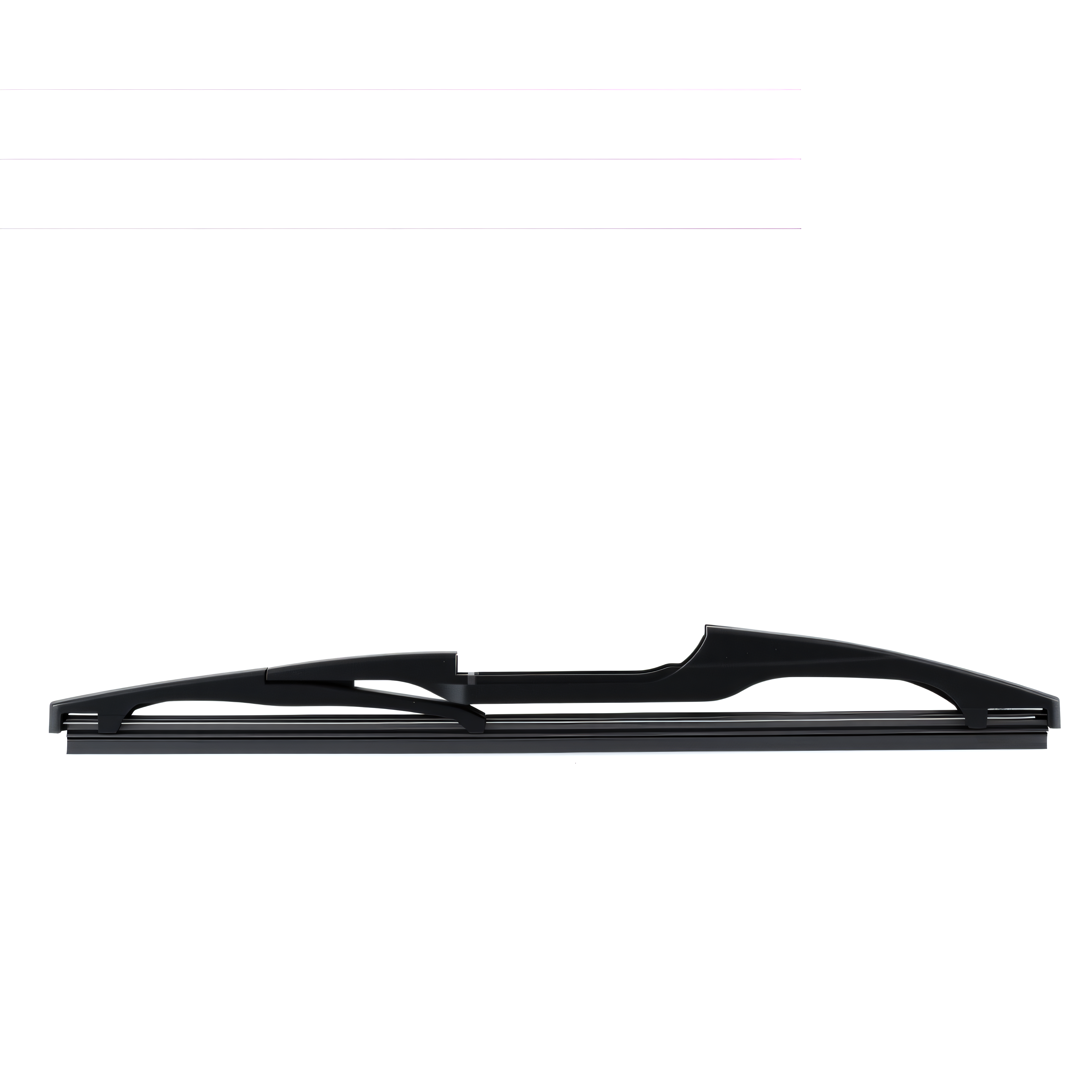
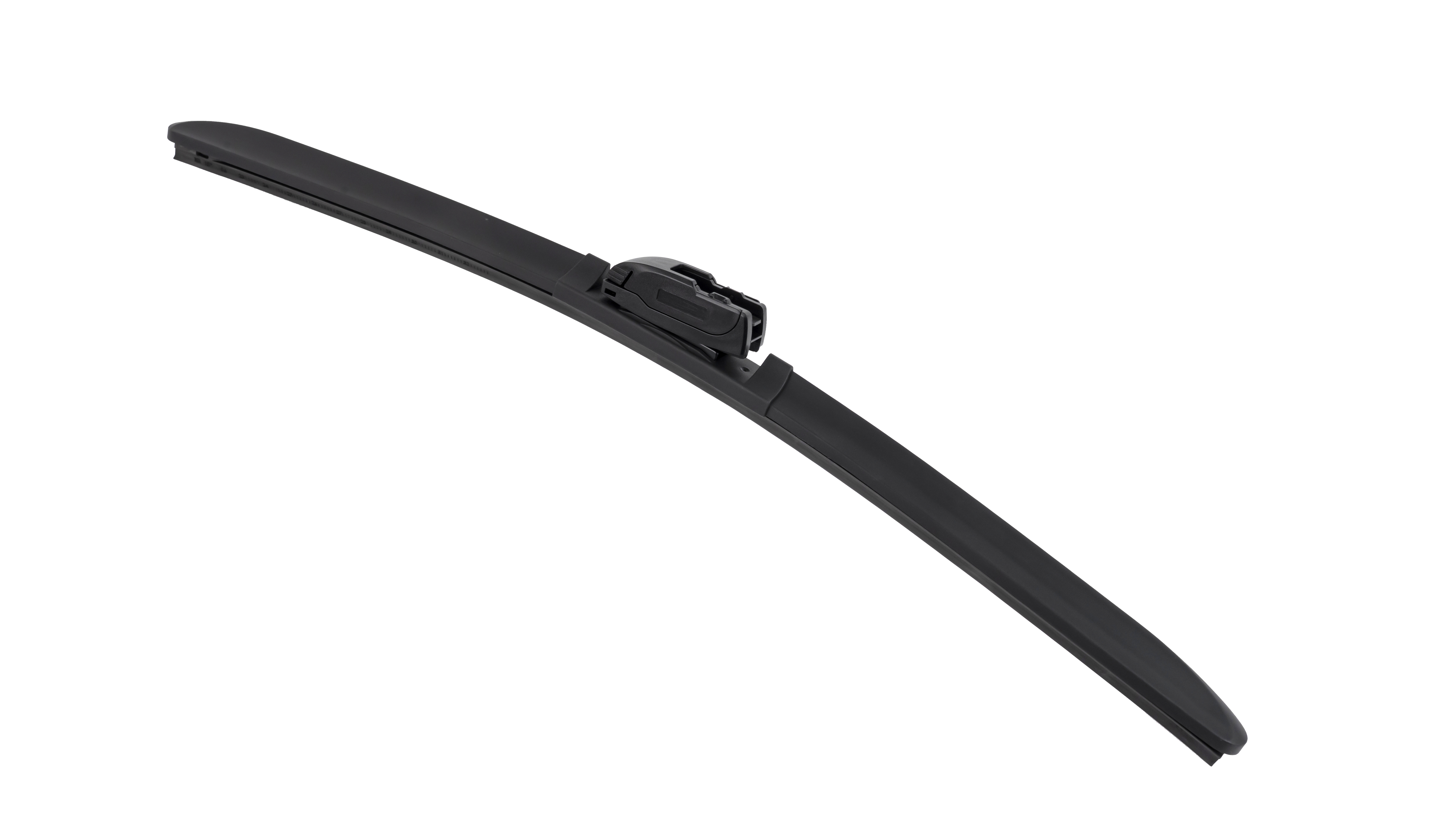
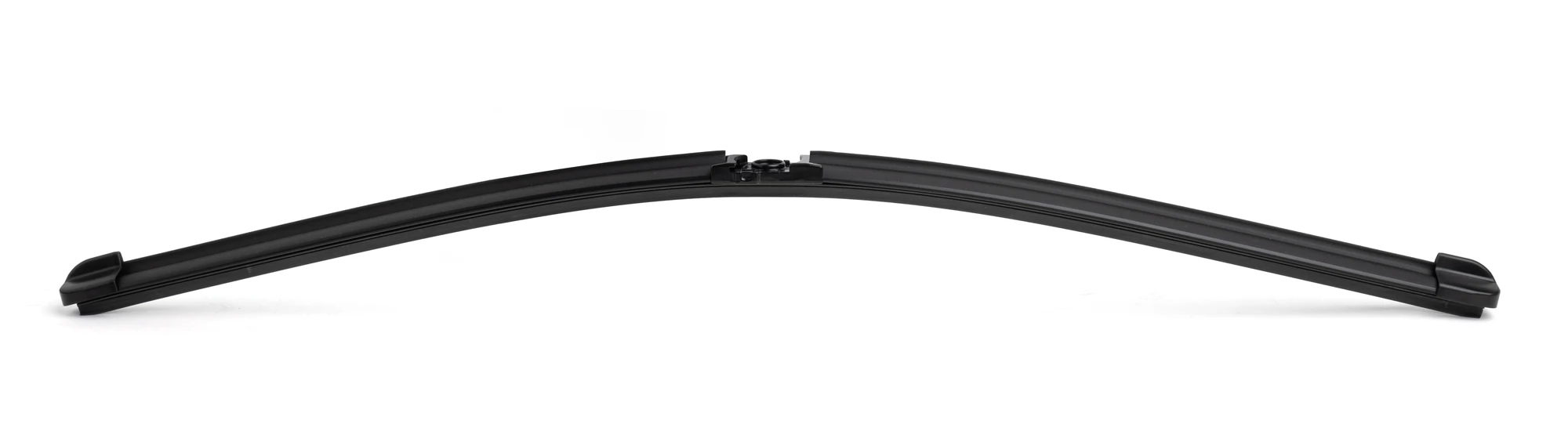
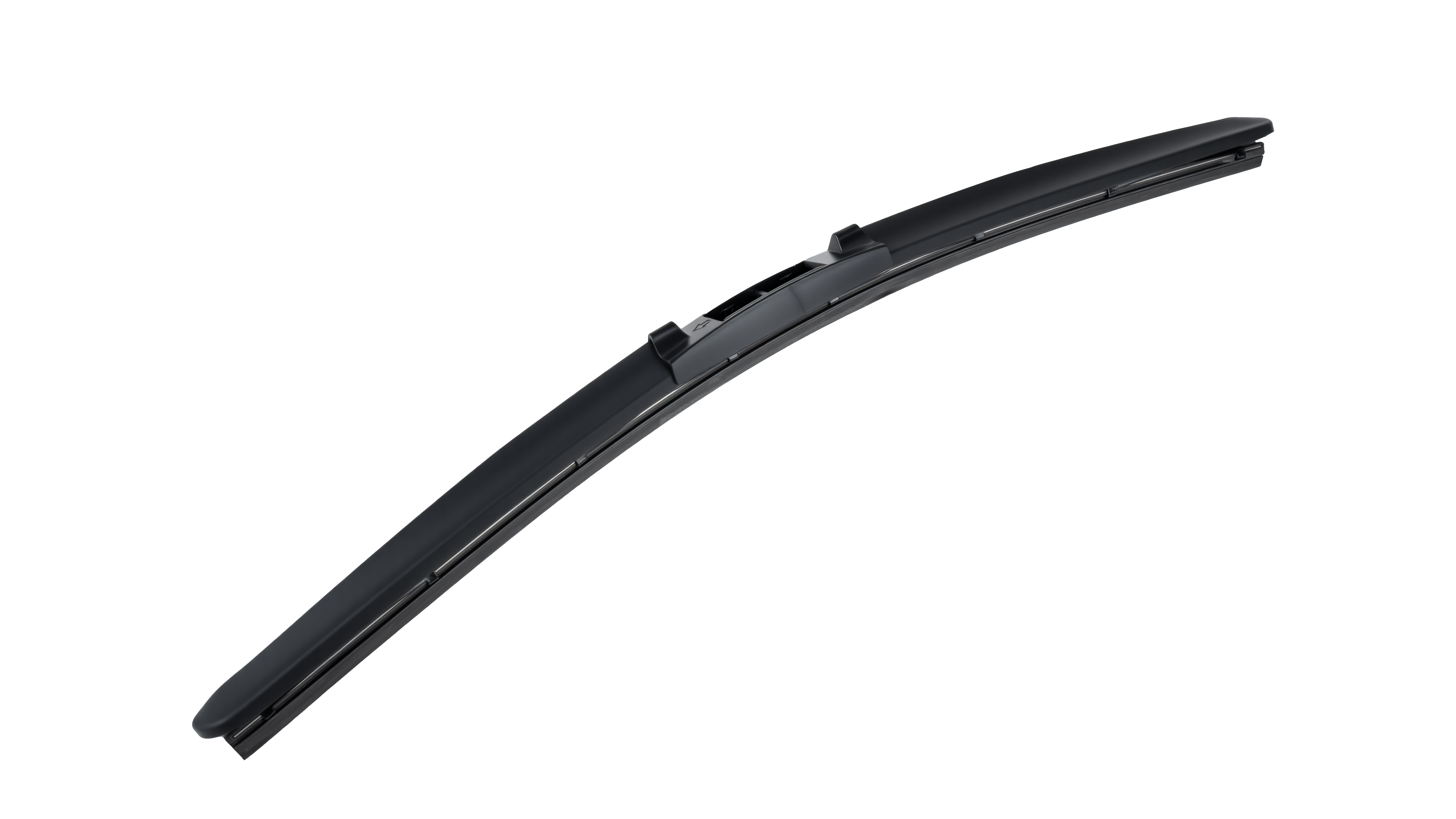
The rain images illustrate the topic and are not before-and-after test evidence. For a repeatable problem record, use the wiping observation guide; for a connector concern, use the locking checks.
FAQ
No. Use the installed product's instructions and observed condition. Visible damage, insecure attachment or persistent symptoms can require action independently of a general interval.
Consult the vehicle handbook for the correct access or service-position procedure. Do not force the arm past an obstruction or copy another vehicle's method.