Observe Wiper Contact Problems Without Guessing the Cause
Published by QINAI (瑞安市汽耐雨刷制造有限公司).
A useful wiping report records the visible pattern, when it occurs and the condition of the installed assembly. The observation narrows the investigation; it does not by itself prove that the connector, rubber or vehicle arm is the cause.
Which observations are useful first?
Identify the affected area of glass, direction of travel and repeatability of the symptom. Record whether it began after replacement or a configuration change, along with the blade and connection references.
| Observation | Record before drawing a conclusion |
|---|---|
| Narrow streak | Location and whether the pattern repeats |
| Broad unwiped area | Area, sweep direction and installed configuration |
| Skipping or vibration | Position, direction and conditions when it occurs |
| Movement at the connection | Exact joint and direction of movement |
How should a comparison be kept useful?
Record cleaning, part replacement or other changes between observations. Contamination and rubber condition are relevant checks for streaking and vibration; persistent symptoms require further assessment. These checks concern general fault investigation and do not prove a QINAI model's performance.
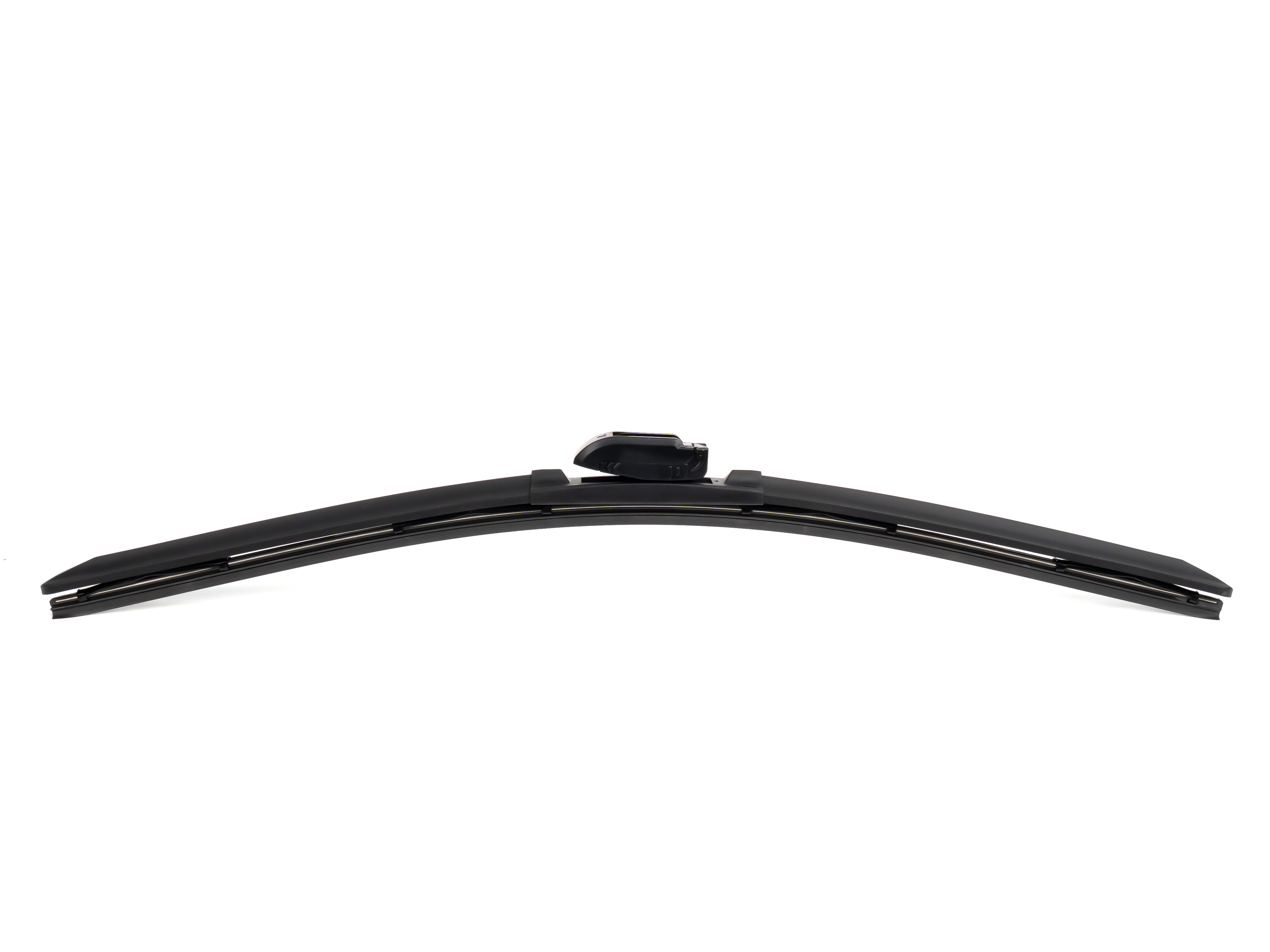
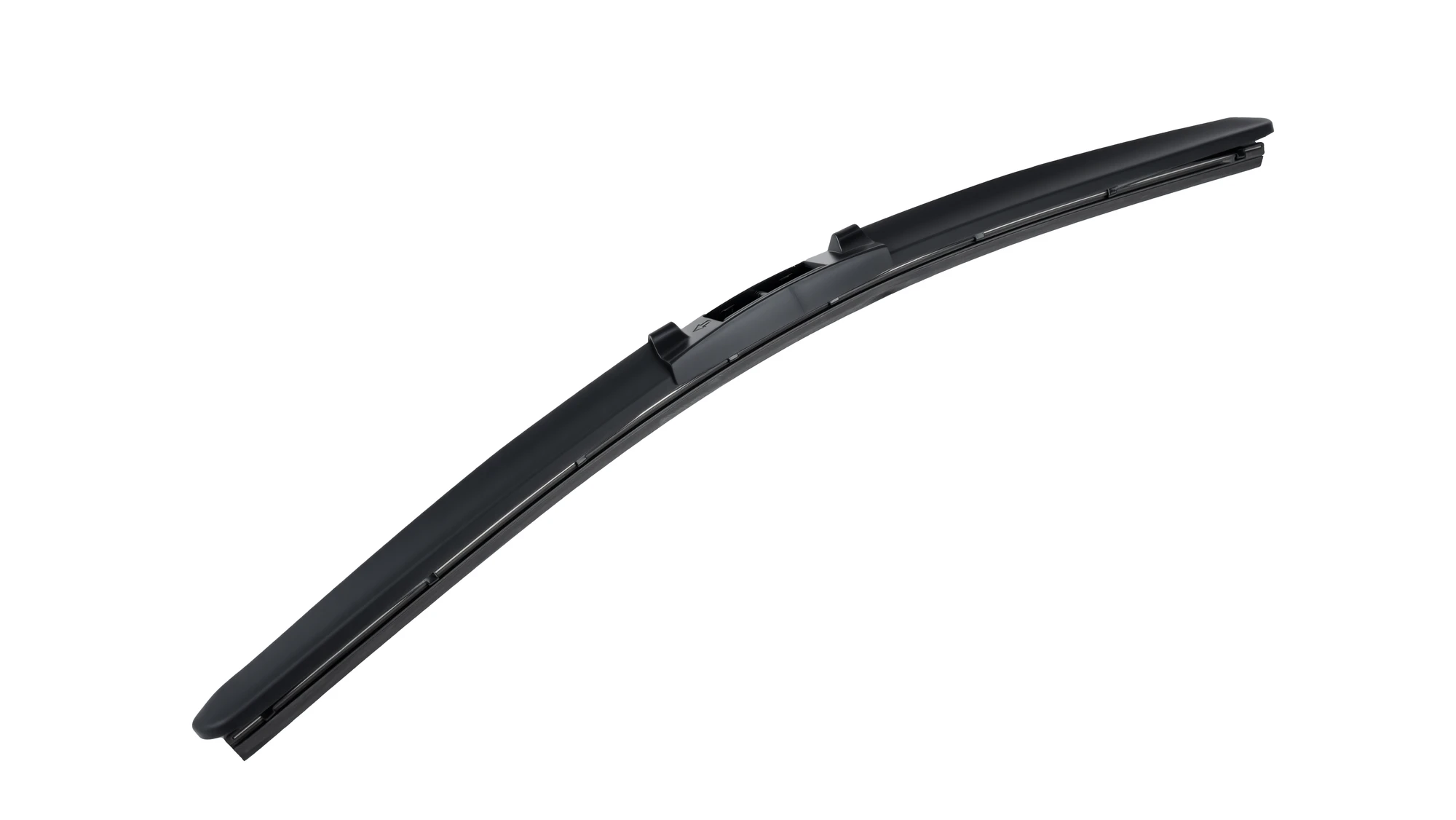
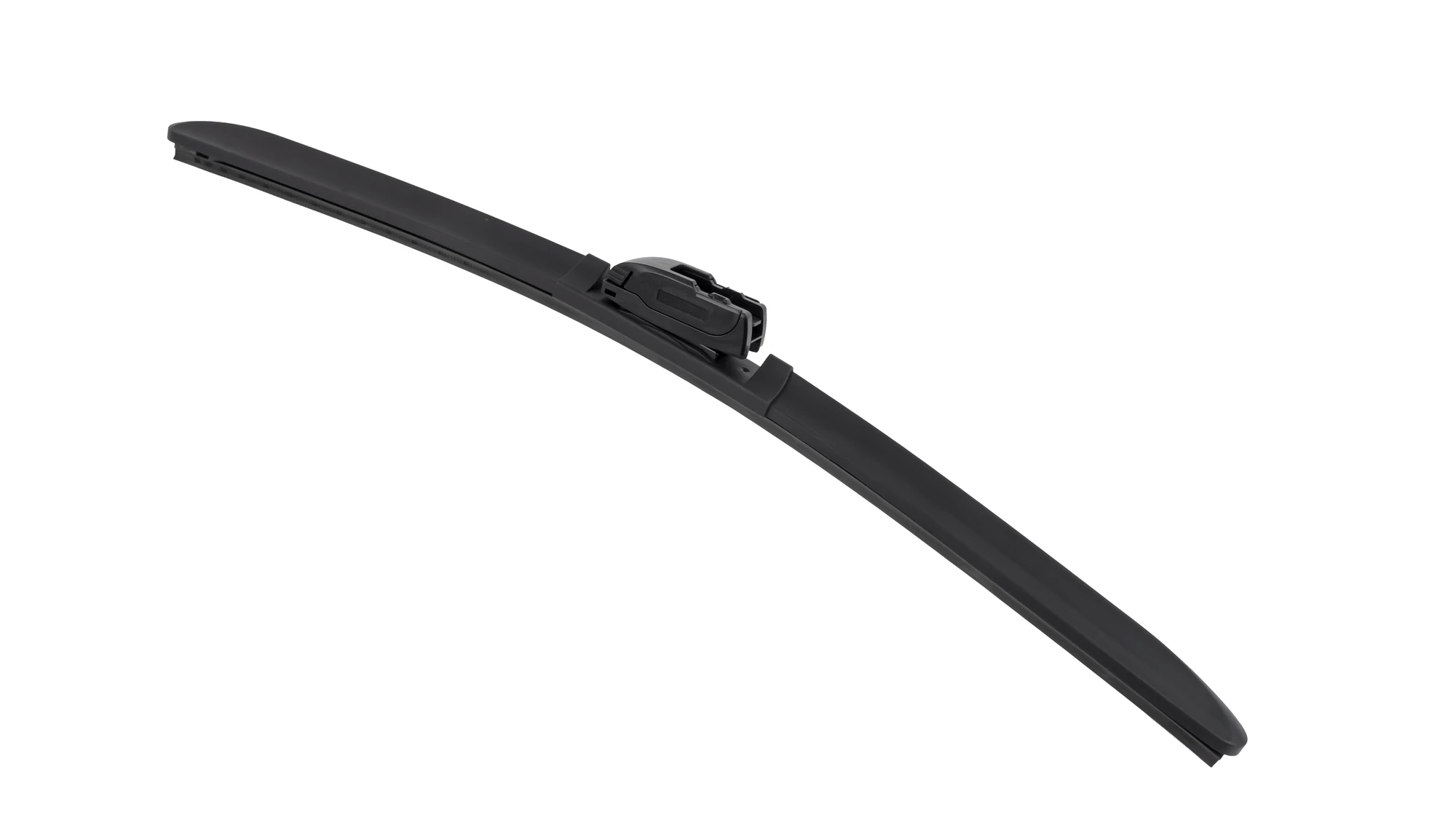
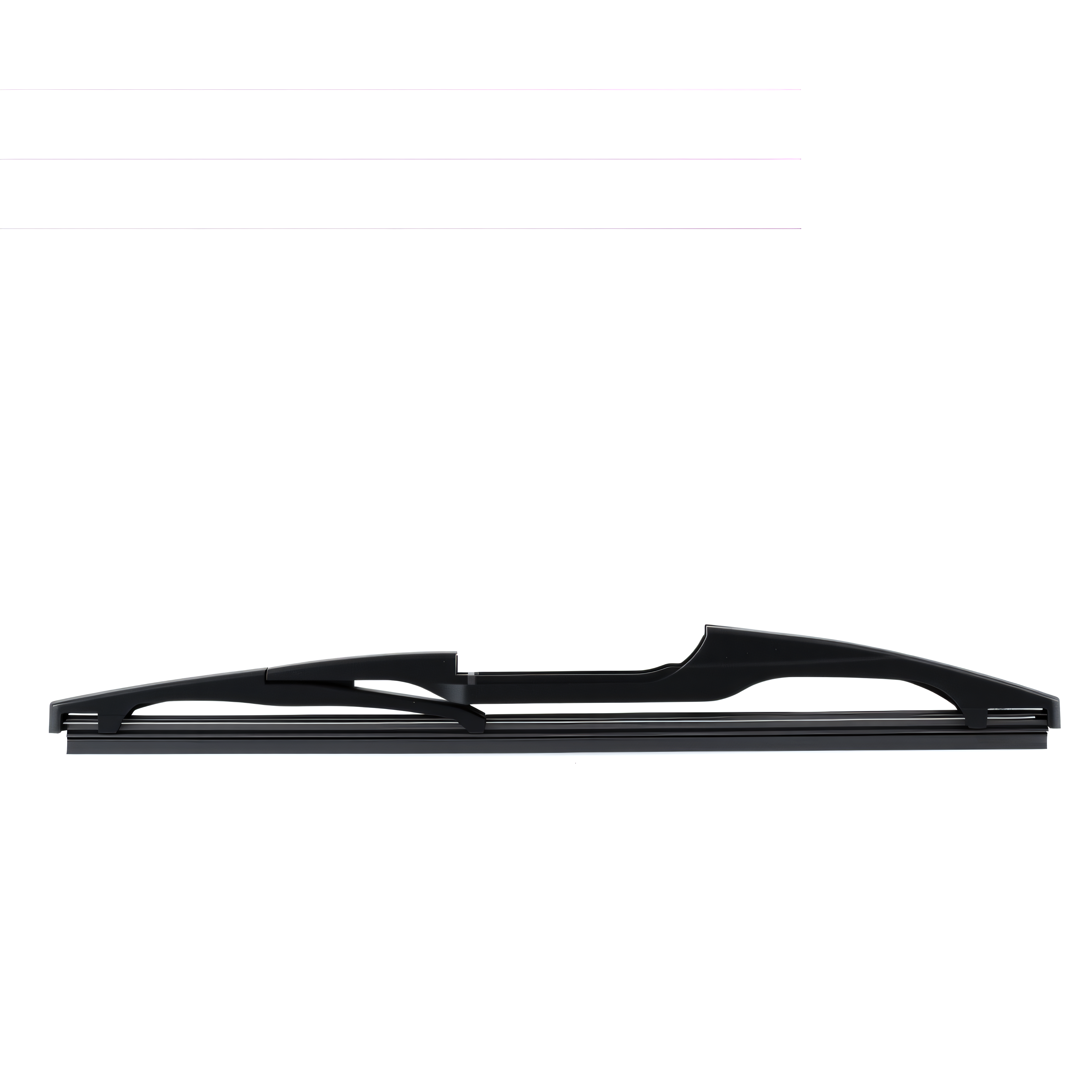
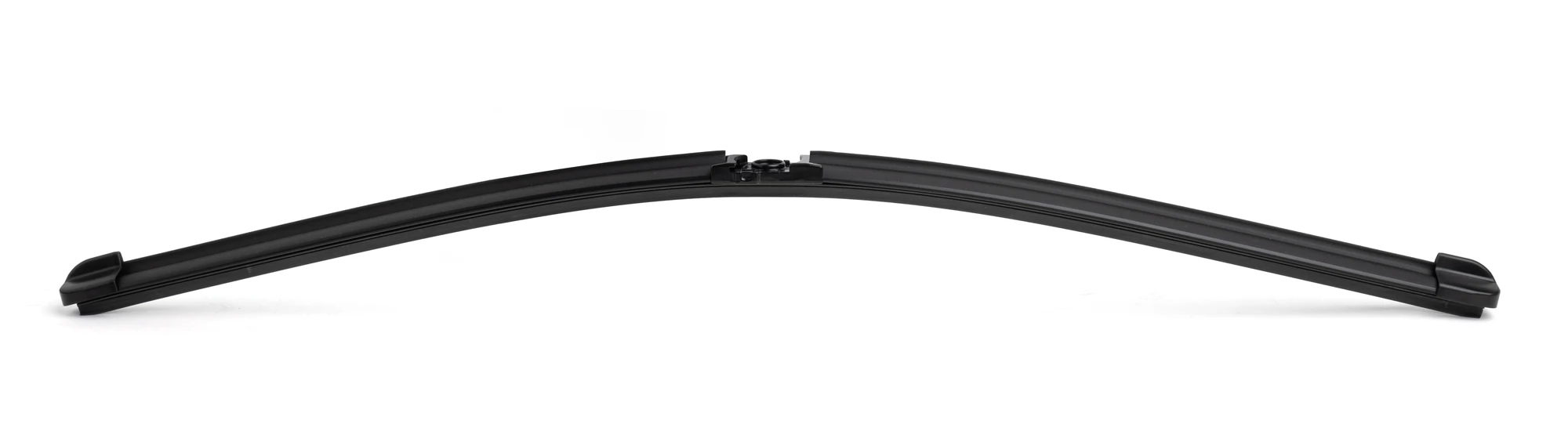
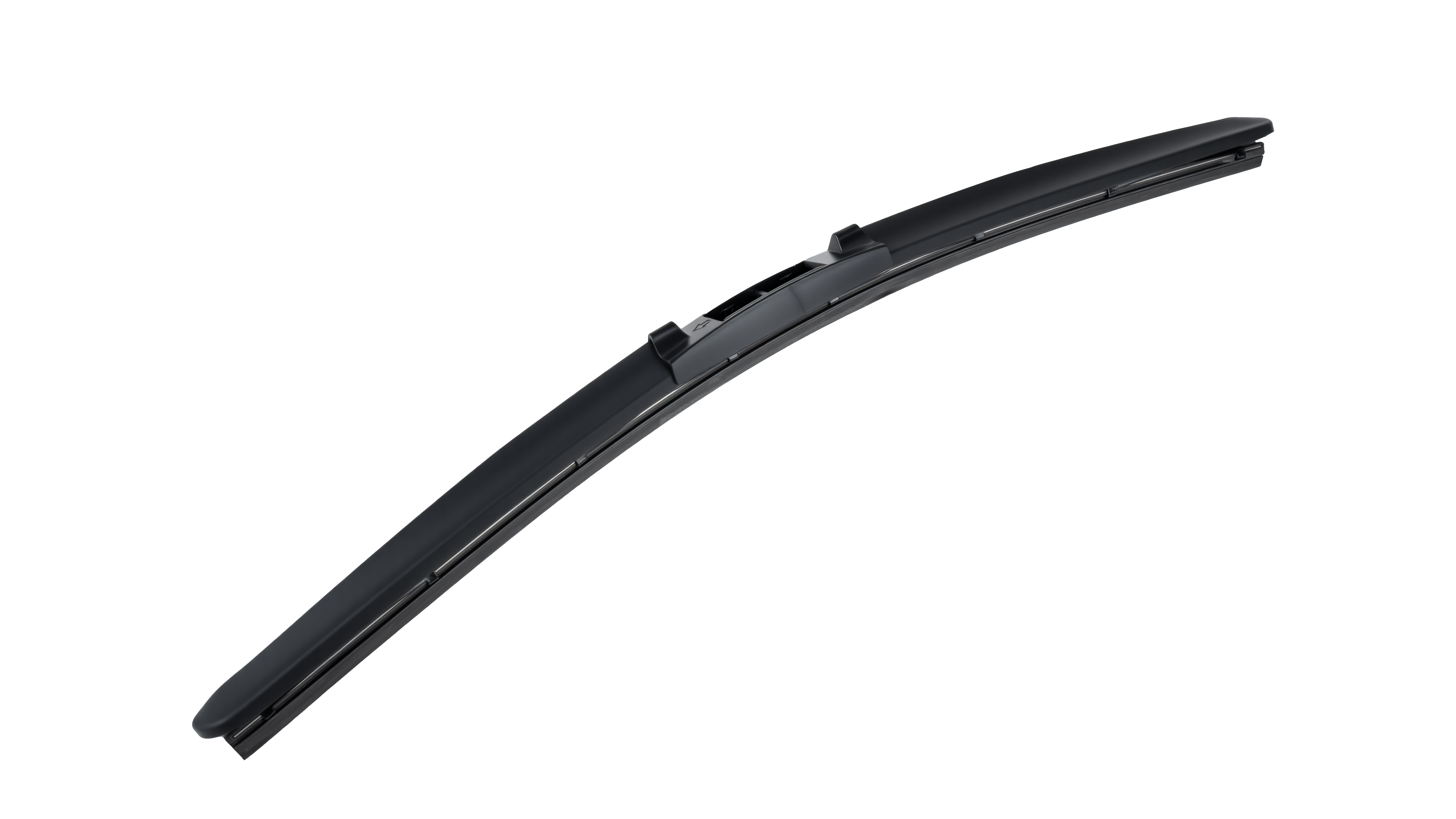
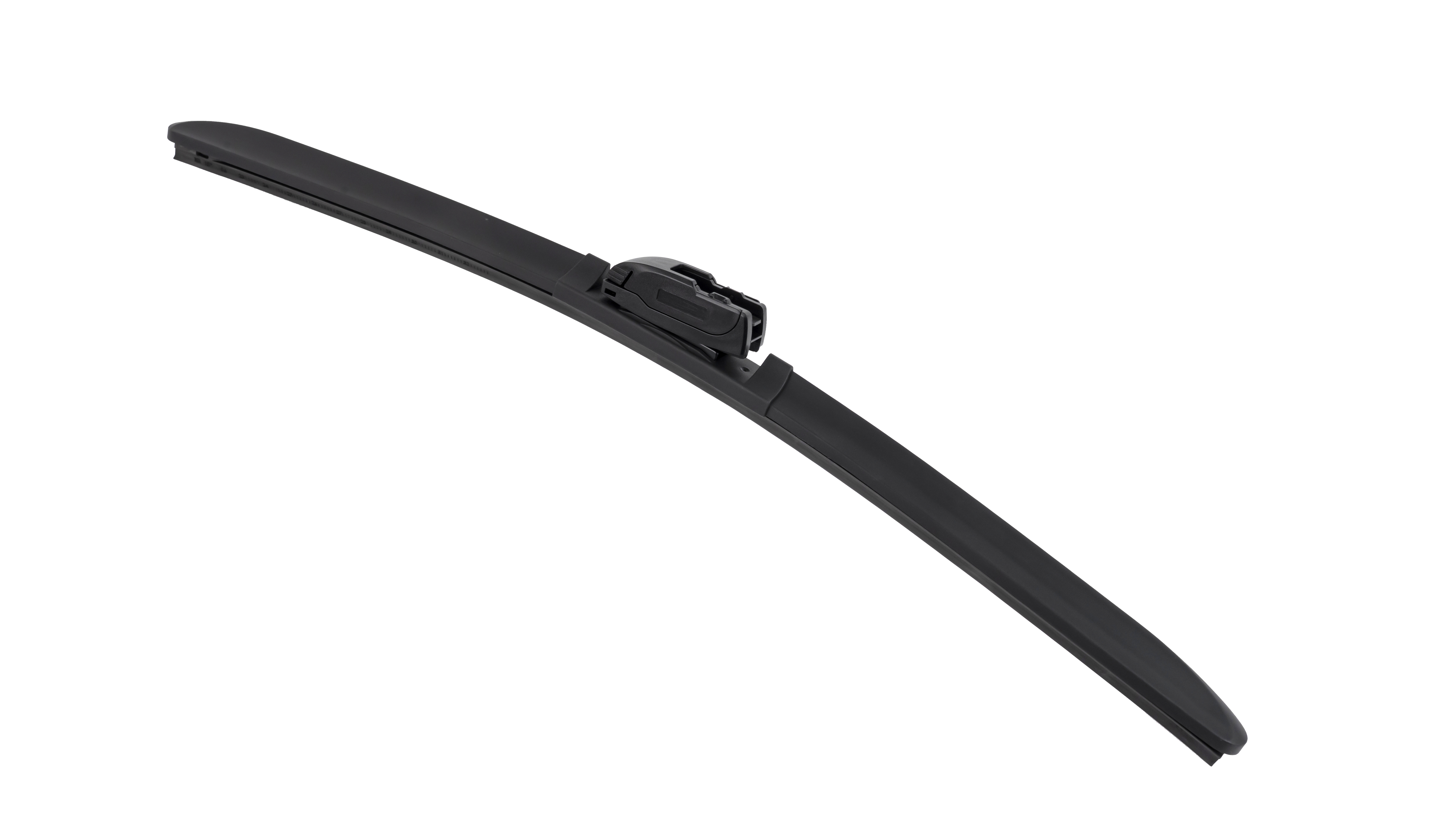
The existing catalogue and theme images illustrate the subject; they are not test images from the reported vehicle.
Use location and timing to describe the pattern
A narrow repeatable line, a broad area that remains wet and a vibration during one part of the sweep describe different observations. Record the direction and phase of movement as well as the area affected. These details help organize an investigation, but none of them should be treated as a guaranteed diagnosis on its own.
A complete-sweep video establishes context, while a stopped close-up can show the relevant connection or visible rubber condition. Sound alone provides less information about where the symptom occurs. Keep people and equipment clear of the moving mechanism, and follow the vehicle instructions for inspection.
Change one condition at a time where practical
For a simple before-and-after comparison, record the original state, perform the appropriate cleaning or other instructed action, then observe the same combination under comparable conditions. If several components are replaced at once, the overall result may change, but the improvement cannot automatically be attributed to one of them.
This distinction matters in a supplier discussion. “The pattern remained after cleaning, with the same installed combination” is a limited but useful observation. “The connector caused the pattern” is a causal conclusion that requires more evidence.
Recognize when the evidence is already specific
A damaged latch or visible disengagement identifies a connection condition that needs attention. It should not be dismissed merely because wiping complaints can have several causes. Stop use when the connection is unsafe or visibility is affected, and arrange the appropriate assessment.
For less clear symptoms, retain the uncertainty. The purpose of the report is to make the next review better targeted, not to force every problem into the component category being sold.
When does the issue need a different review?
Separate a visible connection problem from a suspected arm, linkage or electrical issue. Follow the vehicle and blade instructions, and use a qualified workshop for vehicle-system diagnosis. Do not alter the arm to compensate for an unidentified mismatch. The locking guide addresses connection observations; the care guide covers routine cleaning, inspection and replacement decisions.
FAQ
A video can show timing, location and movement, but it may not establish the cause. Keep visible connection defects separate from broader wiping patterns and obtain the appropriate assessment.
When multiple parts or conditions change together, the result cannot be attributed confidently to only one change. List all changes so the comparison remains interpretable.