Four Ways to Make Wiper Component Sourcing More Efficient
Published by QINAI (瑞安市汽耐雨刷制造有限公司).
Sourcing becomes easier to continue when each exchange removes a specific uncertainty. Four practical habits are complete model references, organized photographs, explicit differences and a current decision record. They reduce avoidable clarification without skipping sample or application checks.
1. Keep the complete model reference
Retain letters, numbers and suffixes in the enquiry, filenames and item list. If identification is uncertain, use a sample ID and mark the catalogue model as a candidate. This prevents a tentative visual match from becoming an order reference by repetition.
2. Organize photographs around the question
Include an overall view and the relevant connection detail, with a model or sample ID. Use consistent directions when comparing candidates. State which feature needs clarification instead of sending several unlabelled images and asking whether they are the same.
3. State the difference that matters
Describe the feature, condition and effect being observed. For example, identify where a cover is obstructed and which mating parts were used. Keep a proposed cause separate from the observation so it can be checked rather than assumed.
Apply the habits to a single exchange
Imagine receiving three unlabelled photographs and the message “need this, please quote.” The recipient has to determine whether the images show one item or several, which part is required, what quantity means and whether the request concerns identification or an order. A longer message is not automatically better, but a few precise references can remove these ambiguities.
A more useful version identifies Sample A, states that the existing blade body will remain, names the arm-side connection as the question and asks for a candidate comparison. The image set contains an overall view and the two relevant interfaces. Estimated quantities can be added with their units, while the final combination remains open.
Choose the next evidence by its decision value
More attachments do not always make a review faster. If the unresolved feature is hidden underneath the connector, several additional front views may add little. Request the underside or the relevant drawing. If the issue concerns a measured width, define the surfaces and state the method instead of sending another dimension with no reference points.
This approach focuses each exchange on a question that can actually be resolved. It also makes clear when a photograph is sufficient and when a sample or technical document is required.
Preserve useful uncertainty
A candidate that is clearly marked as unresolved is easier to manage than a guessed model repeated across several messages. Keep the question attached to the item and update it when evidence arrives. The aim is to reduce avoidable clarification, not to shorten the process by skipping the review that the application needs.
4. Maintain one current decision record
Bring confirmed items, outstanding questions and the next required evidence into a short shared record. Link the valid drawing and sample instead of copying fragments across multiple messages. The next colleague should know both what has been decided and what is still open.
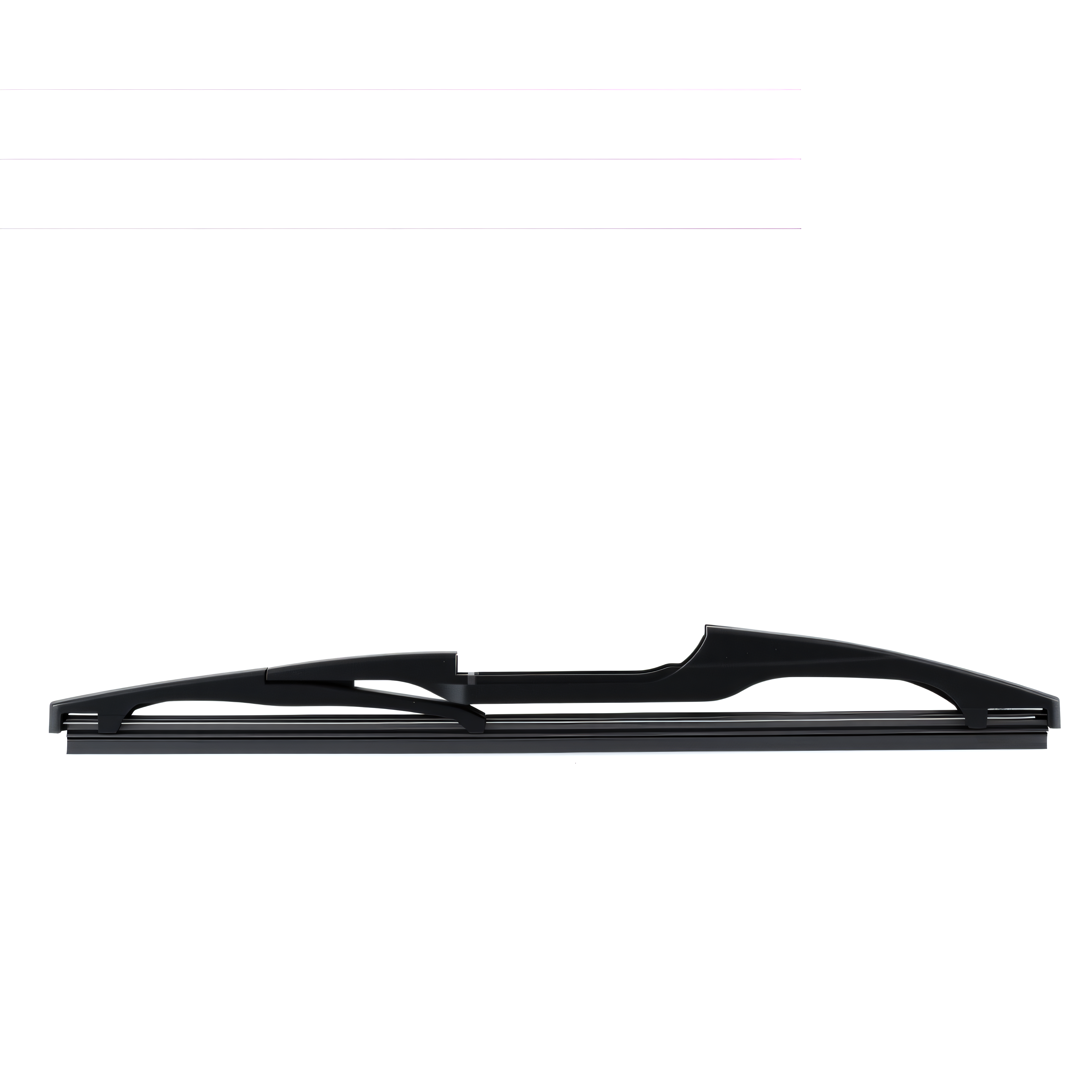
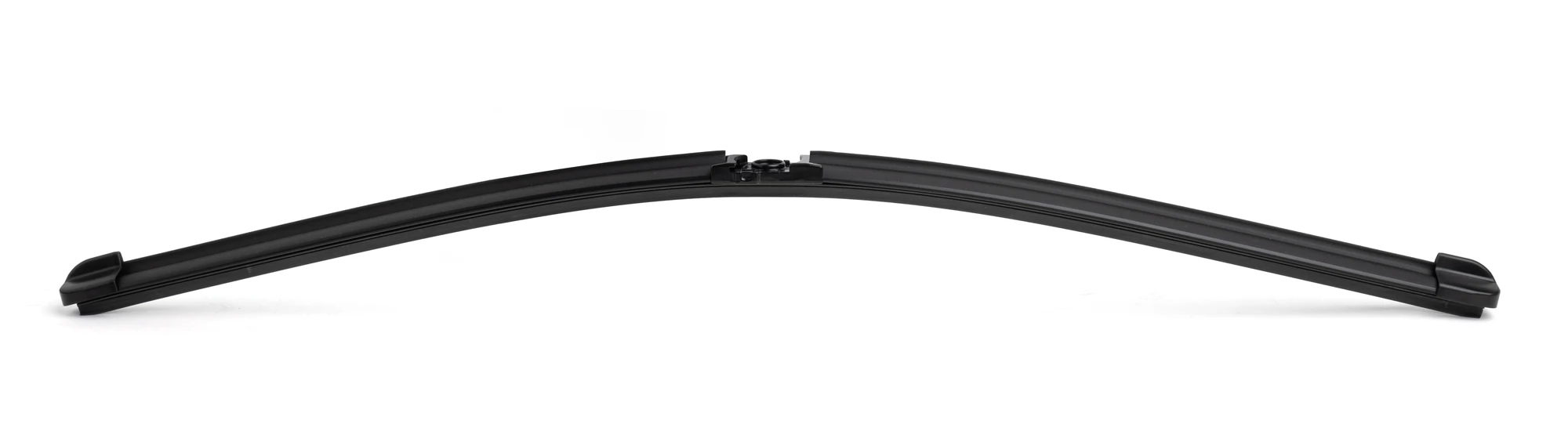
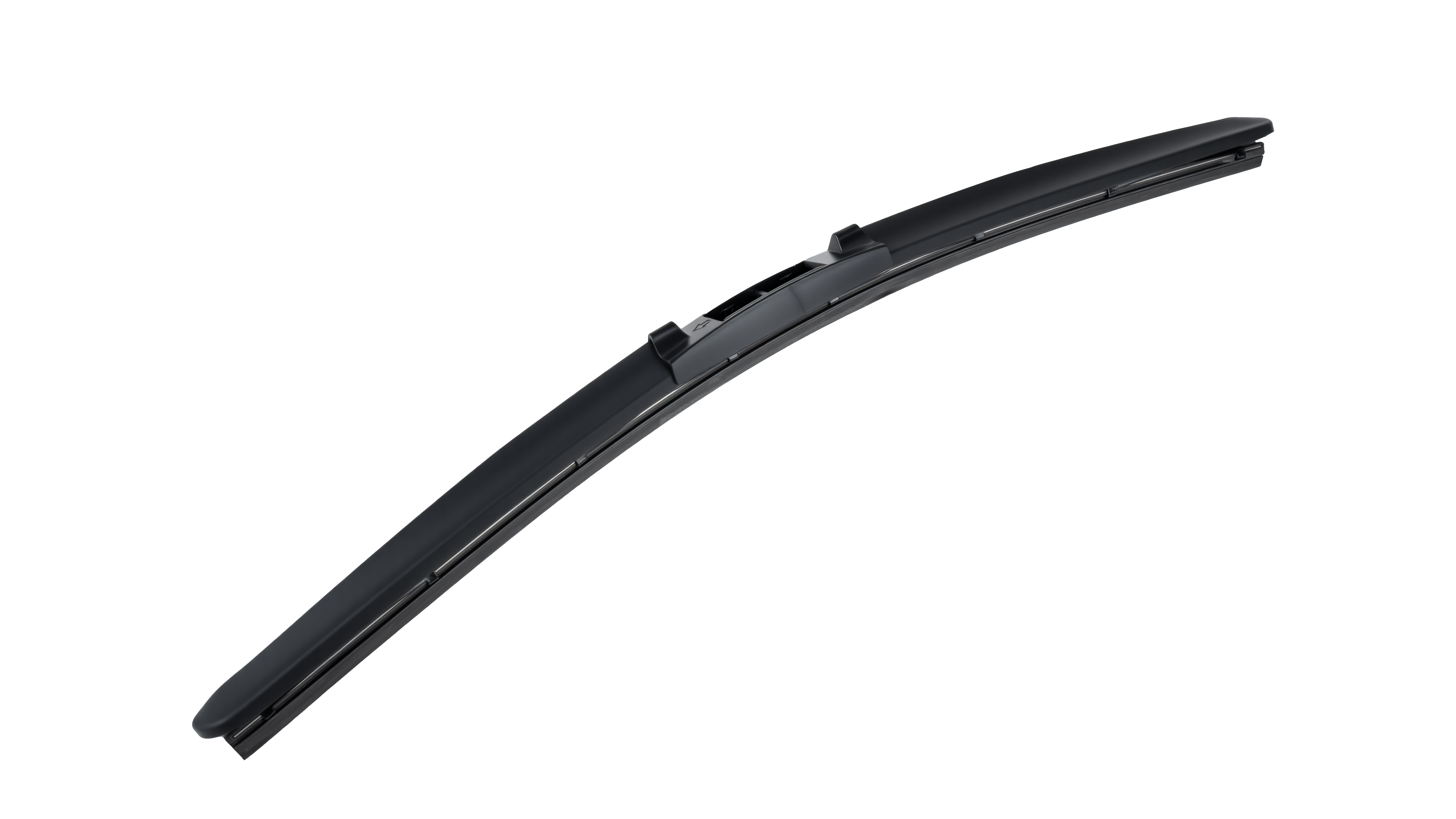
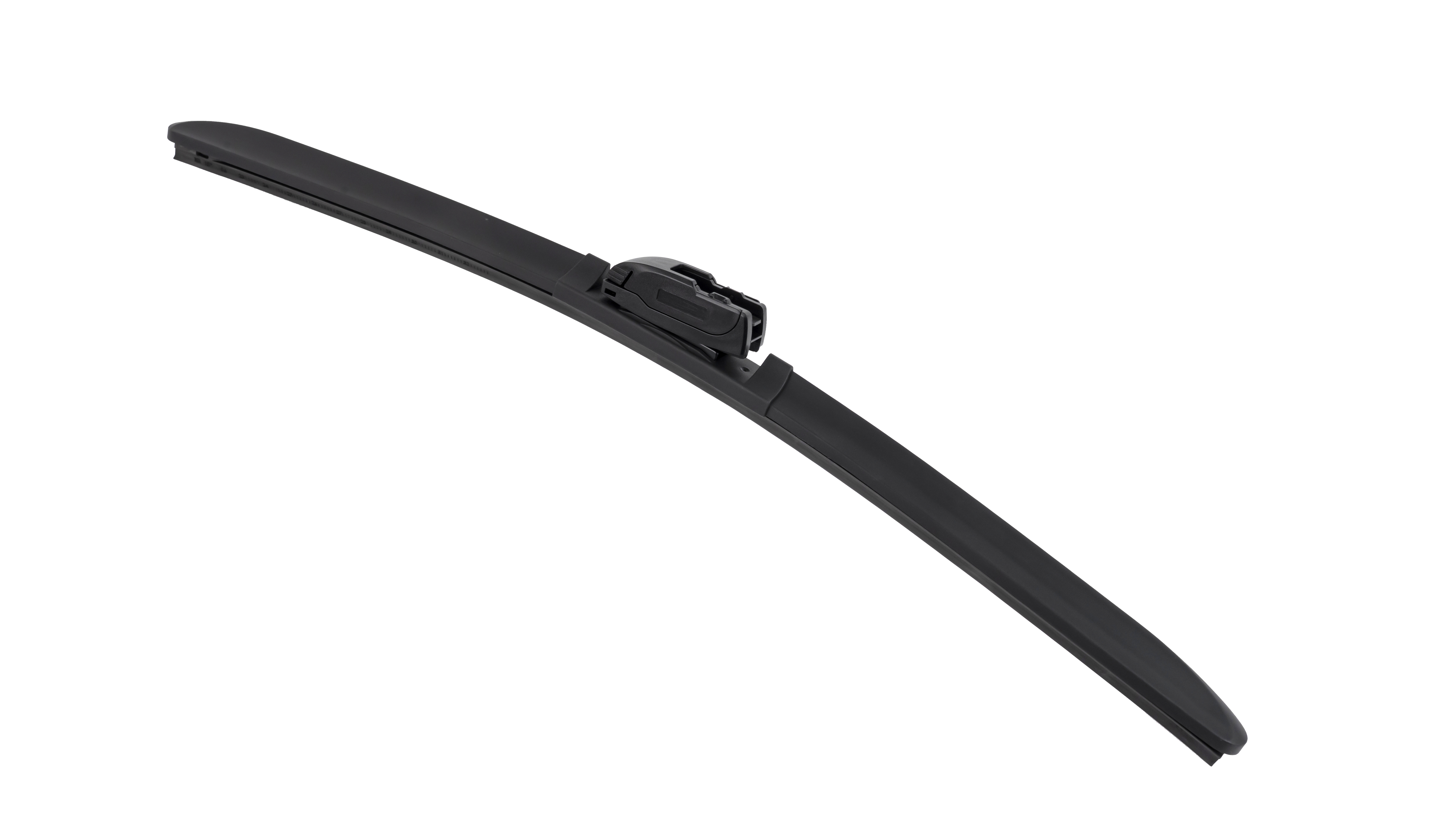
The photographs above are separate catalogue references. Use the sourcing matrix to organize a multi-item project and the English enquiry guide to apply these four habits in a first request. No time-saving percentage is implied; the benefit depends on how the records are used.
FAQ
No. Choose the view that addresses the unresolved feature. An additional front view may add little when the question concerns the underside or a defined dimension.
Use a temporary sample ID, mark the model as a candidate and state the missing evidence. This is more useful than allowing a guessed match to become an order reference.