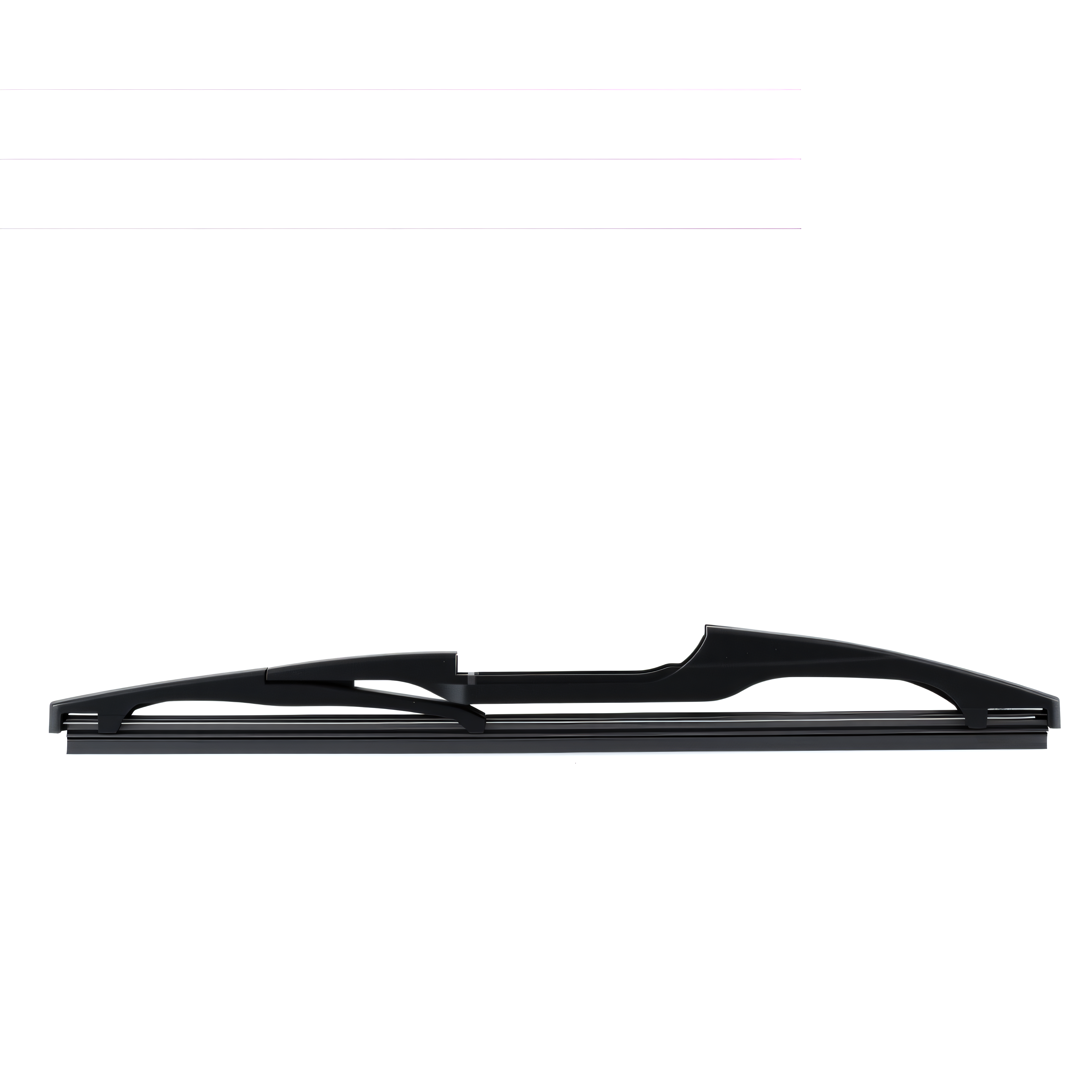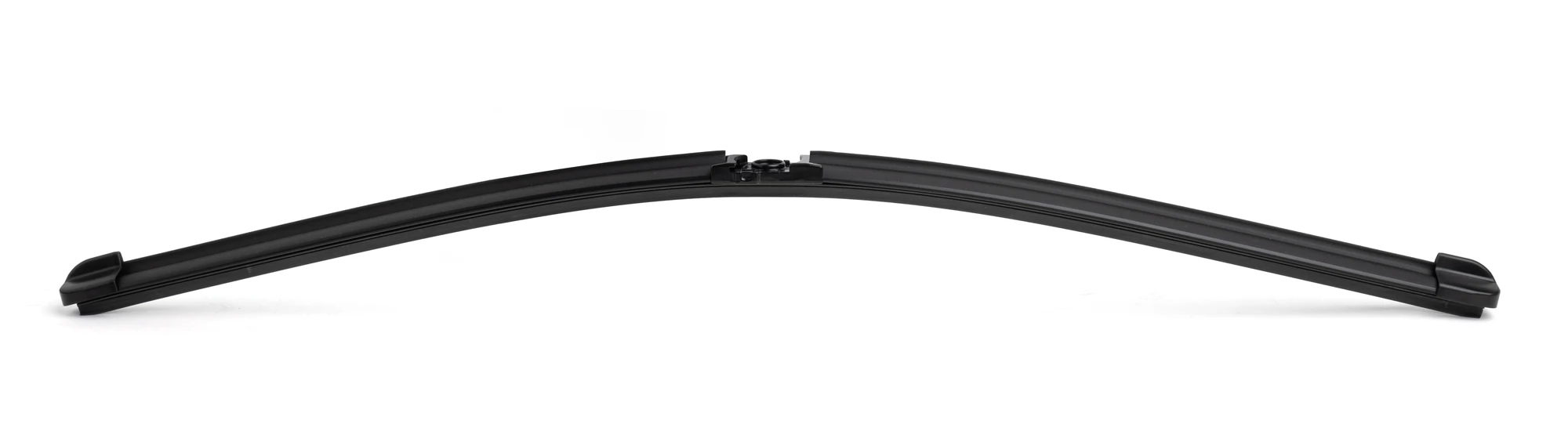
Link Wiper Models, Drawings, Samples and Order Documents
Published by QINAI (瑞安市汽耐雨刷制造有限公司).
Each sourcing document has a different job. A model identifies an item, a drawing describes specified features, a sample provides a physical reference and an order records the agreed supply. Connect them through explicit references so one document is not expected to prove everything.
What should each document contain?
Use the same full model and customer code wherever they apply. Keep units, revisions and the supplied item explicit, particularly when one enquiry contains alternatives.
| Document | Main purpose | Reference to retain |
|---|---|---|
| Item list | Organize candidate and ordered items | Customer code and model |
| Drawing | Define specified features | Drawing number, revision and units |
| Sample review | Record physical observations | Sample ID, method and scope |
| Quotation | State the offered item and conditions | Defined unit and referenced specification |
| Order and packing list | Execute the agreed supply | Approved references and actual contents |
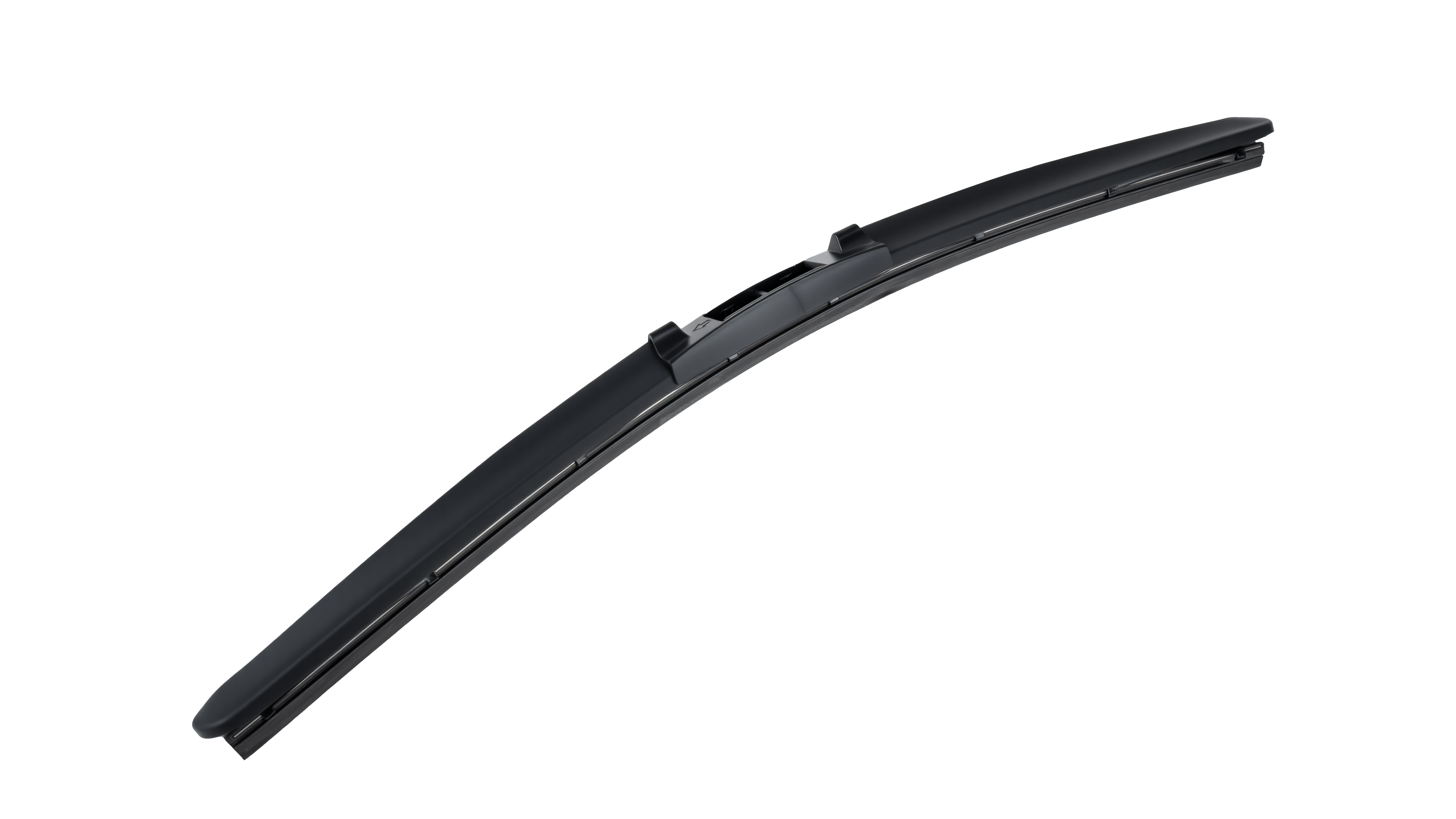
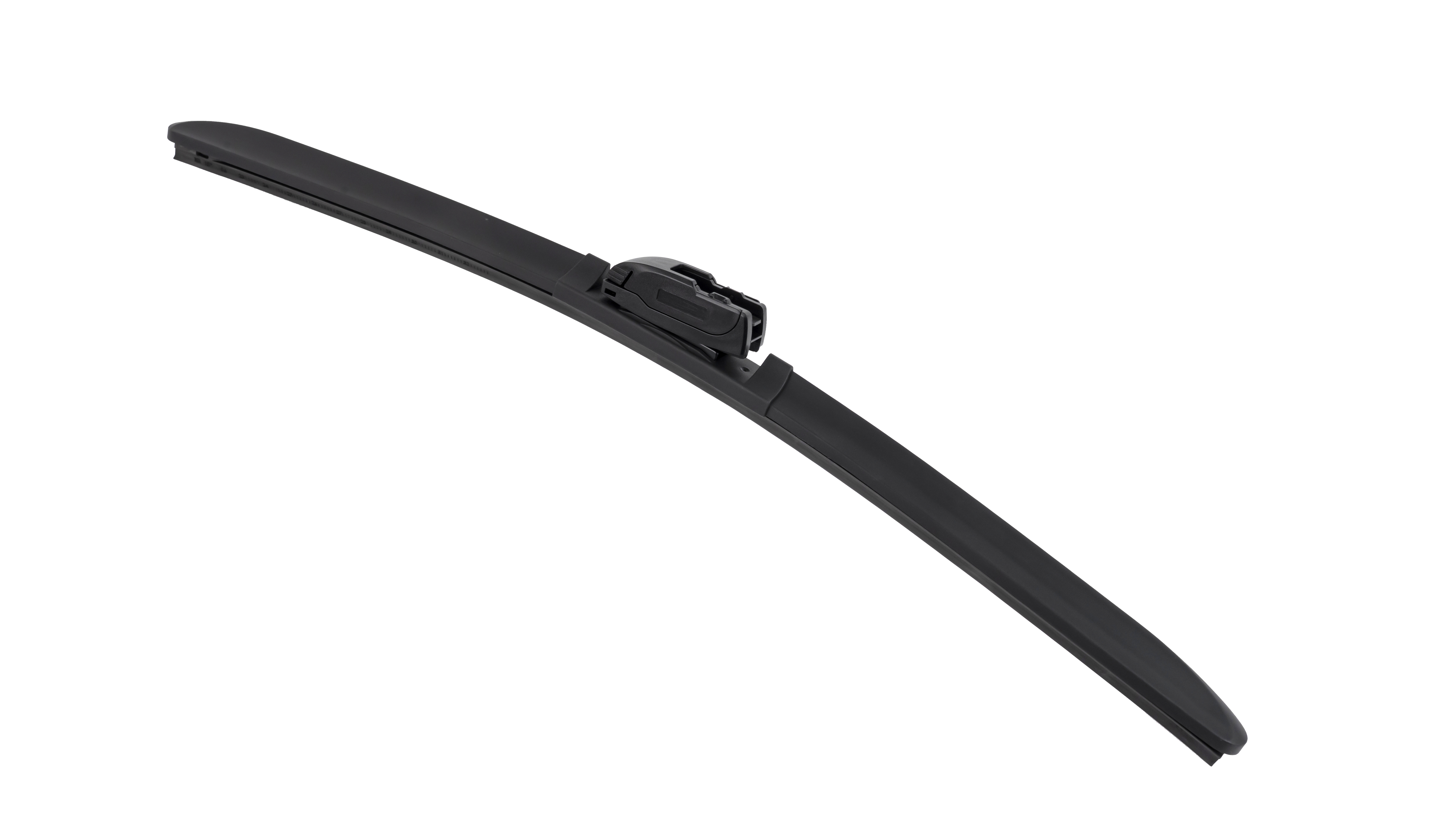
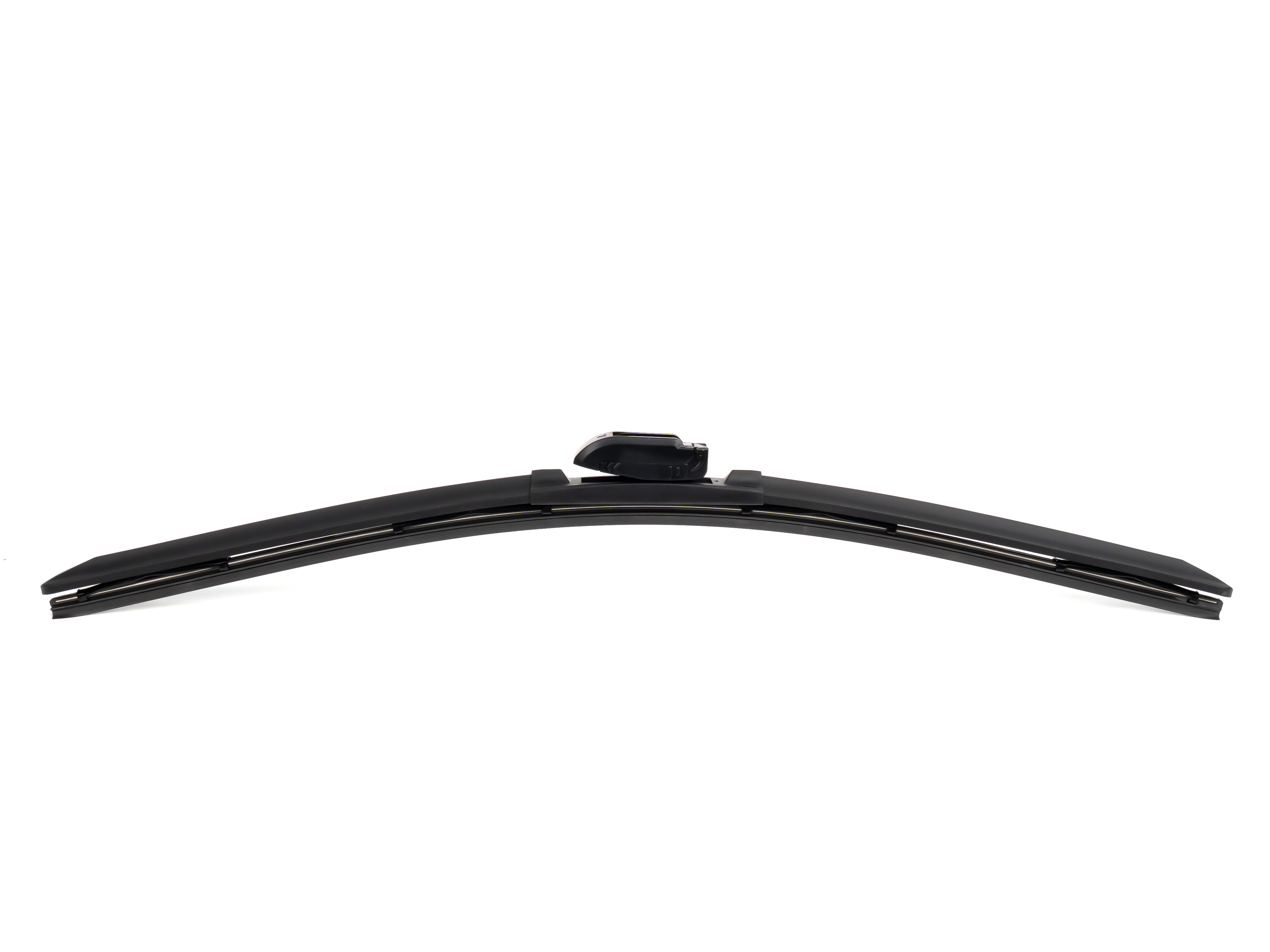
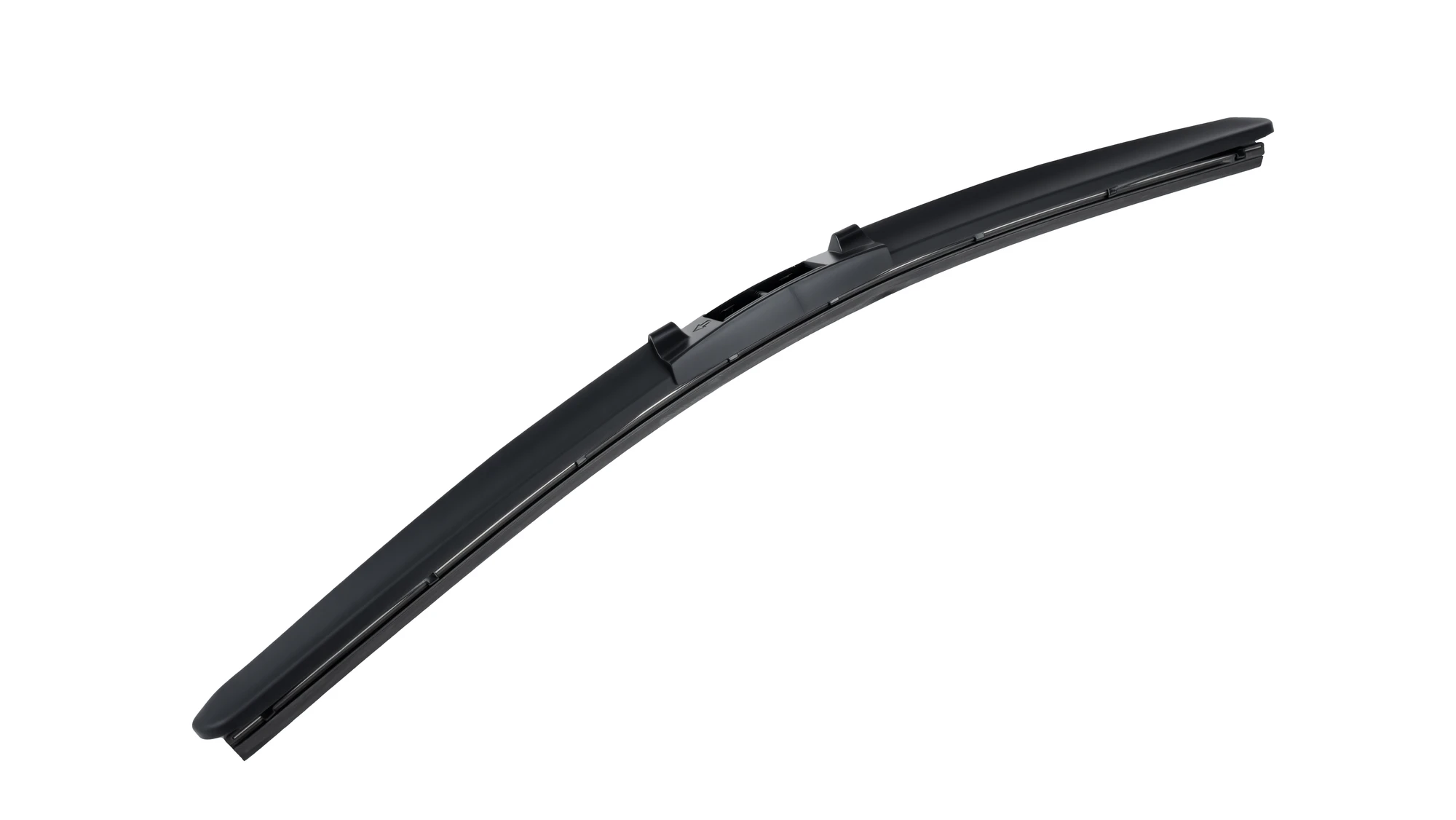
Each catalogue photograph should stay attached to its model; a collage cannot replace an itemized list.
What if the documents disagree?
Record the exact conflict and agree which reference applies before using it for execution. Examples include different suffixes, a changed drawing without a new sample review, or a pack quantity that uses a different unit from the quotation. Do not silently choose the newest filename as the technical authority.
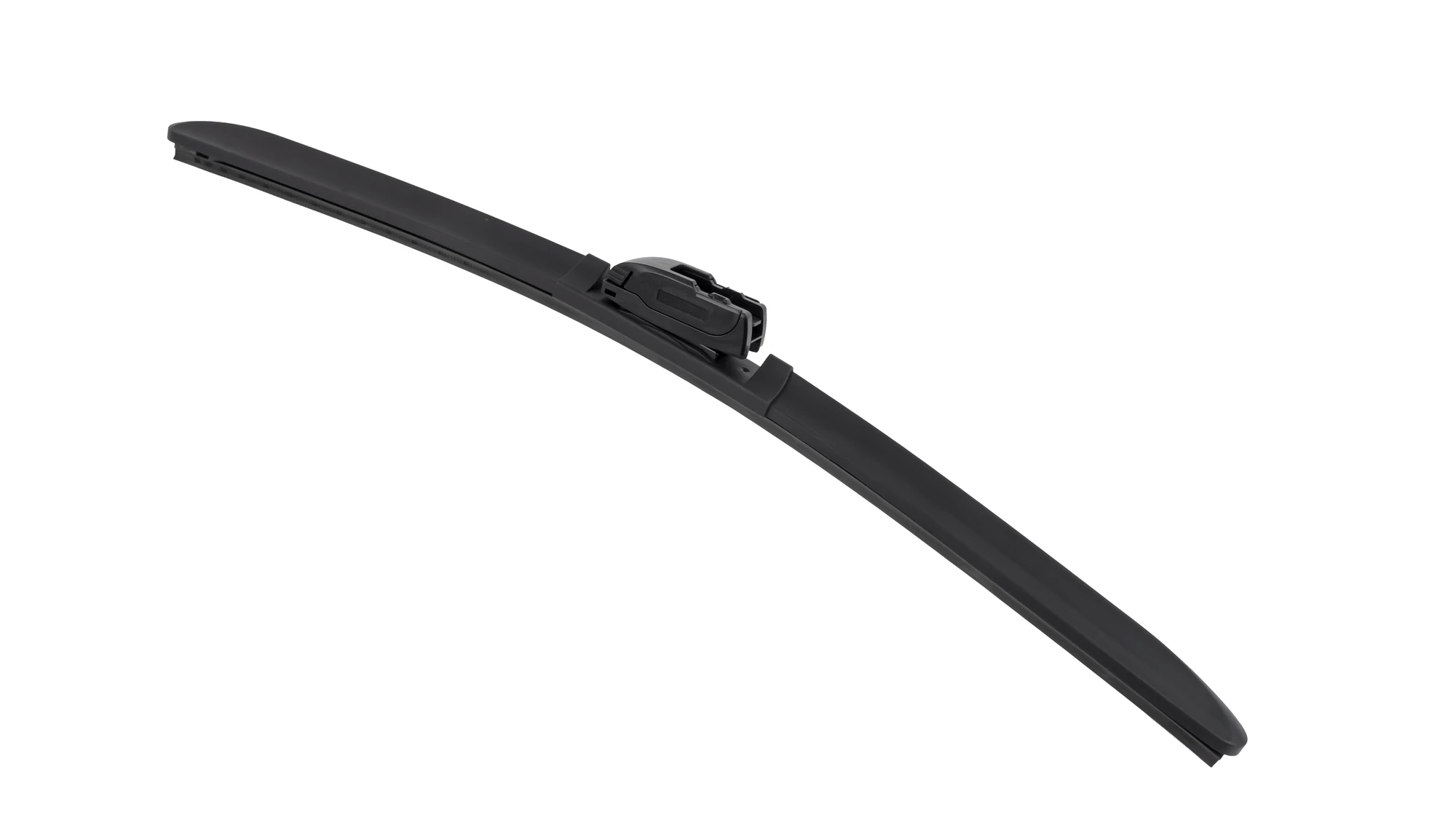
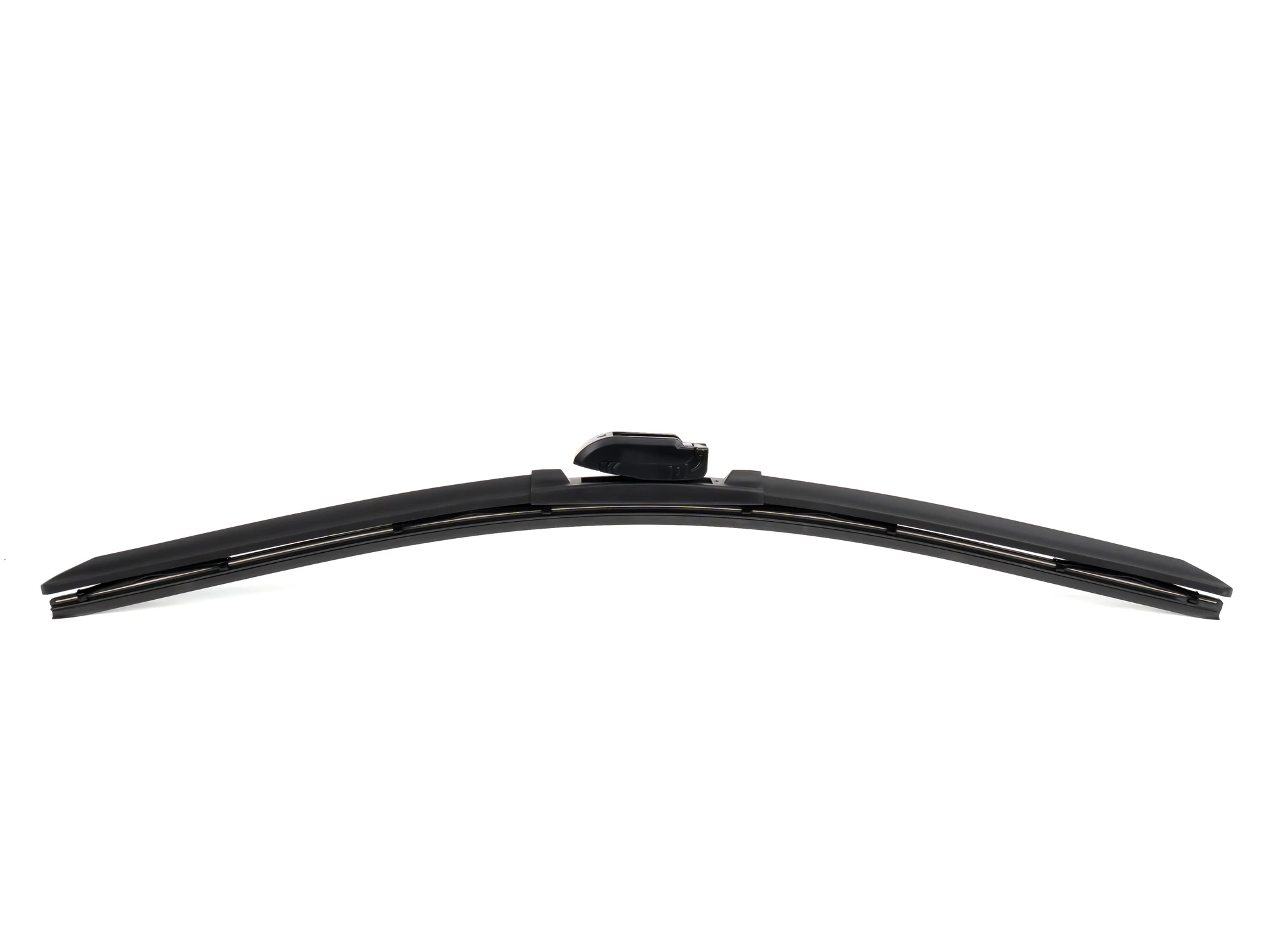
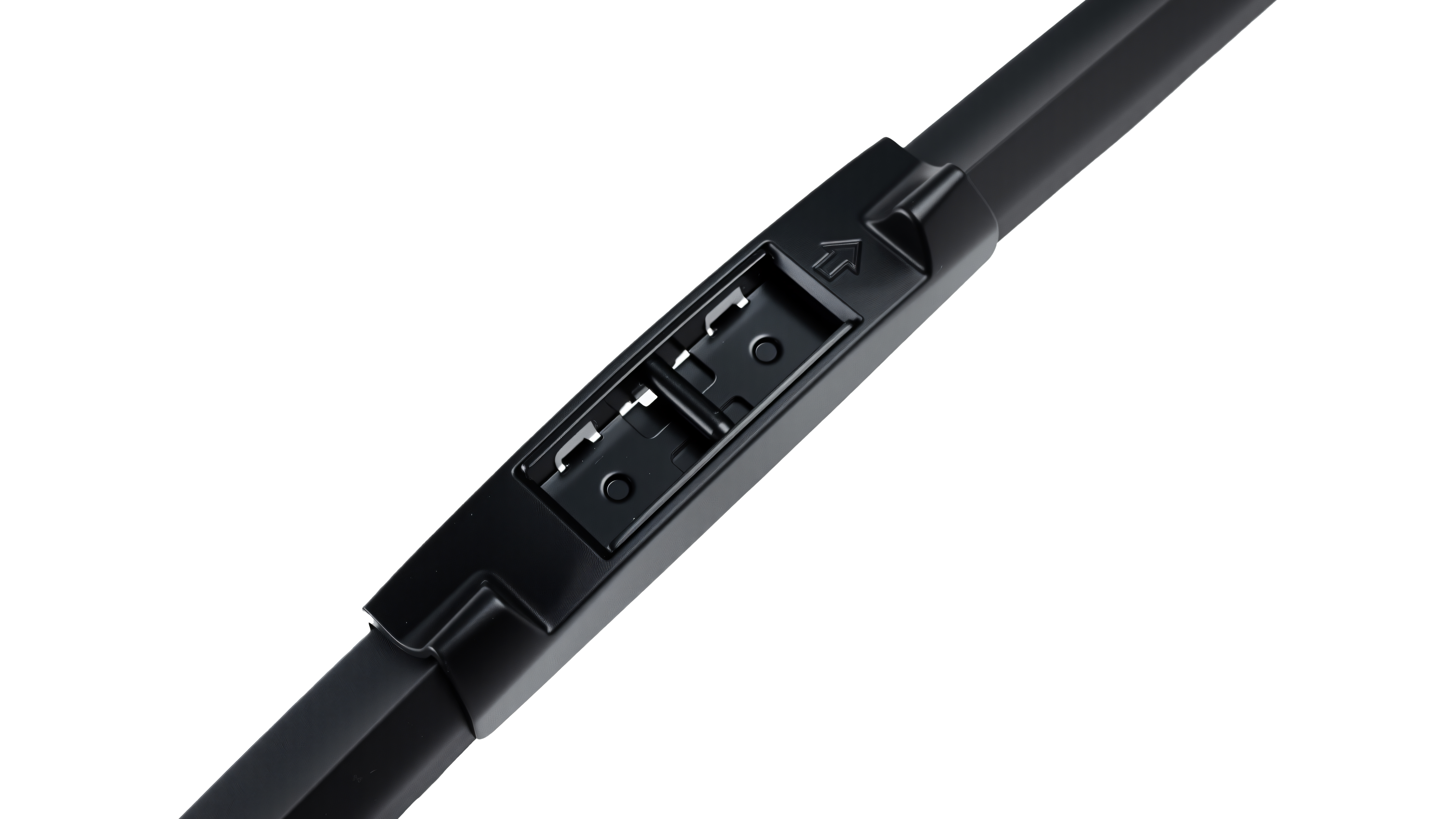
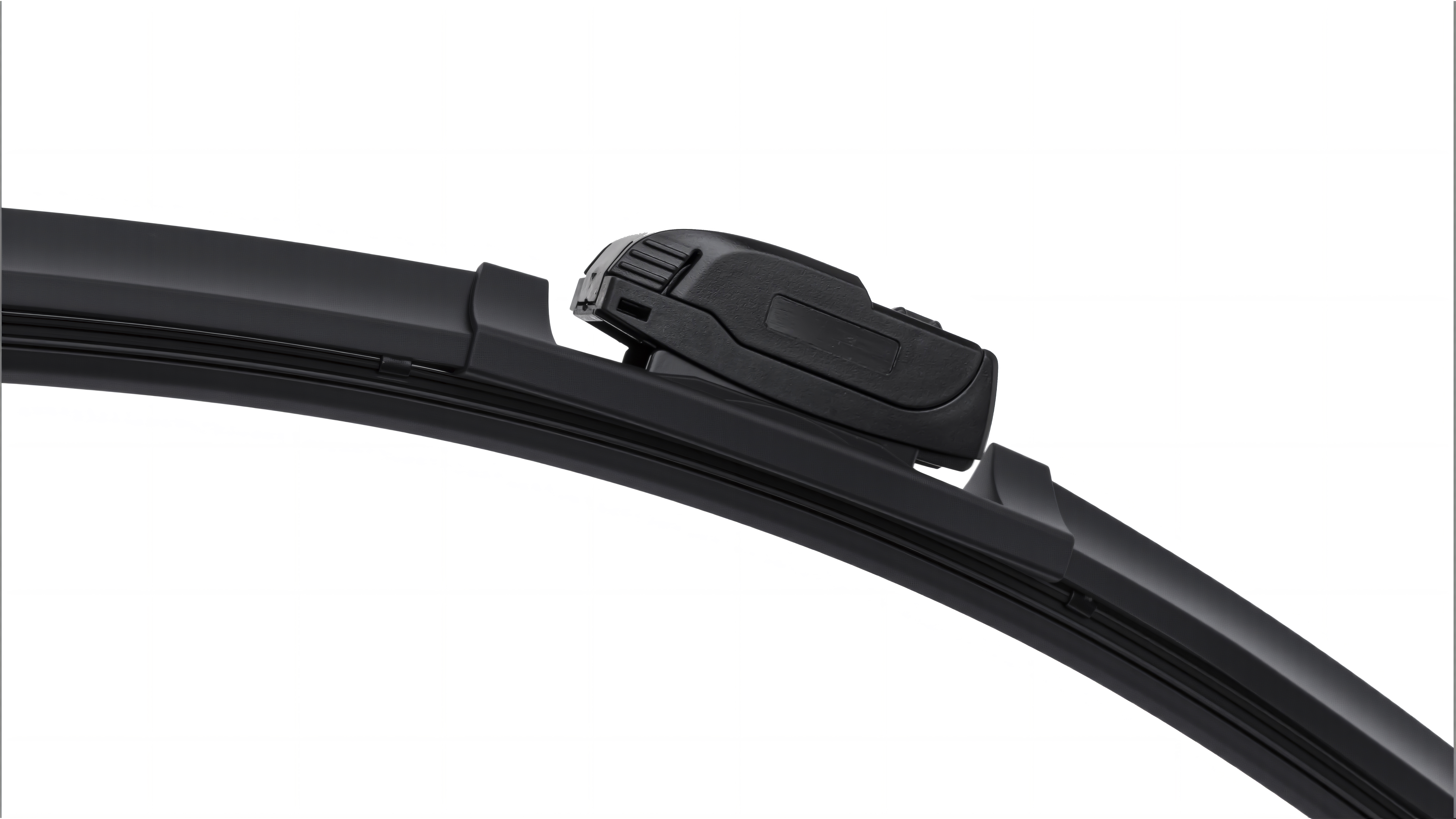
Detail images help locate the disputed feature. Any marked dimension still needs a defined reference and method.
Build a chain of references rather than duplicate specifications
A useful item list can identify the customer code and QINAI model, then point to the applicable drawing and sample record. The quotation can refer to that defined item and state its supply conditions. The order can reference the agreed documents and quantities. Each document adds the information needed for its role without becoming an independent copy of the entire technical definition.
This reduces a common ambiguity: one file contains a newer image, another an older dimension, and a third a changed packing unit. Even if each change was discussed separately, the final order needs a coherent set of references.
Work through a document conflict
Suppose an illustrative sample label names revision A, while the drawing attached to the proposed order names revision B. First identify whether the difference affects the feature under review. Then establish which version the order is intended to use and whether the relevant sample conclusion still applies. Do not resolve the conflict merely by selecting the newest file timestamp.
A quantity conflict needs a different response. If the quotation is per set and the packing list is per piece, define the set contents and reconcile the units. A technical revision review cannot substitute for that arithmetic and supply-scope question.
Give a change an explicit application
After agreement, state which item, document and future order use the change. Retain the earlier reference for the orders that relied on it. This lets purchasing, receiving and assembly work from the same current definition without rewriting the historical record.
The document system can remain simple. Its essential property is that a person can follow the references from an order line to the evidence supporting the supplied item.
How should an approved change be distributed?
Identify the affected model, field and related documents, then record the agreed application of the change. Purchasing, receiving and assembly need the same current references. Keep earlier records identifiable for earlier orders. Use the controlled-record guide for revision handling and the volume-order checklist before completing an order definition.
FAQ
No. Identify the discrepancy and agree which reference applies to the specific requirement and order. A file timestamp does not establish technical approval.
The order should clearly define the supplied item and reference the valid technical documents. Duplicating specifications in several places can create conflicting versions if updates are not coordinated.