Turn Visual Component Identification into a Controlled Record
Published by QINAI (瑞安市汽耐雨刷制造有限公司).
A visual match should enter the record as a candidate until supporting information establishes the intended selection. Keep the path from original sample to model, drawing and decision visible, so later orders do not inherit an assumption as a fact.
Which statuses are useful?
Use statuses that describe the evidence available. A candidate has been identified for comparison; a reviewed item has documented observations; an accepted item has an approval with a stated scope. These statuses should not imply checks that have not occurred.
| Record stage | Minimum useful reference |
|---|---|
| Original input | Sample ID and received photographs |
| Candidate model | Complete catalogue reference and reason for comparison |
| Review | Mating parts, drawing revision and observations |
| Decision | Agreed scope, unresolved items and applicable version |
How should a new revision be introduced?
Describe the changed features and the records affected. Retain the previous version for orders that used it, while making the current reference clear. Do not replace an image in a shared folder without noting which item or decision changed.
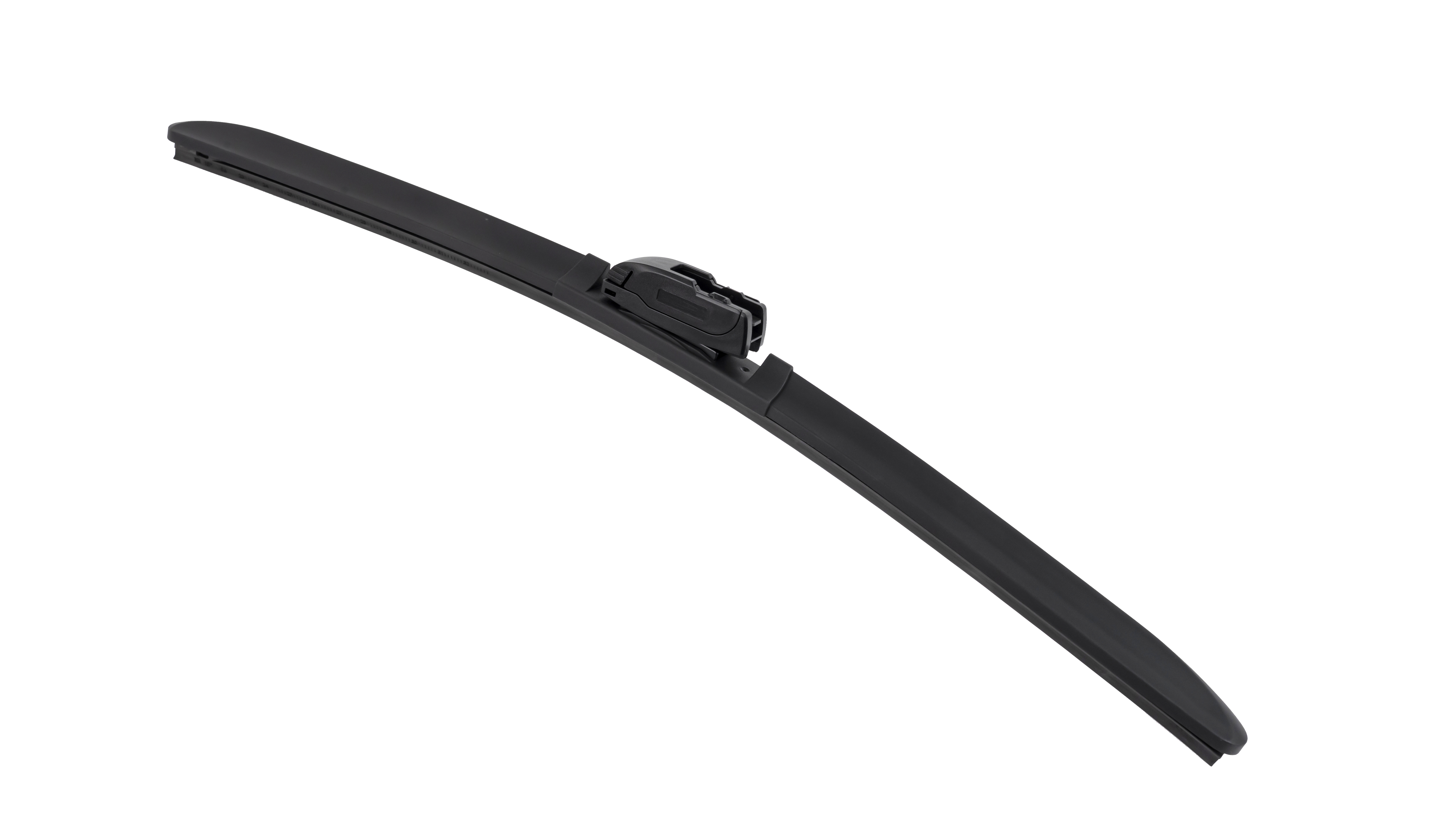
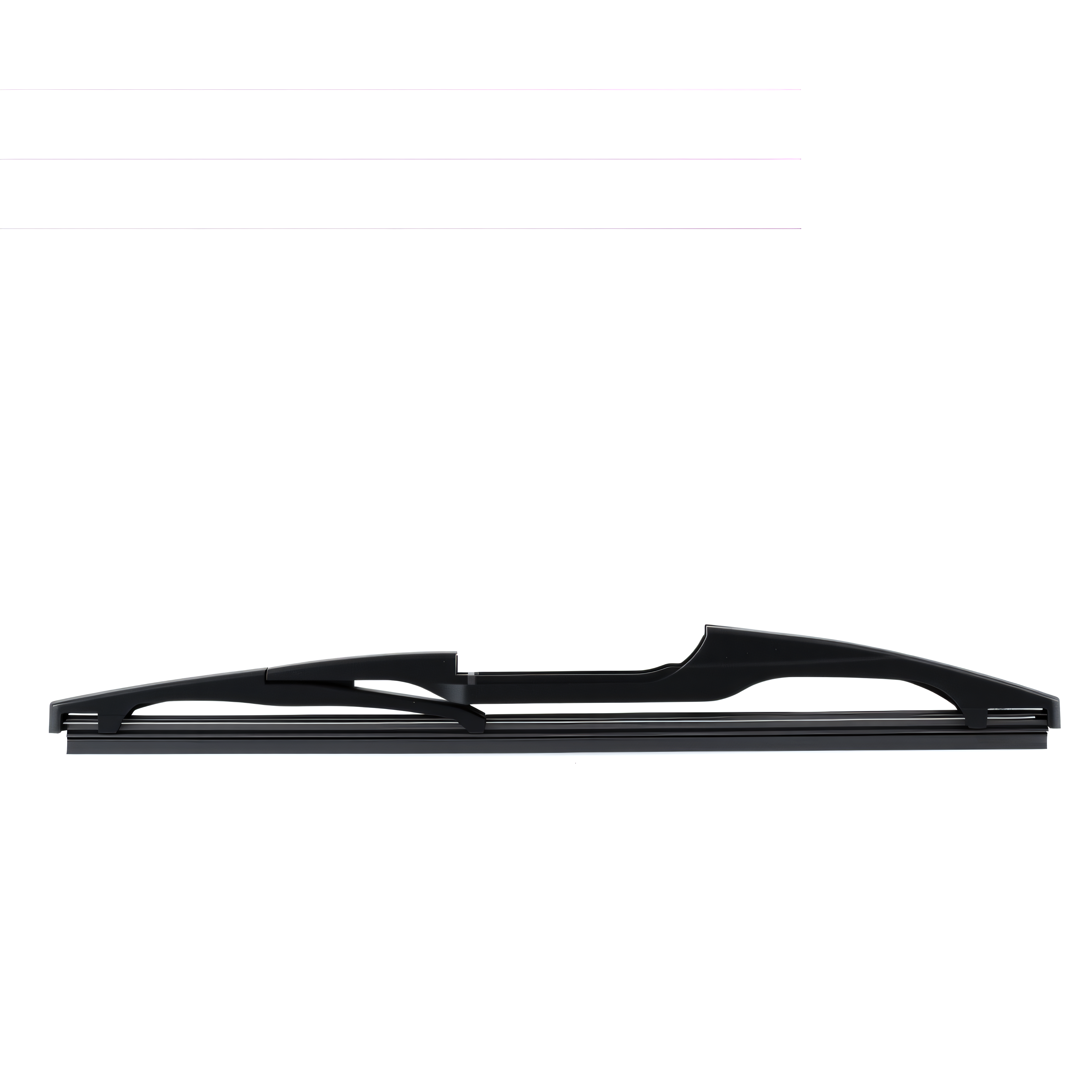
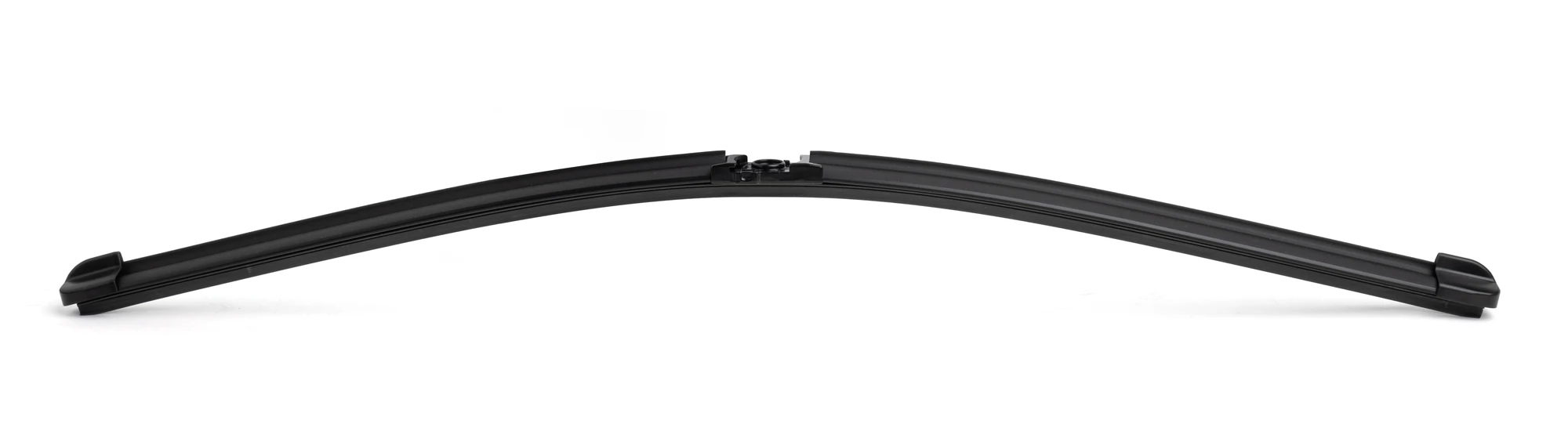
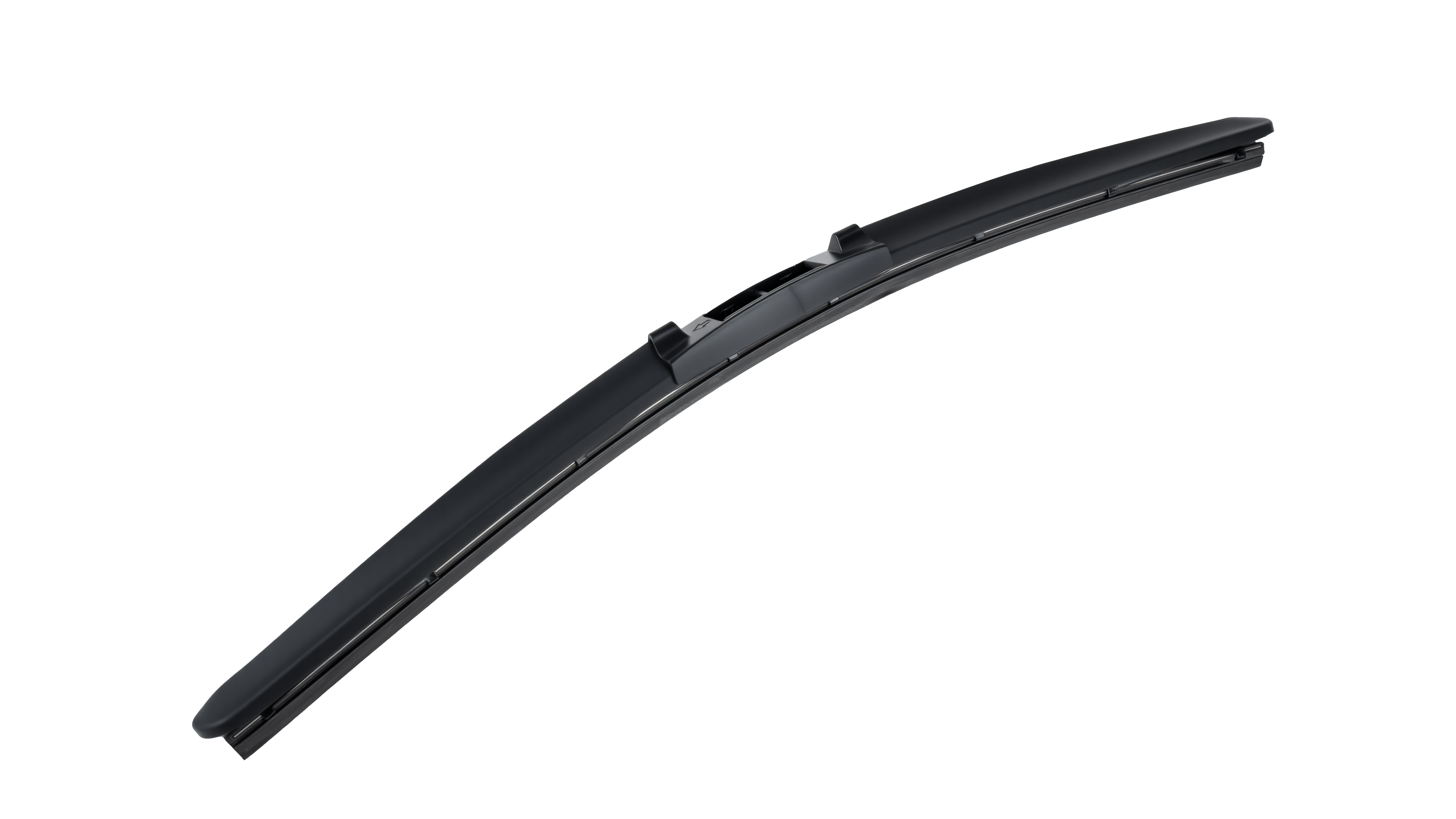
The photographs illustrate component references; revision approval still needs the corresponding documents and decision record.
Keep identity and approval as separate transitions
Identifying a possible catalogue model is useful progress, but it does not establish every requirement of the application. A record can move from an unidentified sample to a named candidate while dimensions, mating parts or supply contents remain unresolved. State that progress directly instead of using a single “matched” label for every stage.
A hypothetical sequence illustrates the difference. Sample A resembles Model B in an overall view. An underside photograph is then obtained and compared. A relevant sample is reviewed with the intended mating part. Finally, the accepted scope is recorded for an order. Each transition has its own evidence; the first photograph should not be presented as having established the final conclusion.
Replace files without losing their meaning
When an image or drawing changes, identify the item, revision and reason. Keep the superseded version traceable for decisions that relied on it. Overwriting a file named “latest” can make it impossible to understand which geometry a previous sample comment referred to.
The current record can point to the valid version while the earlier one remains in an archive. This does not require every working folder to show all historical files at once; it requires the references in earlier decisions to remain interpretable.
Close questions with an outcome
An open issue should end in a documented answer, a revised requirement or an explicit decision to exclude that scope. Simply removing the question from a spreadsheet leaves no explanation for the next person. Link the outcome to the supporting photograph, document or discussion record. This gives purchasing a clear basis for using the item without silently extending the review.
What should another team receive?
Provide the current model relationship, supporting documents and outstanding questions as one reference set. The recipient should be able to distinguish identification from approval without reading the entire conversation. Use the cross-reference guide for customer codes and the sourcing matrix when several items are being managed together.
FAQ
When a decision with a defined scope is supported by the relevant review evidence. Identifying a similar-looking catalogue model is an earlier step and should remain distinguishable from approval.
Earlier orders and sample decisions may refer to it. Retain its identity while making the current valid version clear, so historical evidence is not silently reinterpreted.