Connect Customer Part Codes to QINAI Model References
Published by QINAI (瑞安市汽耐雨刷制造有限公司).
A customer code and a QINAI catalogue model serve different systems. Keep both in a cross-reference record, with the drawing or sample that supports the relationship, so a code match is not mistaken for an unverified technical substitution.
What should a cross-reference record contain?
Use one row for one defined relationship. If the same internal code has been used for different revisions, separate those versions rather than combining all photographs under a single label.
| Field | Purpose |
|---|---|
| Customer reference | Identifies the purchasing-system entry |
| QINAI model | Identifies the catalogue candidate or confirmed item |
| Drawing and sample | Provides the basis for the relationship |
| Status | Distinguishes identification in progress from agreed selection |
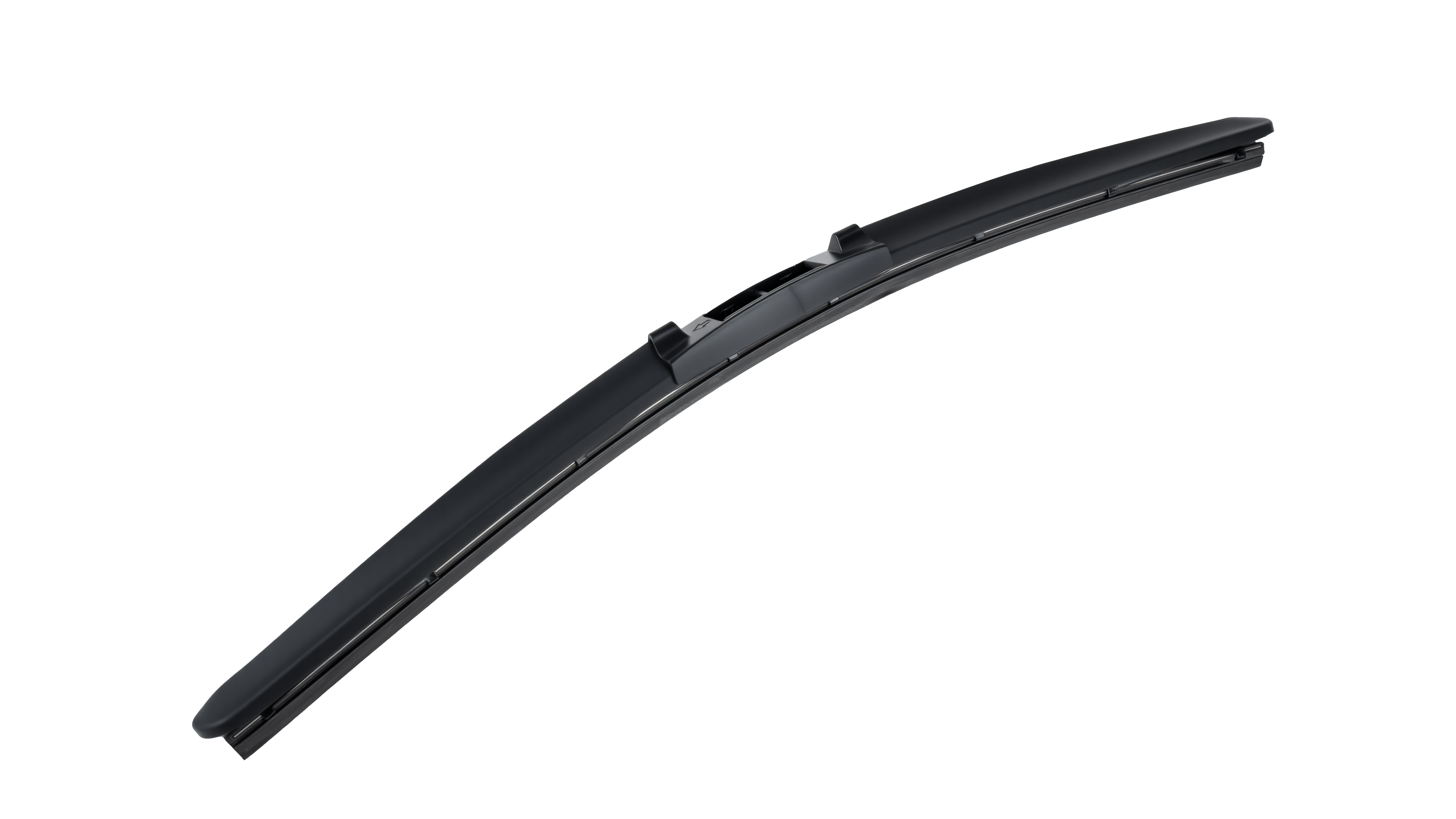
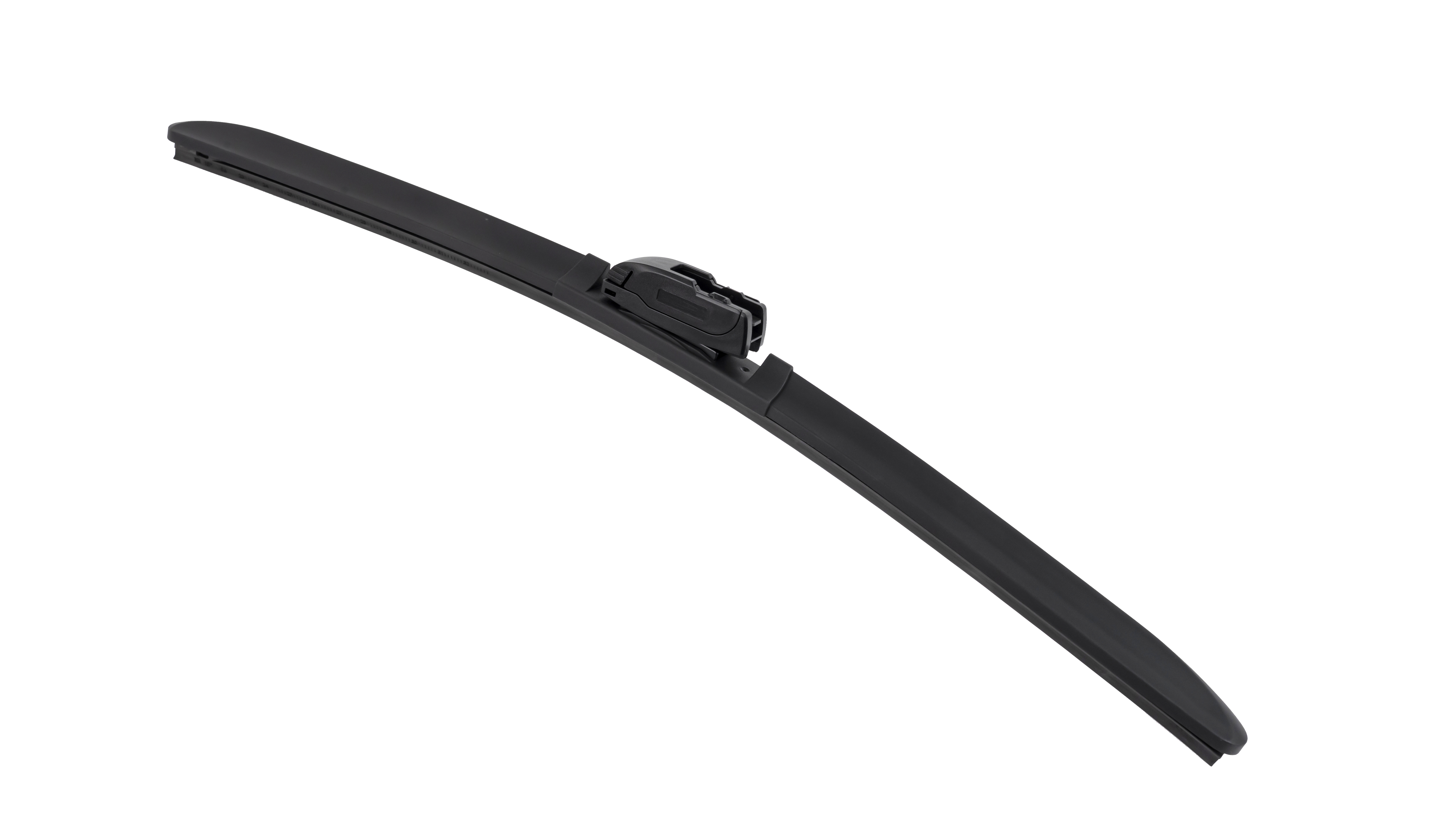
The existing catalogue photographs above illustrate why an image needs an attached model reference. They do not establish that the pictured components are substitutes for one another.
A code relationship can describe more than a loose part
A customer's internal code might identify a complete pack, while the QINAI model identifies one component in it. A direct one-code-to-one-model entry would then omit the adapter, quantity or packing definition. Describe what each identifier represents before establishing the cross-reference.
Conversely, a customer may use separate codes for different labels or delivery arrangements that share an underlying component. That commercial distinction does not necessarily describe a structural difference. Keep product identity and customer-specific presentation in separate fields so the relationship remains understandable.
Work through an illustrative mapping
Suppose customer code C-01 refers to one Body A and one Adapter B in a defined package. The record should list both constituent references and the quantity of each. If the customer later requests only Body A under a new code, create the new relationship explicitly rather than deleting Adapter B from the historical record. These names are illustrative and are not QINAI catalogue models.
The example also shows why an old code match is not sufficient evidence for a reorder. The meaning of the customer code and the supplied contents need to remain aligned.
Resolve ambiguous characters before technical comparison
A missing suffix or an unclear digit can make two separate references appear identical. Keep a readable photograph of the original label, type the full reference beside it and mark any uncertain character. This is an identification question, not a reason to infer interchangeability.
Once identity is clear, technical equivalence still needs the relevant drawing, sample or assembly evidence. Administrative consistency makes those records easier to find; it does not create the evidence itself.
How should bilingual descriptions be handled?
Use the same model, unit and revision in both languages. Translate the supply item explicitly: a connector, adapter and complete blade are different descriptions. If the language versions conflict, record the disputed term and agree the intended item before using it in an order.
When should the cross-reference be reviewed?
Review it when the part, drawing, sample or supplied combination changes. Keep the previous relationship available for earlier orders, with its scope clear. The controlled-record guide explains how an initial visual candidate becomes a documented selection, and the English enquiry guide provides the fields for a first request.