Start a Wiper Component Enquiry with the Information You Have
Published by QINAI (瑞安市汽耐雨刷制造有限公司).
A first enquiry can begin with a known model, an unidentified sample or a specific assembly issue. Choose the appropriate starting point and state the decision needed, rather than treating every enquiry as a complete quotation request.
Which starting point matches the requirement?
| Starting point | Send first | Next question |
|---|---|---|
| Known model | Full reference and required supply item | Which quantity and order conditions apply? |
| Unidentified component | Overall and interface photographs | Which candidate needs further comparison? |
| Assembly issue | Sample IDs, mating parts and observed step | What evidence will locate the difference? |
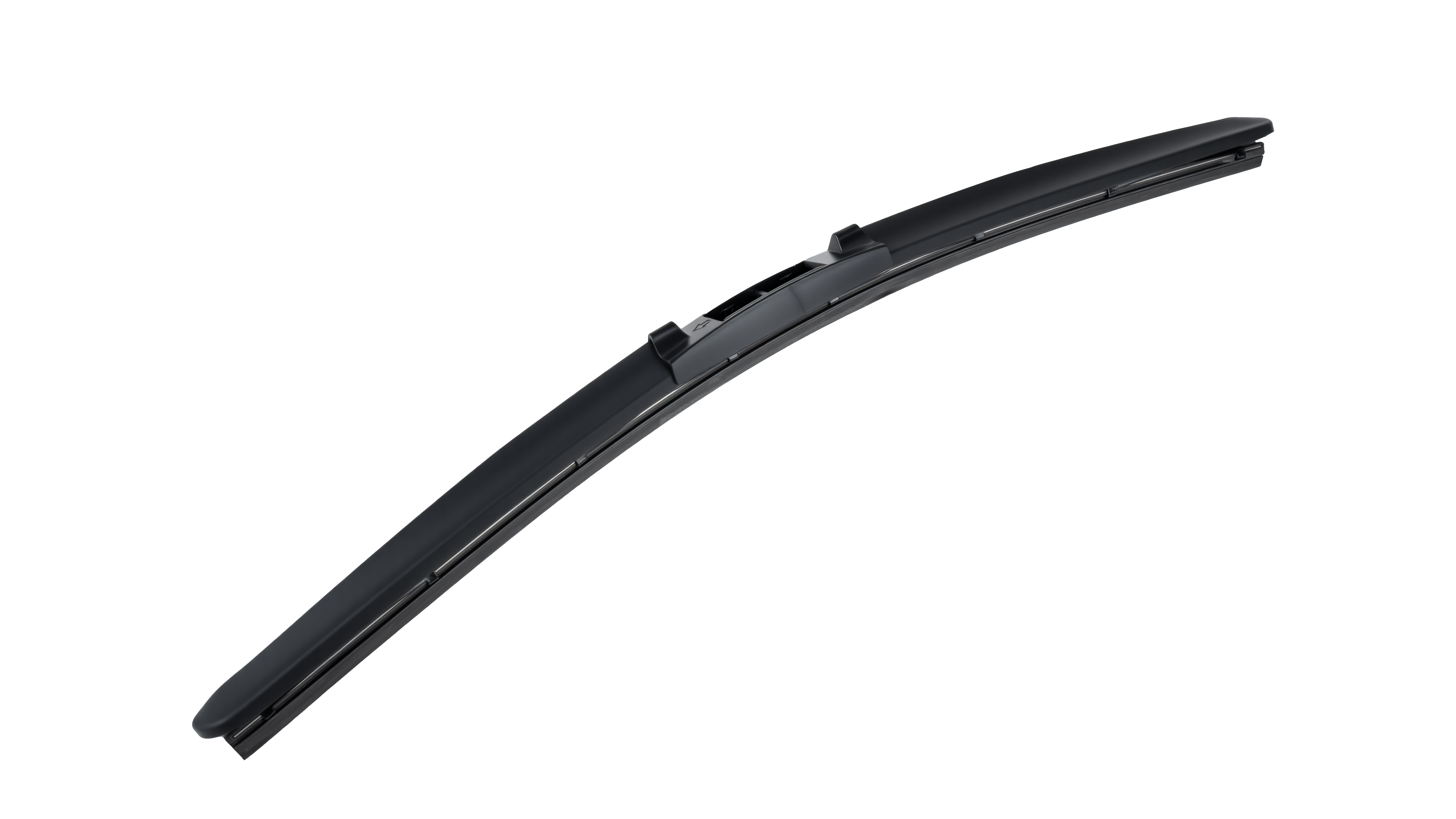
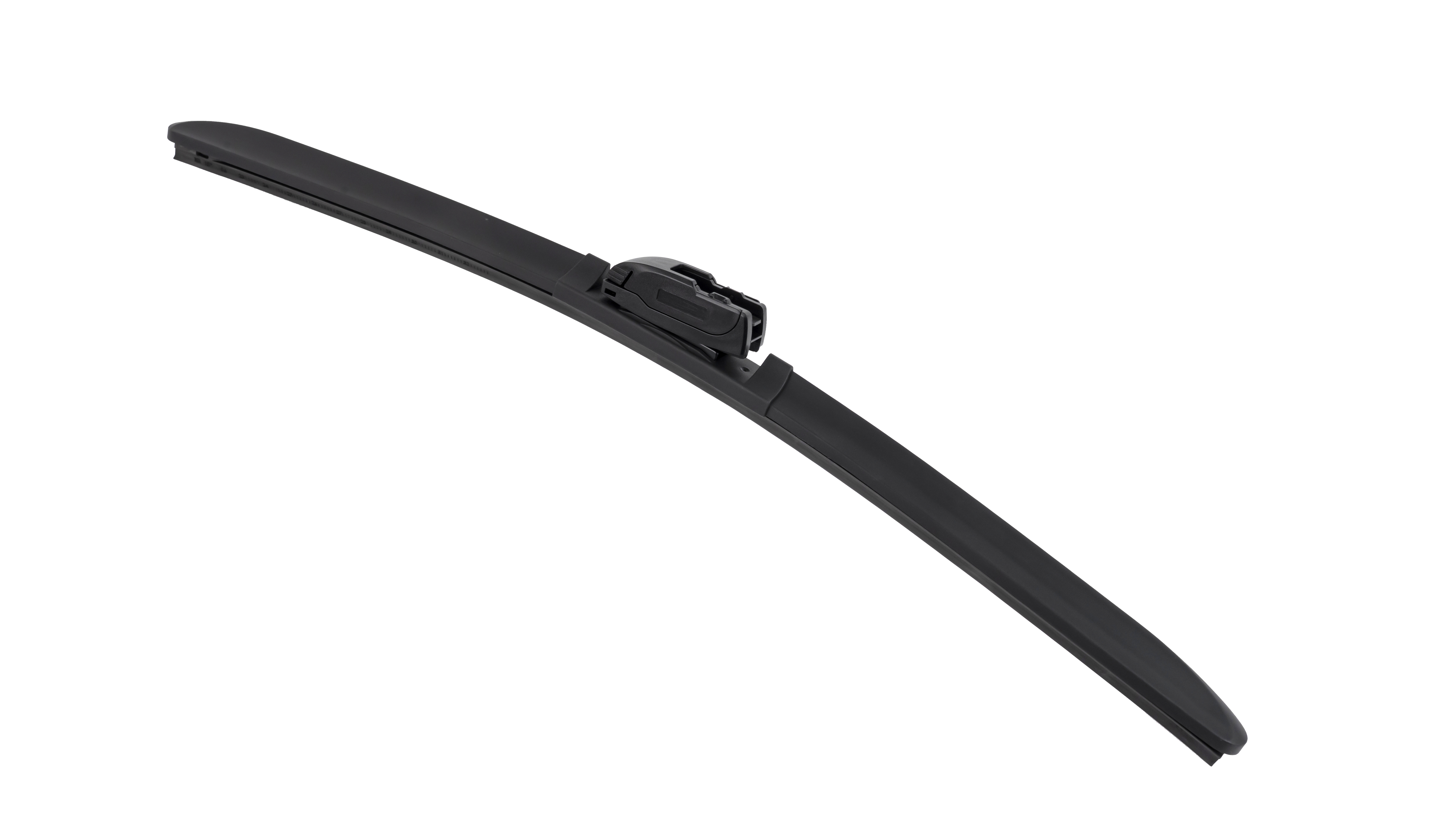
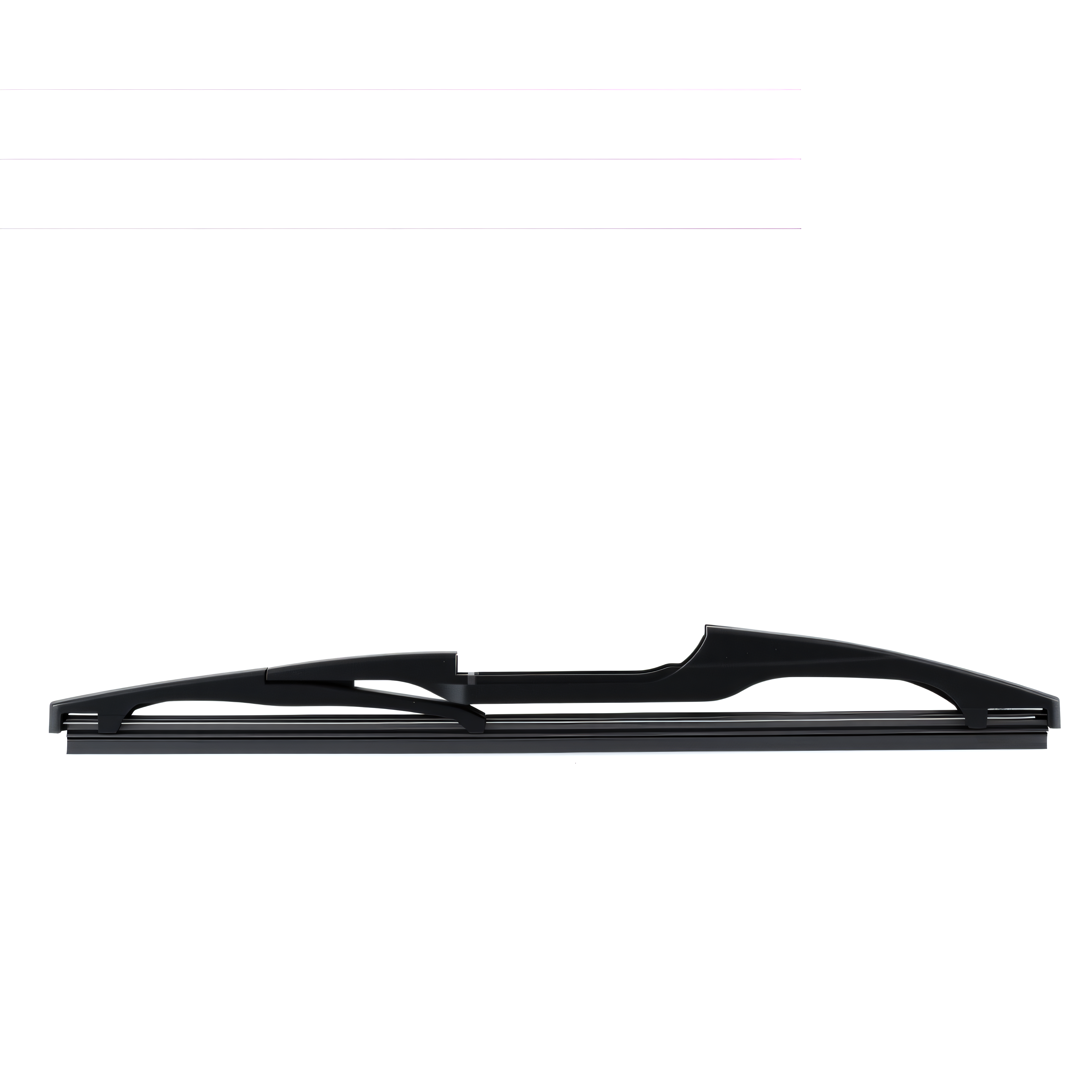
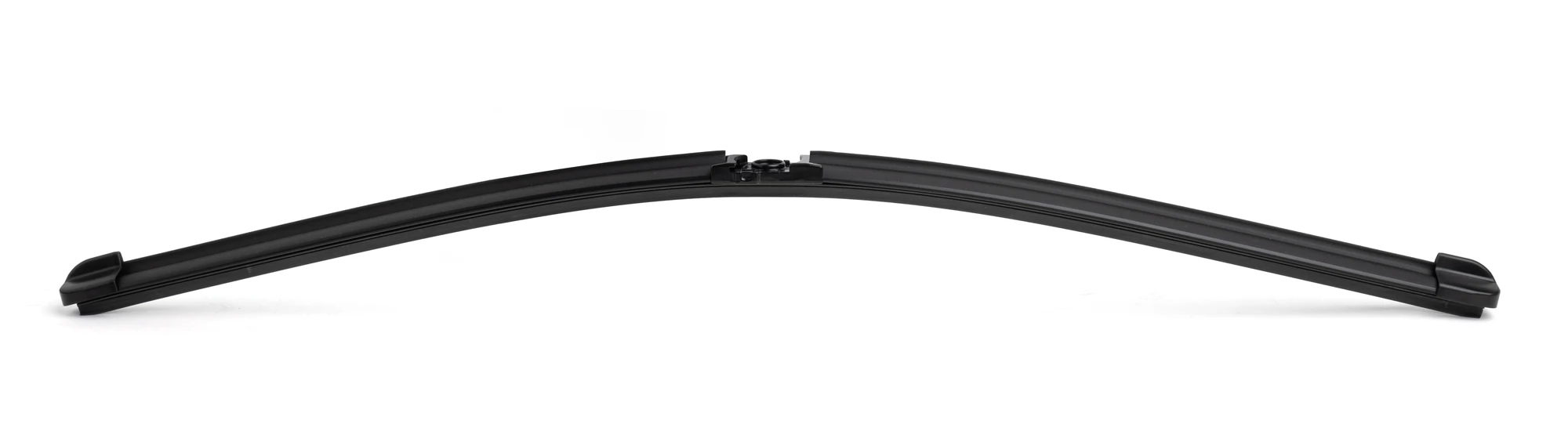
These catalogue photographs illustrate identifiable model references. A visual resemblance is useful for discussion, but it is not a completed selection.
What if only a loose connector is available?
Photograph its top, side, underside and locking area. State whether it is from a front or rear installation and identify any missing mating part. If the sample is damaged, point out the damaged feature so it is not mistaken for the intended shape.
Begin with a decision, not a complete specification form
A buyer with a known model may need a quotation. A buyer with an unidentified sample may first need help narrowing candidates. A buyer reporting an assembly problem may need the relevant feature located before any alternative is discussed. State that immediate decision so the first reply can address the right task.
Missing information does not prevent an enquiry, but invented information can misdirect it. If the material or exact dimension is unknown, say what is available: a sample, photograph or earlier order reference. This gives QINAI a basis for requesting the next useful input.
Three examples of a focused starting point
For a known model: “We need the complete reference shown on the label; please discuss the supplied components and quantity unit.” For an unidentified sample: “We intend to keep this blade body and need to identify the connection shown.” For an assembly issue: “This combination stops at the marked position before the specified installed state.” These are wording examples, not claims of resolved applications.
Each example directs attention to a different kind of evidence. The first needs an item definition, the second needs interface comparison, and the third needs the actual mating parts and observed stage.
Let the next exchange reduce one uncertainty
Ask which evidence would change the decision. A missing underside view may be more useful than another overall photograph; a defined measurement may be more useful than a larger collection of unrelated numbers.
As the supplied item becomes clear, add quantities, packaging and requested delivery information. This staged approach keeps early identification separate from commercial agreement while allowing the enquiry to progress from the information already available.
How does the enquiry move forward?
Agree the next concrete input: another view, a dimensioned drawing, a mating part or a sample review. Keep confirmed facts and open items separate, then add quantities and packaging once the supplied item is clear. Use photo-to-sample selection for identification or the English enquiry fields when preparing a quotation request. Contact QINAI with the relevant references.