What to Confirm Before a Volume Order for Wiper Components
Published by QINAI (瑞安市汽耐雨刷制造有限公司).
Before a volume order, turn the selected item and completed reviews into an explicit supply definition. Separate agreed requirements from unresolved questions so a sample discussion does not silently become an approval of every specification and delivery condition.
Which decisions should be recorded?
Check the current references and their scope. The record should say what is being purchased, which evidence supports the selection and which conditions are part of the proposed order.
| Decision | Reference needed |
|---|---|
| Item and included parts | Full model and supply composition |
| Technical requirements | Valid drawing, specification or agreed sample |
| Review scope | Completed checks and unresolved items |
| Quantity | Unit and contents of each set or pack |
| Packaging | Identification, protection and packing details |
| Supply conditions | The terms actually agreed for the order |
What if a sample and drawing conflict?
Identify the feature and discrepancy, then agree the applicable reference and resolution. Do not assume that either a physical sample or the latest file always takes precedence. The decision needs to be traceable to the particular requirement.
Close the product definition before treating the order as complete
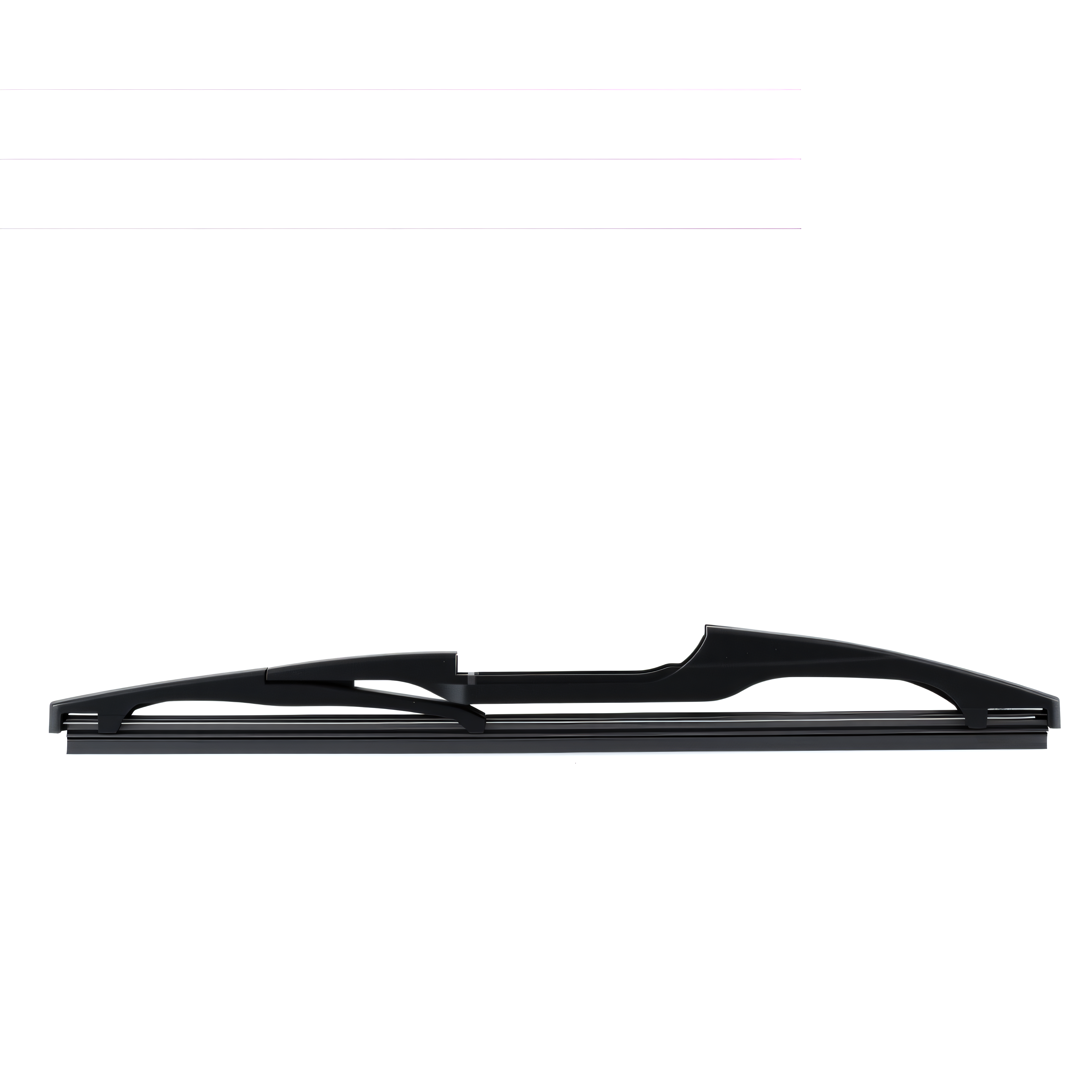
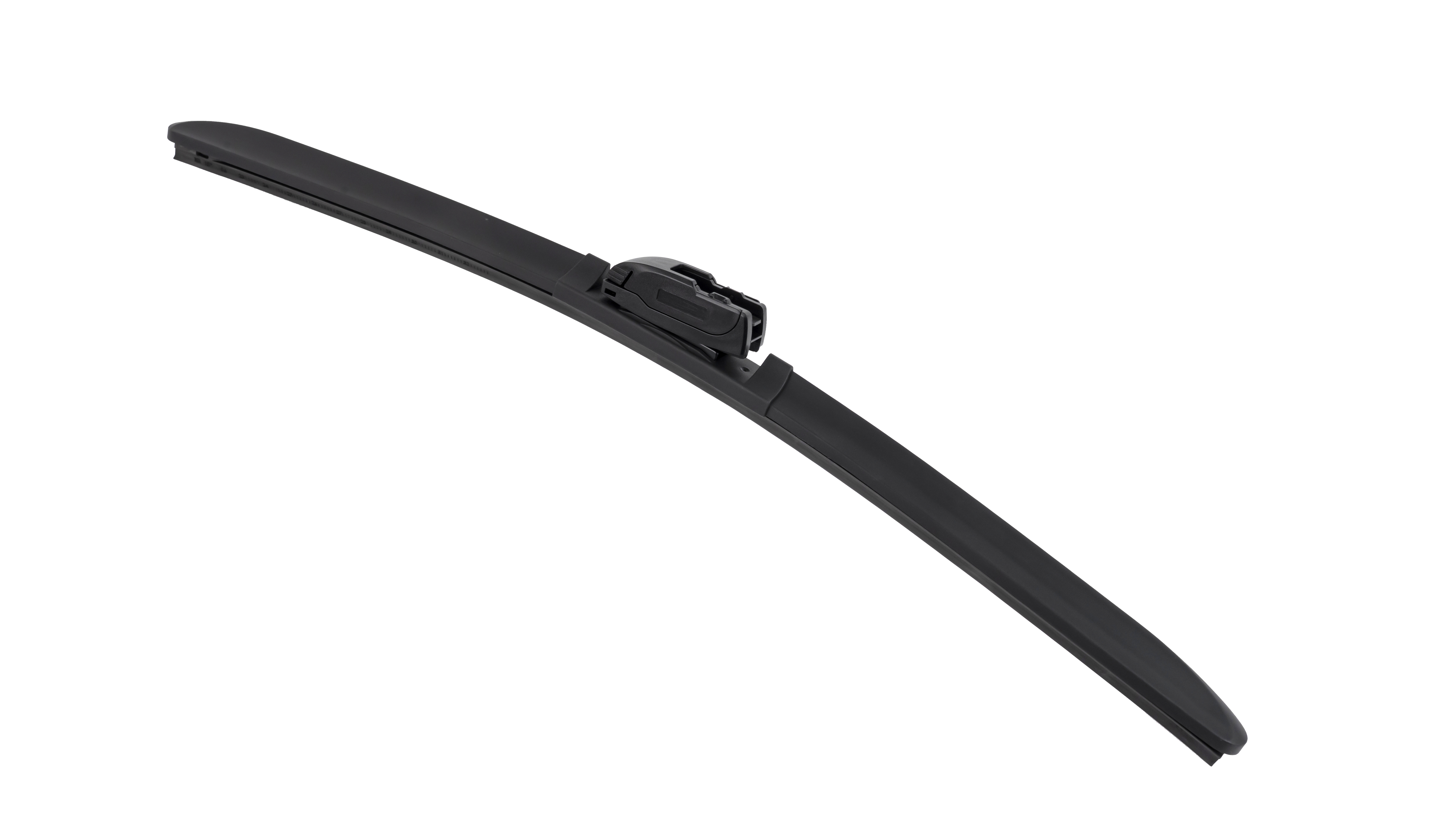
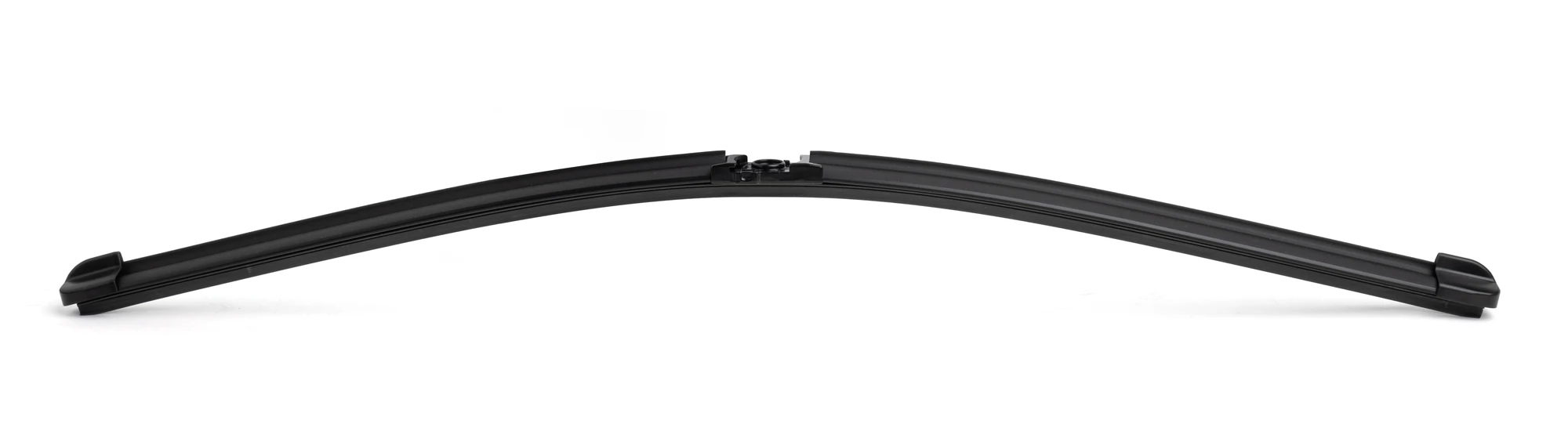
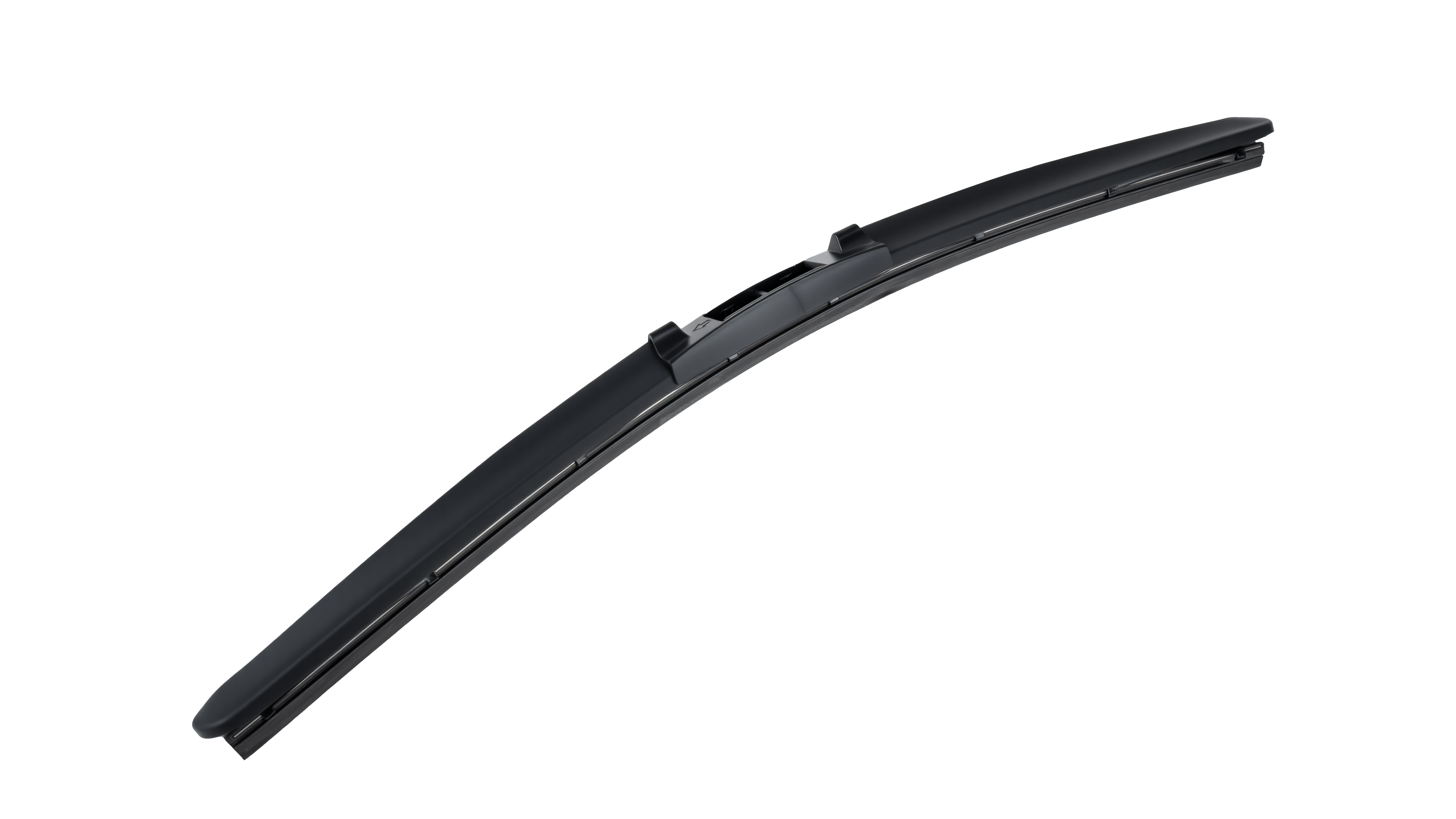
The selected model is only part of the definition. State the included components, revision, quantity unit and packaging arrangement. A familiar product name can otherwise refer to a loose body in one discussion and a preassembled set in another.
A hypothetical order might have the technical combination established but still lack a decision on separate or common packing. Record that remaining question. Treating it as an open delivery item preserves the completed technical work without implying that all order conditions are settled.
Distinguish targets from accepted requirements
An enquiry may contain a preferred dimension, requested delivery date or proposed packaging change. These should remain identifiable as requests until the relevant scope is agreed. Copying them into a final order without resolving their status can make each party believe a different condition applies.
For a material or performance requirement, identify the supporting specification and evidence. Do not infer either from a black component photograph, a familiar model family or a general article about the part's function.
Make changes visible to the next stage
If the selected component changes after sample discussion, identify the affected interfaces and review conclusions. If only the label changes, the technical evidence may remain relevant, while packing documents need attention. Different changes should trigger the work appropriate to their impact rather than a blanket assumption that everything is unchanged.
Before progressing, the buyer and supplier should be able to describe the same item from the same references. This practical alignment is more useful than a long checklist whose fields have been completed with guesses or statements that refer to different versions.
Does an approved sample prove every later batch?
No. It supplies a reference within the recorded review scope. Batch identification, agreed inspection and change control remain separate requirements. Link any material or performance requirement to its own evidence instead of inferring it from appearance. See the sample-review guide and document guide, then contact QINAI with the defined item and outstanding decisions.