Build a Verifiable Product Information Record for Wiper Components
Published by QINAI (瑞安市汽耐雨刷制造有限公司).
A verifiable product statement identifies the item, the claim and the evidence supporting it. Keeping those elements linked makes it easier to answer buyer questions and update information when a model or document changes.
How should a claim record be organized?
Create a record for the claim rather than collecting unrelated certificates, images and specifications in one folder. Record what the evidence covers and which model or version it concerns.
| Claim type | Evidence to connect |
|---|---|
| Model identity | Catalogue reference and identified photographs |
| Dimensions | Applicable drawing and measurement reference |
| Material | Specified material requirement and confirmation |
| Assembly | Mating parts and scoped review record |
| Performance | Applicable method, conditions and results |
What should remain clearly unconfirmed?
Keep requested targets, candidate fitment and proposed improvements distinguishable from established results. Black colour does not identify a plastic grade, and a catalogue model name does not establish durability or compatibility with every vehicle. If the supporting record is missing, say which question still needs resolution.
Start with the exact statement a buyer will read
A broad sentence such as “high-quality, widely compatible component” contains several different ideas without identifying their evidence. Separate the intended statements: which model is shown, which dimensions are specified, which combination has been reviewed and what supply scope is offered. Each can then be checked against the relevant record.
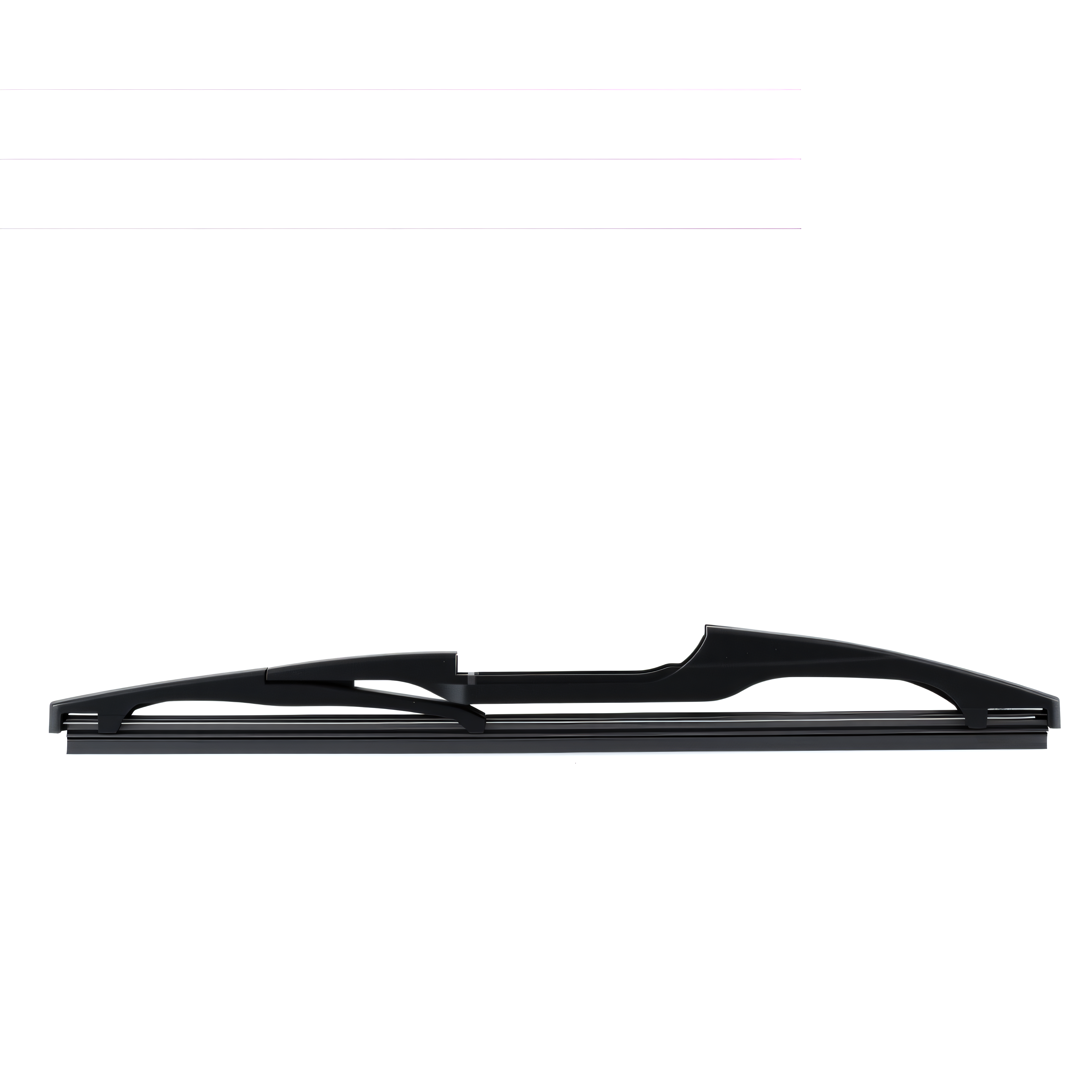
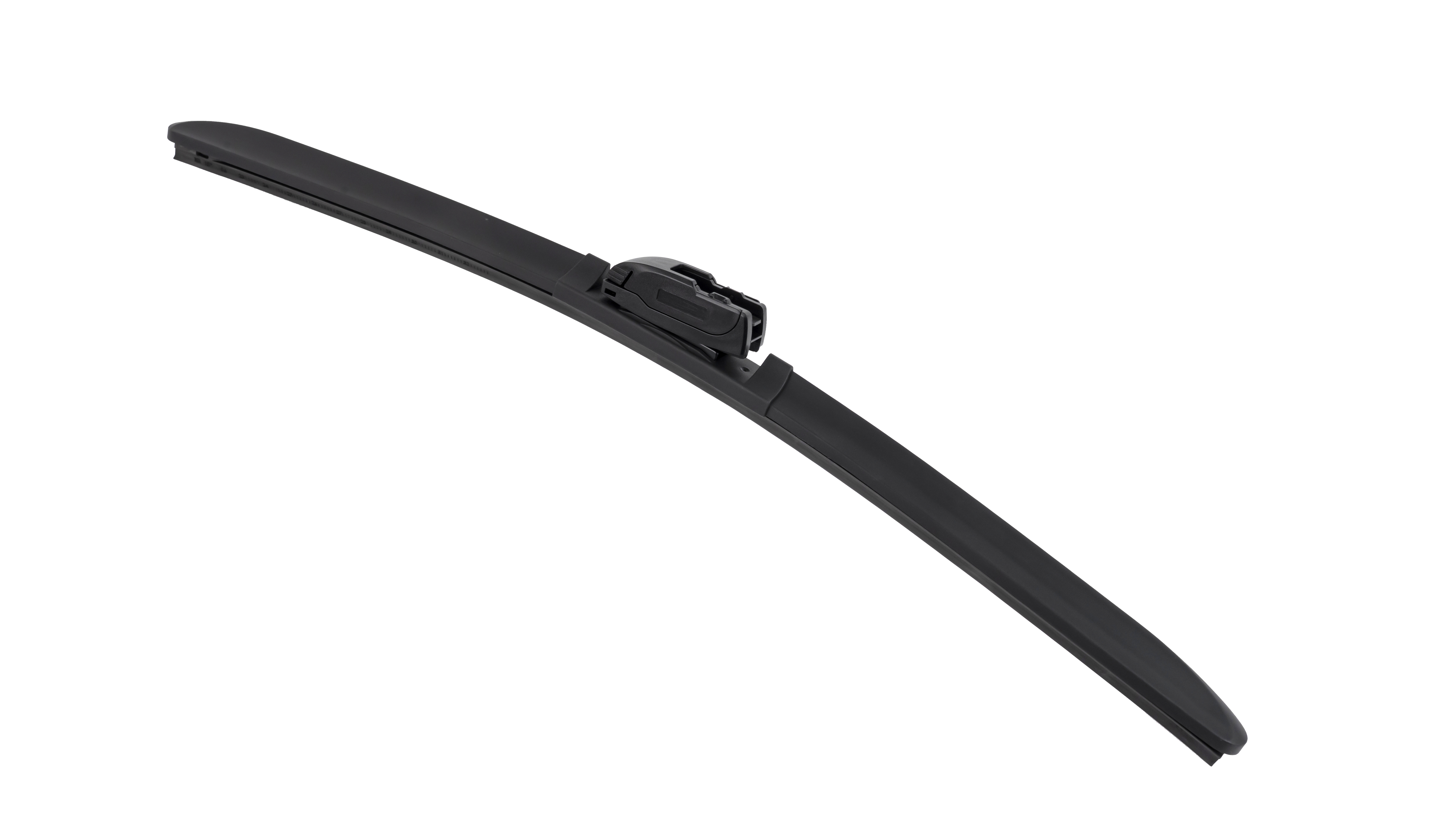
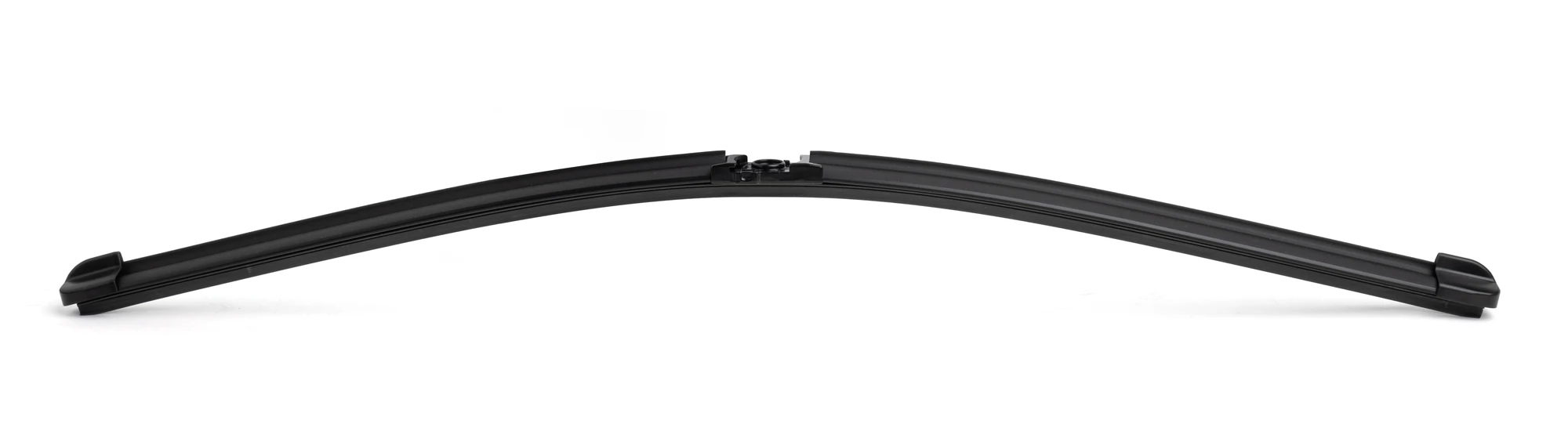
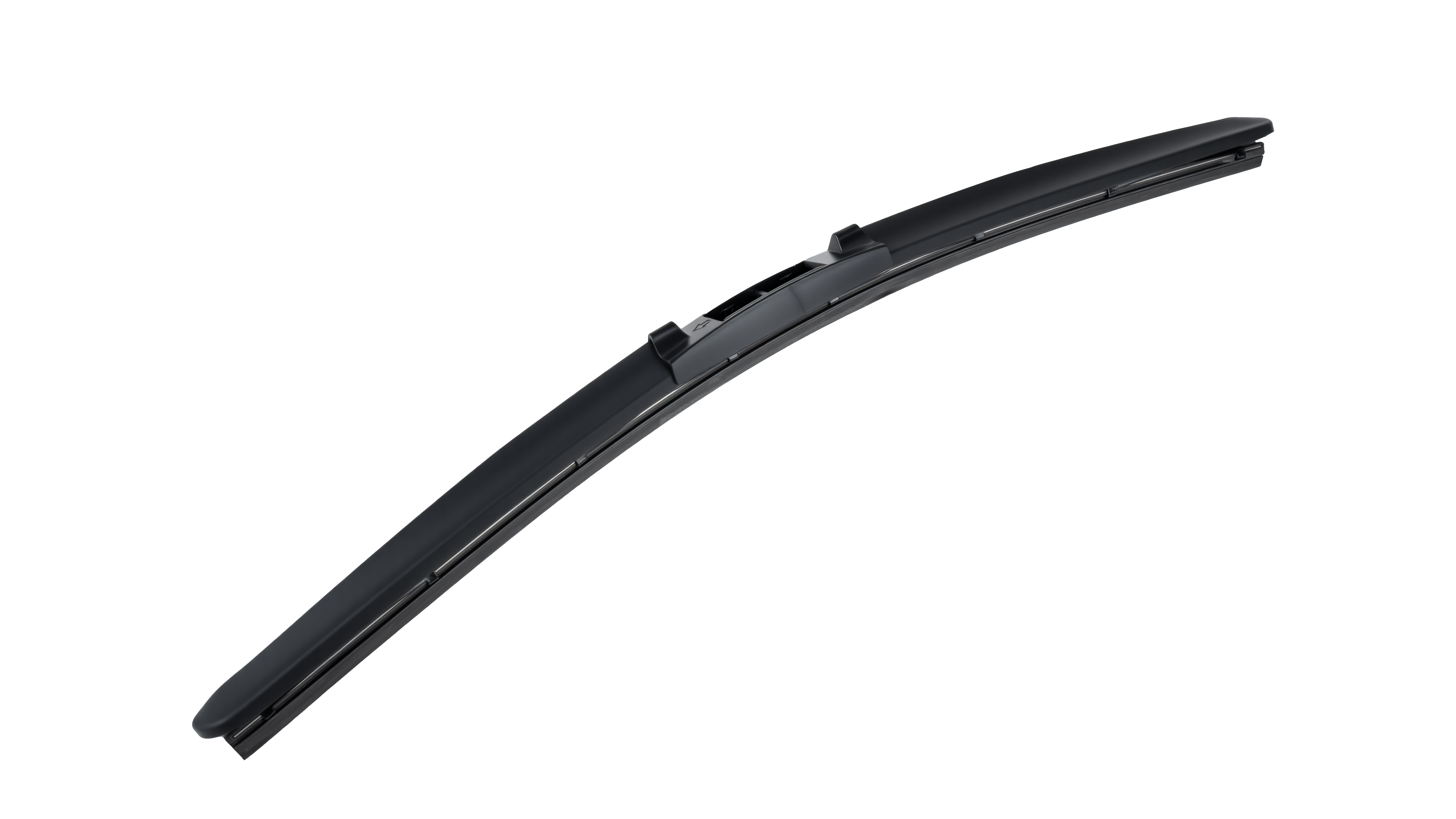
This is also useful for product photographs. An image may establish the visible outline and help locate a connection feature, while a material or performance statement needs different evidence. A single attractive image should not be expected to support every field on a product page.
Keep a claim register concise
A practical entry contains the item, statement, supporting reference, scope and current status. For example, an illustrative entry might identify Sample A, the observed assembly condition with Mating Part B and the corresponding review record. It should not be rewritten as compatibility with an entire vehicle family unless that broader scope has evidence.
When support is missing, identify the question and the next source needed. A requested target can remain in the same working system, provided it is clearly distinguished from an established result.
Review the impact before updating public information
A new component version can affect pictures, dimensions, instructions and earlier compatibility statements. A new package can affect the supplied contents without changing the photographed body. Identify those differences before changing the description so the page does not quietly combine information from several versions.
Keep the previous record linked to orders that used it. The current public statement should describe the current defined scope, while historical records remain interpretable. Consistency comes from connecting the evidence, not from repeating the same promotional phrase across every channel.
How should an information change be handled?
Identify the affected model, claim and evidence before updating related documents. Keep the previous version identifiable for the orders that relied on it. This prevents a new image or description from silently changing the meaning of an earlier approval. Use the controlled-record guide for versions and the quality-check guide for turning requirements into reviewable checks.