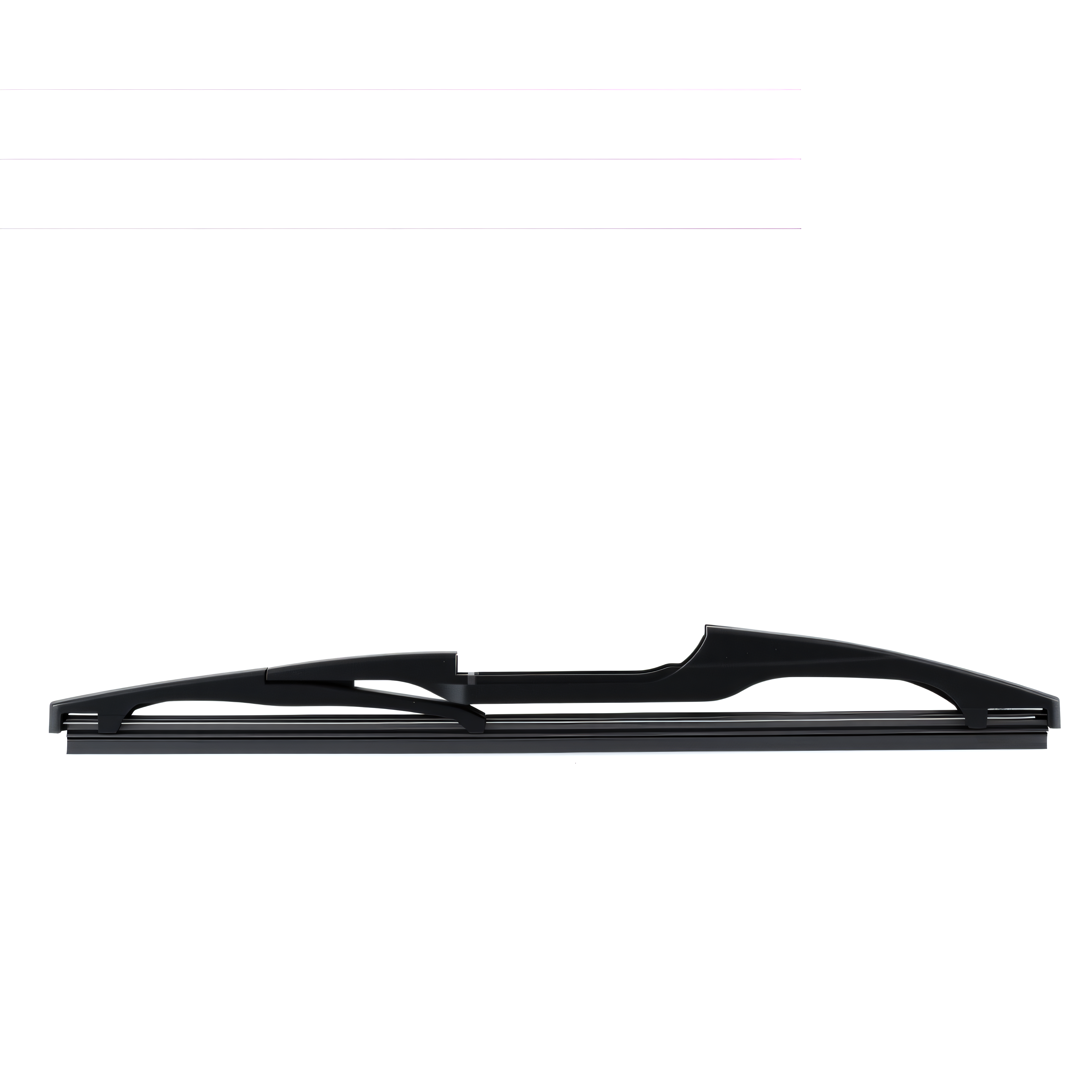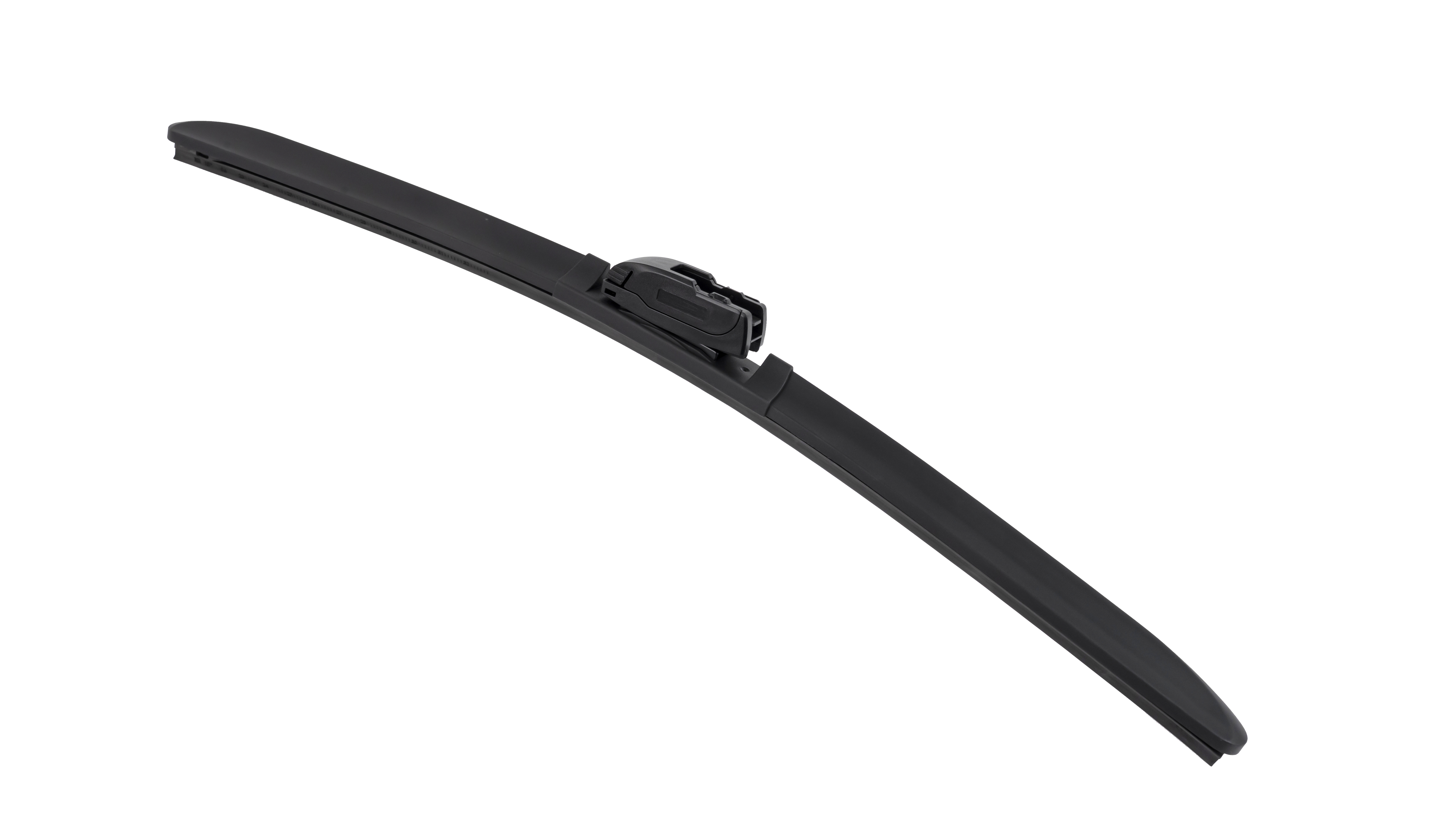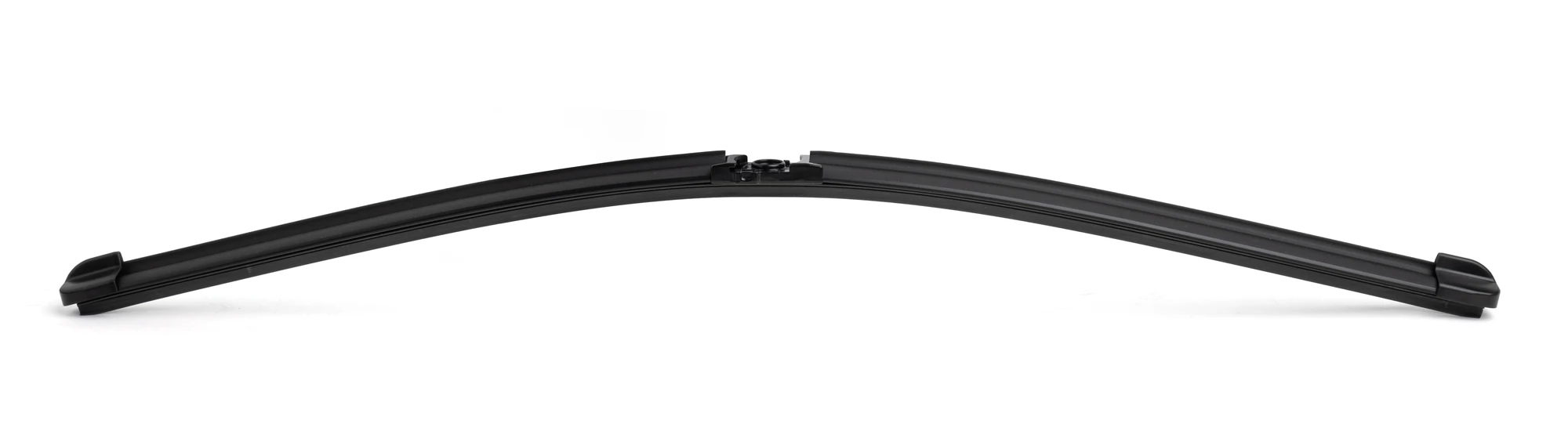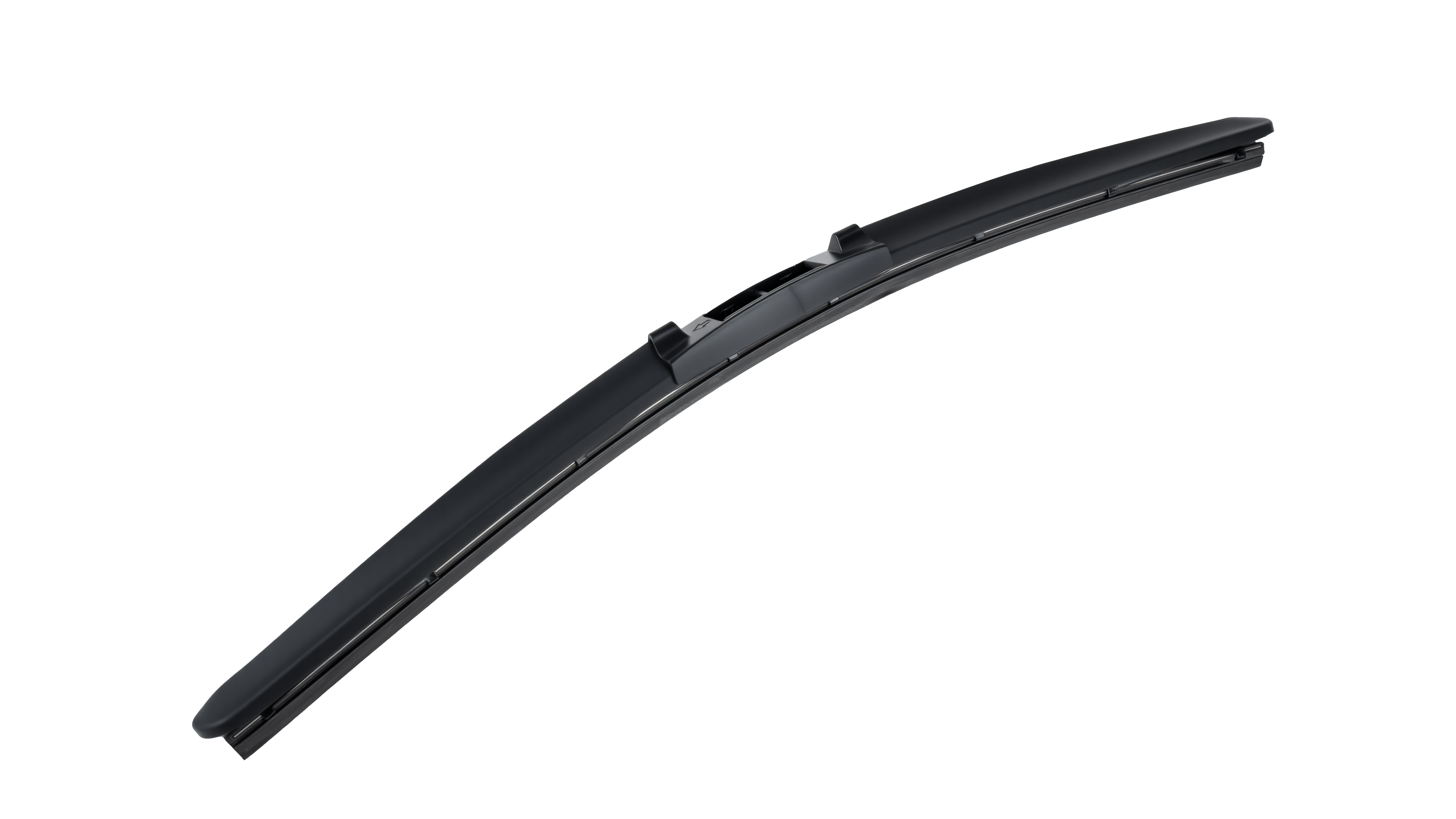
Read Wiper Technical Information Within Its Evidence Scope
Published by QINAI (瑞安市汽耐雨刷制造有限公司).
Different sources answer different questions. A general article explains a principle, a catalogue identifies a model, a drawing defines specified features and a review record documents observations. Use each source for the claim it can actually support.
Which source fits which decision?
Start with the question being answered, then identify the relevant evidence. A source can be useful without being sufficient for the entire selection.
| Source | Useful for | Does not establish by itself |
|---|---|---|
| General guide | Terminology and review method | A model's tested performance |
| Catalogue photograph | Visible structure and identity | Material grade or full fitment |
| Dimensioned drawing | Specified geometry and version | Every installed operating result |
| Sample record | Observations under stated conditions | Every batch or vehicle variant |
How should a claim be checked?
Identify the model, scope, conditions and evidence behind it. For a material statement, look for the specified requirement and relevant confirmation. For a performance statement, look for the method and results rather than treating the name of a material or an image as proof.
Match the strength of the statement to the evidence
An image can show that a visible feature exists on the photographed item. It usually cannot identify a hidden material grade or establish a numerical tolerance. A drawing can specify a dimension and revision, but the actual supplied item still needs the relevant review. A sample result describes the sample and conditions examined, not every possible combination.
These distinctions do not make any source unhelpful. They clarify what additional evidence is needed for the next decision. A good technical request names the missing relationship instead of asking for a general assurance that the product is suitable.
A worked example of an overextended conclusion
Suppose a photograph shows that a connector cover is closed. The supported observation is the visible cover position. Concluding that the internal locating relationship is correct, the retention requirement is met and the component suits a whole vehicle family adds several claims that the image alone does not establish.
Break the conclusion into separate questions: which mating parts are present, what installed position is specified, which check applies, and what application record supports the scope. Each question can then be connected to appropriate evidence.
Read numerical claims with their conditions
A number becomes useful when its object, unit, method and scope are clear. An insertion force without the mating part or direction is difficult to compare; a market percentage without its denominator can describe a different population from the one a buyer assumes.
When the relevant conditions are absent, retain the number as unverified input rather than using it as an acceptance limit or purchasing forecast. Ask for the information that makes the comparison meaningful, and keep general background separate from model-specific evidence.
How should this affect an enquiry?
State the requirement separately from the information already available. Ask for the missing evidence that would resolve the decision. The current directory supplies model references; the sample guide and pre-order checklist explain how supporting records enter the purchasing process. Website guidance does not replace the instructions for a particular vehicle or blade.