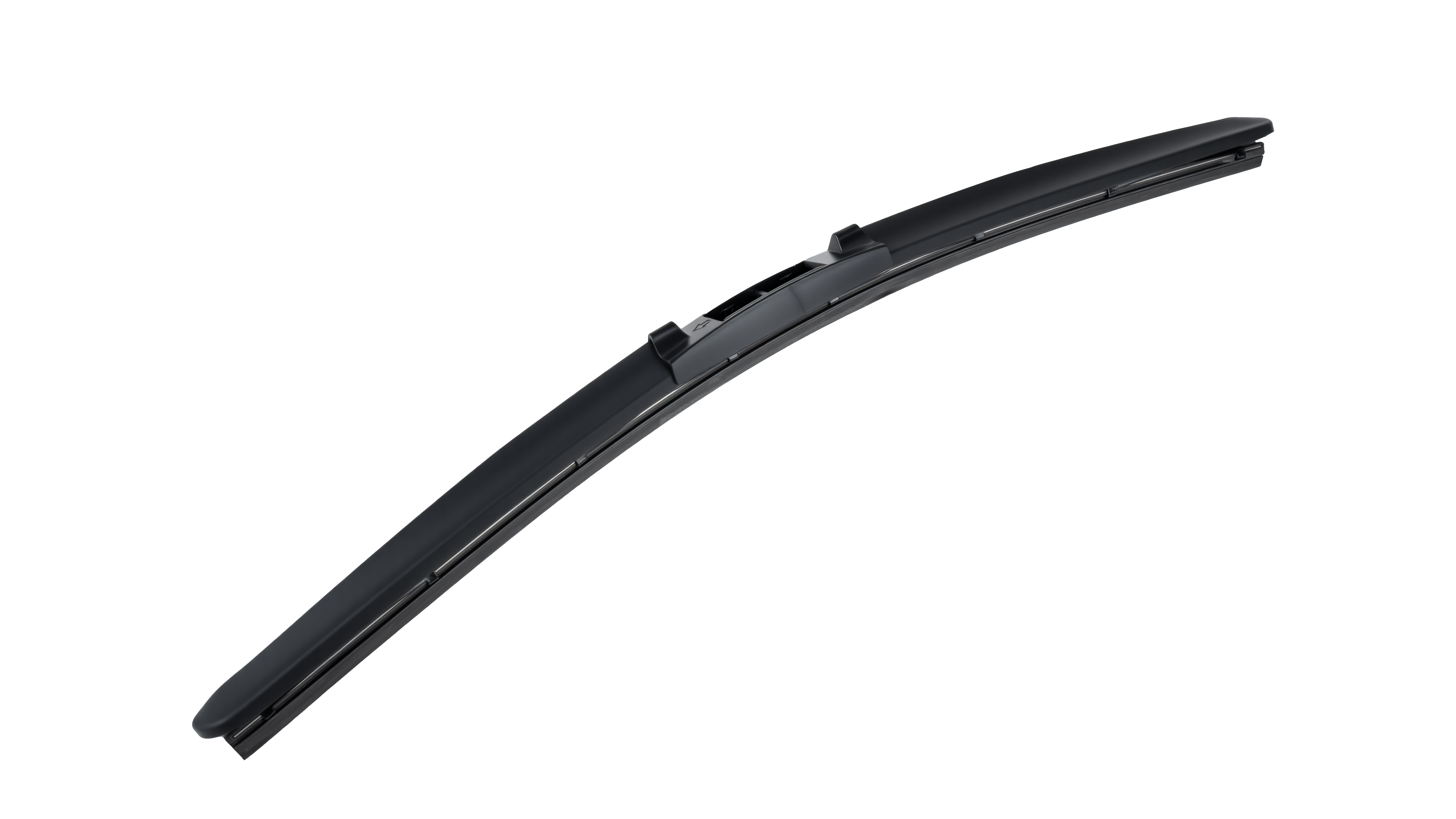
Make a Wiper Component Sample Review Useful
Published by QINAI (瑞安市汽耐雨刷制造有限公司).
A useful sample review identifies the sample, the mating parts, the checks completed and the questions still open. A short statement such as “sample accepted” is difficult to reuse if it does not say which features and conditions were reviewed.
How should a review record begin?
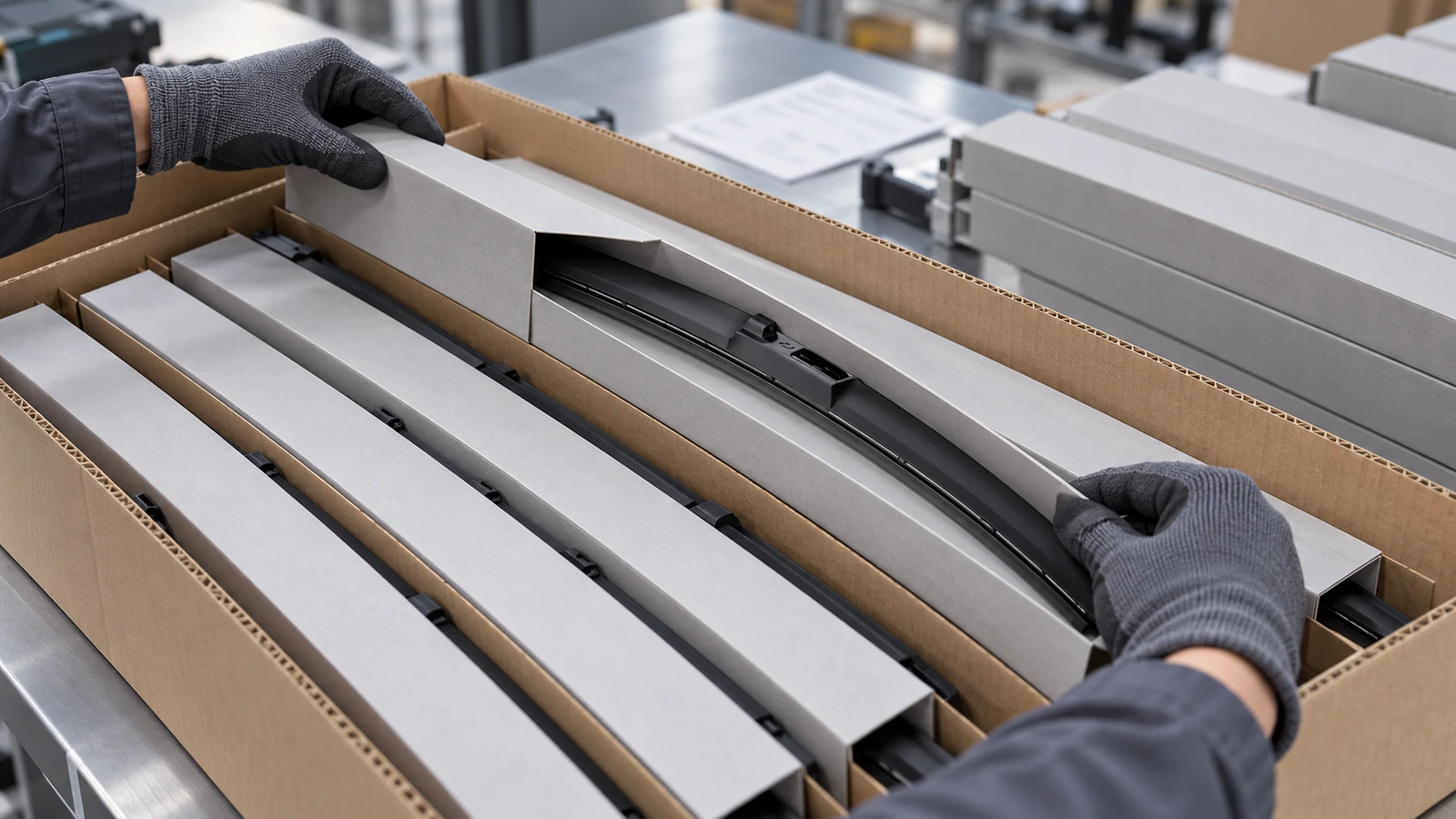
Give each sample its own ID and link it to the received date, model reference and drawing revision, where available. Photograph the received condition before separating parts or packaging. If a label and drawing disagree, record the discrepancy before choosing either as the reference.
| Review item | Record to keep |
|---|---|
| Identity | Sample ID, model and mating-part references |
| Appearance or dimensions | Feature, requirement, method and observation |
| Assembly | Instructions used and the specific checks completed |
| Open items | Missing evidence and the next decision needed |
Define the purpose of the sample
A sample used to identify an external shape is not necessarily being evaluated for the same purpose as a sample used in an installation review. Packaging approval introduces another set of questions. State the intended decision before inspection so participants know whether they are selecting a candidate, comparing a feature or preparing an order reference.
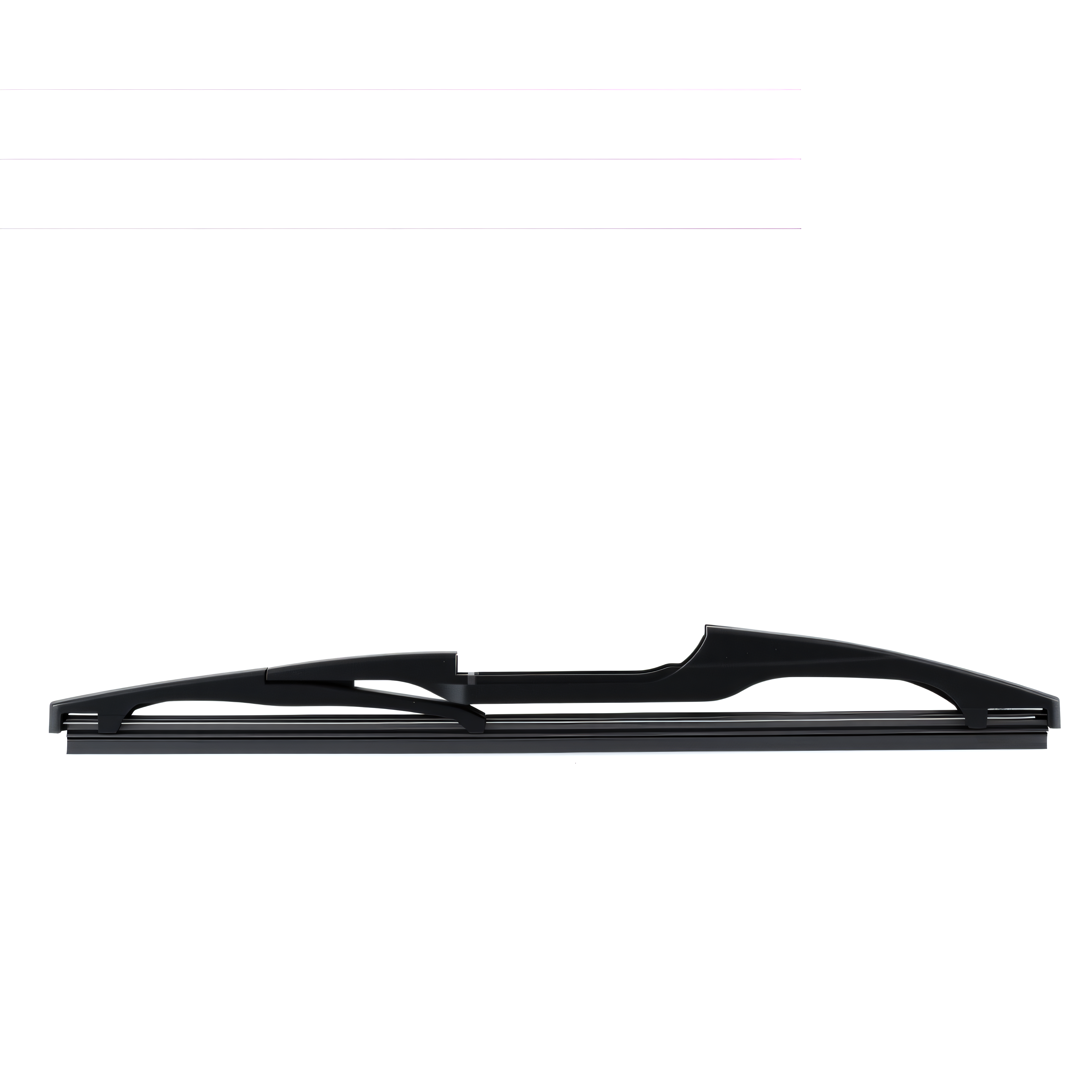
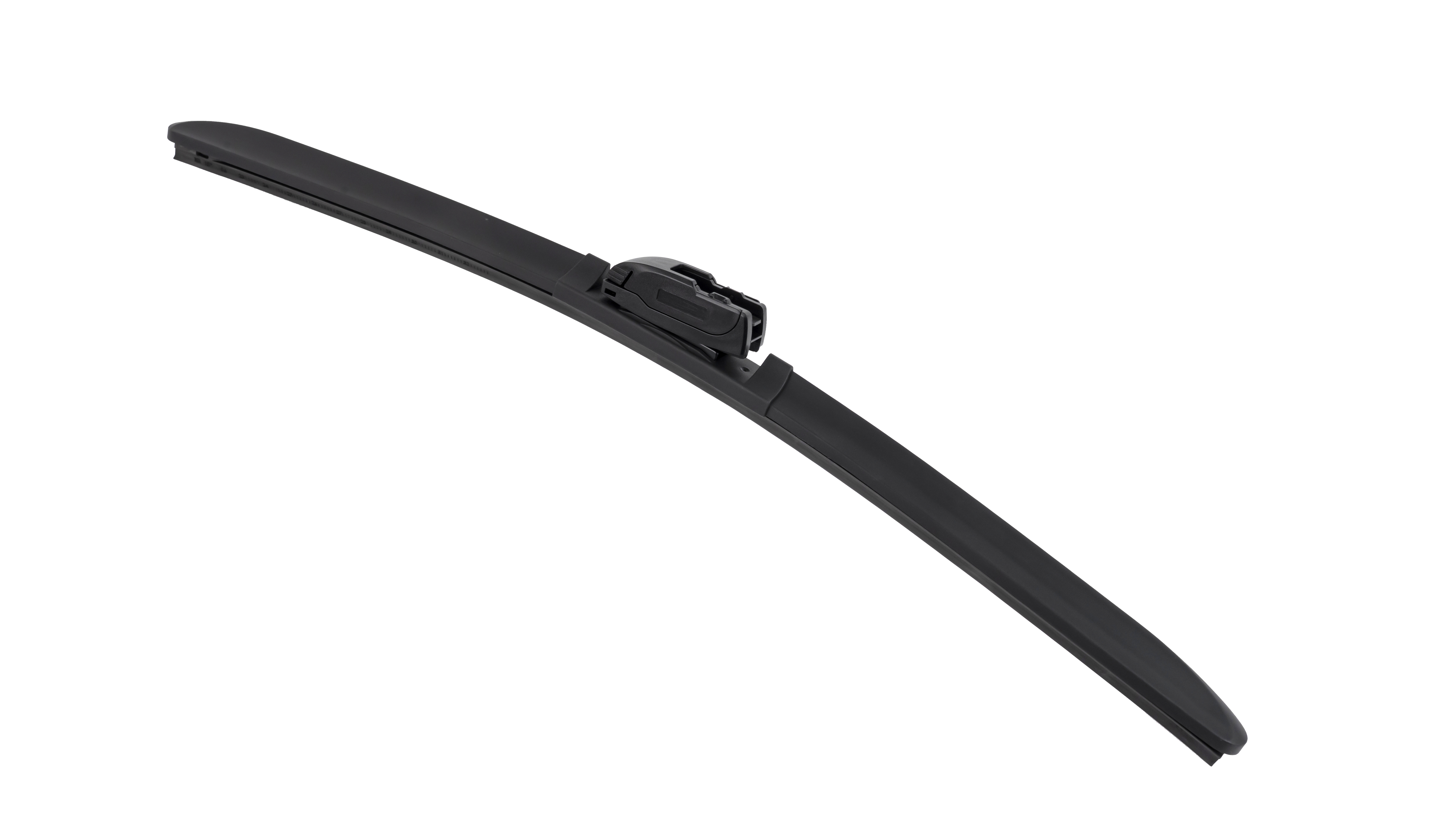
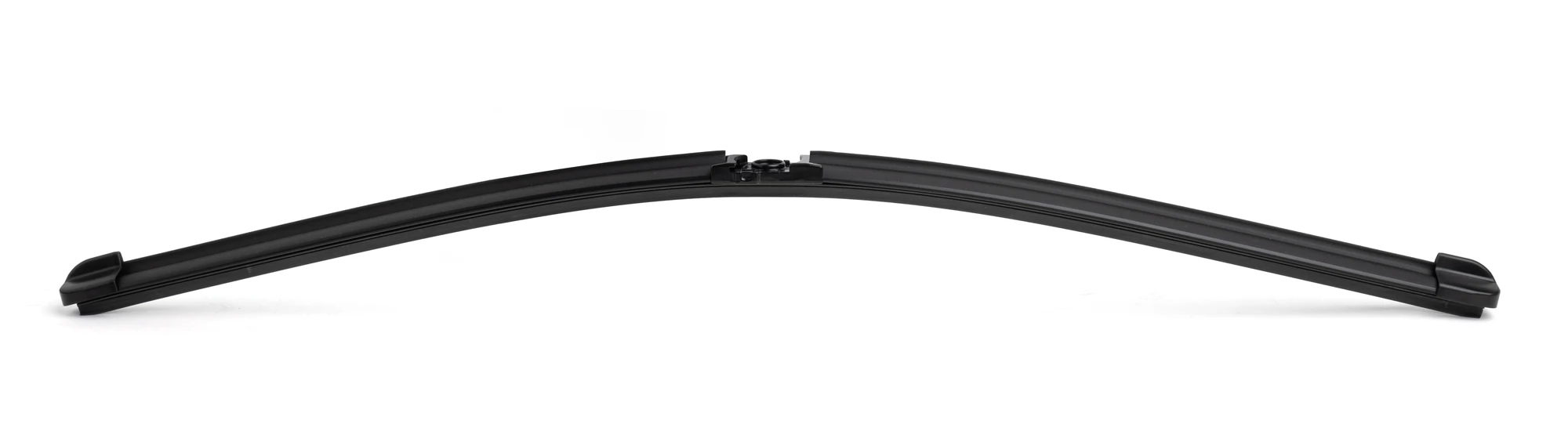
This also helps decide what evidence is needed. A visible-condition check needs the sample and agreed appearance criteria. An assembly question needs the relevant mating parts and instructions. A statement about a complete wiping result needs the installed system and suitable evaluation conditions, rather than a loose connector alone.
Turn an observation into a scoped decision
An illustrative review might say: “Sample A was observed with mating part B using the specified installation sequence. The required parts were present. Packaging was not included, and one dimensional requirement remains unresolved.” This example describes a record format; it is not a QINAI inspection result.
Compare that wording with “sample is good.” The longer statement explains which object was reviewed, which work took place and which questions remain. A later buyer can use it without assuming that every material, performance or delivery condition has already been approved.
Resolve conflicting references before release
If the physical sample differs from the drawing, identify the feature and versions involved. Ask which condition is intended rather than quietly treating whichever document is more convenient as authoritative. Once a decision is reached, connect it to the revised document or sample reference. Keep previous evidence identifiable for earlier orders, so the new decision does not erase the meaning of an old one.
How should a conclusion be written?
Limit the conclusion to the work actually completed. For example, confirming part count and visible condition does not also confirm retention, wiping performance or batch consistency. Keep proposed explanations separate from observations so later reviewers can assess the same evidence.
How does the record support an order?
Reference the approved sample and valid documents in the order discussion, and retain a clearly identified reference sample where practical. A later design or packaging change should identify which approvals need review. See the volume-order checklist for the remaining decisions before ordering and contact QINAI with the sample references involved.