Anatomy of a Wiper Assembly: How the Parts Relate
Published by QINAI (瑞安市汽耐雨刷制造有限公司).
A wiper assembly combines the vehicle arm, connection parts, blade support and wiping element. Understanding those relationships helps identify which component is being sourced and which observations require review of the complete installed system.
What does each part contribute?
The arm carries the blade through its sweep; the connection locates and retains the blade assembly; the support structure carries the wiping element along the glass. The design of these relationships varies, so a loose component should be reviewed with its actual mating parts.
| Part or relationship | Question for a component review |
|---|---|
| Arm to connector | How is the intended installed position reached and retained? |
| Connector to blade body | Which locating and retaining features mate? |
| Blade support to wiping element | What structure and supply item are required? |
| Complete installed assembly | Is the required movement and clearance available? |
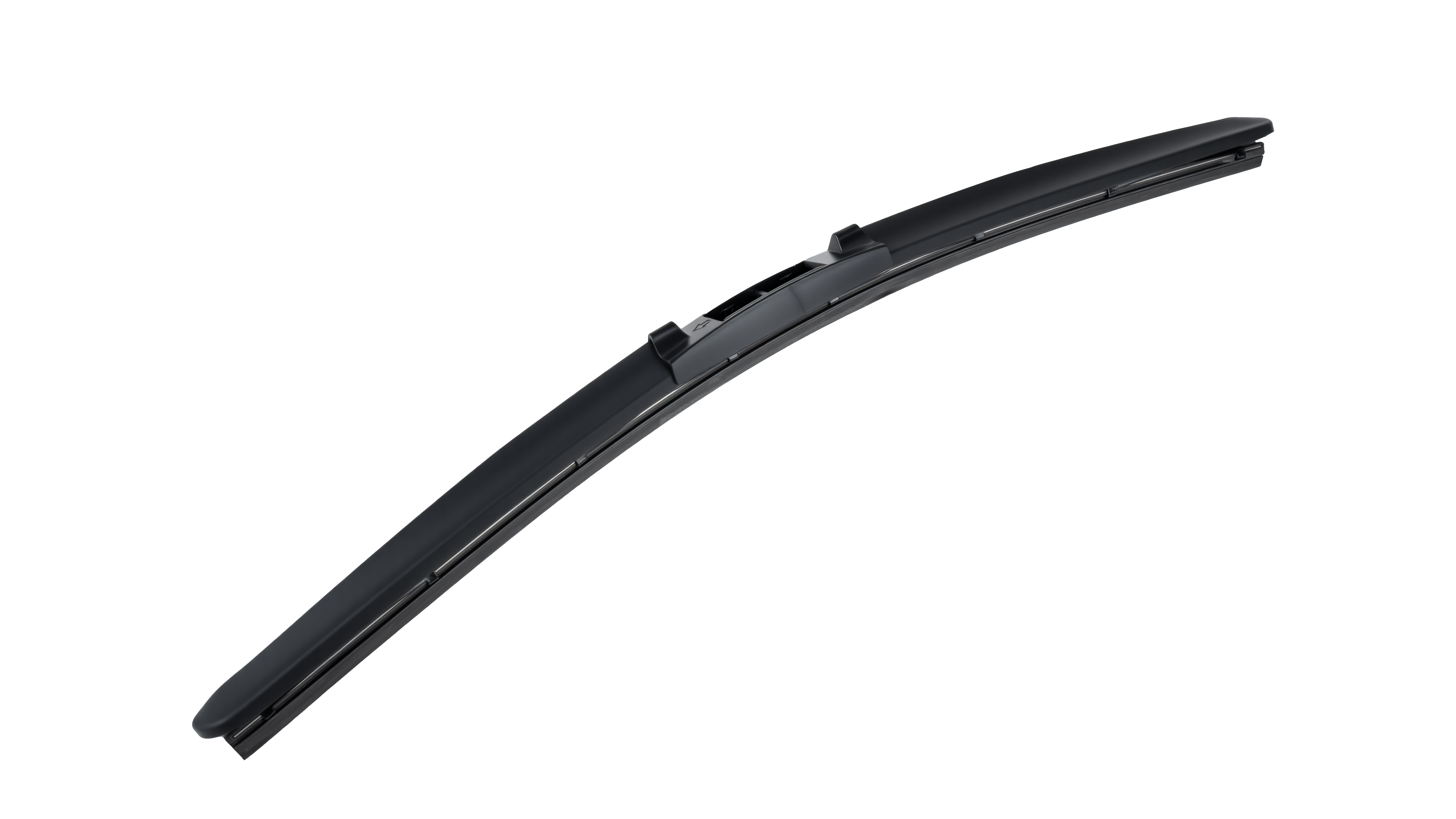
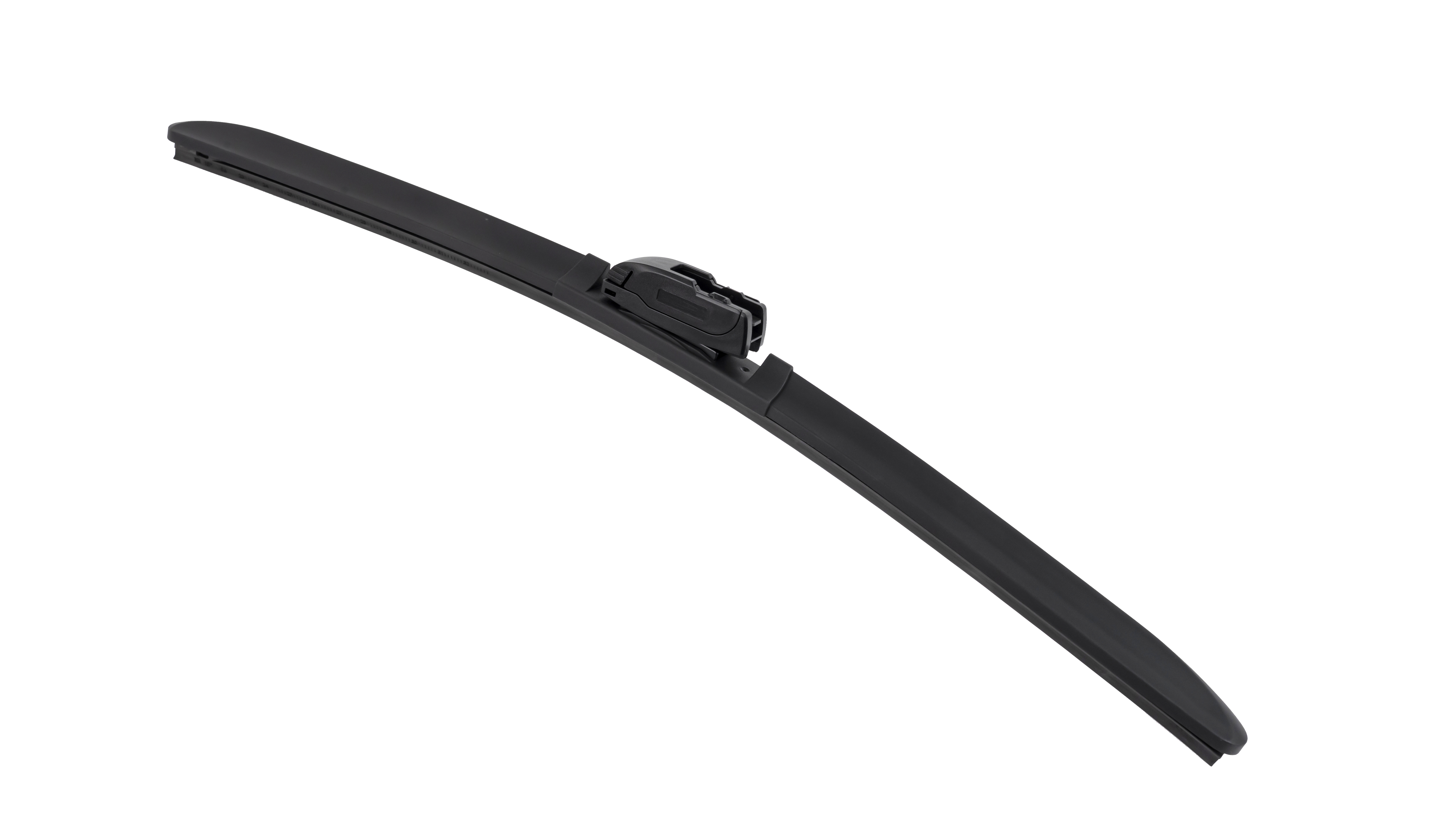
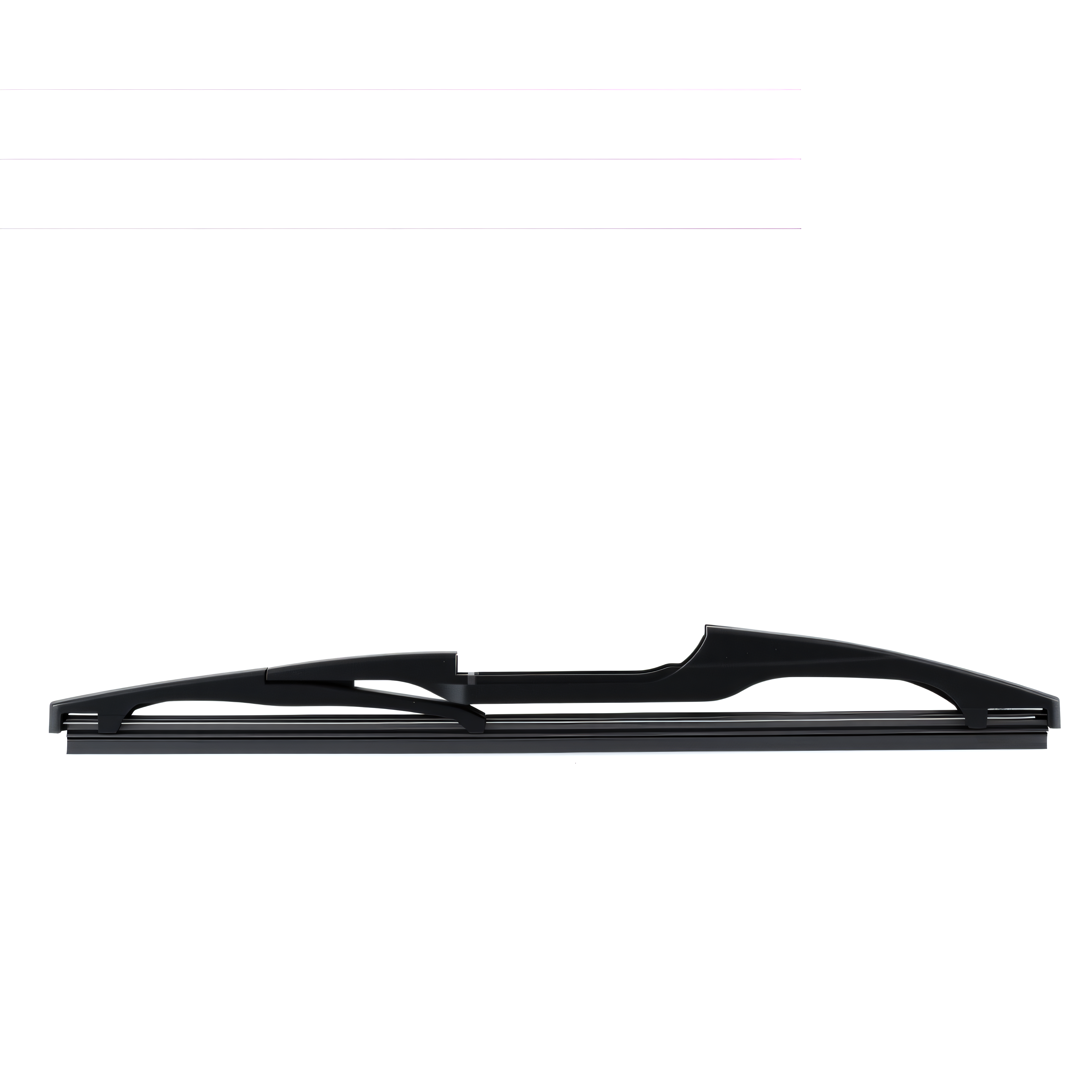
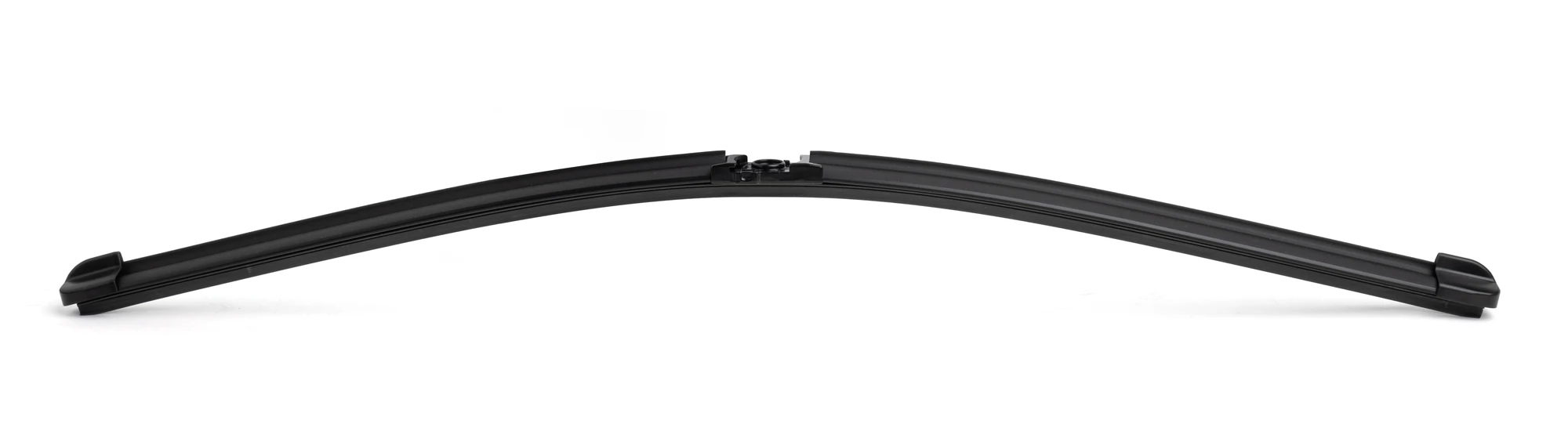
These catalogue photographs show component references; they do not document the complete vehicle system.
Why can a local change affect the assembly?
A change near a latch, pivot or cover may affect insertion, clearance or removal elsewhere. Record fixed interfaces and the feature being changed, then compare the relevant assembly states rather than checking only the altered surface.
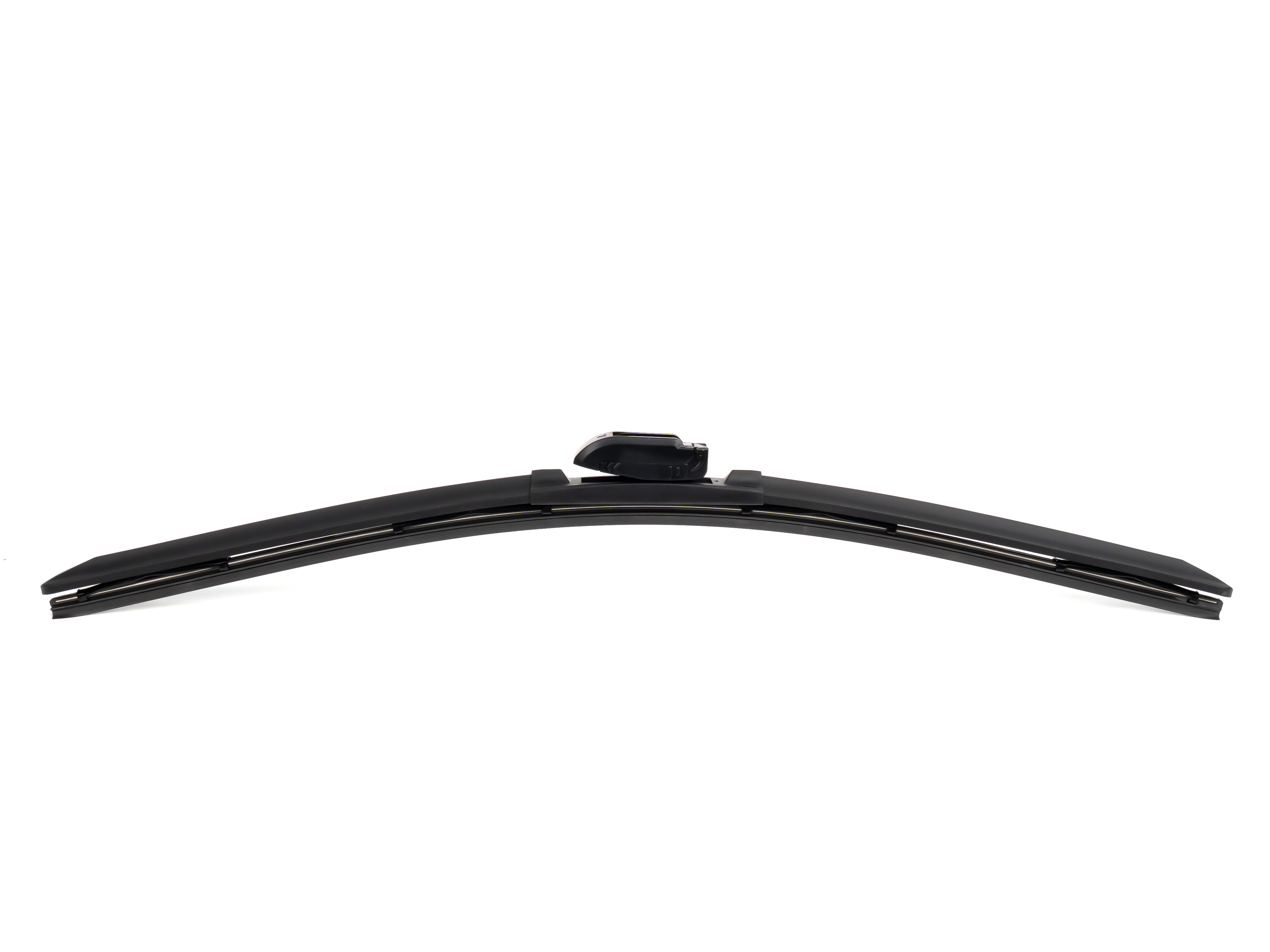
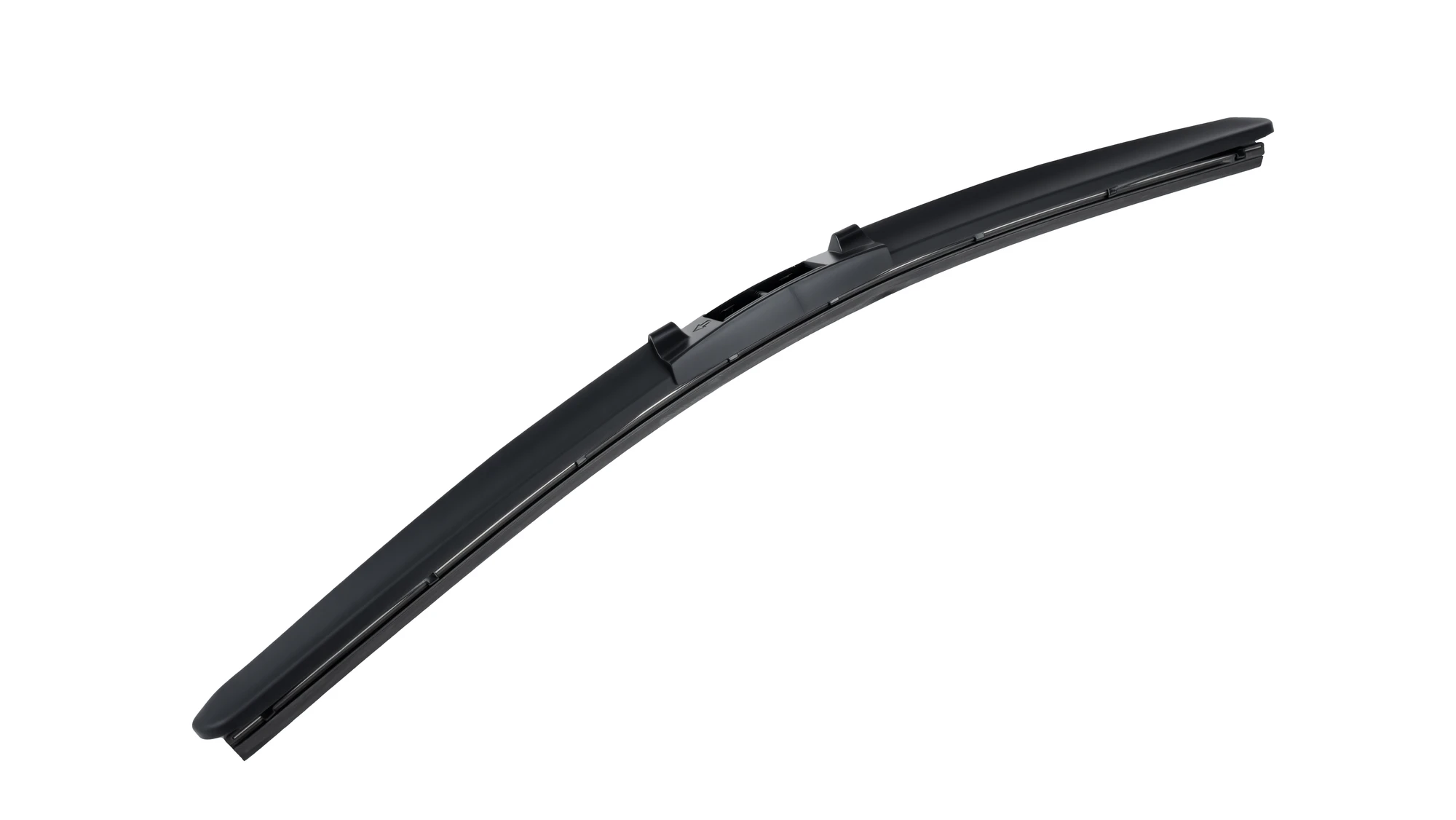
Use the actual mating parts to connect these visual references to an assembly review.
Trace the effect of a change through the neighboring parts
Consider a general example in which a cover edge is enlarged to make it easier to grasp. The new edge may help the hand reach it, but it also occupies space when the cover opens and closes. Review its movement relative to the arm and body rather than judging the benefit from the closed position alone.
The same reasoning applies when a body or adapter is substituted. A connection that works in isolation may meet a surrounding surface after the remaining parts are added. The complete combination establishes the practical operating boundary.
Distinguish the supply boundary from the system boundary
A component supplier may be discussing a connector or blade body, while the observed symptom occurs in the complete vehicle system. Those boundaries should remain visible in the investigation. A loose-part photograph can help identify a latch feature; it cannot show the condition of the glass, the installed arm relationship or the full wiping pattern.
This does not make component observations unimportant. It means they should be used for the question they can answer. A visible damaged retaining feature is direct evidence about that location. A broad unwiped area is a system observation that may require a different scope of review.
Describe relative motion with two part names
Instead of saying that “the middle moves,” identify which part moves relative to which other part. Arm-to-connector motion and connector-to-body motion concern different interfaces. Add the direction and the stage in which it occurs. This simple description connects the anatomy of the assembly to an actionable review without assuming a cause.
Where should a reported issue be investigated?
Locate the observed symptom first. A connector that is difficult to seat calls for a connection review; poor wiping may also involve the rubber, glass or vehicle arm. Keep the supplied-part observation separate from a system diagnosis. See the locking guide and wiping observation guide for the appropriate next step.
FAQ
The cover moves through space occupied by neighboring parts and the operator's hand. A change that helps access in isolation may obstruct opening, closure or release after installation.
Name both parts, such as arm relative to connector or connector relative to body, then state the direction and stage. This identifies the interface to investigate.