Organize Wiper Component Requests by Position and Supply Item
Published by QINAI (瑞安市汽耐雨刷制造有限公司).
Start a wiper-component request with two decisions: whether it concerns a front or rear installation, and which item is required. This separates a blade assembly from a connector, adapter or other component before quantity and price are discussed.
Which catalogue route should a buyer use?
QINAI's current directory has front and rear component categories. Choose the position first, then compare the actual model and connection details. Category membership narrows the search; it does not establish interchangeability.
| Starting requirement | Where to look | Information still needed |
|---|---|---|
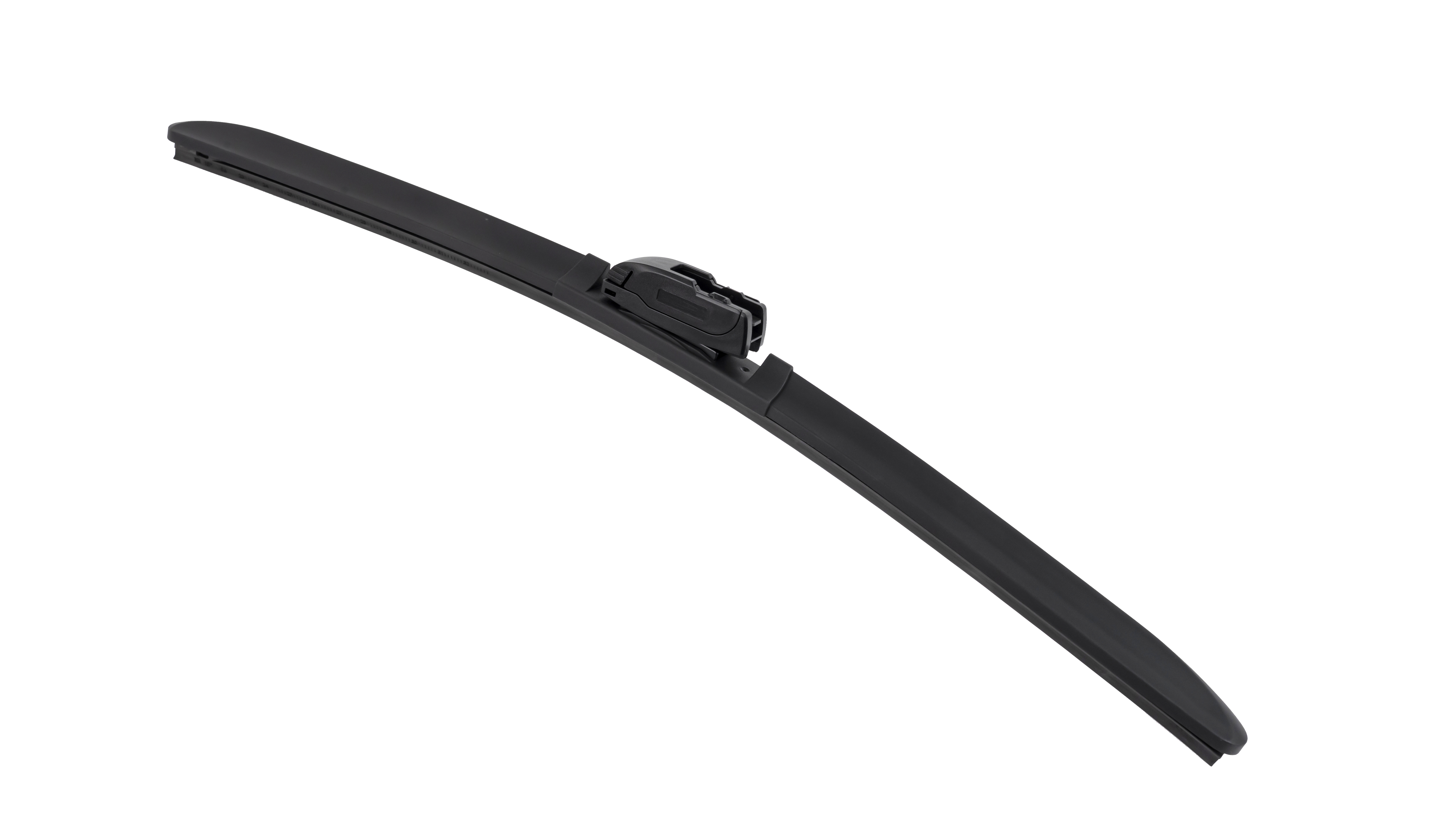
| Front component | Front directory | Model, body and arm-side connection |
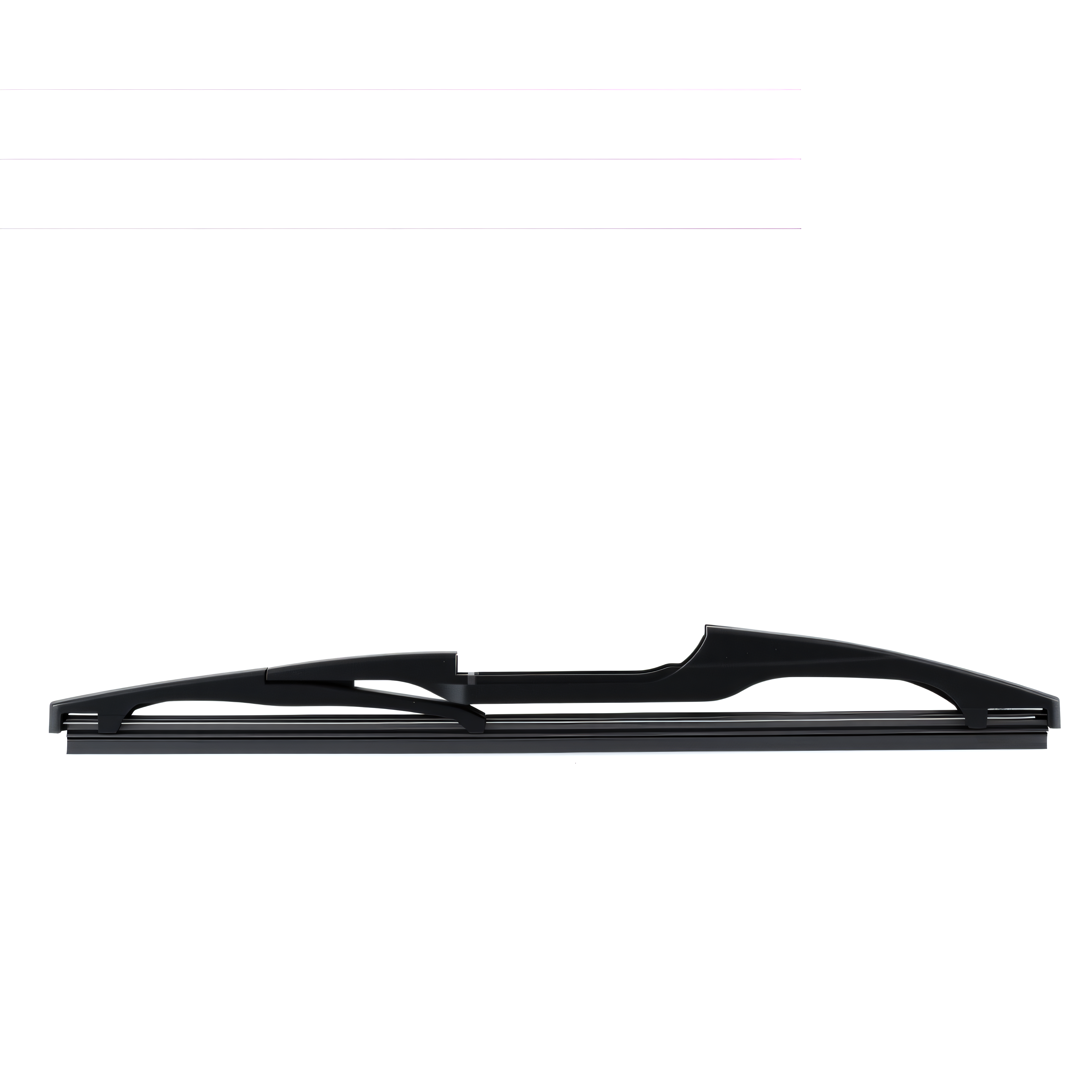
| Framed rear component | RH | Actual rear interface and assembly |
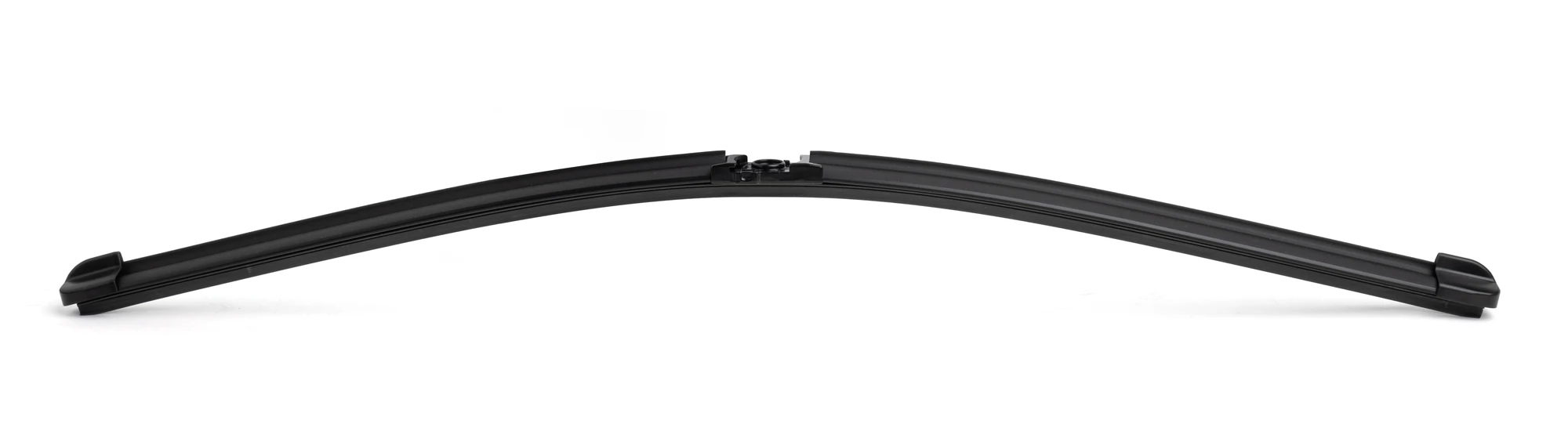
| Flat rear component | S | Actual rear interface and assembly |
Start with what the customer intends to keep
A sourcing request becomes clearer when it identifies the existing parts that will remain. Keeping an arm while replacing the blade combination is different from keeping a blade body while seeking a connector. The first request concerns the new assembly's relationship with the arm; the second also makes the existing body-side attachment a fixed condition.
Position and supply boundary should therefore appear together. “Rear component for comparison with the attached arm” gives a better starting point than “short wiper.” Length can help describe the item, but it does not identify the connection or the contents to be supplied.
Read the gallery in a useful order
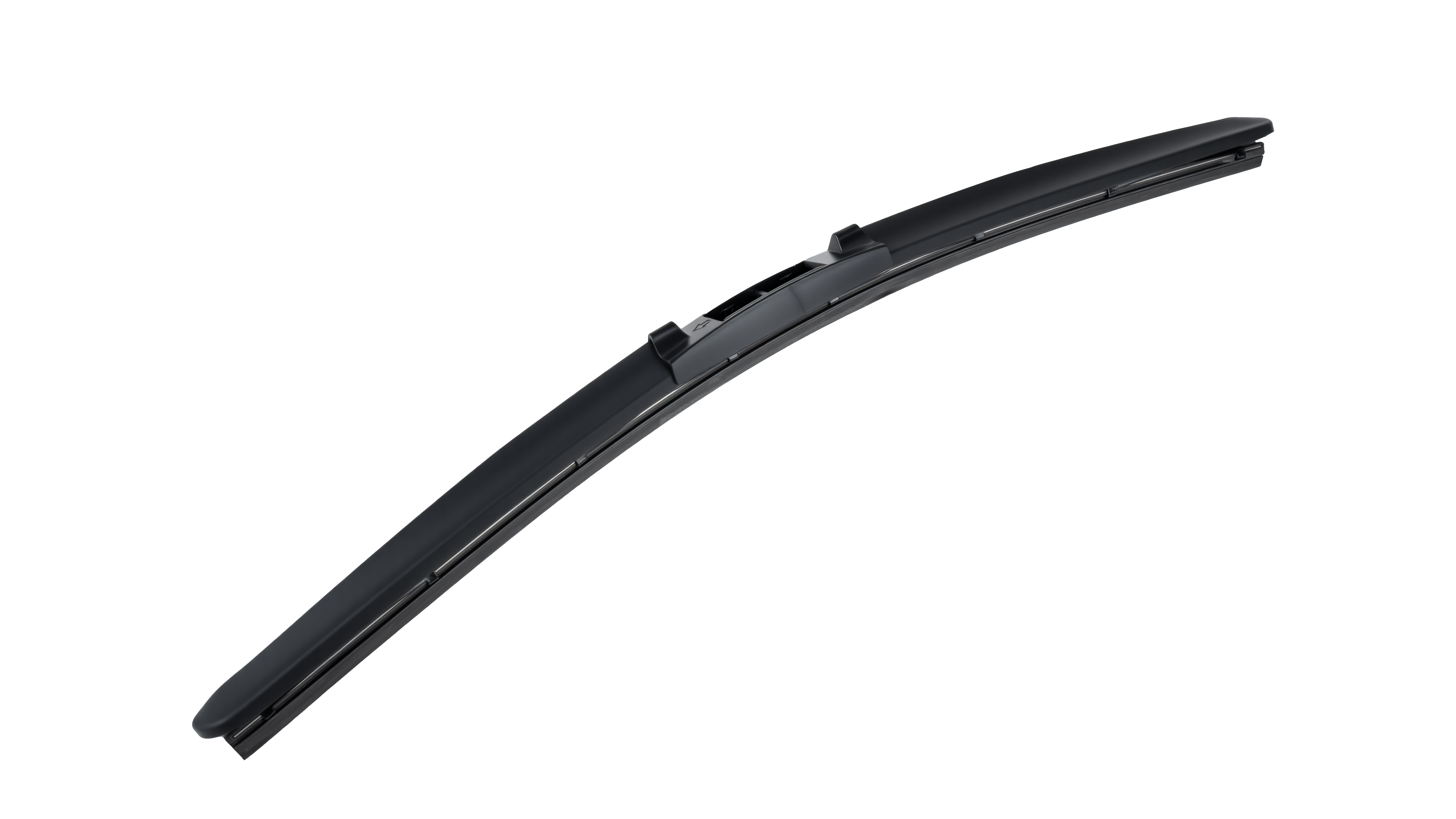
Use an overall view to identify the body and connection location, then inspect the side and underside views. These can reveal relationships that are hidden in a front view. Compare candidates using equivalent views so a change in camera angle is not mistaken for a structural difference.
QINAI's current public catalogue contains 18 model records: 16 front and two rear. This describes the website's present directory, not the company's total possible supply range or a vehicle coverage count. The individual model pages provide a practical reference for discussing a candidate with QINAI.
Keep parallel requirements separate
A hypothetical project may have a confirmed front component but only an unidentified rear sample. The two lines can progress differently: one toward replenishment details, the other toward identification and sample review. A shared vehicle or delivery destination does not make their technical approval status the same. Separate lines preserve useful work without extending one conclusion to another component.
How should the supply item be described?
Mark the required part on an overall image. If several pieces are required together, list them separately and define the contents of one set. Do not assume that every item visible in a product photograph is included in the quoted unit.
What if one project includes both positions?
Use separate order lines and sample references for front and rear items, even when the customer vehicle name is the same. Keep the mating parts and approval records associated with each line. The supply-scope guide helps define the item, while the rear-component guide covers the information needed for RH and S discussions.