Blades, Connectors and Adapters: Define the Supplied Item
Published by QINAI (瑞安市汽耐雨刷制造有限公司).
A product photograph can show more than one supply item. State exactly what is included in a quotation: a complete blade, one component, or a set with defined contents. The item definition determines what the quantity and unit price mean.
How should the required item be identified?
Mark the required component on an overall photograph and provide a separate view if it can be separated. Name its function and connection rather than relying on a broad label such as “wiper part.” QINAI's current directory focuses on front and rear components; confirm the requested scope for the particular enquiry.
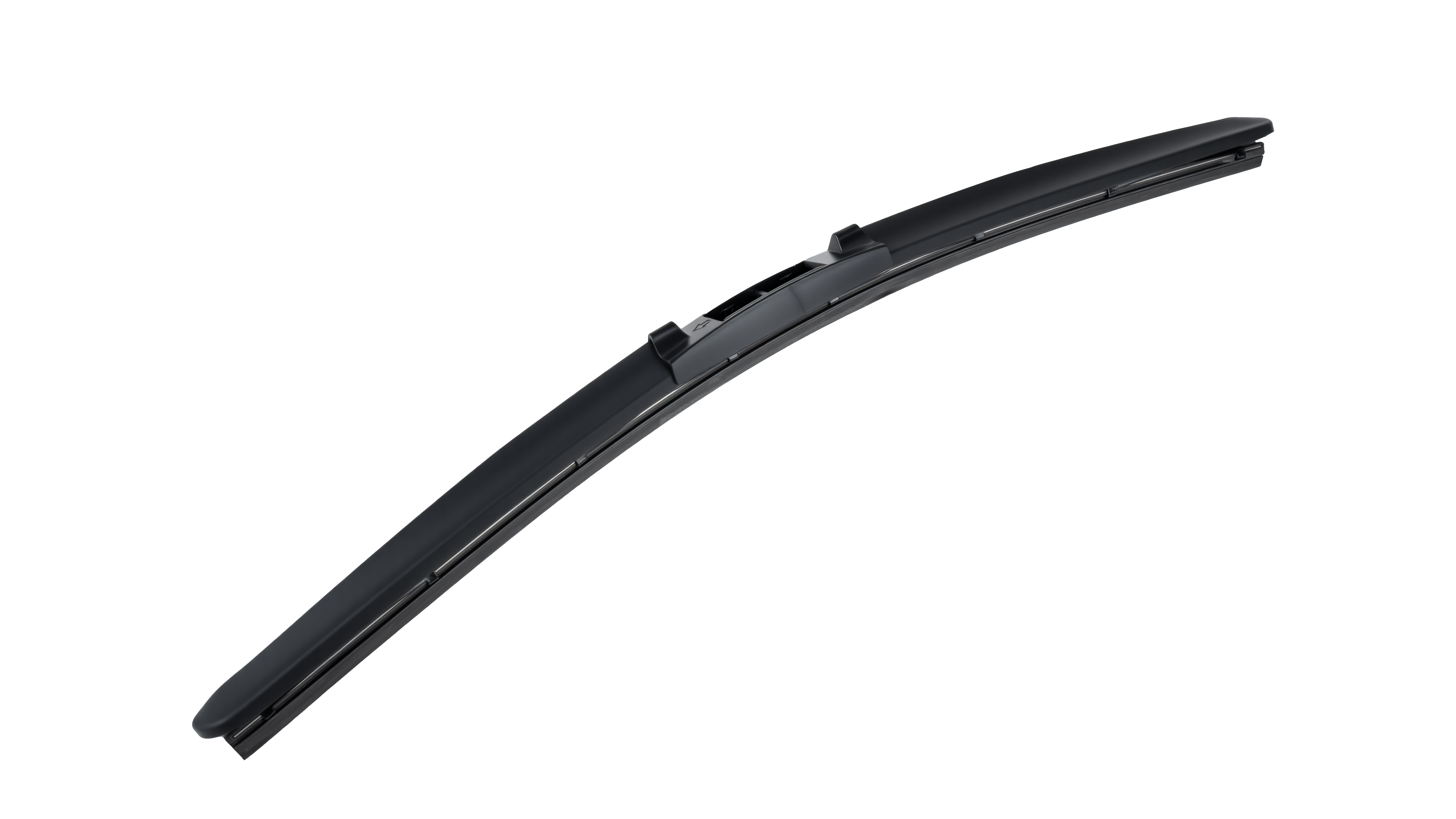
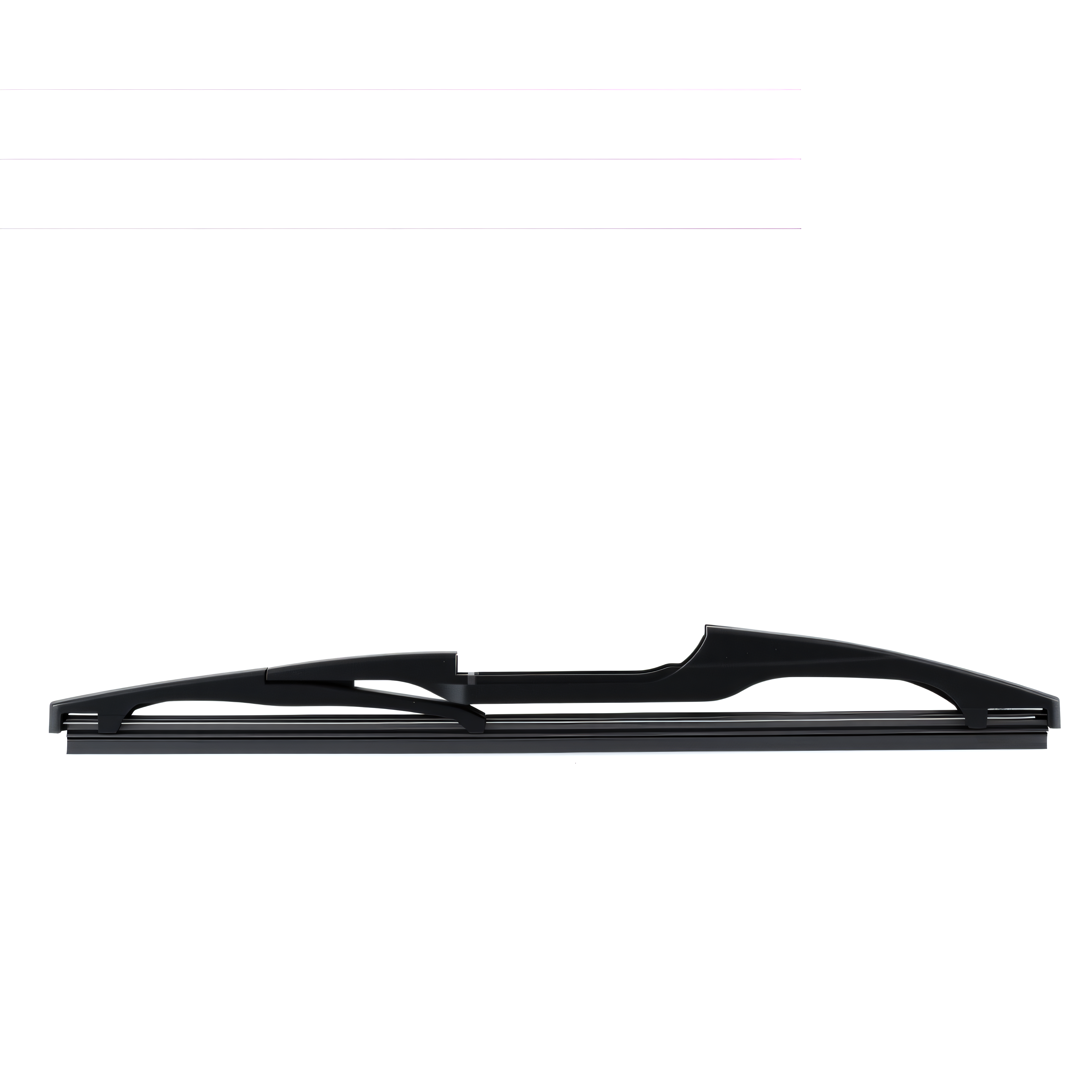
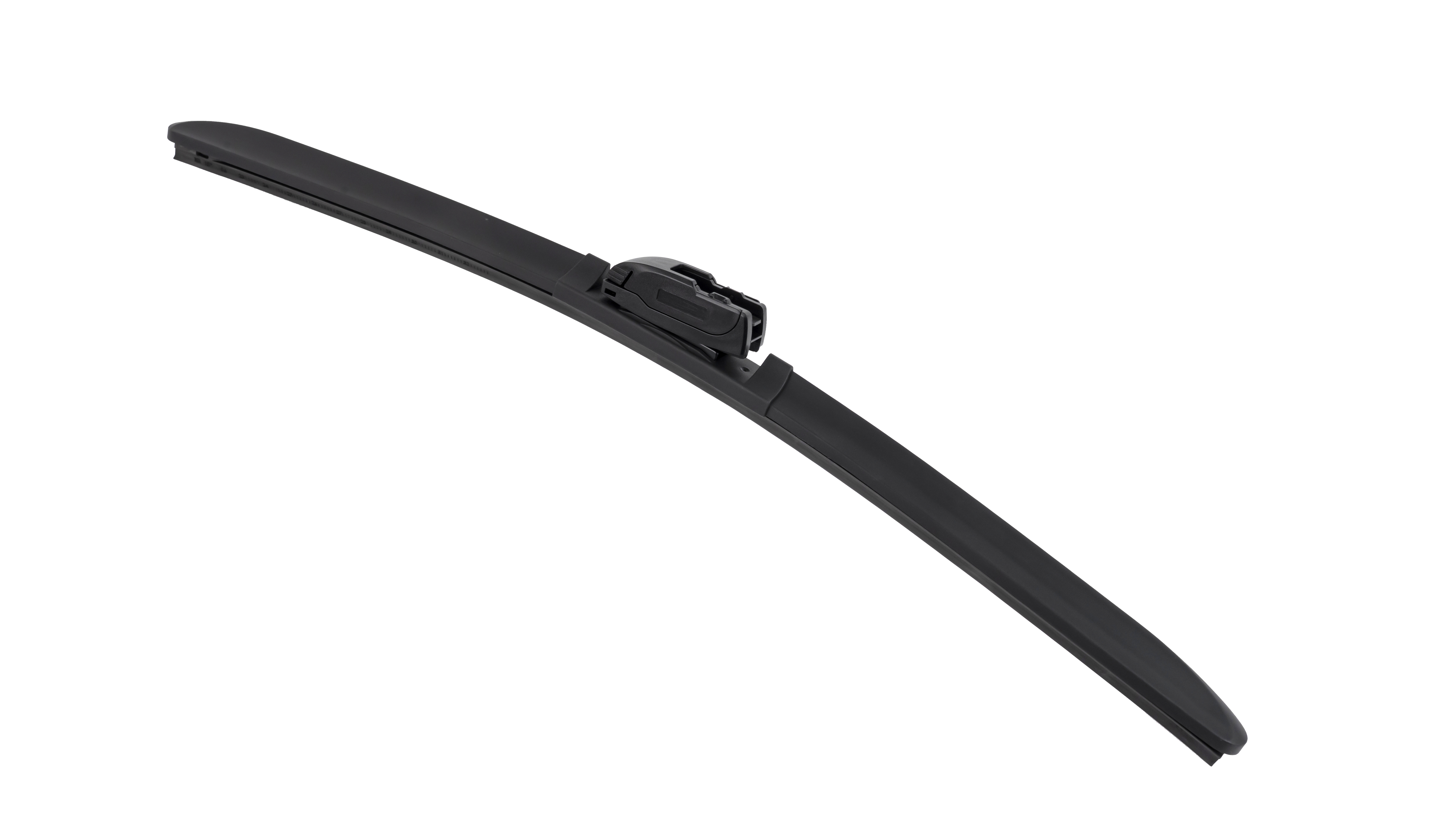
The H-S14A catalogue image helps identify the model. The photograph alone does not define which associated items are included in a proposed order.
What should a set description include?
List each constituent item and its count. If a body is supplied with optional adapters, distinguish the selected combination from alternatives. Define whether the quoted unit is one component, one complete set or a pack containing several sets.
| Order unit | Information needed |
|---|---|
| Piece | The exact individual component |
| Set | Every constituent and quantity per set |
| Pack | Number and type of pieces or sets inside |
| Carton | Pack arrangement and total contents |
Work through the quantity from the inside out
Suppose an illustrative set contains one body and one adapter. An order for 100 sets then represents 100 bodies and 100 adapters, provided that this is the agreed set definition. It does not mean 100 assorted loose items. If only some bodies require the adapter, separate the quantities instead of continuing to use a set description that no longer fits.
The same logic applies to packaging. A pack containing ten defined sets can be counted as ten sets, but the pack definition must be known first. A carton total alone cannot show whether every set contains the right components. Retain the component breakdown alongside the outer quantity.
Separate the physical item from its presentation
A preassembled combination and the same specified components supplied separately may have different handling and instruction needs. State which form is requested. A photograph of an assembled sample can explain the relationship, but it should not silently establish that all ordered items will arrive preassembled.
Likewise, components included for demonstration or comparison should be distinguished from the proposed supply. If several alternative adapters appear in a gallery, identify which belong to the order and which are merely candidates. This lets the buyer compare offers on a common basis.
Keep the definition through receiving
Use the same item description in the quotation, order and packing information. Receiving staff should be able to reconcile the model, quantity unit and included parts without interpreting a sales photograph. Where the scope changes, update the definition explicitly; retaining the old short name is not enough to explain a new combination.
How can quotations be compared fairly?
First align the item, included parts, revision and unit. Then compare the stated packaging and commercial conditions. A lower figure for one loose part is not directly comparable with a figure for a defined assembly. Use the supply-scope comparison and carry the same item description into the packaging record.
FAQ
List the body and adapter quantities separately, then state which units need preassembly or common packing. Do not call every body a complete set if the contents differ.
No. It helps identify the product. The quotation and order should separately state included components and whether they are preassembled or supplied loose.