Review Front and Rear Wiper Components: S and RH Selection Inputs
Published by QINAI (瑞安市汽耐雨刷制造有限公司).
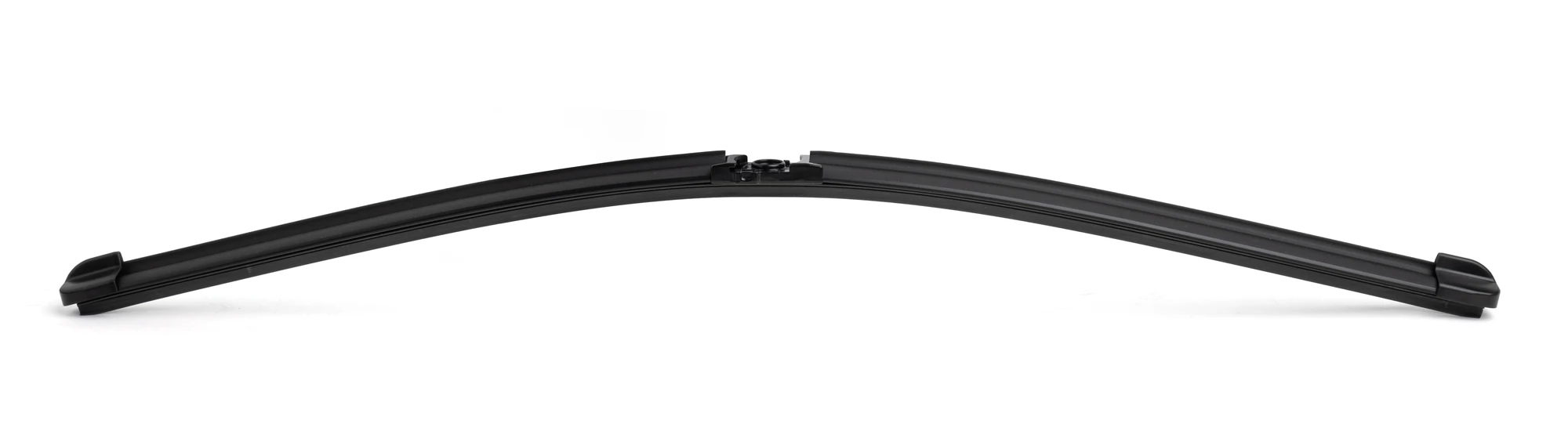
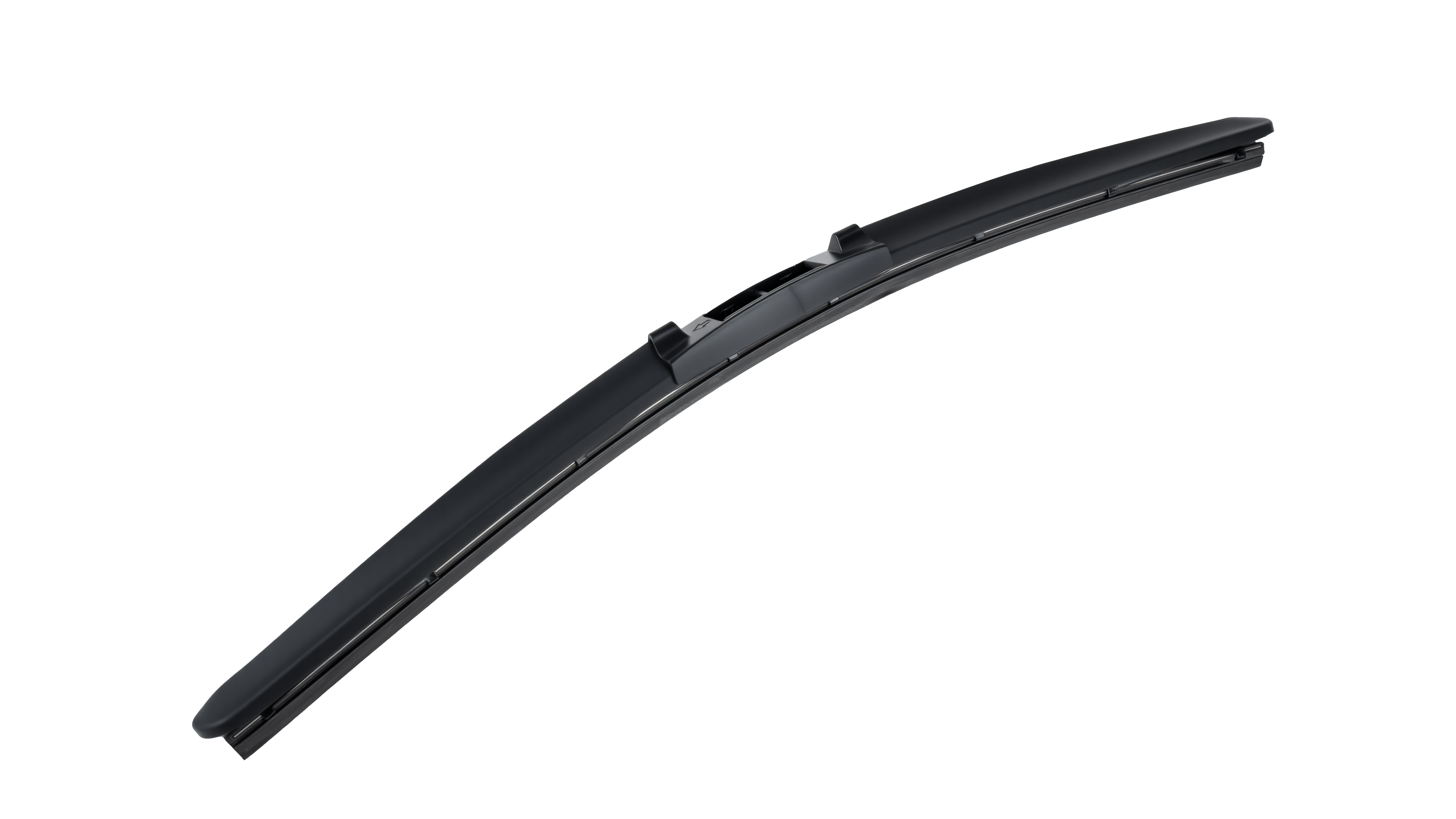
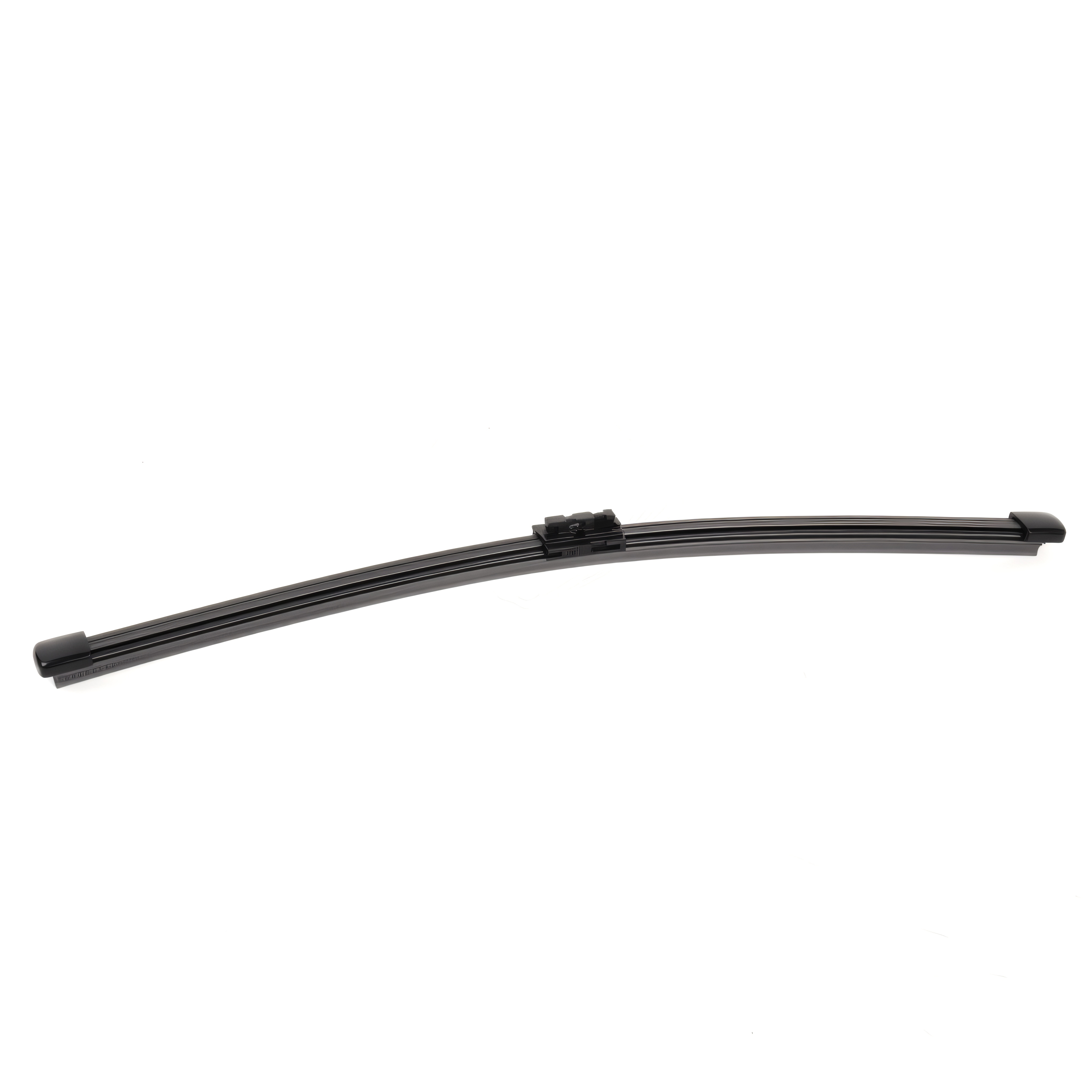
Wiper-component selection starts with the installation position, blade structure and actual arm interface. QINAI lists S for frameless rear wiper components and RH for framed rear wiper components; those categories provide a starting point, not a vehicle-fitment conclusion.
What should be recorded for an S enquiry?
For an S component, provide the full blade and arm connection, with side and underside views of the mating area. Identify the required supply item and any known sample or drawing reference.
What should be recorded for an RH enquiry?
For an RH component, show the framed assembly and how the connector relates to it. Record the pivot, retention feature and surrounding space using the actual mating parts. Do not assume that the front wiper arrangement on the same vehicle also describes its rear connection.
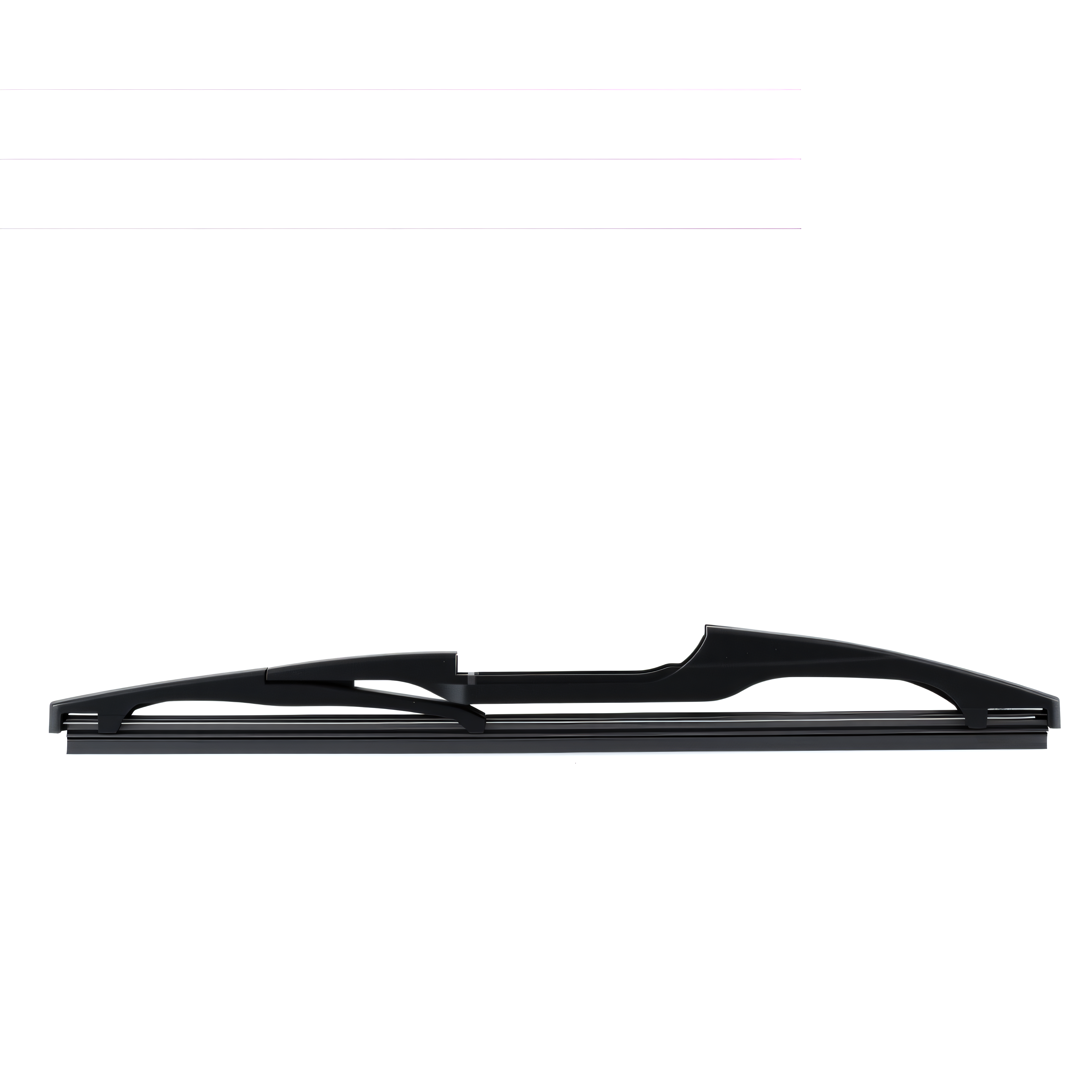
Read the support structure before judging the connection
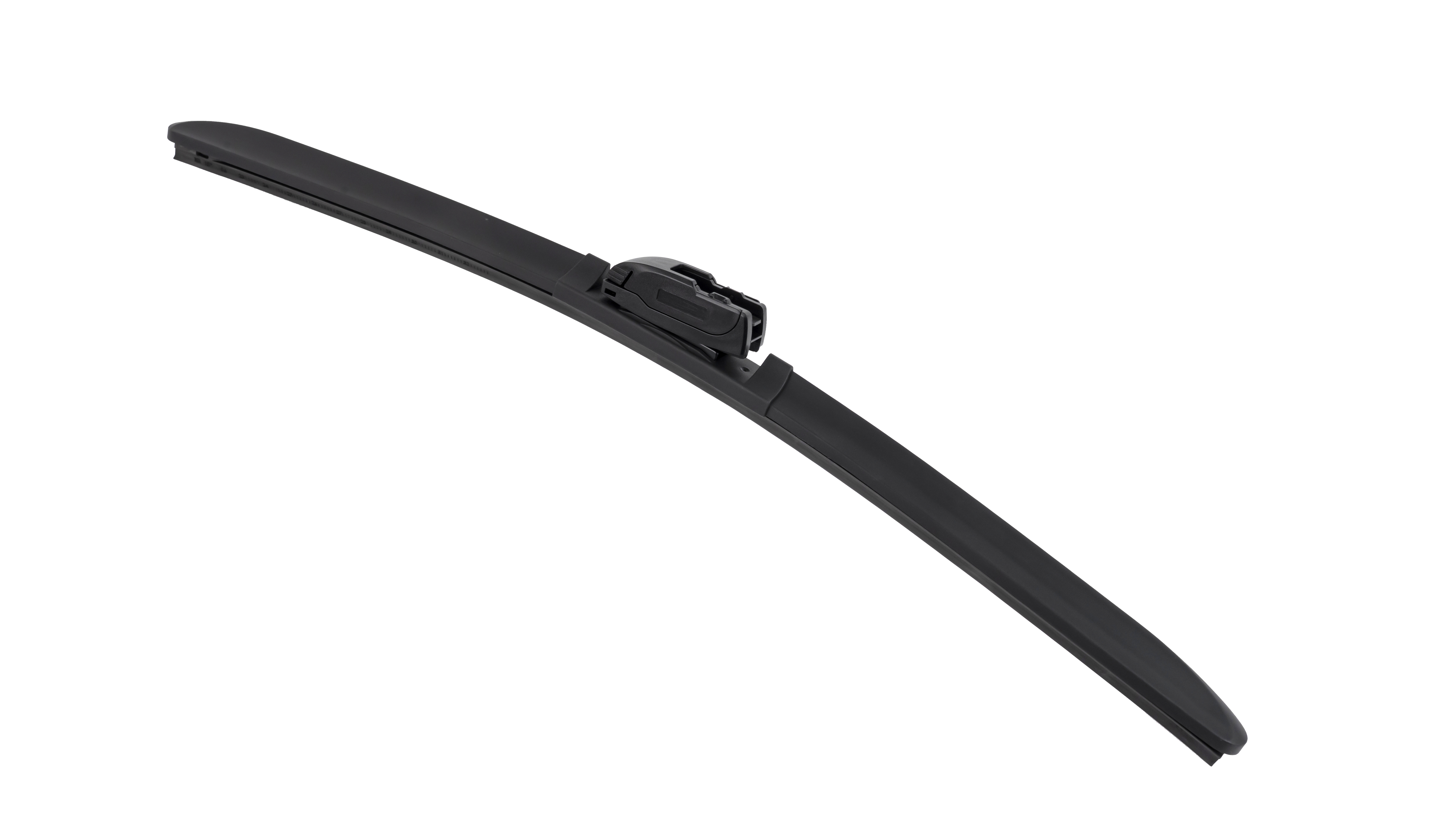
The framed category points to a visible supporting framework, while the flat category describes a different, more continuous external arrangement. In the current QINAI directory, S and RH are rear-wiper series. Use the photographs to locate the central connection and the surrounding body, then obtain the relevant interface information.
The classification does not identify a material grade, a durability result or a universal advantage. Those questions require information about the particular component and application. A comparison is most useful when it explains how each candidate relates to the target assembly rather than treating the category name as a performance rating.
Why overall length is only one input
Two components can have similar overall lengths while differing at the central connection, pivot position or surrounding clearance. Establish what has been measured: the complete blade, its body or the wiping element. A dimension without its endpoints can be compared with the wrong feature in another record.
If a photograph includes a ruler, use it to understand the stated measurement location. Do not use perspective scaling to infer hidden dimensions or the fit of the arm interface.
Define the part that will remain on the vehicle
A request to retain the arm and replace the body-and-connection combination differs from a request to retain the body and source a small connecting part. State that boundary before selecting samples.
For a project containing both front and rear requirements, keep separate sample and mating-part references. An established front arrangement can inform the overall project history, but it does not provide the rear connection evidence.
How should RH and S be compared?
Compare each candidate against its intended assembly rather than asking which is universally better. A shared external outline does not establish matching pivots, locking features or clearance.
| Selection input | What to provide |
|---|---|
| Position and structure | Front or rear installation; the relevant assembly structure |
| Connection | Arm end, underside and installed relationship |
| Supply scope | Individual component or defined combination |
| Approval basis | Applicable drawing, sample and outstanding checks |
Use the sample-review guide to record the results. An enquiry can start with photographs, while a final application decision needs the relevant assembly evidence.