Wiper Types and Components: From the Blade to the Connection
Published by QINAI (瑞安市汽耐雨刷制造有限公司).
Blade construction and connection type describe different aspects of a wiper. Identify the complete blade structure first, then the components being purchased and the interfaces that must match. A blade category alone does not define an adapter or vehicle application.
How do blade types differ from supply items?
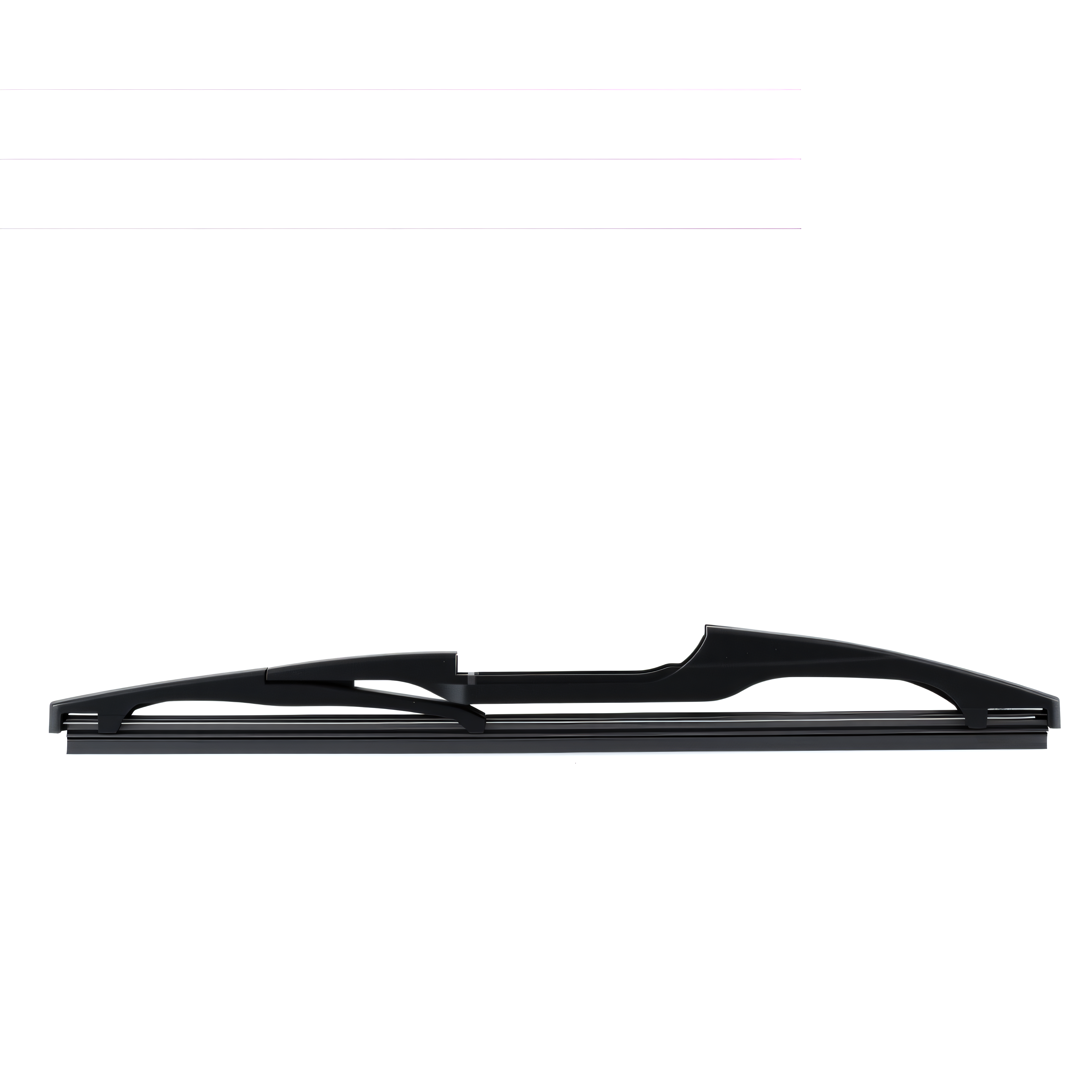
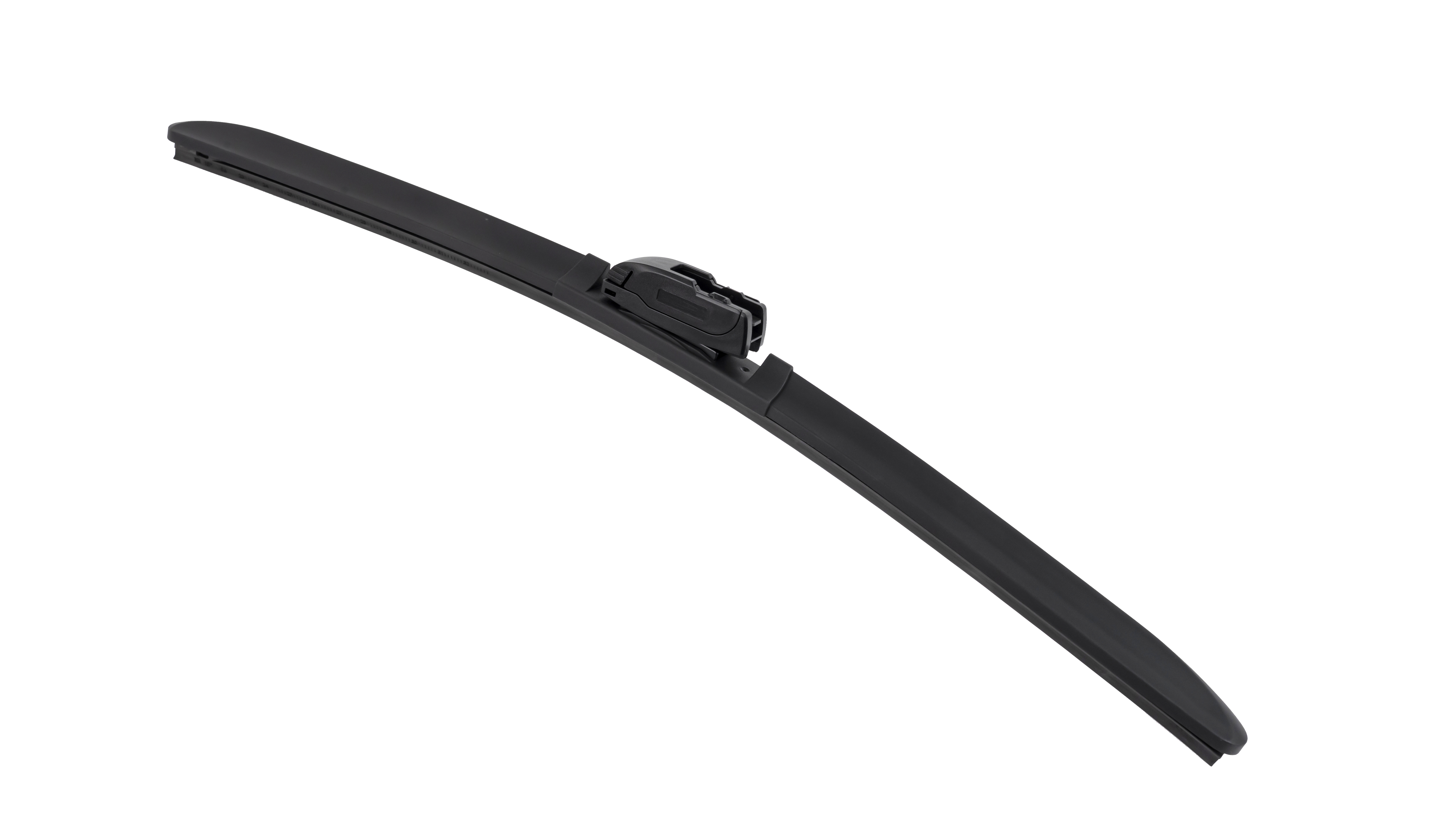
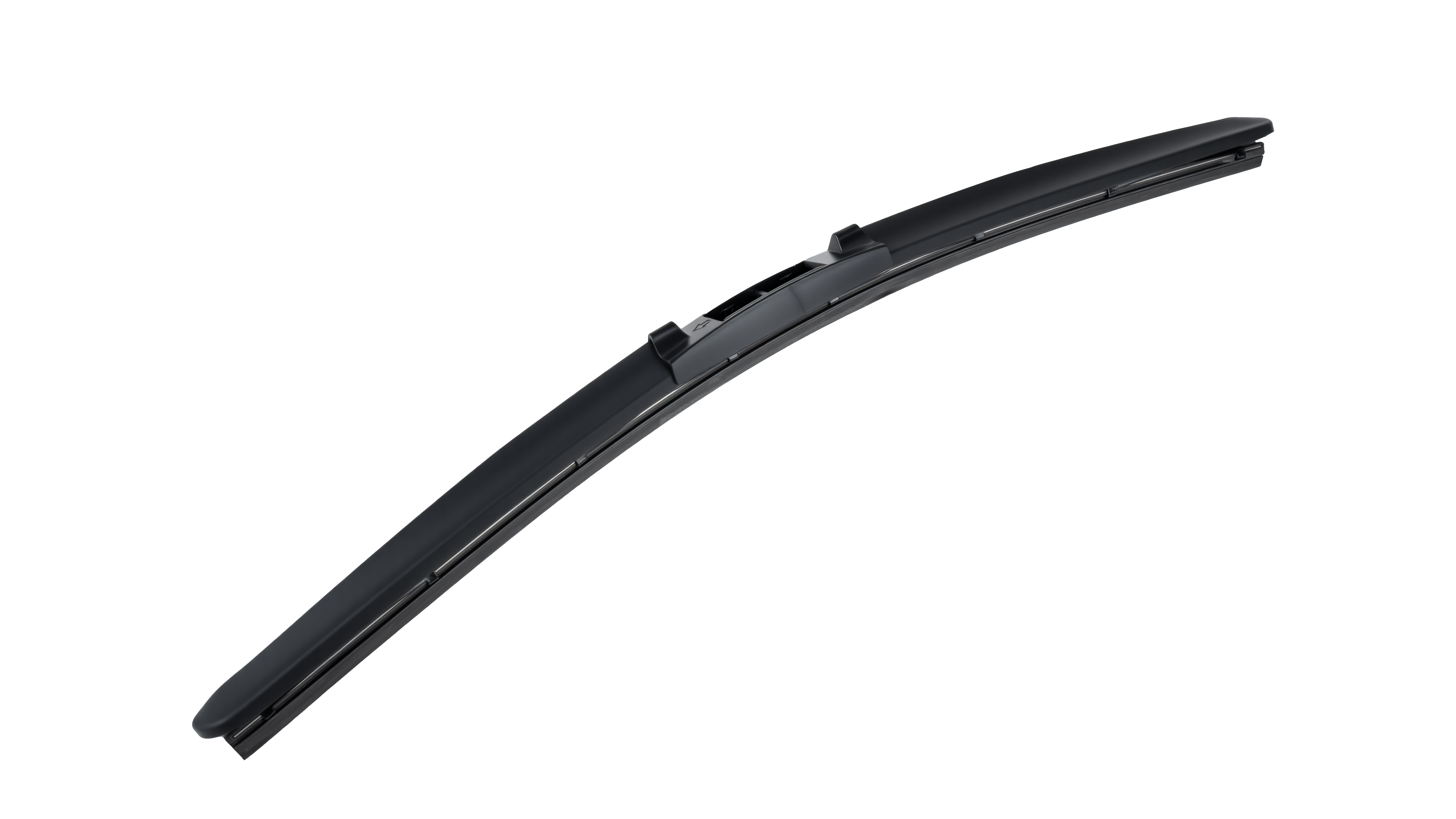
A framed blade uses an articulated supporting structure; a flat blade uses a different support arrangement. Either description concerns the blade architecture. A sourcing request must also specify whether it covers the blade assembly, rubber element, body, connector or a defined combination.
| Description | What it identifies | What it leaves open |
|---|---|---|
| Framed or flat blade | Broad support structure | Exact connection and supplied parts |
| Front or rear application | Installation position | Arm geometry and assembly details |
| Connector or adapter | A connection-related item | Its mating parts and usable combination |
| Catalogue model | A specific directory reference | Project-specific approval conditions |
Follow the functional path through the assembly
The arm moves the blade assembly, the connection maintains their intended relationship, and the blade's support structure organizes contact of the wiping element with the glass. These functions help explain why a blade type and a connector type are different descriptions. Changing a connector does not by itself define the rubber element or the support arrangement.
Some functions are integrated into one component, while others use separate pieces. A body, connector and adapter should therefore be understood as roles in a particular design, not a requirement that every product contain the same number of loose parts. Start with the actual assembly and identify which roles each supplied item performs.
Why the distinction matters in purchasing
Consider a hypothetical request to replace only a connector while retaining the blade body. The body-side interface becomes a fixed condition, so a candidate must work with both that body and the intended arm end. A request for a complete body-and-connector combination gives a different selection boundary. Both might initially be described as a “front wiper,” but their quotation and review needs differ.
The same issue appears with a rubber-element request. Its required shape and replacement method depend on the actual blade structure. Do not use a complete-blade category or overall photograph as the definition of a loose replacement element.
Use classification to narrow, then inspect
Framed or flat, front or rear, and complete assembly or component are useful first distinctions. They reduce the search space. The next stage is a comparison of the actual connection, dimensions and supplied scope. Classification is most useful when it leads to a more precise question, rather than standing in for the final selection decision.
Which connection relationships need checking?
Identify the blade-side attachment and the arm-side attachment separately. Locate the features that position, retain and release the parts, along with any movement intended by the design. One interface fitting does not establish that the full combination is suitable.
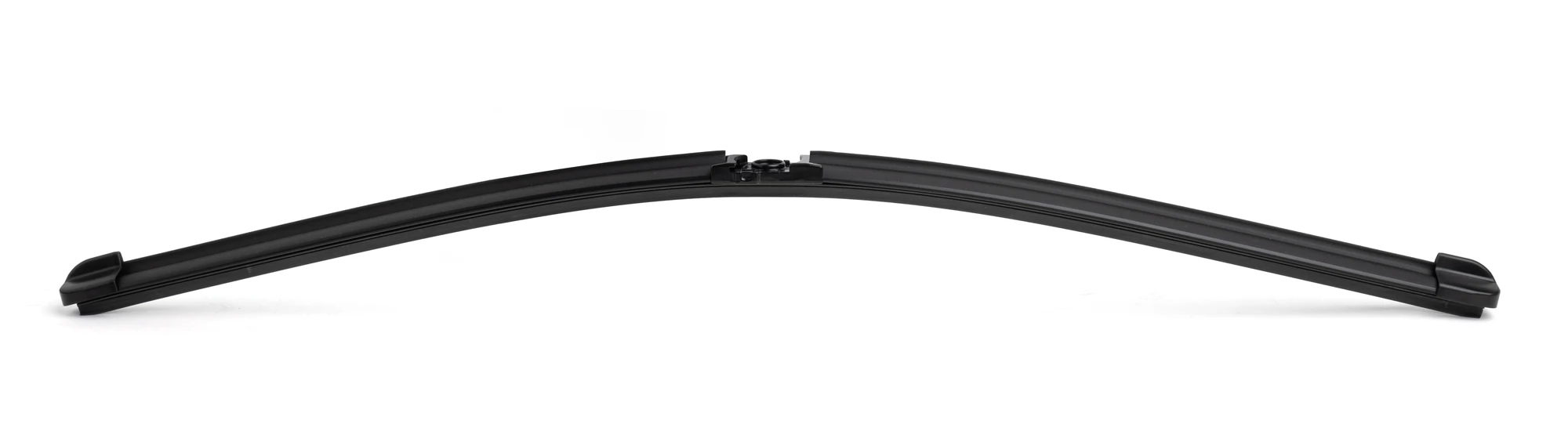
For rear components, RH and S belong to different catalogue categories. Confirm their actual mating structures rather than treating framed and flat as interchangeable names.
How can a buyer turn this into a clear request?
Mark the required item on an overall photograph and show both sides of its connection. Add the full model if known, the quantity unit and the approval reference available. Use the supply-item guide to define the quotation boundary, or connector anatomy to identify the features that need closer review.
FAQ
No. Framed or flat describes the support architecture. The connector still needs identification at the blade-side and arm-side interfaces.
The existing body-side attachment becomes a fixed selection condition. Provide its interface and the target arm end so the complete connection can be reviewed.