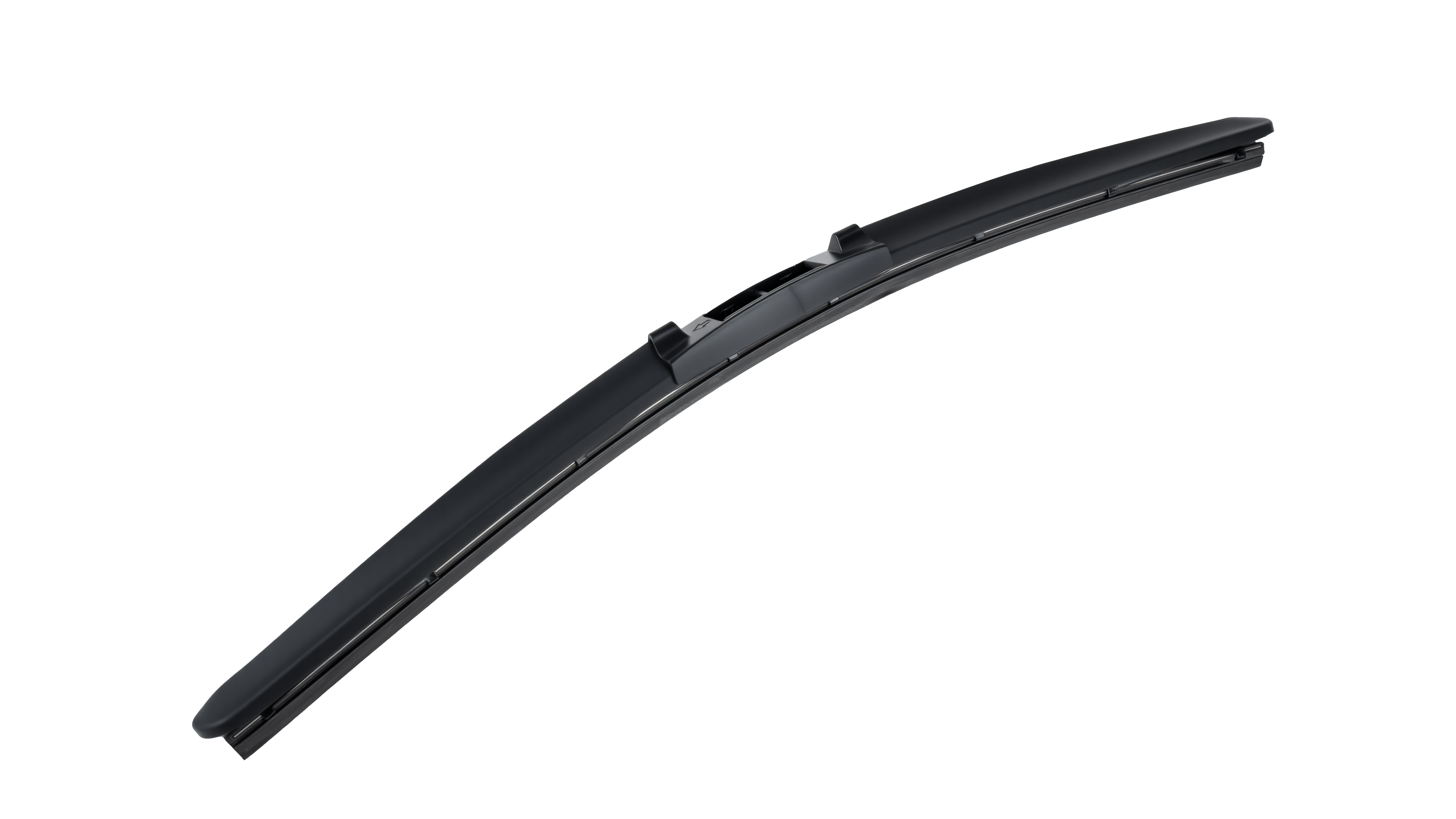
Bring Wiper Assembly Requirements into Sourcing
Published by QINAI (瑞安市汽耐雨刷制造有限公司).
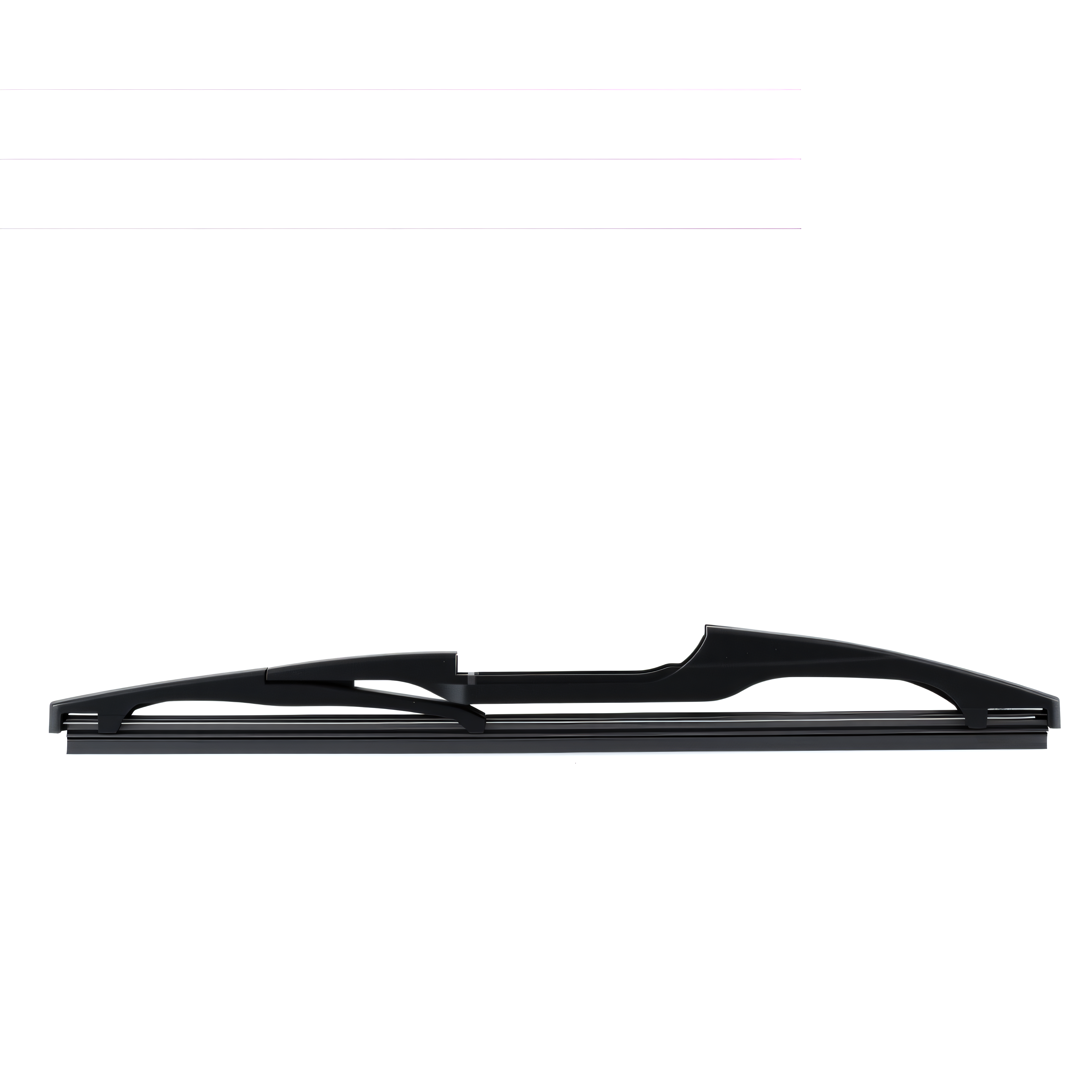
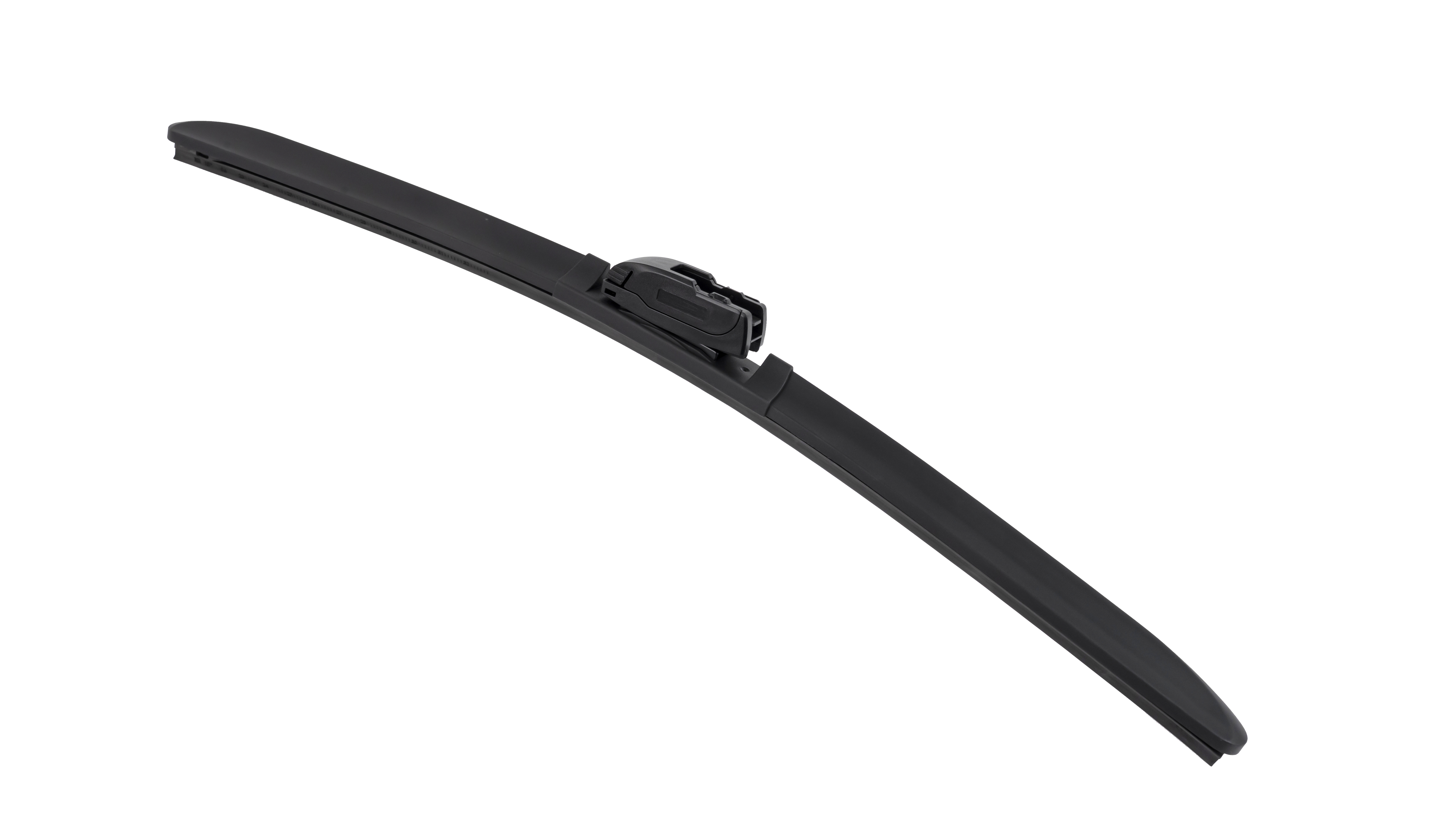
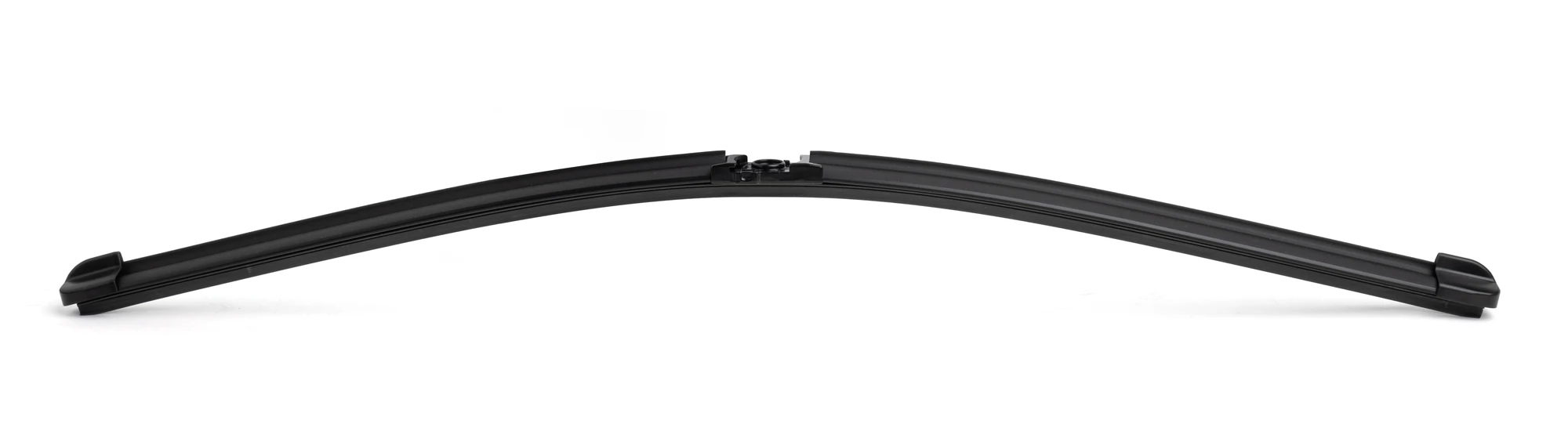
A connector enquiry is more useful when it describes the parts that must work together and the steps used to assemble them. Record the body, adapter where applicable, arm end and operating clearance before comparing candidate components.
Which assembly steps should be recorded?
Observe a sample in the intended combination, using the relevant installation instructions. Record where orientation is unclear, where entry is obstructed and how the installed position is checked. A successful first connection does not establish every operating requirement.
| Stage | Question to resolve | Evidence to retain |
|---|---|---|
| Identify | Which part and orientation are required? | Labelled views of both mating parts |
| Insert | Is there a clear insertion path? | The point of interference, if any |
| Secure | Has the specified locking position been reached? | Installed view and applicable check |
| Release | Can the part be removed as instructed? | Access and release observations |
Diagnose the step before choosing the change
An assembly complaint can concern finding the correct part, recognizing its orientation, moving it through the entry path or recognizing the completed state. These are different problems. Clearer labels may help selection, but they will not remove a physical obstruction. A geometry change may help access, but it will not explain which of two similar adapters should be selected.
Observe the complete task from the operator's viewpoint. Note where the hands change position, where the part is turned over and where the operator pauses to inspect it. Describe those actions before assigning a cause. A statement such as “the release tab becomes hidden after the arm is inserted” provides a specific starting point for a design discussion.
Compare the complete task boundary
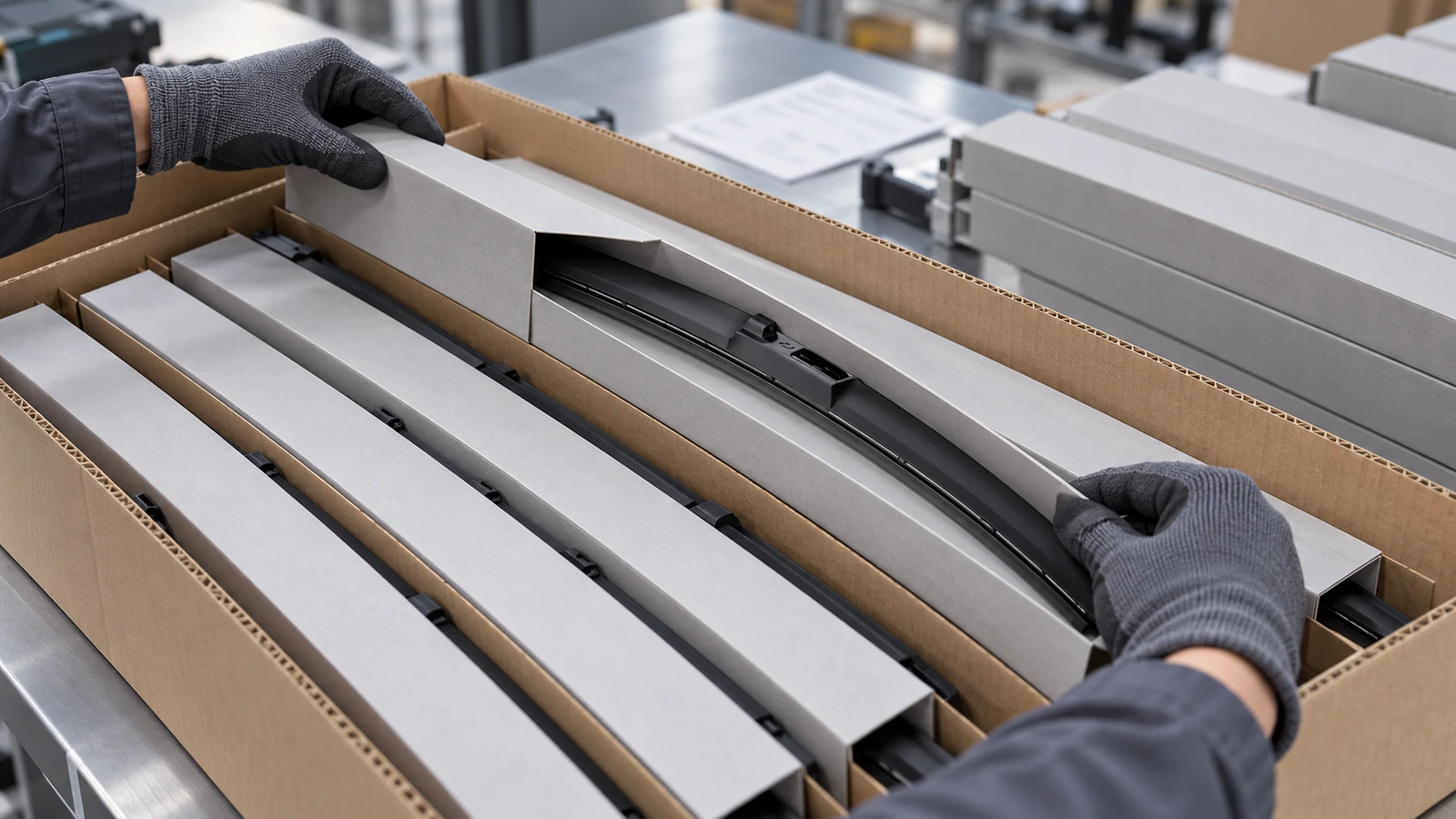
If timing is used, define where measurement begins and ends. Starting with the correct component already in hand excludes unpacking and selection; starting with a closed carton includes those activities. Neither boundary is automatically wrong, but the two results answer different questions and should not be compared as if they describe the same process.
A hypothetical packing change illustrates the distinction. Separating similar components into labelled compartments might reduce selection effort without changing insertion behavior. The result should be described as an improvement to identification or handling, not as proof that the connector's locking mechanism has improved.
Operator experience is another condition to retain. A familiar operator may reveal whether a movement is physically convenient, while a new operator following the instructions may reveal ambiguous identification. Both observations can be useful when their purpose is clear.
How can a proposed improvement be compared?
Use the same mating parts, instructions and observation method for the current and proposed versions. Record the change being evaluated rather than attributing every difference to the connector. If assembly timing is important, define the task and measurement conditions before comparing results.
What should go into the enquiry?
Include the model or sample ID, mating-part references, fixed interfaces and the specific step that needs improvement. Mark dimensions that cannot change separately from preferences. These are discussion inputs, not a claim that a proposed modification has already been validated. Use the locking guide for connection observations and contact QINAI with the complete combination.