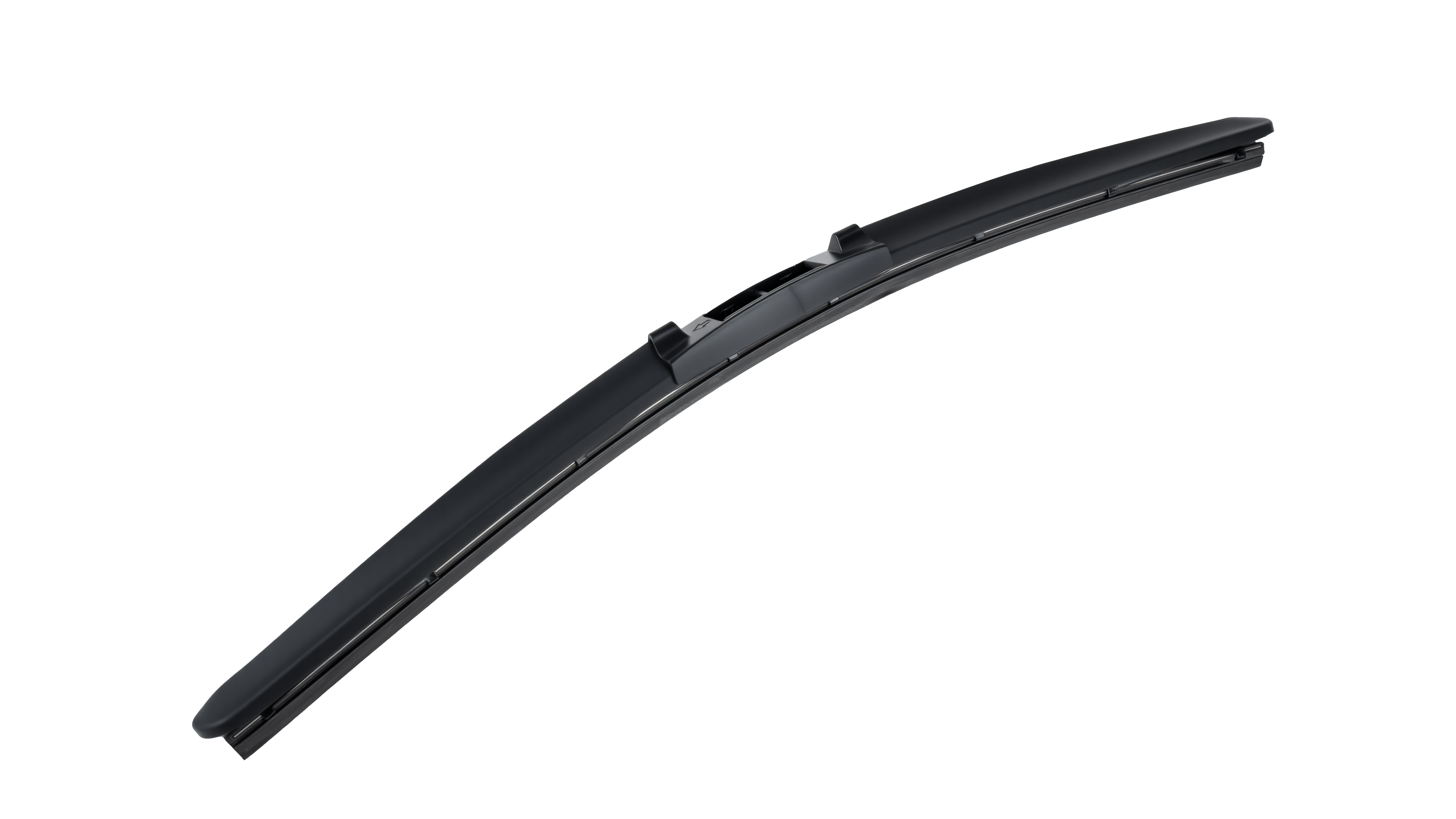
Wiper Component Enquiries: Keep the Complete Model Reference
Published by QINAI (瑞安市汽耐雨刷制造有限公司).
A complete model reference lets a buyer connect a catalogue photograph, sample and order line to the same component. Keep every letter, number and suffix; a similar reference is a candidate for comparison, not an approved replacement.
What belongs beside a model number?
Record the QINAI model, your own item code, the required supply item and its reference document together. If the number comes from an old label, attach a readable photograph and identify any uncertain character before requesting a quotation.
| Field | Useful entry | Reason |
|---|---|---|
| Catalogue model | Full reference, including suffix | Keeps variants separate |
| Customer code | Your purchasing reference | Connects the discussion to your system |
| Supply item | Body, connector or defined combination | Explains what the quantity counts |
| Approval reference | Drawing revision or sample ID | Identifies the version being discussed |
Use the model as an identity, not an abbreviated description
A catalogue reference, a customer's stock code and a sample label serve different purposes. The model locates the supplier's item, the stock code locates the buyer's internal record, and the sample label identifies a particular physical object. Keep the relationships explicit instead of replacing one identifier with another.
For example, a customer may assign its own code to a package containing a body and an adapter. That customer code can remain useful, but it should point to the defined contents. It does not prove that the supplier's body model alone includes every item in the package.
What changes when the description stays the same?
A familiar item name can conceal a change in packaging, included parts or the technical revision used for a new order. Suppose a hypothetical buyer previously ordered a body with an adapter and now needs only the body. Reusing the old shorthand name without changing the supply description could lead both parties to count different things.
Carry the complete model into the new request, then state the changed supply scope separately. If the technical version is unchanged, say so only with the relevant record available. If it is uncertain, keep that question open instead of using the same model label as a substitute for revision evidence.
Build a reference that another person can follow
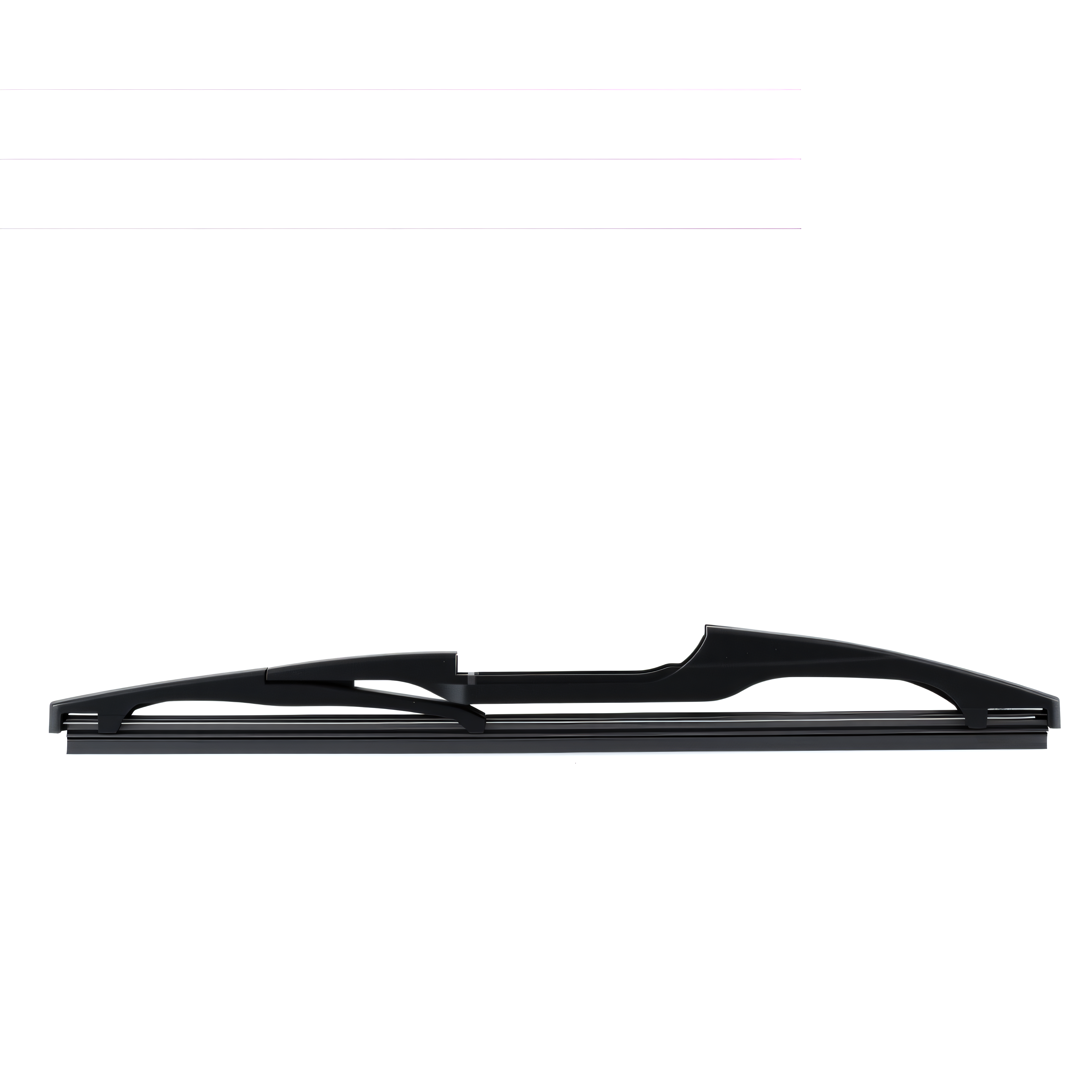
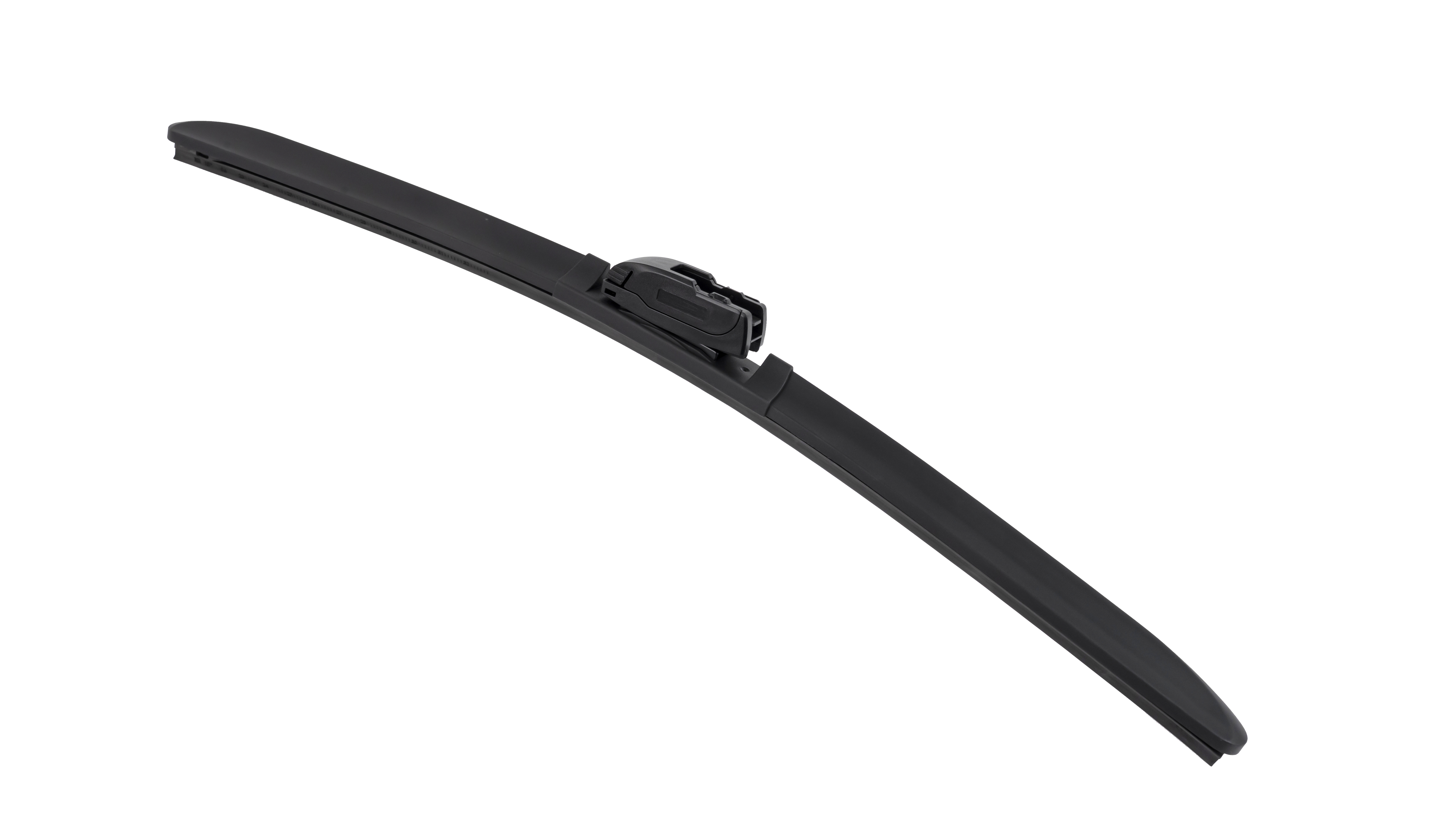
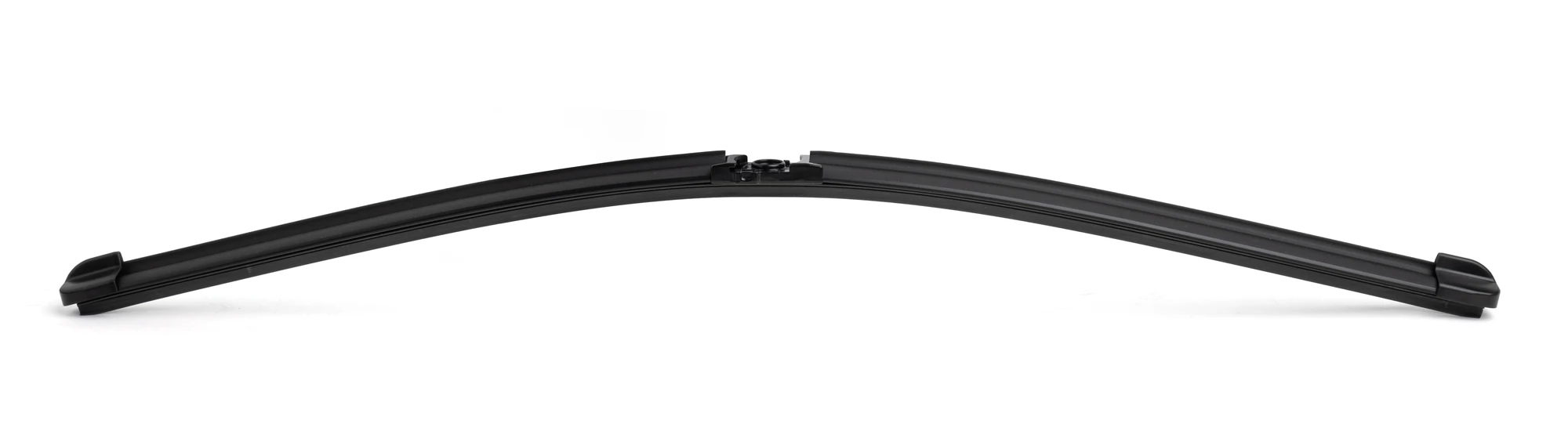
A useful item folder links the overall photograph, connection detail and agreed documents to the same identity. Filenames can include a sample ID and view description, while the main record lists the valid model reference. This prevents a detailed image from becoming detached from the part it describes when several similar candidates are discussed.
How should similar references be compared?
For a model such as Q-F15-2A, retain the full suffix in filenames, sample labels and purchase lines. Use matching views to compare connection features, then record any unresolved difference. Do not shorten two references into one line simply because their photographs look alike.
What if the model is unknown?
Start with the installation position and photographs of the overall part, underside and connection. Keep a temporary sample ID until identification is resolved; do not assign a catalogue number as a confirmed match based on appearance alone. The photo-to-sample guide explains the next checks, and the product directory provides the current catalogue starting points.