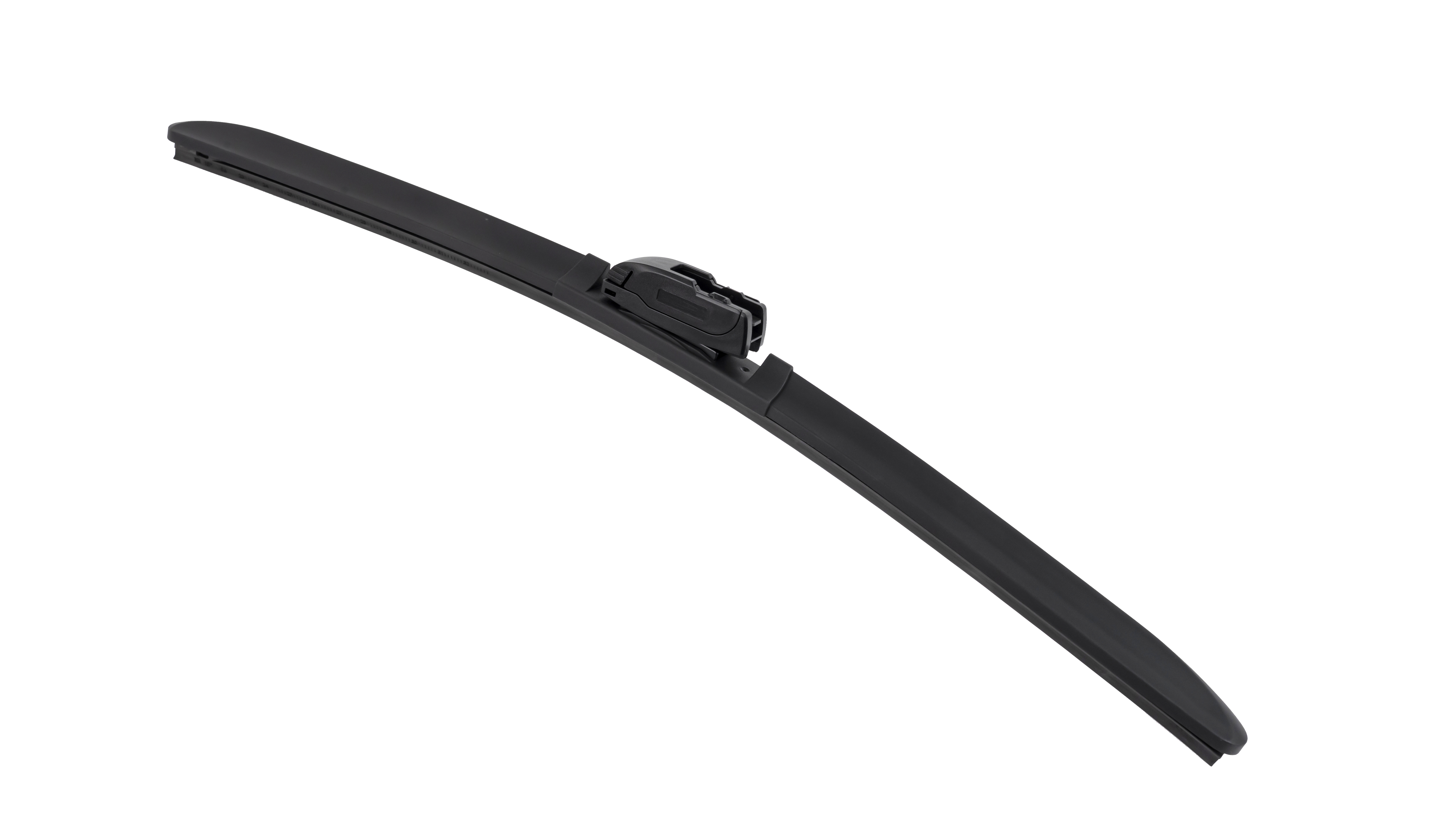
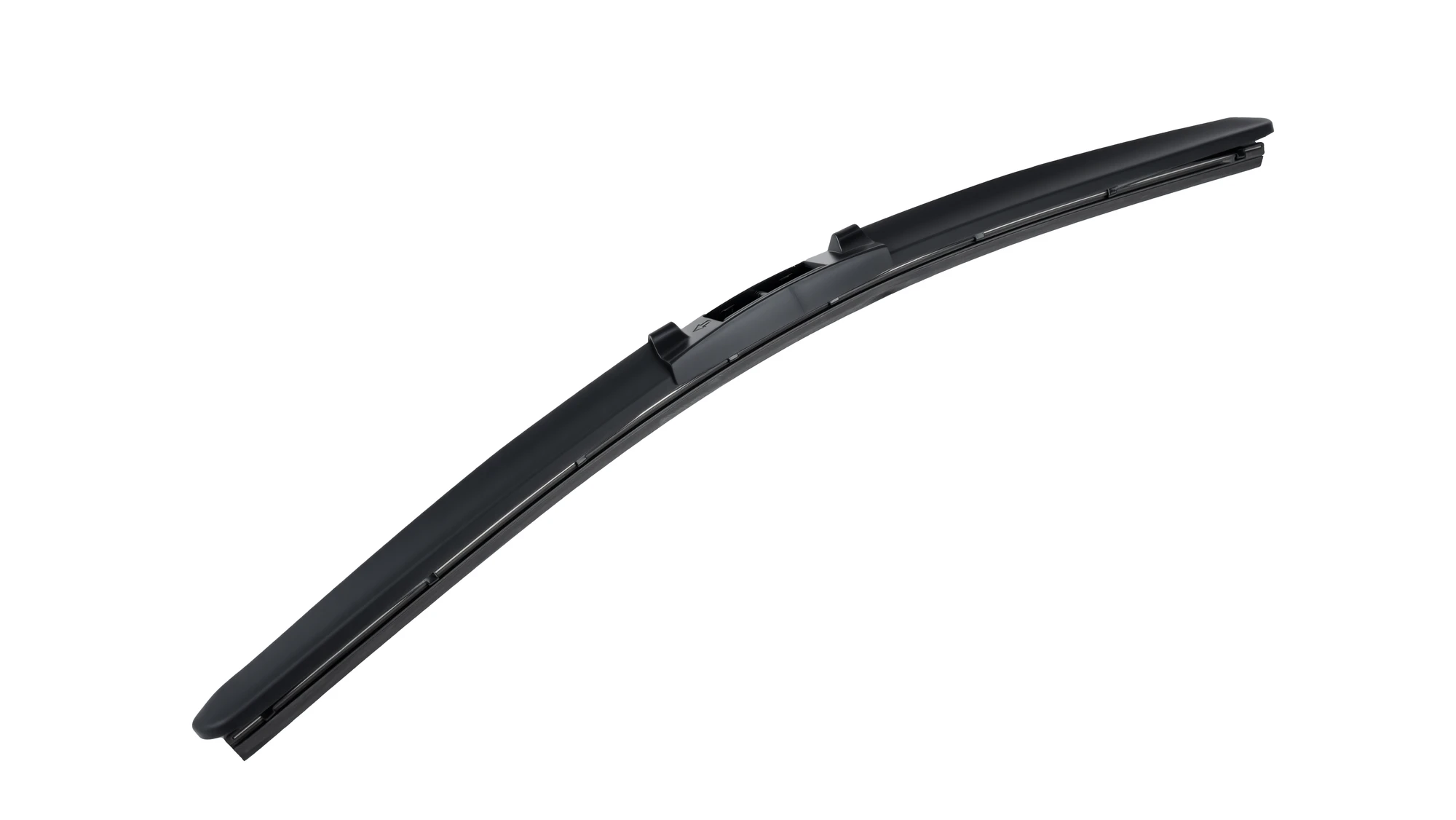
Start with the connection
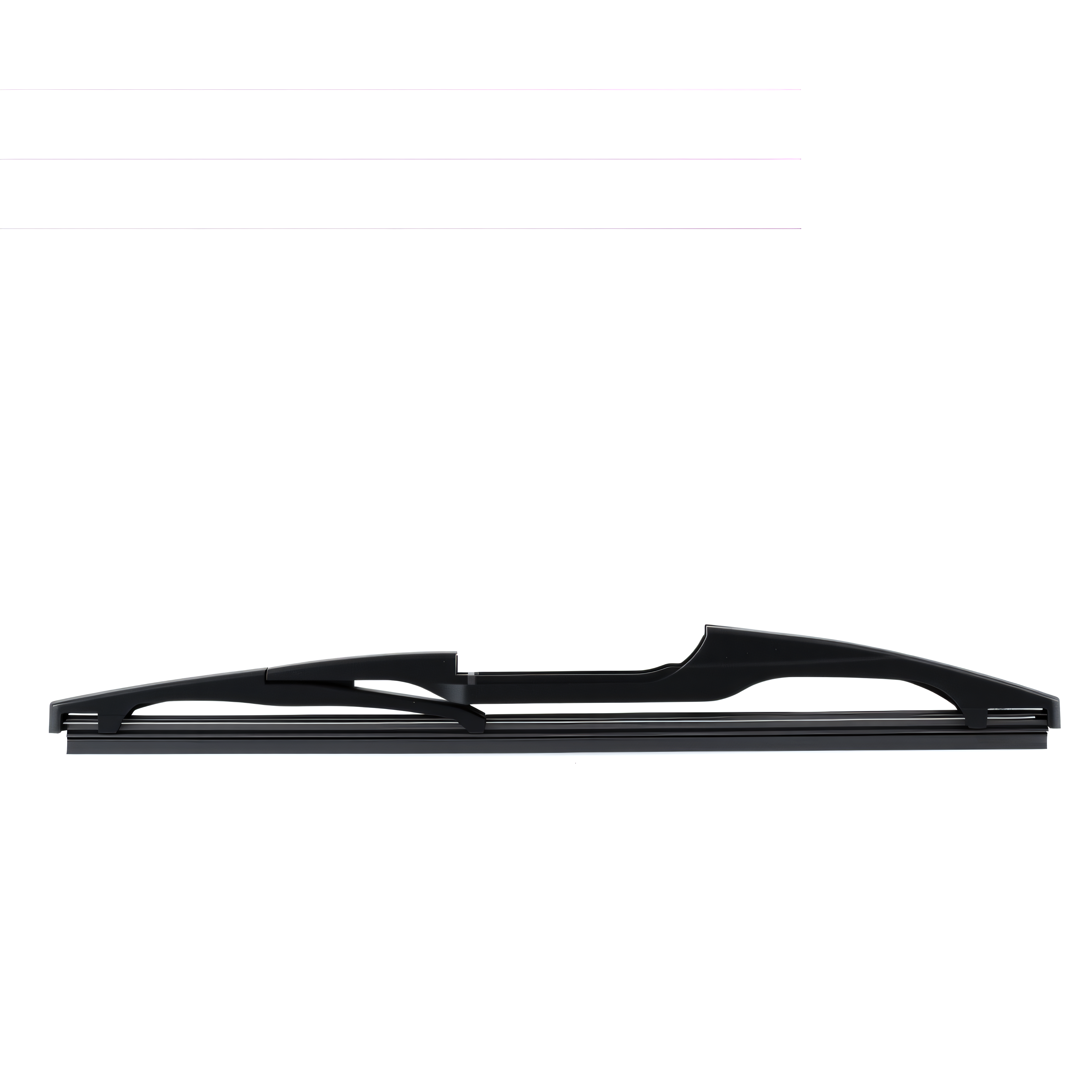
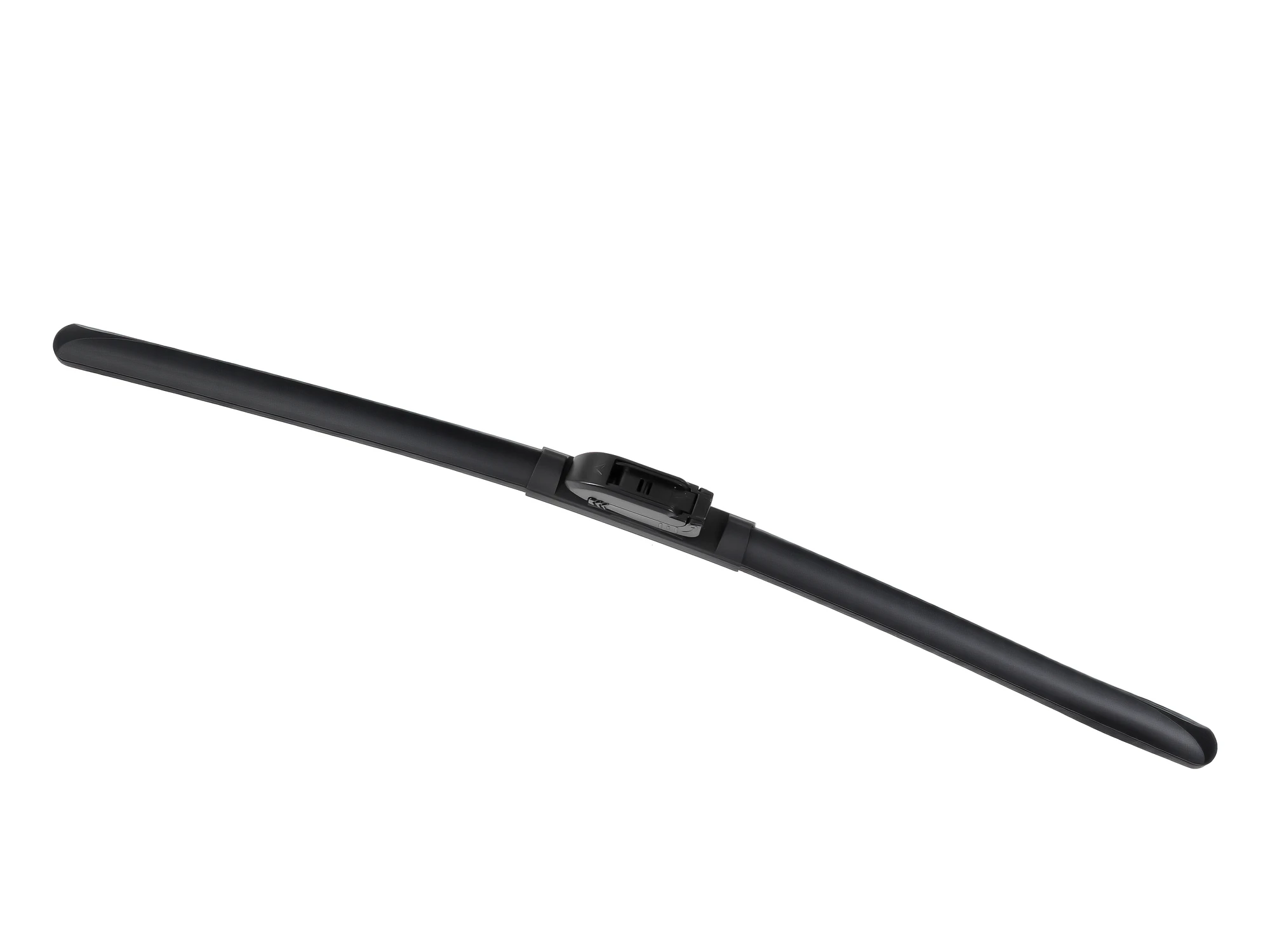
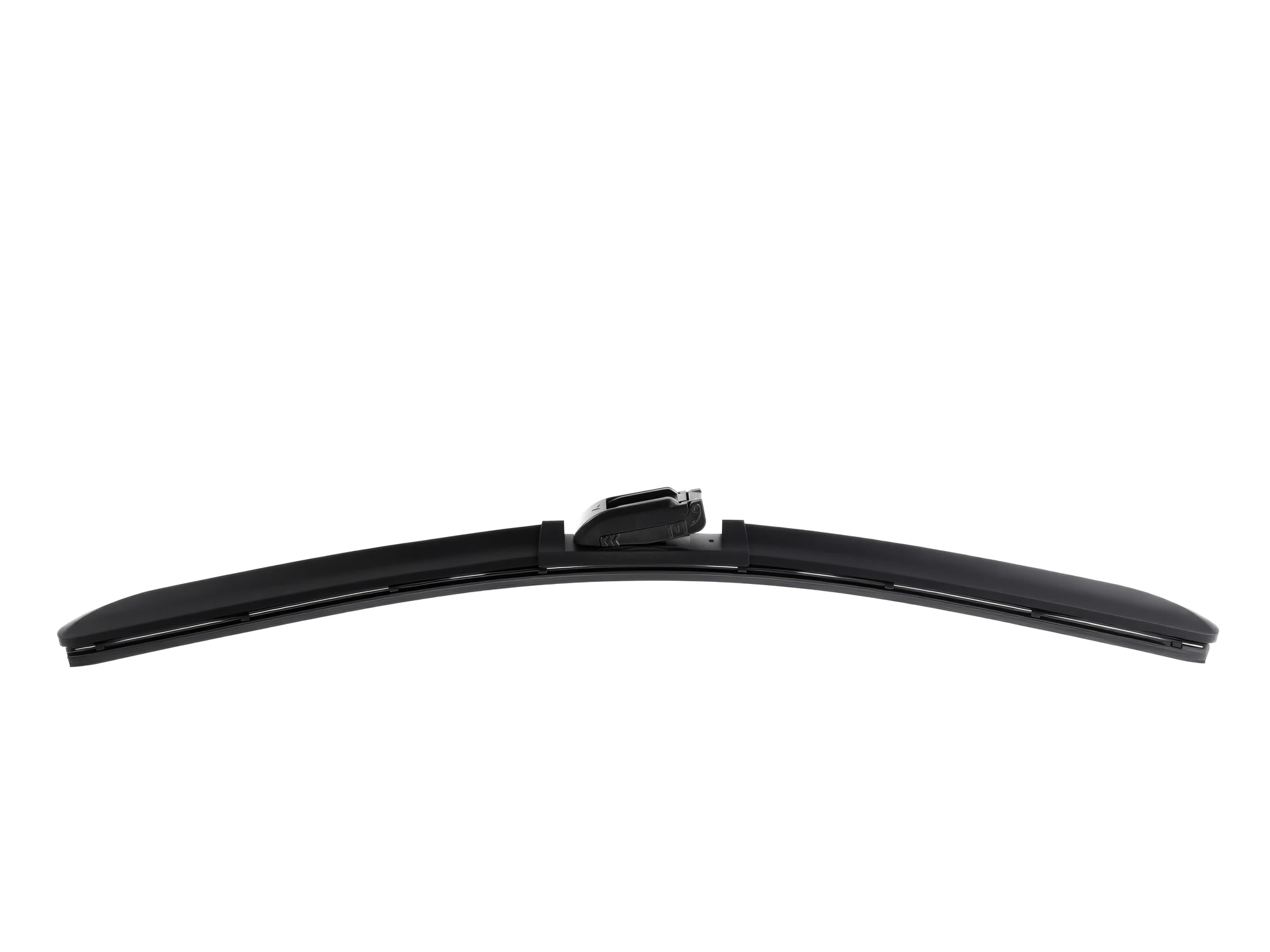
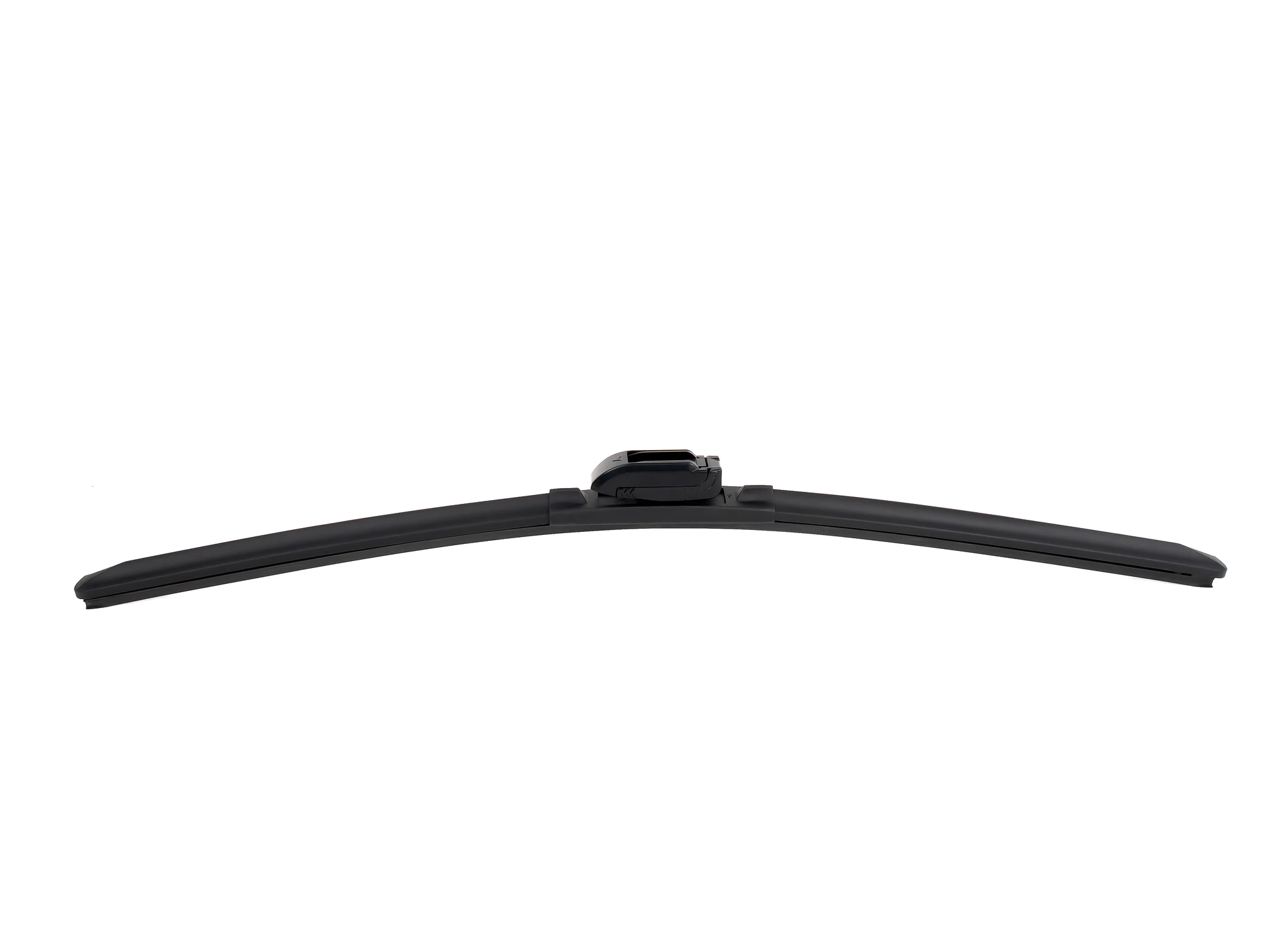
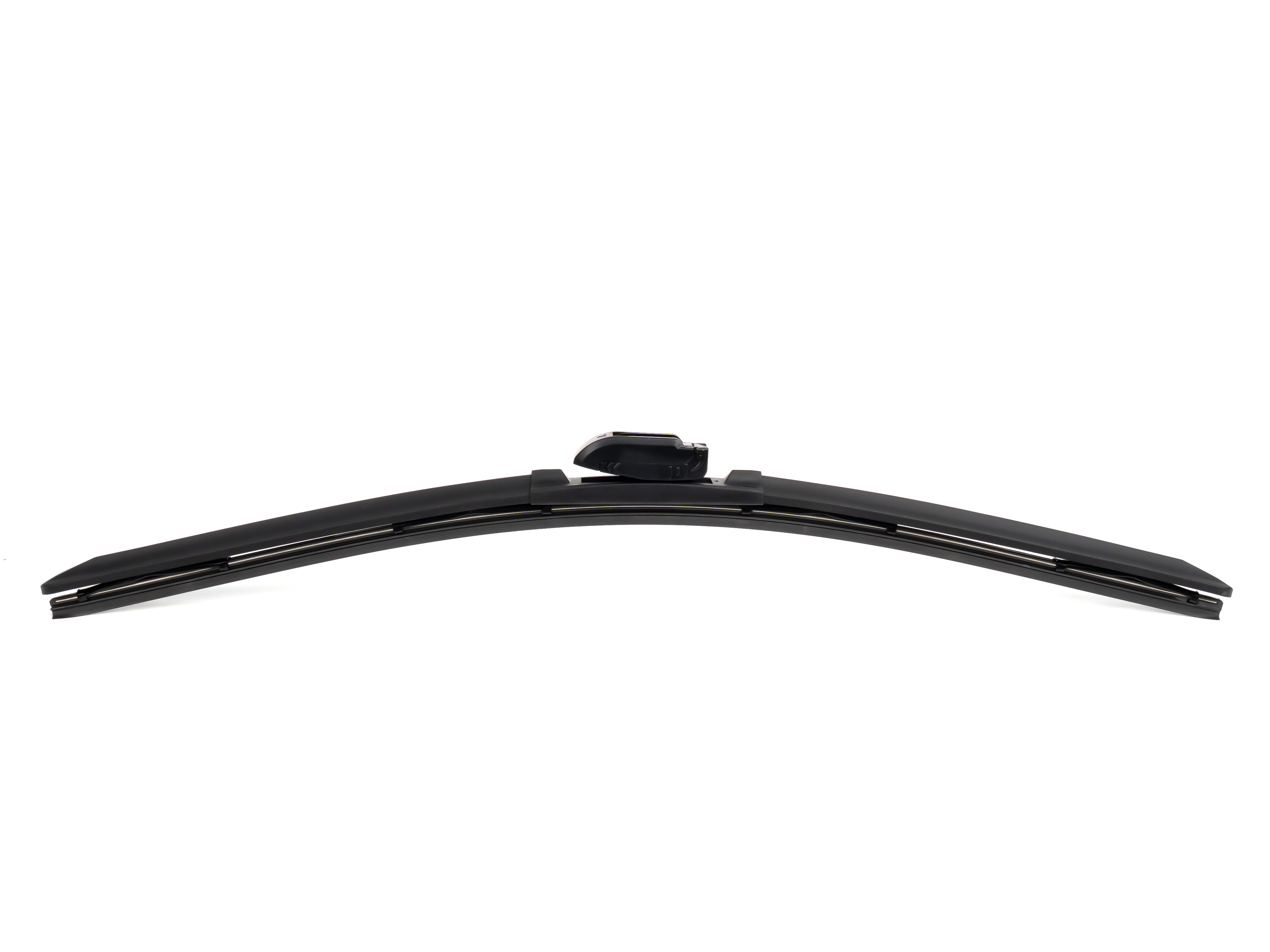
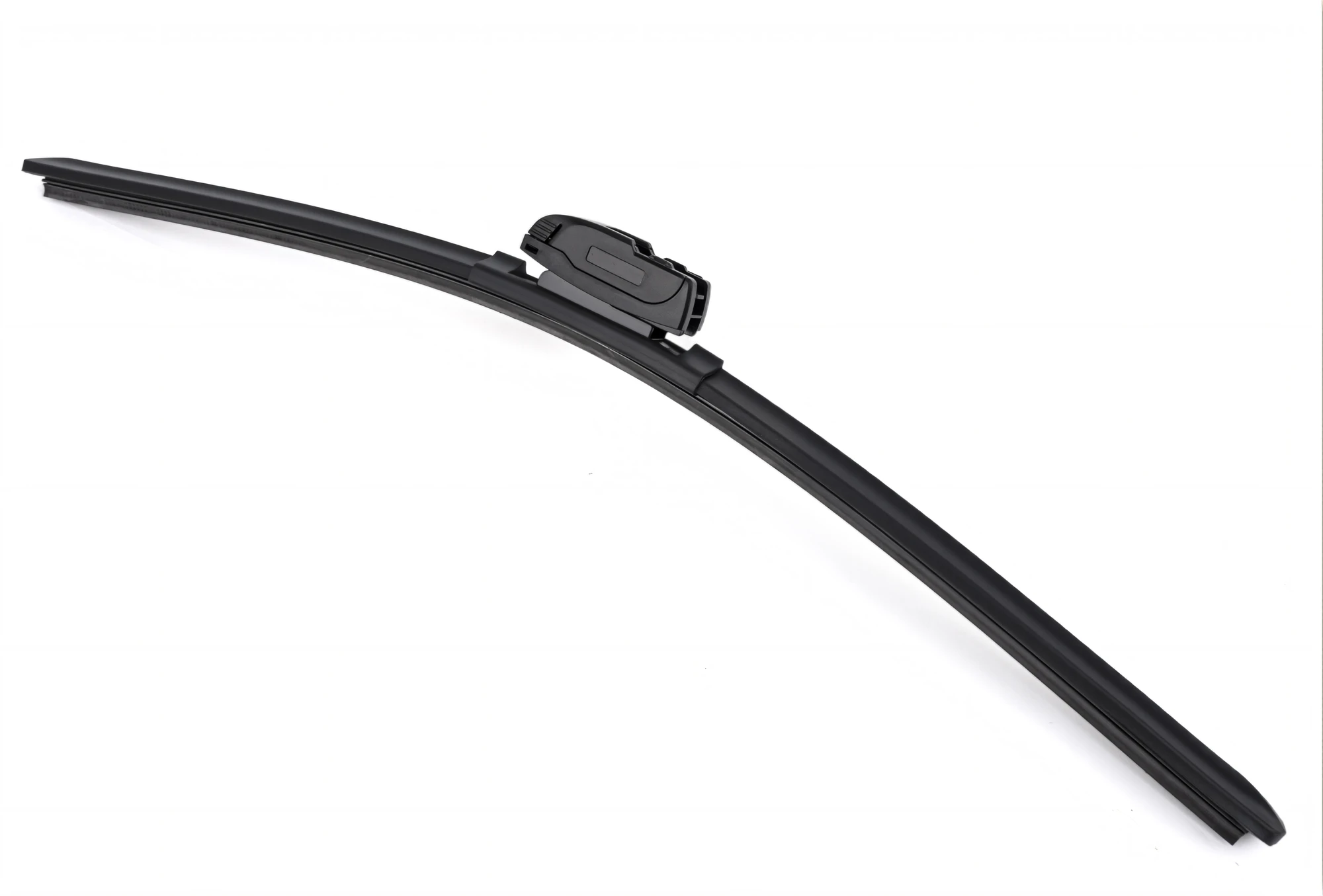
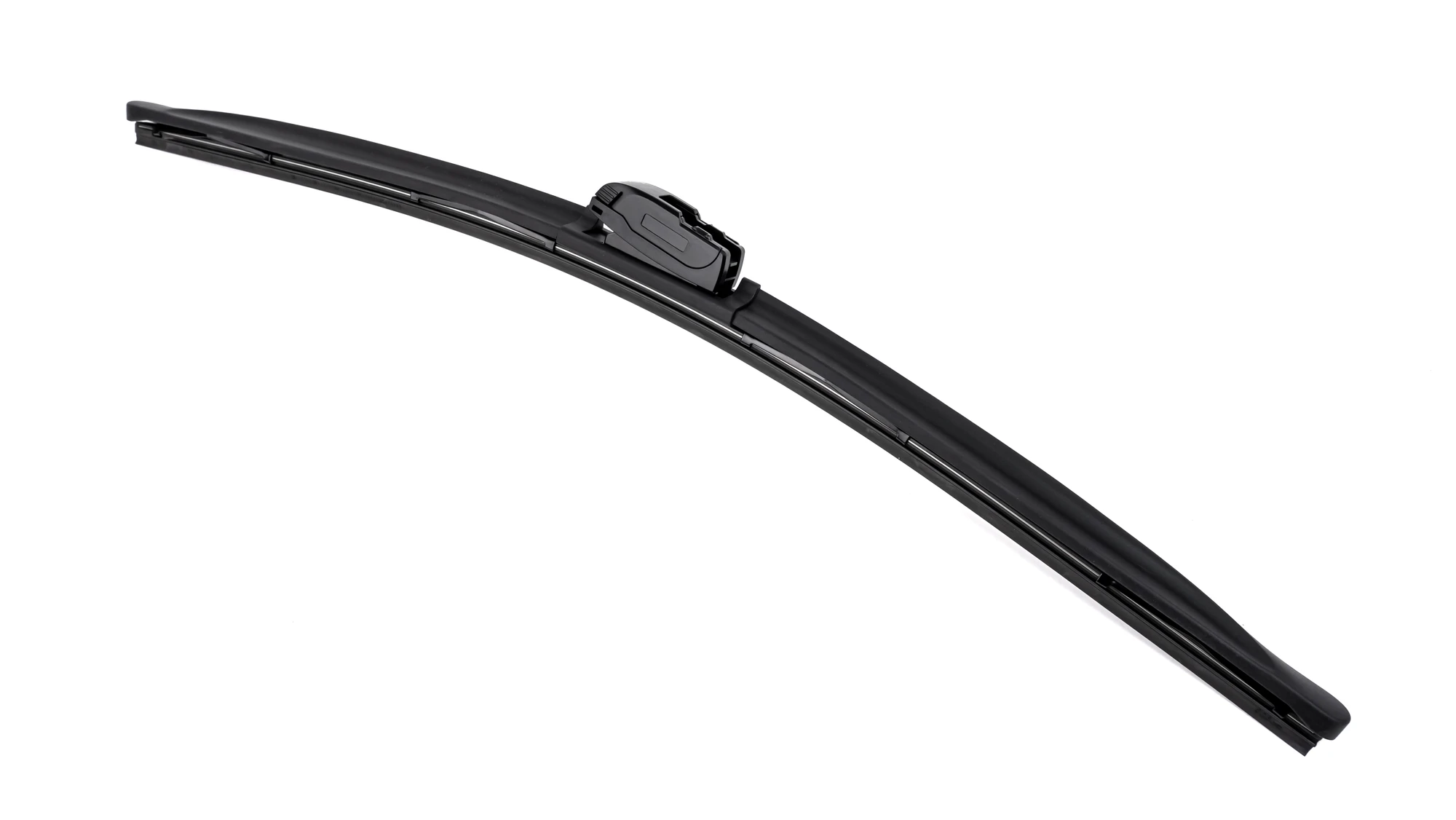
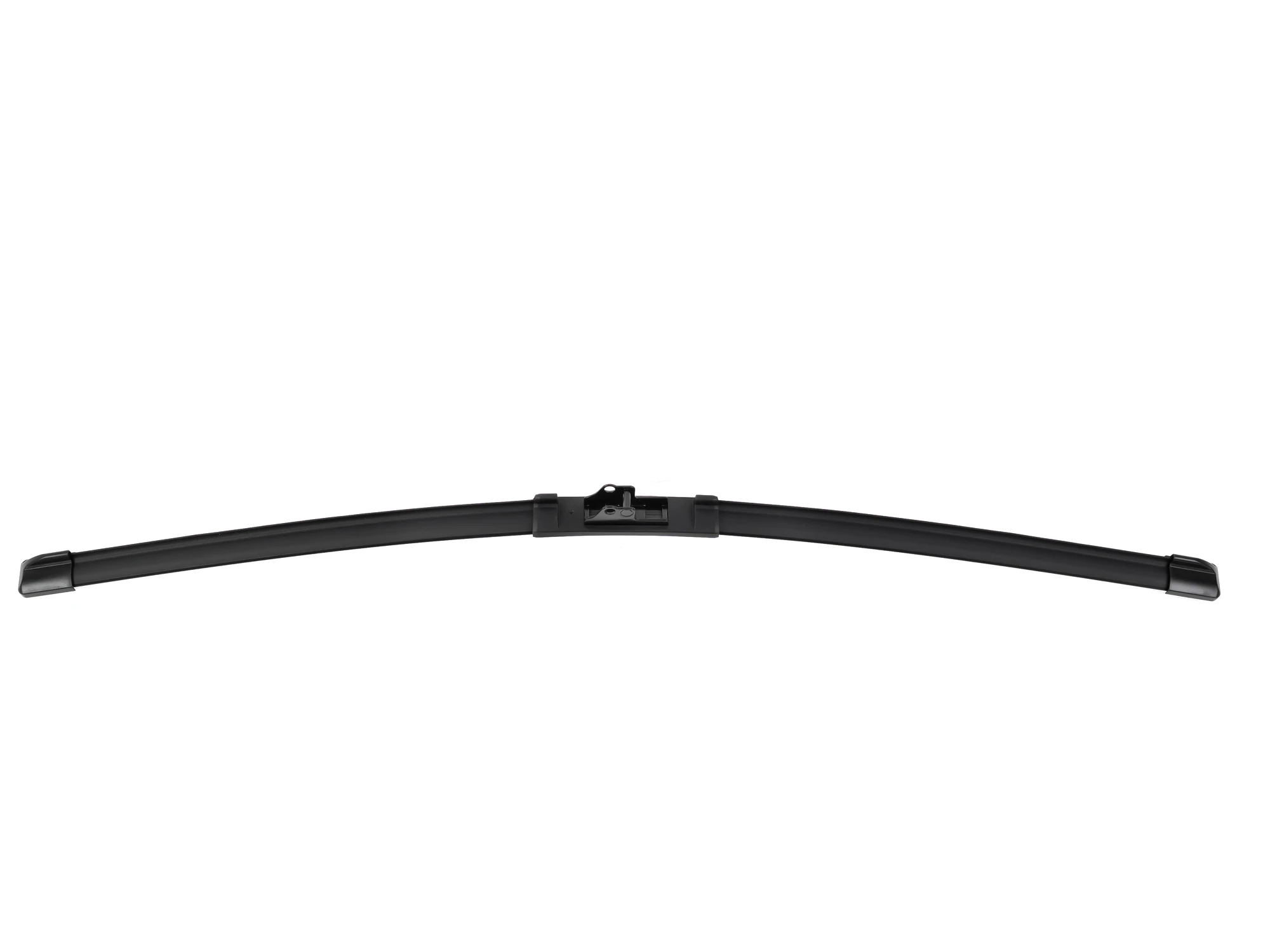
Overall, side and connector photographs provide complementary information. Record the differences between parts before choosing a model from its outline alone.

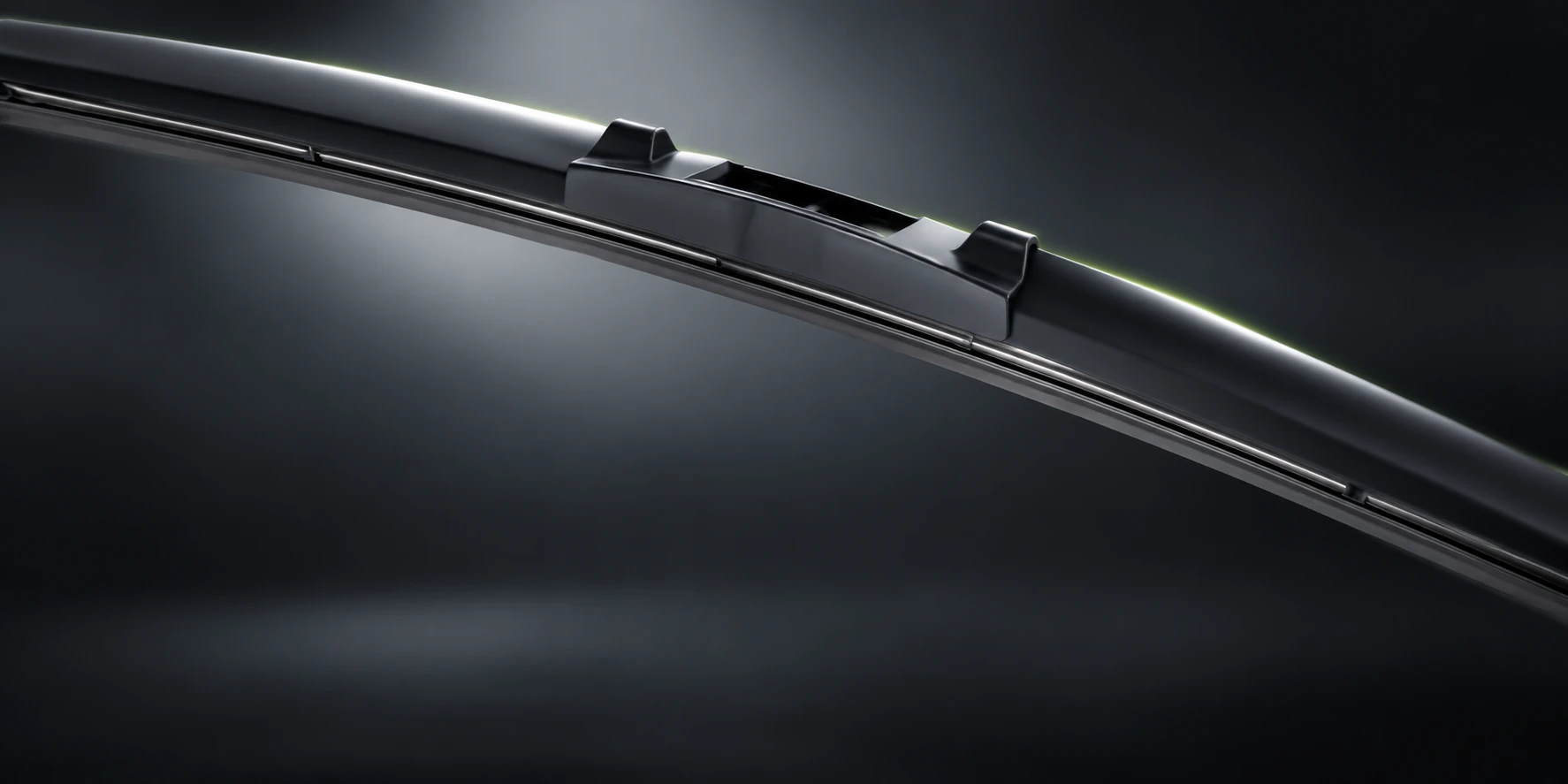
Explore QINAI front-wiper components across the H, B, Q, K, XZ and ZY series. Review body and connector photographs, then confirm assembly and purchasing requirements against drawings or samples.
| Product scope | Existing catalogue models | Selection inputs | Photos and reference model |
|---|---|---|---|
| Connection needs | Review with mating part | Dimensions | Drawings or samples |
| Sample records | Identify approved revision | Purchasing list | Itemize model quantities |
| Packaging | Discuss specific needs | Delivery | Mutually confirmed order |
Start with the full model, connection method and required components. Keep reference photographs, dimensions and sample identifiers together for selection and supply review.
Overall, side and connector photographs provide complementary information. Record the differences between parts before choosing a model from its outline alone.
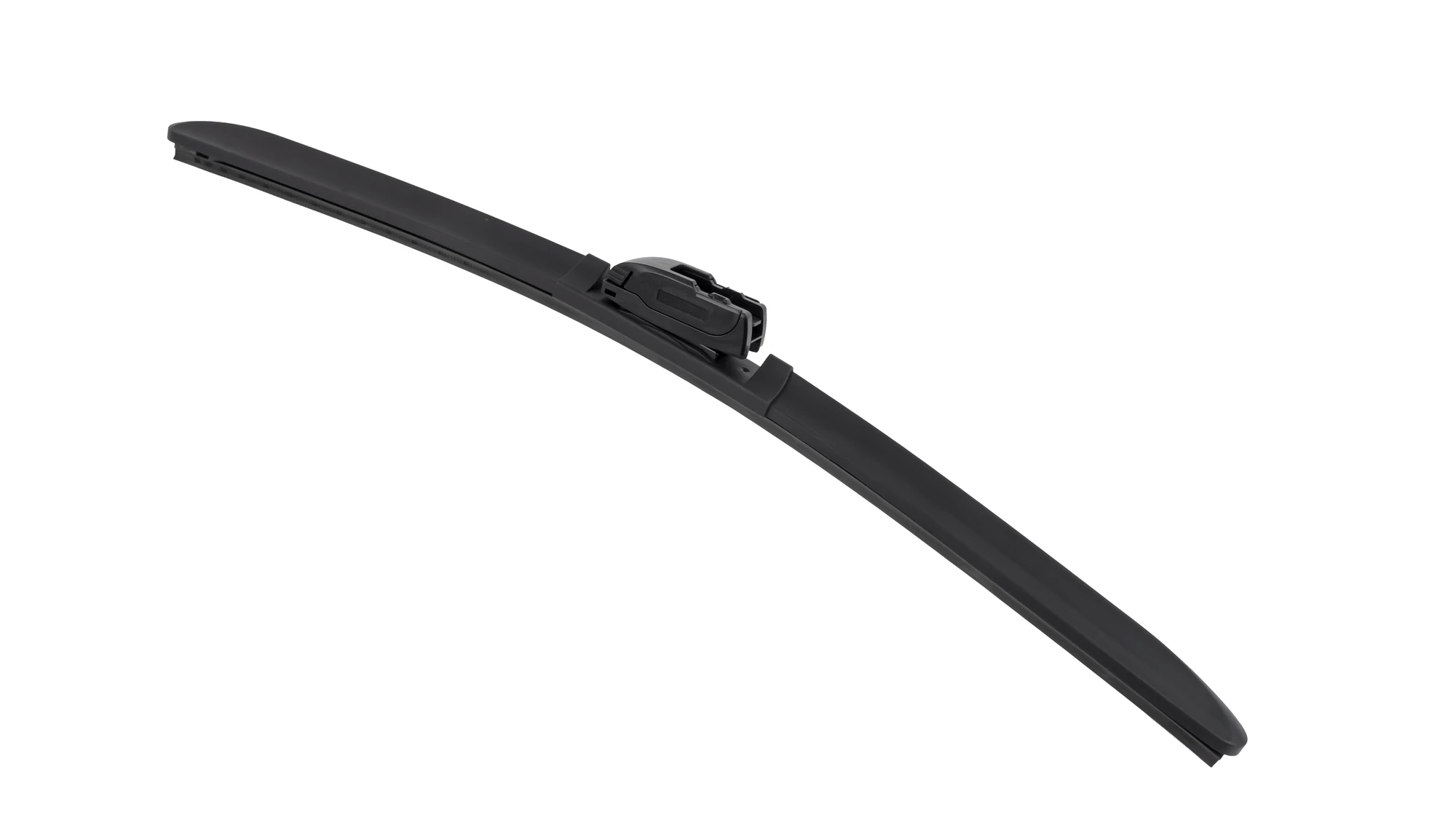
Keep the model, key dimensions, mating components and sample reference in one record. Use it through quotation, sample review and order confirmation.
Appearance alone does not establish interchangeability. Review the connector form, contact points, retention features and relevant dimensions. Use the actual mating part for sample approval when needed.
List models, quantities and units, together with packaging, labels and requested delivery timing. Itemize a multi-model enquiry so each supply requirement can be reviewed separately.
Mark the measurement points, values and units on a drawing or photograph. Add the full model or sample reference, and make sure each dimension corresponds to the correct view.
Start with the installation position and existing component structure. The current QINAI catalogue includes front-wiper parts and S and RH rear-wiper parts. Confirm the connection and compatibility for the particular item.
Record the sample reference, photographs and review requirements. Check the connection fit, appearance and agreed packaging scope, then identify the approved revision for subsequent ordering.
Provide drawings, samples, branding or packaging requirements, along with expected quantities and timing. The achievable scope, cost and schedule are assessed and agreed for the specific project.
Keep the agreed model, sample reference, drawing revision and packaging record. Refer to them in the next enquiry and identify changes to quantities, packaging or delivery requirements.
Organize the review around observable parts of the component. Start with the overall profile, then record the interface and contact areas so an image-based enquiry becomes a clear product requirement.
These observations organize the selection process; they do not replace dimensioned drawings or an assembly check. Link photographs, dimensions and sample references when comparing similar models.
The outline is only one part of selection. Connection method, body structure and the scope of included components also need to be specified. A single length does not describe the entire requirement.
State the measurement point, direction and unit. Illustrate dimensions from different views so body, connector and packaging measurements are not confused.
If a complete drawing is unavailable, begin with clear photographs and mark the areas that need review. A website image should not be used as a precision measurement reference.
A useful photograph set can cover the following areas:
Use a consistent orientation and keep important features visible. Where dimensions are annotated, retain an unmarked original photograph as a comparison reference.
Breaking the enquiry into reviewable items reduces missing information. These steps organize purchasing discussions; they do not constitute a fitment approval or delivery commitment.
Provide an existing model or photographs, and state whether the request concerns a complete item, a body or related connector parts. Catalogue views can support initial identification.
Describe the mating part and connection position. Add connector photographs, drawings or a sample when a component must fit an existing assembly.
Keep measurement points, units and values together. State whether each dimension comes from a sample or drawing so the reference can be traced during review.
Review appearance, connection fit and included parts against the agreed requirements. Record the approved sample reference and revision, and describe differences before approving changes.
List each model, quantity and unit, with packaging, labels and requested delivery timing. Supply follows the mutually confirmed order.
| Information | Main use | Include | Review stage | Key check |
|---|---|---|---|---|
| Photographs | Visual identification | Overall and connector views | Initial enquiry | Orientation and model |
| Drawings | Specification review | Dimensions, units and revision | Selection review | Points and connection |
| Samples | Assembly approval | Reference and records | Before ordering | Fit and approved version |
Photographs, drawings and samples serve different purposes. When consistent, they support each other. When they differ, identify the discrepancy and agree the controlling reference instead of assuming one image defines the final product.
Keep model references, sample numbers, drawing revisions and packaging requirements for repeat enquiries. Itemize multi-model orders so one model’s approval is not applied to another.
Reconfirm quantity units and delivery requirements before ordering. Specifications, compatibility and supply arrangements follow mutual agreement; update the relevant records whenever the requirement changes.